
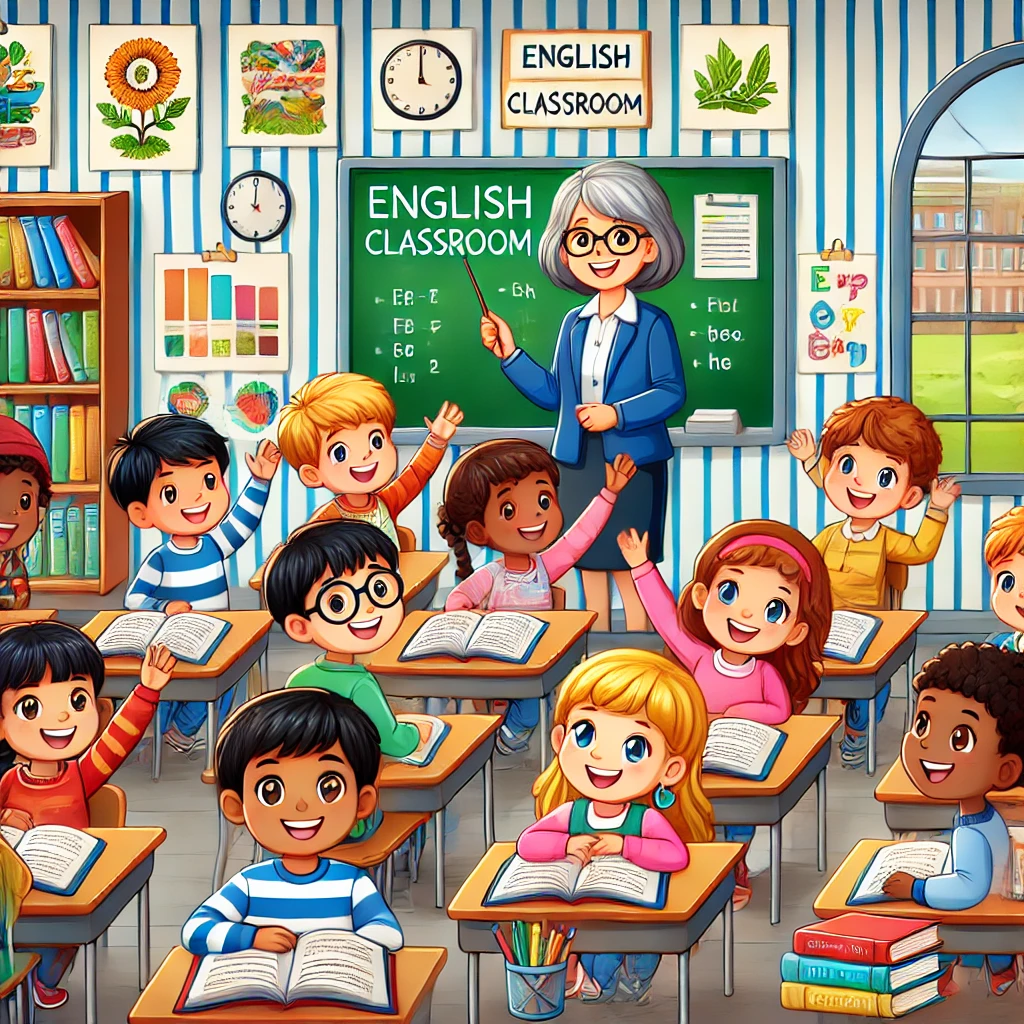
Learning English as a second language can be an exciting and rewarding journey, especially for kids. Developing basic English skills early sets a strong foundation for academic success and boosts confidence when communicating in diverse situations. As parents, teachers, or guardians, fostering an engaging and supportive learning environment is key to helping children grasp the essentials of English. This article is designed to guide you through foundational language skills that are crucial for kids, including reading, writing, listening, and speaking.
Understanding the importance of each skill can make the teaching process more effective and enjoyable. This guide provides practical tips and activities that are easy to implement and are guaranteed to keep kids interested and motivated. By integrating fun and interactive elements into learning sessions, children can develop a positive attitude towards English while enhancing their proficiency.
Let’s explore some essential strategies and activities for teaching basic English skills to kids. From phonics and vocabulary to reading comprehension and conversational practice, this article will cover various aspects to ensure a comprehensive approach to language learning. Whether you’re an ESL teacher or a parent aiming to support your child’s language development, these insights will equip you with the necessary tools for success.
Phonics and Pronunciation
Phonics is the cornerstone of English language learning. It involves teaching children the relationship between sounds and their corresponding letters or groups of letters. This foundational skill enables kids to decode words and improves their reading fluency. Begin with simple, everyday words and introduce them to the sounds of individual letters (phonemes).
Start with consonants and vowels separately, ensuring that children can recognize and reproduce these sounds accurately. For instance, practice the sounds of common consonants like ‘b,’ ‘d,’ and ‘t,’ and vowels like ‘a,’ ‘e,’ and ‘i.’ Once they’re comfortable with individual phonemes, move on to blending sounds to form words (e.g., ‘cat,’ ‘dog,’ ‘hat’). Repetition and practice are crucial in this stage of learning.
Use phonics games and activities to keep children engaged. Flashcards, interactive apps, and singing phonics songs can make learning more exciting. Additionally, focus on correct pronunciation and articulation through role-playing and repetition exercises. For example, practice common phrases and encourage children to mimic native speakers.
Remember, patience and positive reinforcement go a long way in building confidence. Celebrate small milestones and provide constructive feedback to keep learners motivated. By mastering phonics and pronunciation, kids will be better equipped to tackle more complex language skills.
Building Vocabulary
A rich vocabulary is essential for effective communication and comprehension. Introduce new words through thematic lessons based on children’s interests and everyday experiences. Topics like animals, colors, family, and food are excellent starting points.
Visual aids and real-life objects can make vocabulary lessons more impactful. For example, use pictures or actual items to teach words like ‘apple,’ ‘dog,’ ‘car,’ and ‘tree.’ Encourage children to use these words in sentences to understand their context and usage. Regularly revisiting and practicing learned vocabulary is crucial for retention.
Engage kids in fun vocabulary-building activities such as word-matching games, flashcards, and storytelling. Create a word wall in the classroom or at home, displaying new words along with their pictures. This visual representation helps reinforce learning.
Incorporate technology by using educational apps and online games designed to expand vocabulary. Many resources offer interactive and engaging ways to learn new words. Additionally, reading books and watching age-appropriate English shows or educational videos can expose kids to a wide range of vocabulary in context.
By gradually introducing and practicing new words, children will build a strong vocabulary foundation, enhancing their overall language proficiency.
Reading Comprehension
Reading comprehension is a vital skill that involves understanding and interpreting written text. Start by choosing age-appropriate reading materials that cater to children’s preferences and reading levels. Picture books, simple stories, and illustrated books with easy-to-read text are ideal for beginners.
Encourage a love for reading by making it a daily habit. Set aside dedicated reading time each day and choose a quiet, comfortable spot for reading sessions. Read aloud to children, allowing them to follow along and ask questions. This practice helps them grasp narrative structure, vocabulary, and context.
After reading a story, discuss its main ideas, characters, and events. Ask open-ended questions to promote critical thinking and comprehension. For example, “What do you think will happen next?” or “Why did the character feel that way?”
Incorporate various reading activities such as story retelling, sequencing events, and drawing illustrations based on the story. These activities reinforce comprehension and creativity. Utilize reading comprehension worksheets or online resources to provide structured exercises that test understanding.
Encourage independent reading by providing a selection of books that cater to different interests and reading levels. Celebrate their progress and offer praise and rewards for completing books or reading challenges. Through consistent practice and engaging activities, children can develop strong reading comprehension skills.
Writing Skills
Writing is an essential skill that complements reading and enhances overall language proficiency. Begin with basic writing exercises like tracing letters and practicing handwriting. As children become more comfortable with writing, introduce simple sentences and common phrases.
Use writing prompts and creative activities to make writing enjoyable. Encourage kids to write short stories, diary entries, or descriptions of their favorite activities. Provide a variety of writing materials like pencils, crayons, and colorful notebooks to make the process exciting.
Focus on sentence structure and grammar by teaching parts of speech, punctuation, and proper word order. Use worksheets, games, and interactive activities to reinforce these concepts. For example, sentence-building exercises where children rearrange words to form correct sentences help in understanding syntax.
Encourage peer review and collaborative writing projects. Working with classmates or friends can provide valuable feedback and foster a sense of teamwork. Additionally, praising their efforts and sharing their written work with others can boost confidence and motivation.
Regular writing practice is key to improvement. Incorporate writing activities into daily routines, such as making grocery lists, writing notes to family members, or creating stories. By consistently practicing and refining their writing skills, children can become confident and competent writers.
Listening and Speaking
Listening and speaking are critical components of language acquisition. Children need ample opportunities to practice these skills in real-life situations. Incorporate listening activities that engage children in active listening and comprehension.
Use audio resources like songs, stories, and conversational recordings to expose kids to various accents and intonations. Encourage them to listen carefully and ask questions about what they heard. For example, listening to a story and answering questions about its characters or events enhances comprehension.
Role-playing and conversational practice are excellent ways to build speaking skills. Create scenarios where children can practice greetings, introducing themselves, and holding simple conversations. Encourage them to use full sentences and proper pronunciation.
Group activities and discussions provide opportunities for children to practice speaking in a supportive environment. Activities like show-and-tell, debates, and storytelling sessions encourage children to articulate their thoughts and build confidence in speaking.
Engage kids in games and activities that promote listening and speaking, such as “Simon Says,” “Telephone,” and charades. These fun exercises not only make learning enjoyable but also reinforce language skills through play.
Consistent practice and positive reinforcement are essential in developing strong listening and speaking skills. By creating an encouraging environment and providing ample opportunities for practice, children can become effective communicators.
Conclusion
Building basic English skills in children requires patience, creativity, and a supportive environment. By focusing on phonics, vocabulary, reading comprehension, writing, and listening and speaking skills, we can provide a well-rounded approach to language learning. Each of these skills is interconnected and contributes to overall language proficiency.
Incorporate fun and engaging activities to keep children motivated and interested. Utilize technology, visual aids, and interactive resources to make learning exciting and effective. Celebrate their progress and provide positive feedback to boost their confidence.
Remember, every child learns at their own pace. Be patient and provide a learning environment that caters to their individual needs and preferences. With consistent practice, encouragement, and the right resources, children can develop strong English skills that will serve them well in their academic and personal lives.
Whether you’re an ESL teacher or a parent, this comprehensive guide offers practical tips and activities to help children build a solid foundation in English. By fostering a love for learning and creating an engaging environment, we can set children on the path to success in their language journey.
Frequently Asked Questions
1. How can I help my child start learning English at home?
Helping your child start learning English at home can be a fulfilling experience for both you and your child. Begin by incorporating English into daily activities such as labeling household items with their English names, reading English storybooks together, or watching educational English cartoons or videos. You can also use English songs to teach basic vocabulary and simple sentences. Play interactive games that focus on English words and sounds, such as memory or matching games. This playful and immersive approach makes learning fun and less intimidating. Consistency is key, so try to make these activities a regular part of your routine to build strong foundational skills over time.
2. What resources are available to help kids learn basic English skills?
There is a vast array of resources available that are specifically tailored to help kids learn basic English skills. For starters, consider children’s English language learning apps which often incorporate play and education together. Additionally, many websites offer free printables and exercises focused on vocabulary, grammar, and pronunciation. Educational videos and interactive e-books can also be excellent resources, providing visual and auditory learning. Don’t forget about community resources; many libraries offer English literacy programs and storytime events. You can also connect with local tutoring services that specialize in language development for young learners. Utilize these resources to diversify your child’s exposure to English.
3. How do I know if my child is progressing in their English learning?
Monitoring your child’s progress in learning English involves being attentive to their ability to understand and use the language effectively over time. Look for improvements in their ability to recognize and pronounce English words. You should notice enhancements in their listening skills as they begin to follow simple instructions given in English. Observe their confidence in using basic sentences and questions in everyday situations. Another indicator is their eagerness to engage with English content, such as asking questions about a story or singing along to songs. Additionally, you can track progress through regular assessments, like vocabulary quizzes or conversational practice, to see how well they apply what they’ve learned.
4. What role does play have in developing English skills for kids?
Play is a fundamental element in developing English skills for kids because it renders learning enjoyable and engaging. Through play, children are motivated to use English naturally as they interact with others in activities like pretend games, role-playing, or storytelling. This helps in enhancing their language skills without them being aware that they are in a learning setup. Play-based learning promotes creativity and critical thinking while introducing new vocabulary and language concepts in context. Gamified language apps and board games designed to improve English skills can sustain their interest and encourage regular practice. Overall, integrating play into language learning capitalizes on the natural curiosity and energy of children, fostering a more immersive and effective experience.
5. How can I create a supportive environment for my child learning English?
Creating a supportive environment for your child learning English involves providing encouragement, patience, and resources they need to succeed. Start by establishing a routine that incorporates English activities, ensuring that learning does not feel rushed or pressured. Praise their efforts and celebrate milestones, no matter how small, to build their confidence and motivate them further. Create an inclusive environment where mistakes are viewed as a natural part of learning rather than failures. Ensure that they have access to a variety of English materials, from books to multimedia resources, to broaden their exposure. Surround them with opportunities to hear and use English in different contexts, including playdates with peers who speak English or visiting English-speaking environments such as museums or storytime events. Be actively involved in their learning journey, providing guidance and support along the way.