
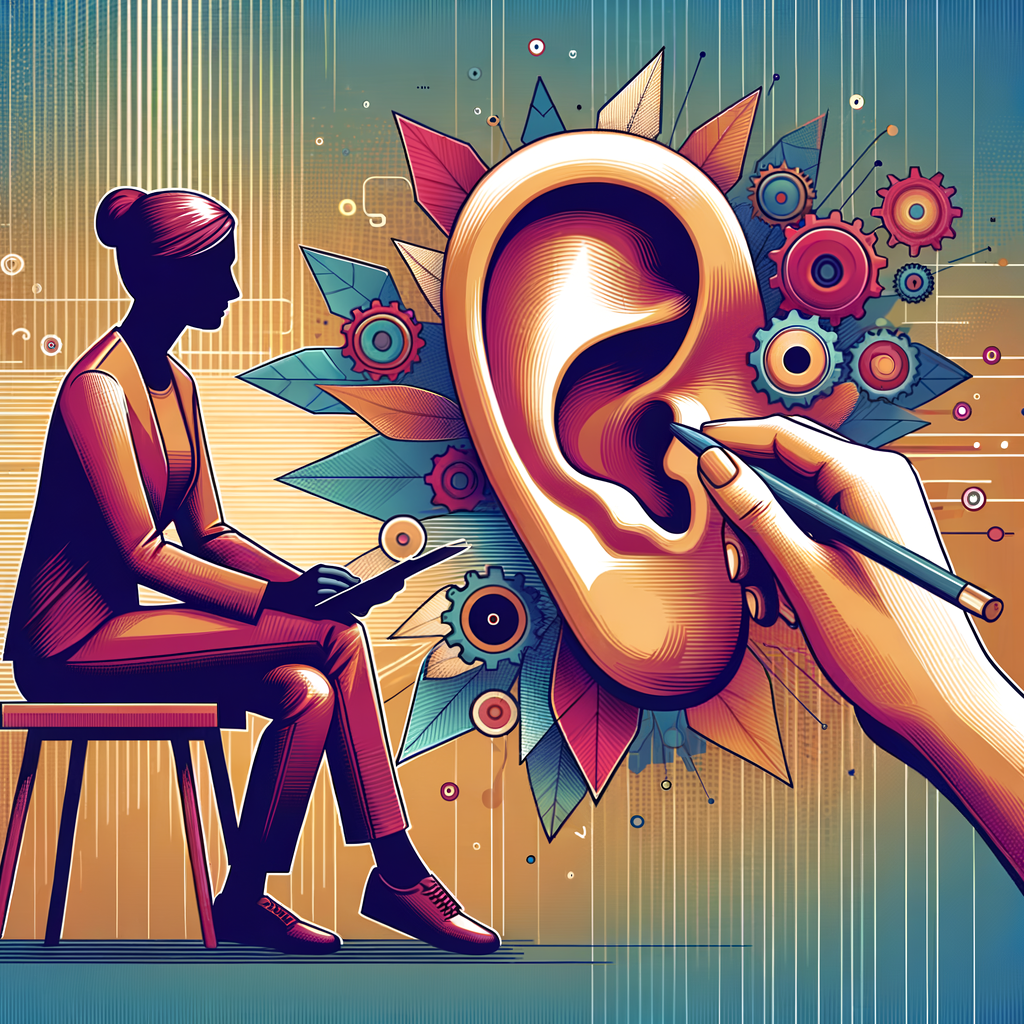
Active listening is not merely a communication skill but an art form that enhances community interactions. In a world dominated by technology and fast-paced conversations, active listening offers a reprieve by promoting genuine understanding and meaningful exchanges. This practice is of paramount importance in fostering connections, resolving conflicts, and creating a sense of belonging among community members. Mastering the art of active listening involves more than the passive reception of words; it necessitates an engagement with the speaker, understanding their message, and responding thoughtfully. As communities become more diverse and complex, active listening has emerged as a critical skill in bridging cultural and interpersonal gaps. This article delves into the nuances of active listening, exploring its principles, benefits, and role in strengthening community bonds. Through this journey, we shall discover how active listening transforms mere words into a powerful tool for building inclusive and empathetic communities.
The Principles of Active Listening
Active listening is grounded in several fundamental principles that guide individuals toward more effective communication. First, it requires full attention and presence, meaning that the listener must engage with the speaker without distractions. This involves maintaining eye contact, nodding understandingly, and providing verbal acknowledgments that encourage the speaker. Secondly, active listening emphasizes understanding rather than judgment. Listeners should approach conversations with an open mind, setting aside preconceived notions and biases. Another key principle is empathy, which involves genuinely caring about the speaker’s perspective and emotions. Empathy allows listeners to connect with the speaker’s experiences on a deeper level, fostering mutual respect and trust. Additionally, active listening involves reflective feedback, where listeners restate or paraphrase what they have heard to confirm understanding. This not only clarifies messages but also demonstrates to the speaker that their words are valued. By adhering to these principles, individuals can enhance their listening skills and cultivate more meaningful interactions within their communities.
Benefits of Active Listening in Community Interactions
The benefits of active listening extend far beyond personal communication, profoundly impacting community dynamics and relationships. One of the primary advantages is the strengthening of trust and rapport. When community members feel heard and understood, they are more likely to reciprocate respect and cooperation. This becomes especially crucial in group settings where diverse opinions and interests need reconciliation. Active listening also enhances conflict resolution by promoting a deeper understanding of opposing viewpoints. Rather than escalating tensions, active listening encourages dialogue, helping parties identify common ground and collaboratively find solutions. Furthermore, active listening fosters inclusivity by ensuring that minority voices are acknowledged and valued. As communities become increasingly diverse, the ability to listen empathetically becomes essential in creating a sense of belonging for all members. Additionally, active listening contributes to personal growth and learning. By exposing themselves to different perspectives and experiences, individuals can expand their worldview and challenge their assumptions. This, in turn, enriches the community as members become more informed and open-minded. By understanding the profound benefits of active listening, community members are better equipped to harness its potential for positive change.
Overcoming Barriers to Active Listening
Despite its importance, active listening is often impeded by various barriers that hinder effective communication. One common obstacle is the presence of distractions, whether external, like noise and interruptions, or internal, such as personal biases and emotional states. To overcome these, individuals can create an optimal listening environment by minimizing distractions and consciously focusing their attention on the speaker. Another barrier is the tendency to prematurely judge or form responses while the speaker is still talking. This not only disrupts the listening process but can also lead to misunderstandings. Listeners should practice patience and wait until the speaker has finished before formulating their replies. Additionally, language and cultural differences can pose challenges in active listening. Understanding these differences requires sensitivity and a willingness to ask clarifying questions without making assumptions. Embracing diversity as a learning opportunity rather than an obstacle can lead to richer and more inclusive interactions. Additionally, self-awareness plays a critical role in overcoming listening barriers. By recognizing and addressing their own listening habits and prejudices, individuals can enhance their ability to listen actively and empathetically. Through conscious effort and practice, community members can surmount these barriers and cultivate more effective listening skills.
Techniques for Enhancing Active Listening Skills
To refine their active listening skills, individuals can employ a variety of techniques designed to facilitate engaging and meaningful conversations. One effective technique is paraphrasing, where the listener restates what the speaker has said in their own words. This not only helps confirm understanding but also signals to the speaker that their message is being attentively received. Another technique is the use of open-ended questions, which encourage the speaker to elaborate on their thoughts and feelings. These questions, unlike yes-or-no questions, invite more detailed responses and pave the way for deeper understanding. Active listeners can also harness the power of silence, allowing pauses in the conversation that give the speaker time to reflect and gather their thoughts. This patience demonstrates respect for the speaker’s process and conveys a willingness to listen fully. Additionally, listeners should be mindful of their nonverbal cues, such as facial expressions, gestures, and body language, as these can significantly influence the speaker’s perception of attentiveness and empathy. Practicing mindfulness can also enhance active listening by helping individuals remain present and engaged in the moment. By incorporating these techniques into their interactions, community members can improve their listening skills and contribute to a more connected and cohesive community environment.
The Role of Active Listening in Community Building
Active listening plays a pivotal role in community building by fostering environments where individuals feel valued and understood. By promoting open dialogue and mutual respect, active listening strengthens the sense of community and encourages collective problem-solving. This is especially important in communities facing challenges, such as conflicts or social issues, where understanding diverse perspectives can lead to more effective and sustainable solutions. Through active listening, community members can identify shared goals and values, forging stronger collaborations and partnerships. Additionally, active listening contributes to community resilience by building trust and cooperation, enabling communities to respond effectively to crises and adapt to change. When individuals actively listen, they create spaces where members feel empowered to express themselves, fostering a culture of inclusivity and belonging. Furthermore, active listening facilitates leadership development within communities. By listening to the needs and ideas of others, leaders can make informed decisions that reflect the collective wisdom of the community. This participatory approach not only enhances the quality of leadership but also inspires greater community involvement and engagement. As such, the art of active listening is indispensable in nurturing communities that are vibrant, cohesive, and thriving.
Integrating Active Listening into Daily Life
Incorporating active listening into daily life is essential for nurturing strong and meaningful relationships within the community. Individuals can start by setting aside time for intentional conversations, where they focus entirely on the speaker without distractions. This could be as simple as having a technology-free family dinner or engaging in face-to-face conversations with neighbors. In professional settings, individuals can practice active listening during meetings by paraphrasing and summarizing key points discussed, ensuring clarity and shared understanding. Additionally, community events and forums provide excellent opportunities to hone active listening skills by engaging with diverse voices and perspectives. Journaling can also be a powerful tool for reflecting on listening experiences, allowing individuals to identify areas for improvement and track their progress over time. Embracing active listening as a daily habit requires a conscious commitment to practice and patience, particularly as individuals navigate the complexities of modern communication. By making active listening a regular part of everyday interactions, community members can transform their relationships and create a more empathetic and connected environment. Ultimately, the art of active listening, when ingrained in daily life, has the potential to redefine how communities interact, collaborate, and thrive together.
Conclusion
In conclusion, active listening is an invaluable skill that enriches community interactions and fosters a sense of understanding and connection among individuals. By adhering to the principles of focus, empathy, and reflective feedback, listeners can transform ordinary conversations into meaningful exchanges that build trust and respect. The benefits of active listening extend beyond personal interactions, greatly impacting community dynamics by enhancing conflict resolution, inclusivity, and resilience. While barriers to active listening exist, they can be overcome through conscious effort and the implementation of effective techniques such as paraphrasing, open-ended questioning, and mindfulness. As communities face challenges and opportunities for growth, active listening stands as a cornerstone for sustainable community building and development. By integrating this art form into daily life, individuals contribute to a culture of empathy and understanding, paving the way for more cohesive and harmonious communities. Ultimately, the power of active listening lies in its ability to transform communication into a dynamic and impactful force for positive change. As community members embrace the art of active listening, they unlock the potential to create environments that are inclusive, respectful, and resilient, fostering a future where everyone feels heard and valued.
Frequently Asked Questions
1. What exactly is active listening and how does it differ from regular listening?
Active listening is a communication technique that goes beyond simply hearing the words that someone is speaking. It’s about fully engaging with the speaker, understanding their message, and responding thoughtfully. In contrast to regular listening, where our minds may wander and we might only take in information passively, active listening requires focus and intention. This involves paying attention not just to the words, but also to the emotions, non-verbal cues, and underlying messages that the speaker is conveying. Active listening in community interactions can significantly enhance relationships by building trust and allowing for deeper connections.
2. Why is active listening considered an “art form” in community interactions?
Active listening is often regarded as an art form because it requires a combination of skills and a conscious effort to connect with others on a meaningful level. Just like any art, it involves creativity, empathy, and a deep understanding of human behavior and emotional intelligence. In community interactions, mastering the art of active listening means being able to interpret subtle cues, ask the right questions, and generate a dialogue that fosters mutual understanding and respect. This level of skill can transform interactions into opportunities for personal growth, conflict resolution, and stronger bonds within a community. It’s about creating an environment where everyone feels heard and valued, promoting a sense of belonging and unity.
3. What role does active listening play in resolving conflicts within a community?
Active listening plays a crucial role in conflict resolution by providing a foundation of trust and mutual respect. When community members feel that their voices are genuinely heard and understood, it creates a space where differences can be acknowledged and addressed rather than ignored or escalated. By engaging in active listening, individuals are encouraged to express their concerns clearly and fully, while their counterparts listen without interruption or judgment. This helps to de-escalate tensions and clarifies misunderstandings. Through active listening, solutions can be co-created, ensuring that all parties are invested in the outcomes, which is essential for sustainable peace and harmony within a community.
4. How can active listening enhance a person’s sense of belonging within their community?
A sense of belonging comes from feeling valued, recognized, and connected to others. Active listening enhances this by showing community members that their perspectives and experiences matter. When individuals regularly practice active listening, they contribute to an environment where open dialogue is the norm, and everyone’s input is welcomed and considered. This creates a supportive and inclusive atmosphere where individuals are more likely to engage, volunteer, and participate because they know their contributions are respected and appreciated. Over time, these interactions build a stronger, more cohesive community where each person feels like an integral part of the whole.
5. Can you provide practical tips for mastering the art of active listening in community settings?
Certainly! Here are some practical tips to help you master active listening in community settings:
- Maintain Eye Contact: Show that you are focused on the speaker by maintaining eye contact without staring uncomfortably.
- Avoid Interrupting: Let the speaker finish their thoughts before you respond. Interruptions can make them feel undervalued.
- Use Open Body Language: Non-verbal cues such as nodding, leaning slightly forward, or uncrossing arms can convey that you are engaged and interested.
- Ask Clarifying Questions: If something is unclear, ask questions to gain a better understanding. This shows your interest in their perspective.
- Paraphrase and Reflect: Summarize what the speaker has said to confirm your understanding and show that you are paying attention.
- Be Patient: Take your time to think before responding. Active listening is not about quick exchanges but about meaningful dialogue.
- Practice Empathy: Try to put yourself in the speaker’s shoes and understand their feelings and viewpoints, even if you don’t agree.
By incorporating these techniques into your interactions, you can enhance your active listening skills and contribute positively to your community, fostering a culture of understanding and collaboration.





