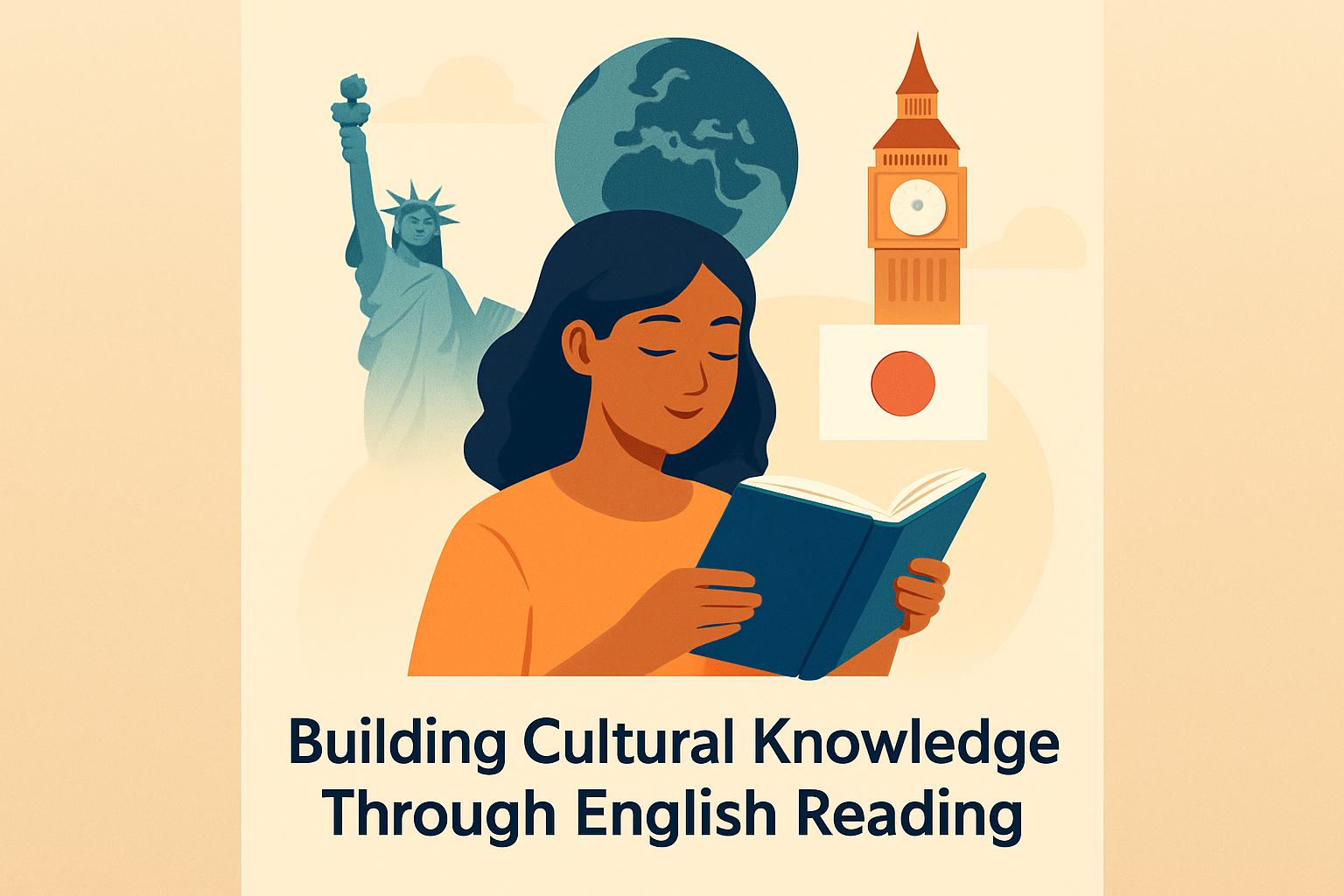
In our interconnected world, understanding different cultures is a skill that enhances our professional and personal lives. One powerful way to build this cultural knowledge is through English reading, a tool that provides insights into diverse traditions, practices, and perspectives. English is more than just a language; it is a medium that provides access to a wide array of cultural narratives thanks to its global reach and richness of literature. Understanding cultural nuances through English literature and texts can lead to better cross-cultural communication, empathy, and a broader worldview. In this article, we will explore why building cultural knowledge through English reading is essential and how it can be effectively utilized.
The Diversity of English Literature and Cultural Exposure
English literature spans centuries and continents, encompassing a variety of genres that represent myriad cultures and communities. From the vivid descriptions of Asian settings in contemporary novels to the rich tapestries of African cultures found in postcolonial literature, English reading offers a window into the lives and histories of others. For example, reading Chimamanda Ngozi Adichie’s “Half of a Yellow Sun” offers insight into Nigerian history and the cultural implications of the Biafran War. This understanding comes not only from the plot but also from the language, traditions, and societal norms illustrated throughout the book. By embracing such works, readers gain knowledge of different ways of life, values, and worldviews, enriching their cultural literacy.
Language as a Gateway to Understanding Cultural Contexts
Language and culture are intrinsically linked. When reading English texts that explore various cultural contexts, the language used reflects specific cultural norms, idioms, and values that might otherwise be unfamiliar. Through these texts, readers develop an understanding of cultural settings that surpasses mere surface-level knowledge. For instance, Amy Tan’s “The Joy Luck Club” provides readers not only with the story of Chinese immigrant families in America but also with the cultural tensions and bridges that language creates within and between generations. Moreover, understanding literary devices and language styles used by authors from different cultural backgrounds can enhance comprehension of the cultural and historical significances underlying their narratives.
Educational Systems and Cultural Awareness Through English Reading
Incorporating English reading into educational curricula can foster cultural awareness among students. Through structured reading programs that include a range of global authors, students are exposed to diverse voices and perspectives. Schools in multicultural countries like Canada and the United States often include reading lists that reflect the varied cultural heritage of their populations. These programs are crucial in developing empathetic and culturally informed citizens. Embracing a wide array of literary voices helps dismantle stereotypes and encourages students to appreciate cultural diversity. Educators play a key role in guiding discussions that delve into the cultural contexts of the texts, ensuring that students not only read but also understand and respect differences.
Practical Examples of Cultivating Cultural Knowledge Through English Reading
One practical approach to building cultural knowledge through English reading is engaging with both classic and contemporary works that explore cultural themes. For instance, reading works by famous authors such as Salman Rushdie, Toni Morrison, and Arundhati Roy can provide significant insights into the societies the authors depict. Additionally, English literature enthusiasts often create reading groups or book clubs where participants discuss themes and cultural contexts of the books they read. These discussions can further enhance understanding and appreciation of different cultures. Furthermore, online platforms like Goodreads create spaces for readers worldwide to share thoughts and recommendations on culturally rich texts, broadening access to diverse literature.
- Classic Works: “Things Fall Apart” by Chinua Achebe – Provides insights into Igbo culture and the impact of colonialism in Africa.
- Contemporary Works: “Pachinko” by Min Jin Lee – Explores the history and culture of Korean immigrants in Japan.
- Book Clubs: Hosting discussions around books focused on cultural identities enhances understanding and global perspectives.
The Role of Technology in Facilitating Cultural Learning
Technology plays a significant role in facilitating cultural learning through English reading. Audiobooks, eBooks, and online discussion forums expand access to diverse literary works, making it easier for readers worldwide to engage with different cultures. Language translation apps also enable non-native English speakers to explore English literature without language barriers. Websites and apps that offer book recommendations based on cultural themes or regions can also guide readers in their quest for knowledge. For example, StoryGraph is an app that categorizes books based on cultural themes, helping users discover literature that aligns with their interests in cultural exploration.
| Technology Type | Facilitating Role |
|---|---|
| Audiobooks | Enable multitasking and accessibility for diverse readers. |
| eBooks | Provide instant access to a vast library of cultural texts. |
| Online Forums | Facilitate discussions and exchanges of cultural perspectives. |
The Impact of Gaining Cultural Knowledge through Reading on Personal Development
Gaining cultural knowledge through English reading has a profound impact on personal development. It enhances emotional intelligence and openness to new experiences by widening perspectives and fostering empathy. By stepping into another person’s world through literature, readers are challenged to question their assumptions and biases, developing a more comprehensive understanding of humanity. This cultural literacy is invaluable in professional settings as well, where an appreciation for diversity can improve teamwork and communication in globalized environments.
For example, professionals who have read widely and understand cultural dynamics may excel in roles requiring cross-cultural negotiations or international collaborations. They are better equipped to navigate cultural differences with sensitivity and respect, ultimately contributing to successful and harmonious relationships across borders. The insights gained through such reading are as versatile as they are enduring, benefiting all facets of life, from personal relationships to professional pursuits.
Conclusion
Building cultural knowledge through English reading is a dynamic and enriching process that can profoundly impact one’s personal and professional life. By diving into the multitude of narratives offered by English literature, individuals can broaden their understanding of global cultures, foster empathy, and challenge personal biases. The incorporation of diverse authors and cultures within educational systems further amplifies these benefits, preparing students to thrive in a multicultural world. As technology continues to make such literature more accessible, the potential to engage with and appreciate different cultural contexts has never been greater.
As you embark on this rewarding journey of cultural exploration through English reading, consider exploring works from authors that span different countries and backgrounds. Join local or online book clubs, engage in discussions, and allow yourself to be drawn into the diverse and vibrant tapestry of global cultures. Building cultural knowledge through English reading not only enriches the mind but also fosters a more harmonious and understanding world. Begin today by selecting a culturally rich book to read and open your mind to the myriad of perspectives it holds.
Frequently Asked Questions
1. How does English reading help in understanding different cultures?
English reading is a gateway to understanding different cultures since English serves as a lingua franca in our globalized world. Through reading English literature and content, you can access an extensive range of cultural narratives that provide insights into traditions, practices, beliefs, and social norms from different parts of the world. Whether it’s a classic novel from Britain, a contemporary short story from India, or an informative article about Japanese traditions, English reading allows you to step into the shoes of diverse people and understand their unique worldviews. By exposing you to various perspectives and experiences, it fosters cultural empathy and awareness, helping you appreciate the richness and diversity of global cultures. This, in turn, can lead to more meaningful interactions with individuals from different backgrounds, both in your professional and personal life.
2. What types of English reading materials are best for learning about cultures?
When diving into cultural learning through English reading, there is no one-size-fits-all approach, but some materials can be incredibly enriching. Fictional works, such as novels and short stories, often delve into the intricacies of human experiences and cultural contexts, making them excellent choices. Autobiographies and memoirs provide personal narratives that reveal cultural insights through the lived experiences of individuals. Non-fiction, including world history books and cultural studies, offers factual information and analysis about different societies and traditions. Moreover, articles and essays, often found in online platforms and journals, can provide current cultural commentary and analysis. Additionally, poetry can be a profound medium that captures the essence of a culture through language and metaphor. It’s important to choose a diverse mix of genres and authors from different cultural backgrounds to gain a well-rounded understanding.
3. Are there specific authors known for their contributions to cultural knowledge through English reading?
Absolutely! Many authors have made significant contributions to cultural knowledge through their English writings. For instance, Chimamanda Ngozi Adichie from Nigeria uses her storytelling to explore themes of identity, migration, and cross-cultural experiences. Jhumpa Lahiri’s works often highlight the nuances of the Indian-American experience, while Haruki Murakami blends elements of Japanese culture with universal themes. Chinua Achebe’s works are pivotal in understanding African cultures, particularly Nigerian. British authors like Zadie Smith offer rich perspectives on multiculturalism in modern Britain. These authors, among others, not only entertain but also educate readers about the complexities and beauty of various cultures around the world.
4. How can one effectively enhance their cultural knowledge through English reading?
To effectively enhance cultural knowledge through English reading, it’s important to approach the task with curiosity and openness. Start by exploring a diverse range of genres and authors from different countries. Don’t just stick to one region or type of literature; broaden your horizons by including works that represent various cultures and historical periods. Make it a habit to read actively by reflecting on cultural themes, questioning assumptions, and considering the author’s background and the context in which the work was written. Engage with supplementary resources to deepen your understanding, such as documentaries, discussions, and educational websites. Additionally, join book clubs or reading groups that focus on international literature to discuss interpretations and share insights. This community approach can enhance your understanding through dialogue and collective learning.
5. What challenges might one face when building cultural knowledge through English reading and how can these be overcome?
Building cultural knowledge through English reading comes with its challenges. One major challenge is the potential for misinterpretation of cultural contexts, especially if you are unfamiliar with certain traditions or social norms. To overcome this, it’s beneficial to supplement your reading with additional research or resources, such as cultural guides, documentaries, or discussions with people from those cultures. Another challenge is the sheer volume and diversity of literature available, which can be overwhelming. A good strategy is to set a clear reading plan, starting with a few authors or regions and gradually expanding your scope. Language barriers can also be tricky, particularly if the material contains cultural references or dialects that are unfamiliar. In such cases, seeking translations or explanations, and using supportive resources like glossaries or cultural annotation guides, can be helpful. Finally, approaching cultural learning with an open mind and a willingness to unlearn biases will pave the way for a more authentic and enriching reading experience.