Flashcards have been a quintessential learning tool, and their usage spans across various fields, from medical education to geospatial technology. However, they’re particularly effective in the realm of language learning, especially for ESL (English as a Second Language) students. Their portability, simplicity, and flexibility make them an ideal tool for reinforcing vocabulary, grammar rules, and conversational starters.
Using flashcards effectively can make a substantial difference in ESL learning. They present an opportunity for active recall, which enhances memory retention better than passive review methods. They also encourage spaced repetition, a technique proven to help retain information over extended periods.
Creating your own ESL flashcards may seem daunting at first, but it’s a process that’s both rewarding and extremely beneficial. This guide will walk you through the necessary steps, from planning and creation to integration and usage. Each section is designed to help you maximize the effectiveness of your flashcards and adapt them to meet your unique learning requirements.
Whether you’re a teacher employing these tools in your classroom or a student seeking to strengthen your linguistic skills, this article aims to provide a thorough understanding of how to create and utilize ESL flashcards effectively. Let’s delve into the specifics of making these simple yet powerful educational aids.
Understanding the Basics of ESL Flashcards
The first step in creating effective ESL flashcards is understanding what they are and how they should be structured. Flashcards typically consist of two sides: one side with a prompt (a word, phrase, image, or question), and the other with the corresponding answer or explanation. They are designed for quick review and easy transportation, making them an ideal study tool for people on the go.
For ESL purposes, flashcards can cover various topics, including vocabulary, grammar rules, phonetics, cultural context, and common conversational phrases. The versatility of flashcards enables you to tailor them to any learning level, from beginners who need to memorize basic vocabulary to advanced learners who are fine-tuning their grammar and idiomatic expressions.
When crafting your flashcards, it’s crucial to keep in mind the principles of active recall and spaced repetition. Active recall involves stimulating your memory during the learning process, which has been proven more effective than passive study methods. Spaced repetition helps in retaining information by regularly reviewing flashcards over increasing intervals of time. Both techniques boost long-term retention and comprehension.
Remember, clarity is key when it comes to the design and content of flashcards. Each card should focus on a single concept or piece of information to avoid cognitive overload. By ensuring that each flashcard is clear and concise, you make it easier to absorb and retain the information.
Planning Your Flashcards
Effective planning is crucial for creating useful ESL flashcards. Begin by identifying your learning goals and the areas where you need the most practice. Create a detailed list of topics and subtopics to cover. This step ensures that your flashcards are comprehensive and cater to all your learning needs.
Consider categorizing your flashcards based on themes such as daily activities, travel, business English, or academic vocabulary. Categories help you organize your study sessions and make it easier to find specific flashcards when needed. Additionally, they allow you to study related concepts in clusters, which can make learning more coherent and enjoyable.
Another critical planning aspect is the level of complexity in your flashcards. For beginners, it’s best to start with simple words and phrases and gradually increase the difficulty as you progress. Advanced learners can include more complex sentences, idioms, and cultural references to boost their proficiency.
Finally, determine the medium for your flashcards. Traditional paper flashcards are tangible and easily customizable, while digital flashcards offer the benefits of multimedia integration and are accessible on various devices. Platforms like Anki or Quizlet allow you to create and review flashcards on the go, making it convenient to study wherever you are.
Creating Your Flashcards
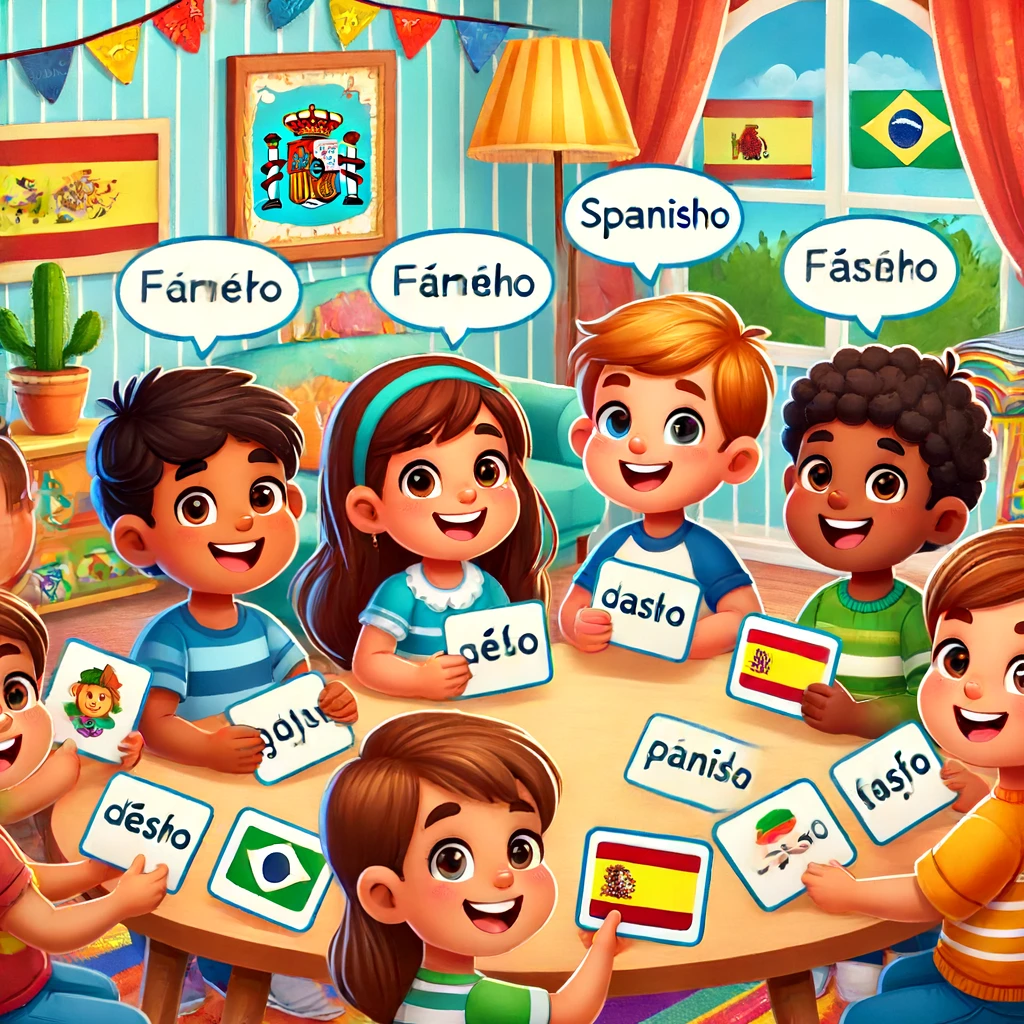
Once you’ve planned your flashcards, it’s time to start creating them. Begin by selecting a primary language for the front of the card and the corresponding answer in English on the back. This method ensures that you practice active translation, improving your bilingual skills.
For vocabulary flashcards, write a single word on the front and its definition, use in a sentence, and a corresponding image on the back. Visual aids are particularly beneficial as they create mental associations, which aid in memory retention.
Grammar flashcards might include a rule on the front and an example sentence demonstrating the rule on the back. For instance, the front of the card might say “Present Perfect Tense,” and the back could provide an example sentence like “I have finished my homework.”
You can also create flashcards for commonly used phrases and expressions. The front might feature a common phrase, and the back could explain its usage and provide context. This approach is particularly useful for mastering conversational English, where idiomatic expressions are frequently used.
Ensure that your handwritten cards are legible and neatly organized. For digital flashcards, take advantage of features like multimedia integration by adding audio pronunciations or video clips that provide context. The addition of sensory elements enhances the learning experience and aids in better retention.
Utilizing Flashcards Effectively
Creating flashcards is only the beginning; their effective utilization is critical for achieving your learning goals. The application of the active recall and spaced repetition techniques is essential in this regard.
Regular review sessions are crucial. Dedicate a specific time each day or week to go through your flashcards. This routine helps in building discipline and consistency. Quick and frequent sessions, even as brief as five minutes, can be highly effective in retaining information over the long term.
Engage in active recall by reviewing the front side of a flashcard and attempting to remember the information on the back before flipping it. This practice strengthens your memory and enhances cognitive functions. You can also use the flashcards with a study partner or in a group, adding a layer of interaction and deeper understanding.
Create a spaced repetition system by sorting your flashcards into different piles based on your confidence levels. Frequently review the cards in the “difficult” pile and gradually increase the intervals for reviewing the “easy” pile. Tools like Anki automate this process, providing reminders and organizing your study schedule.
Integrate your flashcards with other learning resources. For example, while watching English-language videos or reading books, make note of unfamiliar words and phrases and add them to your flashcards. This practice ensures that your flashcards are continually updated with relevant and real-life language usage.
Personalizing Your Flashcards
Personalization can enhance the effectiveness of your ESL flashcards, making learning more engaging and relevant to your specific needs. Customize the content based on your interests, hobbies, or professional requirements. For instance, if you enjoy cooking, create flashcards with culinary vocabulary and phrases used in recipes.
Additionally, incorporating personal experiences into your flashcards can make learning more meaningful. For example, create flashcards with sentences or phrases you might use in daily conversations, travel situations, or work-related scenarios. This approach prepares you for real-world interactions and makes learning practical.
Experiment with different formats and styles for your flashcards. You can create story-based flashcards, where each card represents a sentence or paragraph in a short story. This method helps in understanding sentence structures, context, and narrative flow.
Engage your creativity by using different colors, fonts, and images in your flashcards. Visual elements and variations can make your study sessions more enjoyable and less monotonous. Moreover, different colors can help in categorizing and differentiating various topics or levels of difficulty.
Don’t hesitate to revise and update your flashcards periodically. As you progress in your language learning journey, certain flashcards may become too easy, while others may need additional information. Regular updates ensure that your flashcards remain challenging and relevant to your current learning needs.
Digital Tools and Resources
In the digital age, several online tools and resources can facilitate the creation and use of ESL flashcards. Platforms like Anki, Quizlet, and Brainscape offer user-friendly interfaces for creating, organizing, and reviewing flashcards. They also provide access to pre-made flashcard sets shared by other users, which can be a valuable resource.
These platforms often include features like spaced repetition algorithms, which automatically schedule reviews based on your performance. This automation allows you to focus on learning rather than managing your study schedule. Additionally, digital flashcards can be accessed on multiple devices, providing flexibility and convenience.
Beyond dedicated flashcard platforms, other digital tools can enhance your flashcard experience. For instance, Google Translate and online dictionaries can provide translations, definitions, and usage examples. Websites like YouTube and TED Talks offer videos that can be integrated into your flashcards for listening practice and contextual understanding.
Educational apps and games can also complement your flashcard study sessions. Apps like Duolingo, Memrise, and Rosetta Stone offer interactive and gamified language learning experiences that can reinforce the vocabulary and grammar covered in your flashcards.
Utilize social media and online communities to share and exchange flashcards. Platforms like Reddit, Facebook groups, and language learning forums often have communities of ESL learners and teachers who share resources, tips, and flashcard sets. Engaging with these communities can provide additional support, motivation, and diverse learning materials.
Conclusion
Flashcards remain a versatile and powerful tool in the arsenal of ESL learners. Their simplicity, portability, and flexibility make them suitable for learners of all levels and abilities. By understanding the basics, planning meticulously, and utilizing effective techniques, you can create flashcards that significantly enhance your language learning experience.
Remember to personalize your flashcards to align with your interests, needs, and goals. Leveraging digital tools and resources can further streamline the creation and review process, making learning convenient and engaging. Whether you choose traditional paper cards or modern digital ones, the principles of active recall and spaced repetition will remain the cornerstones of effective learning.
Consistent practice, regular updates, and integration with other learning materials will ensure that your flashcards remain relevant and challenging. As you progress in your ESL journey, your flashcards will evolve with you, serving as a valuable resource in achieving linguistic proficiency.
Ultimately, the key to success lies in making learning enjoyable and meaningful. By crafting well-structured, personalized, and regularly reviewed flashcards, you can master the English language and confidently navigate various real-world situations. So, start creating your ESL flashcards today and take your language skills to new heights.