Learning English can be an exciting adventure. One essential aspect of mastering the language is expanding your vocabulary, especially when it comes to describing physical appearances. Being able to describe how someone looks is a universal need, whether it’s in everyday conversation, writing, or advancing your storytelling skills. By exploring the words and phrases that detail appearances, non-native speakers can make their communication more vivid and precise. In this comprehensive article, we’ll delve into various vocabulary sets used to describe physical appearances, giving you the tools you need for clear and effective communication.
Physical appearance is one of the first things we notice about others. Thus, the vocabulary surrounding it is rich and varied. From hair color and style to height and build, English offers a plethora of descriptive terms. Whether it’s for identifying someone, making a fashion statement, or simply chatting about celebrities, knowing how to articulate appearances is incredibly useful. Consequently, expanding this aspect of your vocabulary can enhance your English proficiency, making interactions more engaging and nuanced.
Some might wonder why it’s important to focus on descriptive vocabulary for appearances specifically. The answer lies in how frequently it’s required across various contexts. In personal conversations, interviews, or even professional settings, being able to vividly describe people’s appearances can convey accuracy and empathy. It’s also a cornerstone in storytelling or journalism, where paint a picture with words isn’t just a nice-to-have but a necessity. Thus, this vocabulary is a critical component of your language toolkit.
In this guide, we’ll cover the basics and beyond, providing you with a comprehensive list of terms and phrases. Despite the complexity, once you get a grasp on these vocabulary fundamentals, you’ll find yourself describing features with ease and confidence. Let’s dive in!
Basic Vocabulary: Hair and Hair Styles
When it comes to describing physical appearances, hair is often one of the first features to mention. The variety in hair colors, textures, and styles makes it an interesting subject. Let’s start with some basic vocabulary related to hair:
- Color: Blond(e), brown, black, red, gray, white, brunette.
- Length: Short, medium-length, long.
- Texture: Straight, wavy, curly, coily.
- Style: Bun, ponytail, braid/plait, bob, buzz cut.
Examples of sentences using these descriptors include:
- She has long, curly brown hair.
- He sports a short, stylish buzz cut.
- Grandmother’s hair is now a beautiful shade of silver.
These descriptors not only help in identifying someone but also personalize your interactions. For instance, saying someone has “shoulder-length wavy red hair” provides a clearer image than simply stating they have “hair”.
Understanding these terms also opens up your ability to discuss fashion trends. For example, knowing what a “pixie cut” or “afro” entails allows you to engage more richly in such conversations. As you practice, this vocabulary will become second nature, empowering you to express complex ideas about appearances effortlessly.
Describing Facial Features
The face is the most expressive part of the body, with distinct features that contribute to one’s unique identity. Here’s a look at vocabulary commonly used to describe facial features:
- Shape: Round, oval, square, heart-shaped, long.
- Eyes: Blue, green, brown, hazel, almond-shaped, large, small.
- Nose: Straight, pointed, hooked, button nose.
- Mouth: Full lips, thin lips, wide smile.
With these terms, you can describe someone’s face in detail:
- She has a heart-shaped face with striking blue eyes.
- His square jaw and full lips give him a distinguished look.
- Her almond-shaped eyes seem to sparkle when she smiles.
This vocabulary is particularly useful in creative professions such as writing and visual arts, where detail can enhance storytelling and artistic depiction. Even in everyday scenarios, describing someone’s facial features accurately can be very handy, from eyewitness reports to friendly conversations about acquaintances.
Furthermore, this knowledge allows for greater empathy and respect in discussions surrounding diversity, promoting understanding and appreciation of the vast array of human appearances.
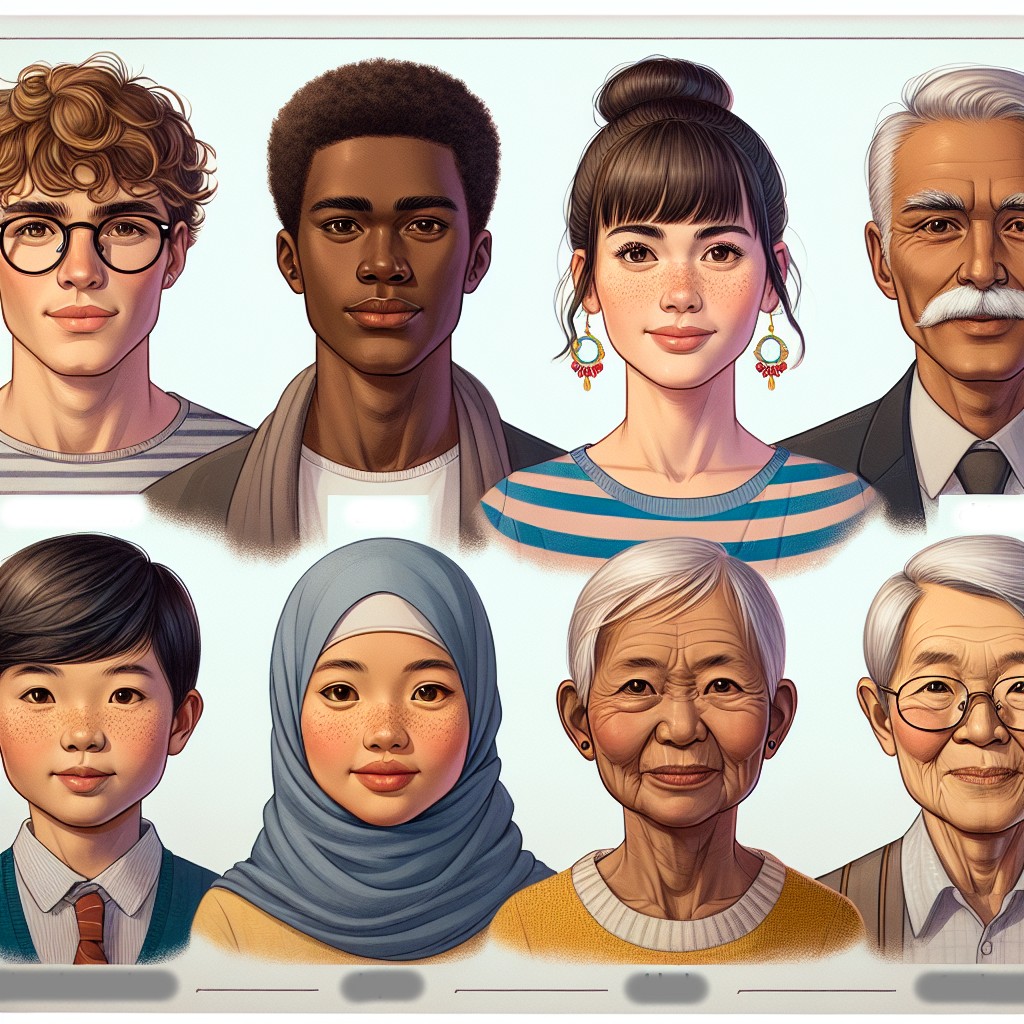
Height and Build
While hair and facial features provide detail, height and build offer an overall sense of physical presence. Here’s some vocabulary to describe a person’s height and build:
- Height: Tall, short, average height, towering.
- Build: Slim, thin, athletic, muscular, stocky, plump, petite.
Used in context, these descriptors paint a broad picture of an individual:
- She is tall and slim, exuding elegance with every step.
- His athletic build suggests that he is into sports.
- The petite woman navigated through the crowd effortlessly.
While describing someone’s height and build, it’s important to remain respectful and considerate. Language that appreciates different body types fosters a more inclusive and understanding community. In stories or biographies, these adjectives add essential context, allowing readers to visualize characters vividly.
Moreover, these vocabulary terms are invaluable in professional settings, particularly when providing descriptions in customer service or security scenarios where precise details about a person’s appearance might be needed.
Clothing and Style
Clothing and personal style offer intriguing layers to one’s appearance, revealing personality and preferences. Here are some terms that can be used to talk about clothing and style:
- Style: Casual, formal, chic, bohemian, classic, edgy.
- Fit or Type: Loose, tight, baggy, tailored, A-line, empire waist.
- Accessories: Glasses, hats, jewelry, scarves.
These words facilitate rich descriptions of attire:
- He prefers a casual style, often in jeans and a comfortable t-shirt.
- Her chic look is accentuated with elegant jewelry.
- The tailored suit gave him a sharp, professional appearance.
Fashion and style vocabulary provide insight into cultural and personal identities, prompting meaningful conversations. Recognizing how clothing and style impact perception can be influential in various contexts, from networking events to social gatherings.
By incorporating style into appearance descriptions, you not only enhance your vocabulary but also acknowledge the dynamic interplay between one’s physical appearance and self-expression.
Skin and Complexion
Discussing skin type and complexion also plays a key role in detailing appearances. Here’s some terminology often used to describe skin:
- Complexion: Fair, tan, olive, brown, dark, rosy.
- Skin Type: Oily, dry, normal, combination, sensitive.
Examples of using these terms include:
- Her fair complexion is complemented by her dark hair.
- He has a tan skin tone that accentuates his brown eyes.
- Her rosy cheeks glow naturally, revealing a lively disposition.
Such vocabulary not only aids in a richer portrayal of individuals but also fosters awareness and appreciation of global diversity. Using respectful and accurate terms supporting inclusivity is vital in cross-cultural interactions.
Additionally, grasping this aspect of vocabulary can assist in industries like healthcare and beauty, where detailed descriptions can enhance service quality and client satisfaction.
Conclusion: Enhancing Descriptive Skills
In conclusion, mastering the vocabulary for describing physical appearances is an essential part of becoming proficient in English. This knowledge not only improves your speaking and writing skills but also enriches your understanding and appreciation of cultural and personal diversity. Through detailed vocabulary, you can create more engaging narratives, improve your observational skills, and foster deeper connections with others.
Whether talking about hair styles, facial features, height and build, clothing and style, or skin and complexion, having the right words at your disposal makes communication more effective and interesting. It enables you to precisely express yourself and understand others better, a vital skill not just for learning English, but for thriving in a globalized world.
With continued practice and application, these vocabulary terms will become second nature. Engaging with content like books, movies, and conversations in English can further reinforce this learning. Reflect on the descriptors you encounter and incorporate them into your daily use, and you’ll find yourself equipped with a rich vocabulary ready to describe the diverse appearances that make our world so fascinating.