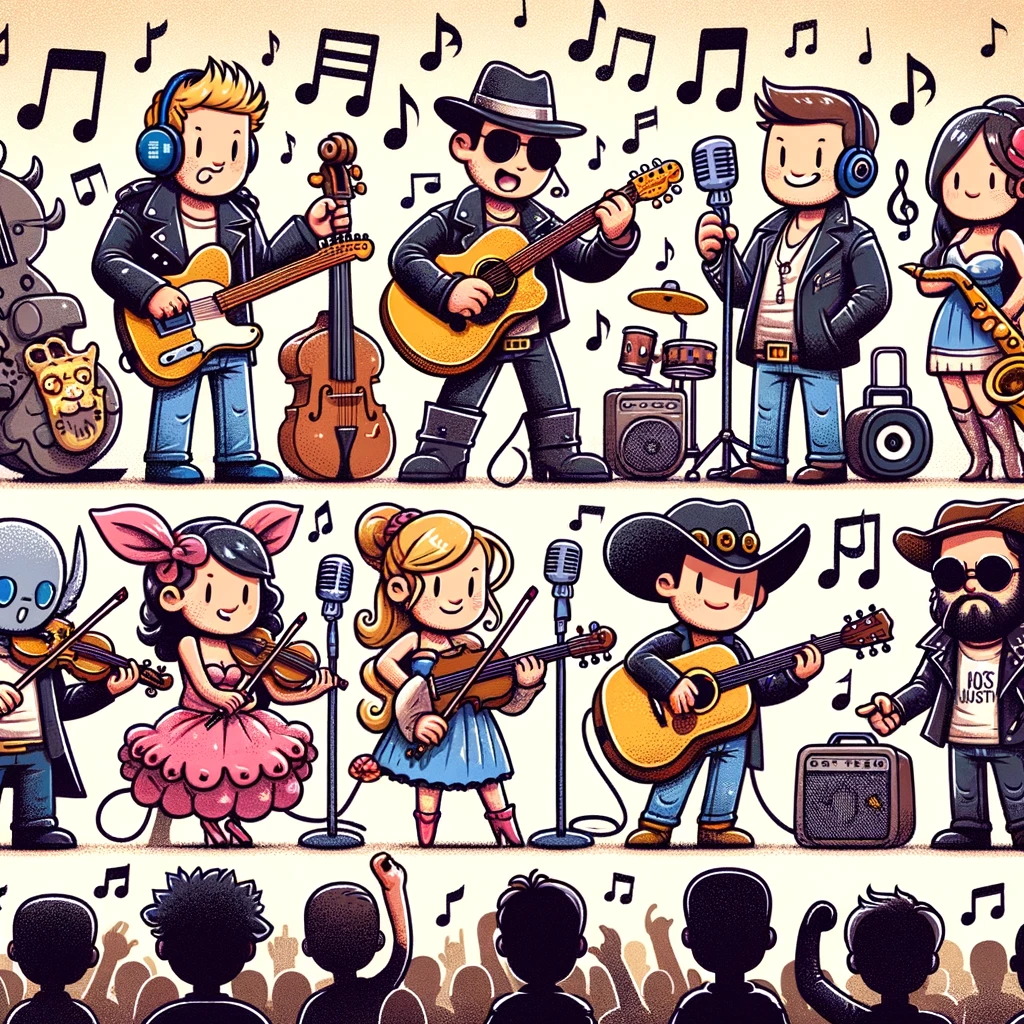
Music is a universal language, capable of transcending borders and cultures. Yet, English holds a unique position in the global music industry, shaping how songs are written, performed, and consumed worldwide. This article explores the multifaceted role of English in music, from its influence on artist expression to its impact on global audiences and the music business.
English in Music Creation
The prevalence of English in music creation is undeniable. Many songwriters and musicians choose English to reach a wider audience. This choice is not merely strategic but also artistic. English often offers a range of expressive nuances, idiomatic phrases, and rhyming possibilities that are appealing in lyrical composition. This adaptability makes English an attractive option for artists seeking to convey complex emotions and ideas.
Moreover, the influence of major English-speaking music markets like the United States and the United Kingdom cannot be overstated. These countries have historically been the launching pads for numerous music styles—rock, jazz, hip-hop, and pop, to name a few. As these genres gained global popularity, so did the English language, embedded within their lyrics and rhythms.
English in Music Education
English’s dominance in popular music also extends to music education. In non-English speaking countries, students studying music, particularly Western music genres, often find that a significant portion of their materials and resources are in English. From textbooks on music theory to biographies of iconic English-speaking musicians, the resources available are predominantly English-based. This necessitates a certain level of proficiency in English to fully access the wealth of knowledge and cultural context these materials offer.
Additionally, English proficiency enables students to attend master classes, workshops, and music camps often conducted in English, especially in Europe and North America. These programs provide invaluable experiences, offering insights into the nuances of musical styles that originated in English-speaking countries.
English in the Business of Music
The global music market is overwhelmingly anglophone. Major music labels, streaming services, and industry conferences operate primarily in English. For artists and professionals looking to make a mark in this industry, English is not just a tool for communication—it’s an essential asset for networking, negotiating contracts, and marketing music internationally.
The digital age has intensified this trend. Social media platforms, predominantly English-speaking, are now crucial for promotion and fan engagement. Artists share their music, announce tours, and interact with fans globally, often using English to reach the largest possible audience. This digital landscape makes English an indispensable part of the music business.
English and Global Music Consumption
The consumption of music has been profoundly influenced by English. English-language songs frequently top international charts, and major streaming platforms feature predominantly English playlists. This global exposure not only popularizes English songs but also shapes listening habits and trends worldwide.
Furthermore, English music often serves as a gateway for non-English speakers to learn the language. Many people, especially young listeners, improve their English skills by listening to music. They learn new vocabulary, phrases, and pronunciation through the lyrics of their favorite songs. This educational aspect of music consumption demonstrates the reciprocal relationship between language learning and entertainment.
English’s role in the world of music is comprehensive, influencing artistic creation, education, business, and consumption. As the language of most internationally popular music, English bridges diverse cultures and fosters a global dialogue within the music industry. For ESL learners, engaging with English through music can be a joyful and enriching way to enhance language skills, offering a deeper connection to the melodies and messages that resonate across the globe.

English and Artist Collaboration
One of the unique ways English facilitates global music dynamics is through artist collaborations. Collaborations between English-speaking and non-English-speaking artists often result in a blend of languages, styles, and cultural expressions, creating new and innovative sounds. These partnerships not only broaden the appeal of the music but also help artists tap into diverse markets. English acts as the common ground where these artists meet, negotiate ideas, and create something universally appealing.
For instance, the rise of K-pop on the global stage showcases significant collaborations where English is used to bridge the gap between Korean artists and their international counterparts. This linguistic bridge makes it easier for artists from different backgrounds to collaborate on songwriting and production, making music that is accessible and enjoyable to a broader audience.
English in Music Marketing and Media
English’s dominance extends into the realms of music marketing and media. Major music awards shows, like the Grammy Awards, and global music festivals, like Coachella, predominantly use English. This use of English not only facilitates international viewership but also ensures that media coverage is broad and inclusive.
Moreover, music reviews, interviews, and promotional content are often published in English. This widespread use of English in music journalism means that the latest trends, breakthroughs, and news in the music industry are more accessible to a global audience. For artists, engaging with media in English can significantly amplify their reach and influence, helping them to connect with fans across different continents.
The Influence of English on Music Genres
English has also played a pivotal role in the evolution of various music genres. For example, genres such as hip-hop and rock have deep roots in English-speaking cultures. These genres carry not just the language but also the socio-cultural narratives of their places of origin. As these genres travel across the world, they bring with them a slice of English language and culture, influencing local music scenes and encouraging a fusion of styles.
This influence is visible in countries where local artists blend English with their native languages in their music. This not only enriches their music but also makes it intriguing and accessible to a global audience. It allows listeners from different linguistic backgrounds to experience a blend of cultural and musical expressions.
English and Music Technology
In the sphere of music technology, English maintains its prominence. Software interfaces, instructional manuals, and technical support for music production tools are predominantly in English. This uniformity helps standardize music production across different countries, enabling producers and musicians to work with the same tools and achieve high-quality production standards globally.
Moreover, online music production forums, tutorials, and courses are often available in English, making it essential for non-native speakers to understand and engage with these resources effectively. This accessibility allows for a more inclusive community of musicians and producers who can share techniques, advice, and experiences across linguistic boundaries.
Conclusion
The role of English in the world of music is vast and varied. From creating and educating to marketing and consuming, English serves as a critical link that connects diverse musical expressions to a global audience. For ESL learners and music enthusiasts alike, understanding and engaging with English can unlock a treasure trove of musical experiences and opportunities. As the global music landscape continues to evolve, the importance of English in shaping its direction remains undeniable, acting as both a cultural bridge and a powerful tool for artistic expression.