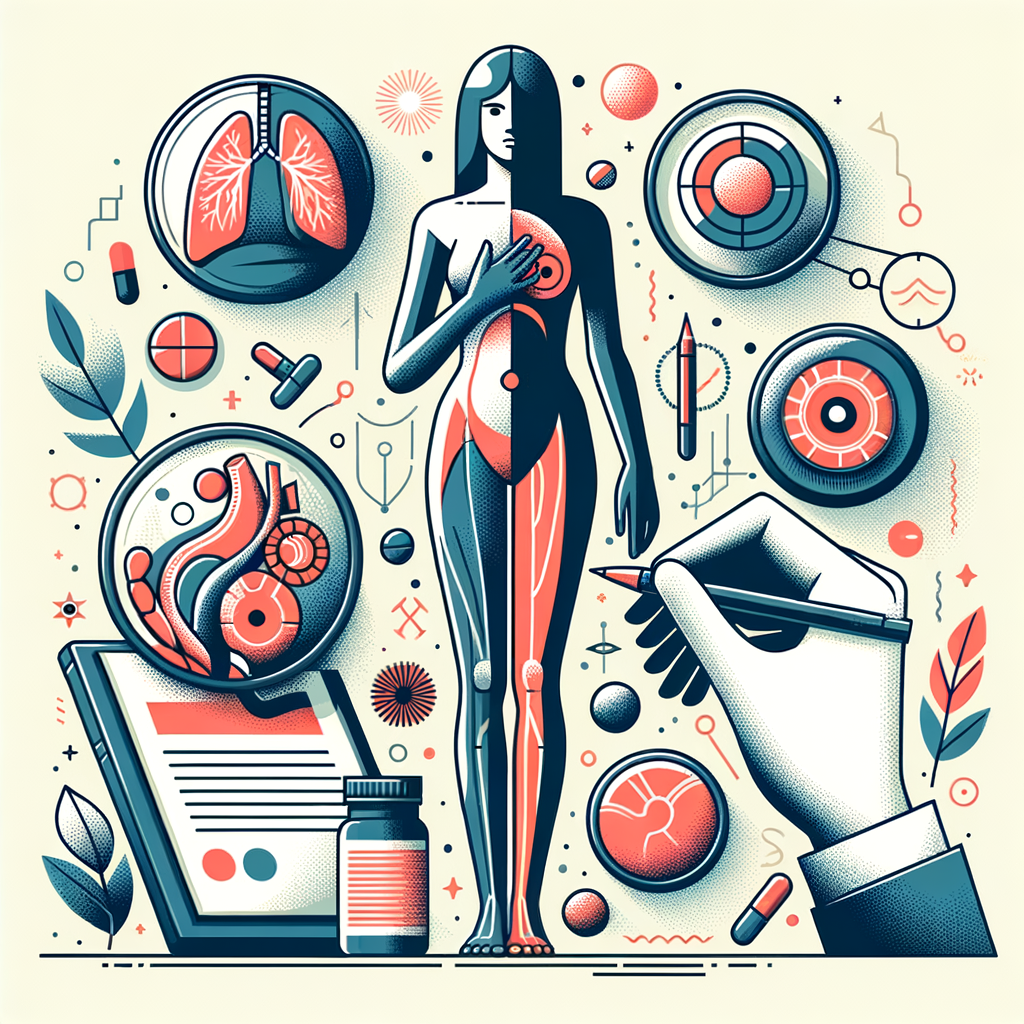
Language is a powerful tool that shapes our understanding of the world and ourselves. When it comes to discussing the human body, English offers a vast and colorful array of vocabulary. The English language provides us with an extensive arsenal of words to describe the complexities and intricacies of our physical form and its many functions. This exploration of body-related vocabulary uncovers not only the nuances of language but also offers insights into the cultural, scientific, and emotional contexts that these words have earned over time. By delving into this topic, we aim to appreciate the depth of human anatomy and how language captures its marvels. This exploration will enhance our understanding of how we communicate about our bodies, improve our lexicon, and reveal a deeper appreciation for the intricate workings of our physical selves. Let’s embark on a journey through the language of the human body in English, breaking it down into various sections to understand the anatomy, functions, feelings, and descriptions that these words convey.
Anatomical Terms: The Building Blocks
The study of anatomical terms in English starts with the very building blocks of our body. Words like “cell,” “tissue,” “organ,” and “system” form the foundation. Cells are considered the basic unit of life, integrating to compose tissues, which in turn form organs. These organs are systematically arranged to create organ systems such as the circulatory, respiratory, and digestive systems. Understanding these terms grants a deeper comprehension of how our bodies function cohesively and efficiently.
Most anatomical words are derived from Latin or Greek, influencing modern English medical terminology. The brain, for instance, stems from Latin “cerebrum,” and “osteon,” the Greek word for bone, finds its way into our language through terms like “osteoporosis.” Terms like “cardiac” (pertaining to the heart) and “neural” (pertaining to the nerves) reflect the importance of roots in descriptive accuracy, offering precise ways to discuss health, medicine, and biology.
Descriptive Language for Body Features
Furthermore, there exists a plethora of descriptive words within the English lexicon showcasing various body features. Adjectives such as “muscular,” “lean,” “sturdy,” and “fragile” serve to create vivid imagery about physiques. These descriptors assist in expressing aesthetics or health-related observations. They enable us to convey perceptions or highlight specific characteristics, allowing for detailed discussions about one’s physical appearance or condition.
On a more minute level, words such as “freckled,” “wrinkled,” or “blemished” often describe the skin, serving as indicators of age, exposure, or damage. Hair, too, finds its descriptors in terms such as “curly,” “straight,” and “balding,” each word creating its own visual or tactile image. Places where these terms cross over into cultural or societal interpretations highlight how body-related language is heavily laden with subjective value and perception.
Functional Vocabulary
The vocabulary associated with bodily functions is vast and varied. Words like “respiration,” “digestion,” “circulation,” and “excretion” are fundamental to understanding how our bodies maintain life through various systems operating in harmony. For instance, the heart’s “pumping” action and lungs’ “breathing,” while simple terms, are crucial in recognizing the body’s ongoing processes to facilitate survival.
Words that are often scientific in nature describe these processes, such as “metabolism” for all chemical reactions occurring within our bodies, enabling growth, reproduction, and maintaining homeostasis. “Synergy” encapsulates how different organs work in tandem, portraying the complex choreography our bodies perform daily.
Moreover, terms like “sensation” or “reaction” dissect our interaction with the external environment, words that signify our sensory and cognitive abilities. English incorporates words that describe natural instincts and reflexes, from “hunger” and “thirst” to “sleep” and “fatigue.” These words open windows into understanding the body’s innate drives and rhythms.
Emotion-laden Body Language
Interestingly, the language of the human body extends beyond the anatomical and functional. It captures emotion, a realm where body-related words acquire metaphorical or figurative meanings. Phrases such as “a heavy heart,” “gut feeling,” and “cold feet” use body parts to illustrate emotional states, further enriching the language.
Emotions vividly interact with our physiology. Language captures this relationship through words like “stress,” “relief,” “anger,” and “calmness,” terms that directly impact or describe physical sensations or reactions. How we interpret these interactions manifests richly through phrases that speak to experiences like “butterflies in the stomach” or being “touched to the core.”
English often links body language with behavior, using terms like “body language” itself, or phrases like being “all ears” to indicate active listening or “turning a blind eye” to ignore something. Such idiomatic expressions demonstrate how language morphs to capture the human condition beyond the literal, in life’s various dimensions and intricacies.
Medical and Health-Related Terminology
Medical terminology in English reflects another significant aspect of body-related vocabulary. Precision becomes paramount in discussing medical conditions, procedures, or anatomy. Symptoms such as “fever,” “nausea,” “inflammation,” and “infection” must be accurately described to aid diagnosis and treatment. Educational or public awareness resources employ this jargon extensively to communicate health information effectively.
Words like “diagnosis,” “prognosis,” and “therapy” hold specific significance within healthcare, each comprehensively explaining processes in patient care. These terms simplify complex medical concepts, enabling effective communication between medical professionals and patients. Knowing these words empowers individuals to take an active role in understanding and participating in their health decisions.
Sociocultural Influences on Body Language
The words we use for the human body reflect deep sociodemographic influences. Cultural perceptions and societal expectations frame descriptions of body image, health, and wellness. Terms like “trim,” “slender,” “curvy,” or “athletic” often imply societal judgments regarding beauty or health standards, potentially impacting self-esteem and identity.
Moreover, discussions about the body in contexts like race, gender, and aging showcase language as a marker of diversity and inclusivity. Words can affirm or discredit, demonstrating language’s potency in perpetuating stereotypes or advocating for body positivity. This cultural dialogue shapes, and in turn is shaped by, the language we use to describe, interpret, and navigate our relationships with our bodies and each other.
Conclusion
Understanding the lexicon related to the human body in English is a reflection not just of biology but of emotion, culture, and society. By exploring anatomical terms, descriptive vocabulary of physical attributes, words describing bodily functions, emotional expressions, and medical language, we unravel the rich tapestry that these words weave, offering insights into human experience and communication. Language is not static; it evolves with our perceptions and knowledge of ourselves. As we advance in medical sciences and cultural awareness, our vocabulary continues to adapt, bringing forth new ways to express our connection with our physical form. Embracing this diverse linguistic collection allows for a more profound appreciation and understanding of the human body, in all its dimensions. Whether engaging in a dialogue about health, describing physical attributes, or expressing feelings, the words we choose poignantly shape the narrative of the body, illustrating its remarkable nature and complexity.
Frequently Asked Questions
1. Why is it important to explore vocabulary related to the human body in English?
Exploring vocabulary related to the human body in English is crucial for several reasons. First, it enhances our communication skills, allowing us to describe experiences, sensations, and medical conditions accurately and effectively. Language shapes our understanding of the world, and having a rich vocabulary helps us articulate thoughts that are often complex and nuanced. Additionally, learning body-related vocabulary can deepen our appreciation of different cultures, as it often reflects cultural perceptions of the human form and its functions. Finally, this knowledge aids in educational contexts, health-related discussions, and even personal introspection as we navigate our physical selves and well-being.
2. What are some common body-related terms in English, and what do they mean?
The English language is replete with terms that relate to various parts and functions of the human body. For example, ‘cardiac’ pertains to the heart, derived from the Greek word ‘kardia’. ‘Pulmonary’ refers to the lungs, originating from the Latin ‘pulmonarius’. Other terms include ‘dermatology’ for the study of the skin, with roots in the Greek word ‘derma’ meaning skin, and ‘musculoskeletal’, a term that combines ‘muscle’ and ‘skeletal’ to describe a system of bodily components that include bones, muscles, and connective tissue. These words are pieces of a larger linguistic tapestry, each contributing to a detailed and comprehensive understanding of human anatomy and physiology.
3. How does body-related vocabulary in English reflect cultural beliefs and practices?
Body-related vocabulary in English often mirrors the cultural beliefs and practices of different societies. For instance, words like ‘chakra’ and ‘aura’, although not originally English, have been adopted into the language to express concepts from spiritual traditions and cultural practices focusing on energy fields and bodily centers. Similarly, terms like ‘yang’ and ‘yin’, which originate from Chinese philosophy, relate to the balance of forces within the body and have been integrated to highlight holistic health approaches. By examining these words, we gain insight into how different cultures perceive and interact with the body, transcending mere biological description and touching on spiritual, emotional, and philosophical dimensions.
4. What role does the historical evolution of language play in body-related vocabulary?
The historical evolution of language plays a significant role in shaping the vocabulary related to the human body. Over centuries, influences from Latin, Greek, and other ancient languages have enriched English with medical and anatomical terms. For instance, words like ‘neurology’ and ‘ophthalmology’ have Greek origins and reflect historical advancements in the scientific understanding of the nervous system and eyes, respectively. These borrowed terms often carry a sense of precision that earlier English words lacked. Furthermore, historical events, such as the Renaissance and the Enlightenment, spurred an explosion of scientific discovery that necessitated new words, further expanding our linguistic capability around body-related topics.
5. Can learning body-related vocabulary enhance emotional intelligence and empathy?
Absolutely, learning body-related vocabulary can significantly enhance our emotional intelligence and empathy. Understanding the language that describes physical experiences enables us to better interpret and respond to others’ expressions of pain, joy, or discomfort. When we can articulate what is happening in someone’s body or in our own, we become more adept at empathizing with their condition and emotions. For example, knowing the difference between ‘acute’ and ‘chronic’ pain can help us engage more thoughtfully in conversations about illness or injury. Additionally, being versed in this vocabulary can facilitate compassionate communication in medical, therapeutic, or caregiving contexts, fostering a deeper connection with those around us.