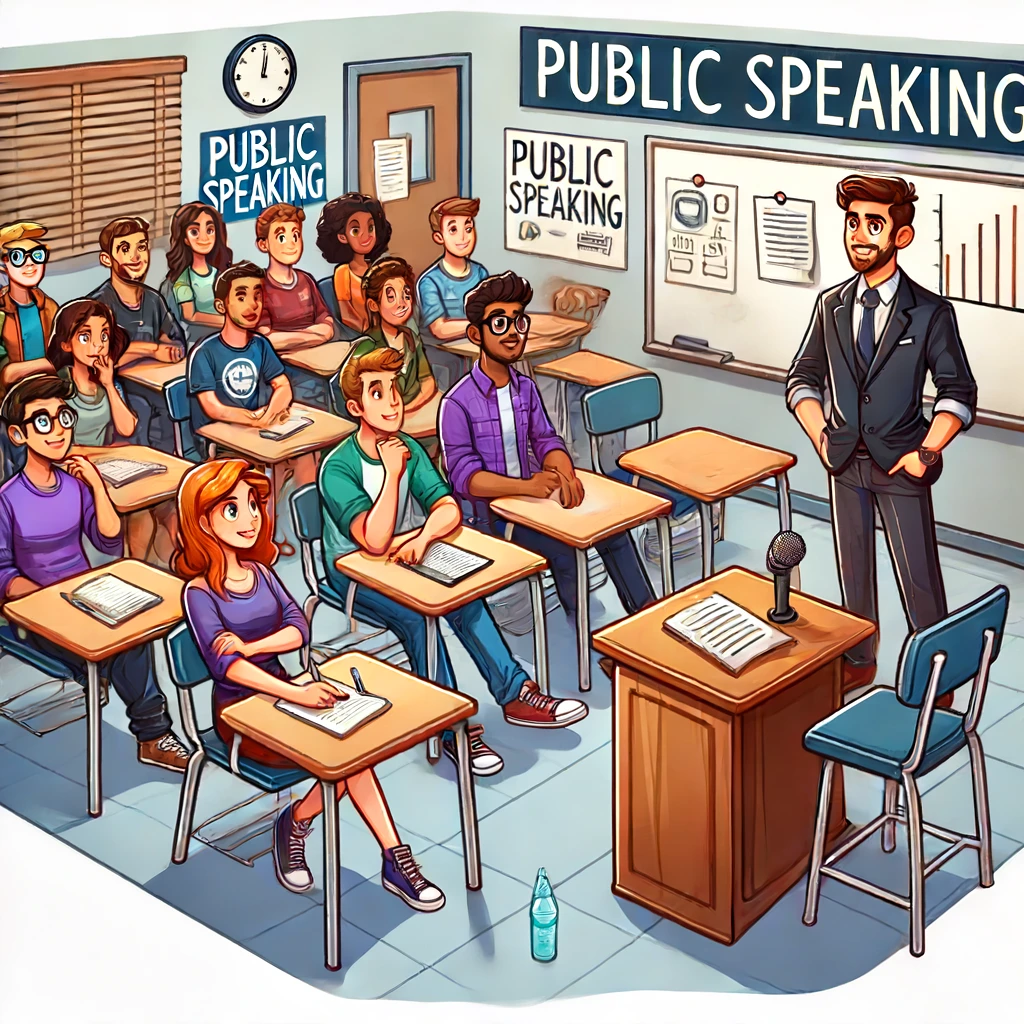
Learning a new language is a multifaceted journey, one that may seem daunting yet rewarding. For English language learners, the process goes beyond memorizing vocabulary and grammar rules; it involves developing the skill to express thoughts, ideas, and opinions fluently. One highly effective method for accelerating this fluency is by incorporating current events into your practice.
Current events refer to significant happenings, developments, and occurrences in the world at large. They can range from political, social, economic, and environmental issues to sports, entertainment, and technological advancements. Integrating current events into language learning not only enhances your vocabulary with relevant terms but also fosters better understanding, cultural awareness, and critical thinking. Considering how language and communication are inherently social practices, staying informed about what’s happening globally can help bridge the gap between language learning and real-world application.
Incorporating current events in English practice is important because it keeps learners engaged and motivated. It expands their worldviews while simultaneously bolstering language proficiency. For example, discussing climate change news requires the learner to employ specific scientific vocabulary, formulate complex sentences, and articulate coherent arguments. These exercises contribute significantly to mastering the language by actively involving different modalities of learning.
Why Current Events are Ideal for Language Practice
Incorporating current events into language practice is particularly ideal for several reasons. Firstly, the inherently dynamic and ever-changing nature of news provides a continuous source of fresh material. Unlike static textbook content, news topics evolve with time, introducing learners to new vocabularies, phrases, and sentence structures.
Consider the ongoing development in global politics. Understanding and discussing international relations can expose learners to diplomatic vocabularies, tone, and context. For example, language learners can practice terms such as “sanctions,” “diplomacy,” “bilateral talks,” or “trade agreements” as they read and discuss articles about geopolitical events.
The real-world application of language through current events also hones critical thinking skills. Learners not only practice English but also develop the ability to analyze and present arguments. For example, presenting the pros and cons of a particular government policy facilitates learning sentence connectors and linking words critical for fluency in English.
Steps to Embed Current Events into English Practice
Navigating the process of embedding current events into your English language practice can initially seem challenging. However, following strategic steps can simplify the process, ensuring that it remains engaging and educational.
- Identify Reliable News Sources:
First, start by identifying reliable news sources that provide diverse and well-rounded perspectives. Some trusted options include the BBC, The New York Times, Al Jazeera, and The Guardian. Subscribing to podcasts or newsletters from these outlets can keep you updated on daily events and give you authentic content from which to practice.
- Select Focus Areas:
Next, select focus areas based on your interests. This could range from technology to sports. Picking topics you find engaging increases the likelihood of sustained practice and enriched learning. When learners are interested in a topic, they are more likely to dedicate the time and effort needed to thoroughly understand it and discuss it fluently.
- Construct Discussions Around Topics:
After selecting topics, organize discussions around them. Join language exchange communities or find a practice partner willing to discuss these topics. Structuring the conversation and preparing questions beforehand ensures a comprehensive understanding of the subject matter, while also guiding the flow of dialogue.
Utilizing Technology and Multimedia
The integration of technology and multimedia resources offers unlimited access to content, making language learning more accessible and adaptive to individual needs.
Platforms like YouTube or TED Talks allow learners to watch interviews, speeches, and news reports from fluent English speakers. Observing and mimicking their delivery, pronunciation, and use of vocabulary can be particularly advantageous. For example, listening to a TED Talk about sustainability can equip learners with terminology and phrases relevant to environmental issues.
Podcasts are also valuable resources. These audio files can be easily accessible from various devices, providing a convenient way to incorporate learning into daily life, such as while commuting or exercising. Moreover, podcasts cover a wide range of current affairs, making them ideal for building both listening skills and vocabulary.
Furthermore, online language tools can be utilized to reinforce learning. Applications like Quizlet assist learners in remembering new vocabulary through flashcards and engaging quizzes based on current event topics. Meanwhile, language apps like Duolingo or Babbel incorporate news snippets into their lessons, offering practical language exercises within existing curriculum structures.
Engaging in Interactive Practice
Beyond passive learning methods, interactive engagement with real-world content can substantially elevate language practice. Debates, role play, and presentations based on current events offer vivid and stimulating experiences.
For instance, participating in a mock debate about the impact of social media on society encourages the development of public speaking skills. This exercise requires participants to research arguments, articulate them decisively, and counter opposing views, mimicking real-life scenarios.
Similarly, simulating a newsroom environment could entail role play where learners assume the roles of reporters, editors, and commentators discussing recent headlines. This simulation could culminate in a presentation segment where each participant presents their report in a coherent, persuasive manner.
Maintaining Cultural Sensitivity and Awareness
Cultural understanding is vital when incorporating current events in language practice. Engaging thoughtfully with news required us to consider cultural contexts and diverse perspectives.
Acknowledging the cultural nuances of different regions helps avoid misunderstandings and promote respectful communication. For example, discussing health policies in a multinational gathering calls for awareness of cultural differences in healthcare systems and values.
Embracing this aspect of learning enriches both language ability and cultural intelligence. The ability to navigate complex scenarios and appreciate different viewpoints is invaluable and enhances the learner’s global perspective.
| Activity | Benefit | Example Topic |
|---|---|---|
| News Debate | Enhances critical thinking and fluency | Social media impact |
| Podcast Listening | Improves listening skills and vocabulary | Climate change |
| Role Play | Boosts articulation and public speaking | International politics |
Evaluating Progress and Adapting Strategies
Regular evaluation of progress is crucial to ensure that the integration of current events into language practice is effective. Reviewing and adapting strategies prevents learners from becoming stagnant and aids in overcoming challenges.
Setting measurable learning goals, such as increasing vocabulary by a certain percentage or achieving conversational fluency in a topic within a specified period, can guide the evaluation process. Self-assessment tools, regular quizzes, and feedback from language partners contribute to understanding strengths and gaps.
If progress is slower than expected, don’t hesitate to adapt strategies. For example, if complex newspaper articles seem overwhelming, try simplifying content using news aimed at children or beginner learners, then gradually progress to more advanced material.
Flexibility ensures that learners remain motivated, engaged, and effective in their language acquisition journey.
Enhancing Learning Through Reflection
The practice of reflecting on language learning experiences offers insights into personal growth and development. Journaling, in particular, serves as a productive method for learners to articulate their insights, thoughts, and emotions surrounding current events.
Reflective entries could include evaluations of weekly news discussions, challenges faced, breakthroughs achieved, or new vocabulary learned. This exercise consolidates learning, encourages deeper contemplation, and solidifies a connection with the language.
Incorporating current events into language practice is not an instantaneous process. Learners should view setbacks as learning opportunities and persistently strive for progress rather than perfection.
Conclusion
In conclusion, incorporating current events into English speaking practice provides a dynamic and resourceful strategy for language learning. By staying informed about global affairs, learners unlock a myriad of benefits including enhanced vocabulary, improved fluency, cultural awareness, and critical thinking. Engaging with multimedia resources, participating in interactive activities, and adapting strategies further support this enriched learning experience.
The journey may involve challenges, but it also presents opportunities for exhilarating discoveries and self-improvement. Begin by subscribing to trusted news sources, actively seeking practice discussions, and embracing a curious, open mindset.
When you incorporate current events into your practice, you’re not just learning a language; you’re learning how to understand the world better and communicate effectively within it. Take a step further today, and watch as your language skills expand in scope and depth.
Frequently Asked Questions
1. Why should I use current events to improve my English speaking skills?
Incorporating current events into your English speaking practice is beneficial for several reasons. First, it makes learning more interesting and relevant. When you’re discussing something happening in the real world, you’re more engaged and motivated to participate in conversations. Second, current events expose you to a wide array of vocabulary and language structures you might not encounter in traditional textbooks, helping you to expand your language toolkit. Furthermore, discussing these events encourages critical thinking and the development of well-formed opinions, which are crucial for having fluent and meaningful conversations. Lastly, engaging with current events requires you to listen to or read various sources, thereby improving your comprehension and vocabulary acquisition. All these factors combined make current events an excellent tool for boosting your English speaking skills.
2. How can I find reliable sources for current events to use in my English practice?
Finding trustworthy sources is crucial for getting accurate information and improving your language skills effectively. Start with established international news outlets like the BBC, CNN, or The New York Times, which often offer English language learning sections. These platforms provide well-researched information and diverse viewpoints on global events. Additionally, free online resources like podcasts, YouTube channels, and educational websites focused on English learners can be invaluable. Look for platforms that cater to English learners, as they often feature slow-paced speech and transcripts. Remember to also check out news articles and videos on specific topics you are interested in – having a passion for the subject matter will keep you motivated and engaged.
3. What are some strategies for using current events in conversation practice?
There are several ways to effectively incorporate current events into your conversation practice. First, prepare by selecting a topic that interests you and gather some background information. This will give you a solid foundation and confidence when discussing the topic. Next, find a language partner or join a conversation group where you can discuss these events. Share your thoughts, listen to others, and ask questions to deepen your understanding. You can also practice summarizing news articles or reports and then explaining them to someone else – this enhances your ability to convey complex information clearly. Analyzing the events critically and considering various perspectives will help you develop arguments and articulate them fluently. Lastly, record yourself speaking about a current event and listen to it to identify areas for improvement, such as pronunciation or grammar.
4. How can discussing current events help me understand different cultures and perspectives?
Current events are not just about the facts; they are a window into the worldviews, values, and traditions of different cultures. By engaging with news stories from various countries, you gain insights into what matters to people from those regions. Discussions around these topics often reveal cultural nuances and social dynamics that you wouldn’t learn from textbooks. This exposure broadens your understanding and helps you become more empathetic and open-minded. Taking part in discussions about current events with people from diverse backgrounds also allows you to learn how different cultures approach and solve problems. As a result, you become more adept at communicating across cultural lines, an invaluable skill in our interconnected world.
5. How can I keep conversations engaging and promote language development when discussing current events?
To keep conversations engaging, choose topics that are not only current but also of mutual interest to both you and your conversation partner. This ensures that both parties are invested in the discussion, which naturally leads to more dynamic interactions. Encourage open-ended questions that require more than a yes or no answer, as these prompt elaboration and deeper exploration of ideas. Additionally, incorporate multimedia resources like videos or audio clips related to the event to provide a richer context and varying viewpoints. Role-playing can also be a fun and effective way to explore different perspectives and practice language skills in a playful yet educational manner. Finally, always aim for a balanced exchange of ideas – listen actively, give thoughtful responses, and respect differing opinions to foster a positive and productive language learning environment.