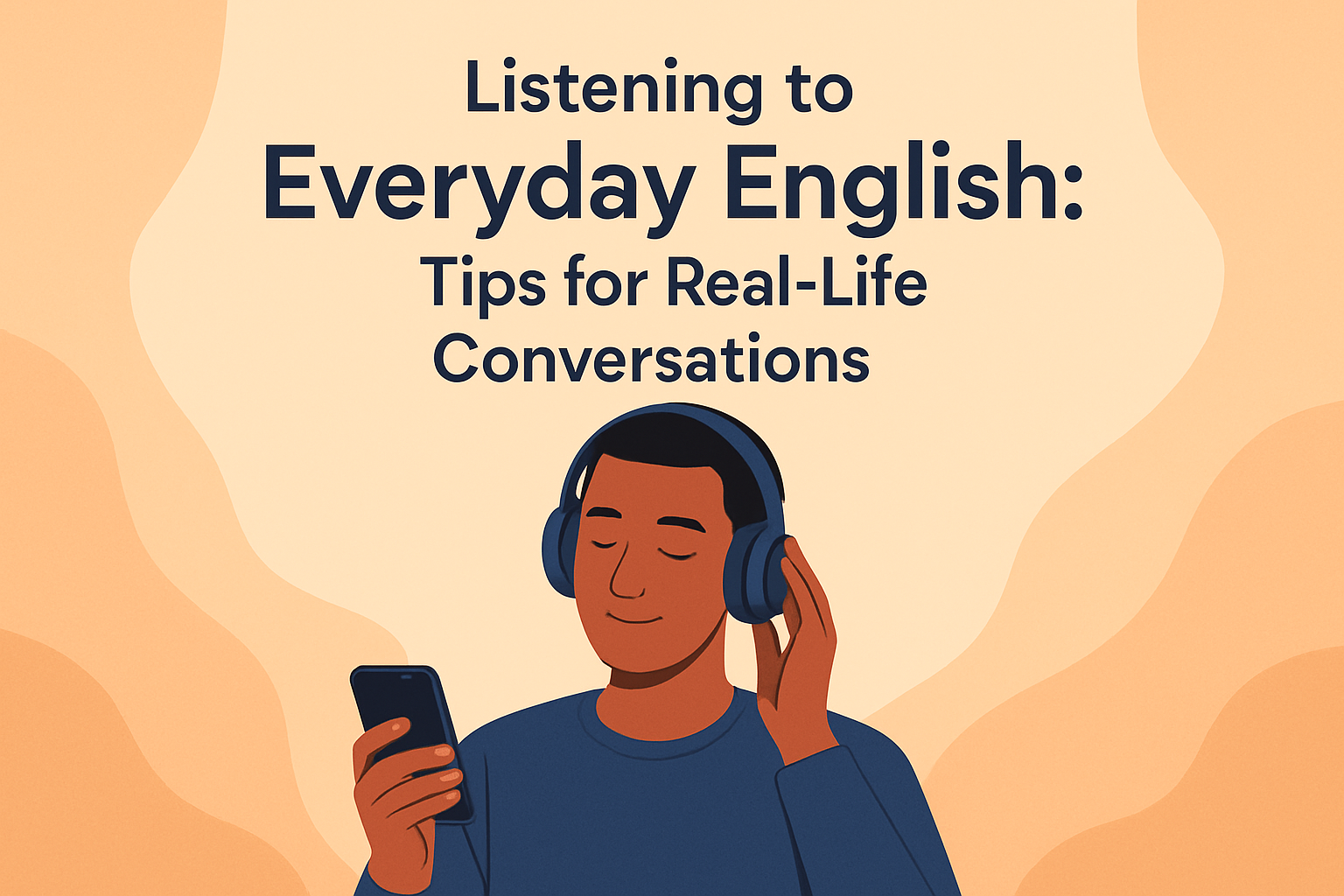
In today’s fast-paced world, time is one of our most precious resources. For many of us, the daily commute takes up a significant portion of our day, often seen as wasted time sitting in traffic or packed in public transportation. However, what if you could transform your commute into a productive, enriching experience? By incorporating listening practice into your daily routine, you can develop new skills, enhance your knowledge, and make your journey enjoyable. Whether you’re learning a new language, keeping up with global news, or sinking into a captivating podcast, integrating listening practice into your commute can be highly beneficial. This article will delve into various strategies, real-world examples, and actionable tips to help you make the most of your travel time.
Listening practice refers to the intentional act of engaging with audio content to learn, improve, or entertain. Key terms include “active listening,” which involves focusing on the material to understand and retain information, and “passive listening,” where the audio plays in the background while your attention might be on other tasks. Enhancing listening skills can have far-reaching benefits, such as improving language proficiency, increasing awareness of current events, broadening general knowledge, and providing entertainment. By strategically incorporating listening practices into your commute, you transform otherwise monotonous travel time into an opportunity for growth and development.
Choose the Right Audio Content
Selecting appropriate audio content is paramount to making your commute engaging and productive. The content you choose should align with your interests and goals while fitting the duration and context of your commute. For instance, if you’re aiming to learn a new language, selecting a structured language course in audio format is wise. Consider popular platforms like Pimsleur or Rosetta Stone, which offer comprehensive language learning modules designed for listening.
Real-world example: Sarah, a marketing professional looking to enhance her Spanish skills, opted for a series of Spanish audio lessons tailored for business interactions. By dedicating her commute time to these lessons, Sarah managed to converse confidently with Spanish-speaking clients, enriching her professional life and opening new career opportunities.
For those interested in staying informed on current events or deepening their knowledge, podcasts or news briefings are excellent choices. Podcasts are available on myriad topics—ranging from science and history to technology and personal development. Platforms such as Spotify, Apple Podcasts, and Google Podcasts offer thousands of options, ensuring there’s something for every interest.
Remember, the audio content should match your listening preferences—whether you prefer scripted narratives, interviews, or commentary. This ensures sustained interest and engagement throughout your commute.
Establish a Listening Schedule
Creating a consistent listening schedule can maximize the benefit derived from your commute. By committing to a regular schedule, you cultivate a habit that ensures ongoing progress and development. Start by determining the duration of your commute and the type of content you wish to include on specific days.
For example, you might listen to language lessons on Mondays and Wednesdays, informative podcasts on Tuesdays and Thursdays, and then relax with an intriguing audiobook on Fridays. This varied schedule not only provides a structured approach but also prevents monotony, keeping your commute stimulating throughout the week.
Real-world example: Tom, a city planner, established a listening schedule that combined his professional development goals with his hobbies. He dedicated his morning commute to urban planning podcasts and spent the evenings exploring true crime audiobooks, thus nurturing both his professional and personal interests efficiently.
A structured schedule can effectively utilize commuting time as a consistent learning period. Ensure the schedule is flexible to adapt to unexpected changes in your routine, such as altered work hours or public transport delays. Flexibility can prevent disruptions from derailing your overall progress.
Engage in Active Listening Activities
Active listening involves attentively engaging with the audio content to understand, analyze, and retain information. By practicing active listening, you enhance comprehension and memory retention, thus making your commute more beneficial.
One effective active listening technique involves practicing shadowing, where you repeat the content as you hear it, focusing on pronunciation and intonation in the case of language learning. Additionally, taking mental notes or jotting down key points can reinforce learning and comprehension.
Real-world example: Emily, a university student majoring in international relations, employed active listening by shadowing phrases from French news podcasts. This method dramatically improved her fluency and comprehension, preparing her for an upcoming semester abroad in Paris.
Moreover, consider engaging with interactive audio content that prompts you to answer questions or reflect on what was discussed. Pimsleur language courses, for example, often include prompts requiring listeners to respond, providing an interactive element that enhances active listening.
Integrate Listening with Related Activities
To further solidify what you learn during your commute, integrate listening with related activities outside of travel time. Complementing auditory input with visual or participatory content strengthens your understanding and engagement with the material.
- If you’re learning a language, combine listening to audio lessons with speaking practice using language exchange apps like Tandem or HelloTalk.
- Fans of podcasts or audiobooks can join related online communities or forums to discuss themes, gain different perspectives, and deepen their engagement.
- For professional development, supplement audio-based learning with online courses, webinars, or reading articles and research papers on the topic.
- Incorporating various media into your routine fosters a comprehensive learning experience, reinforcing auditory knowledge with complementary resources.
Real-world example: John, an IT professional investing time in tech podcasts, complemented his learning by attending relevant webinars and participating in technology-related online discussions. This integrative approach not only enriched his knowledge but also connected him with like-minded professionals, expanding his network.
Utilize Technology to Enhance Listening Practice
Incorporating advanced technology can significantly augment listening practice during your commute. Employing innovative tools enhances engagement and interactivity with audio content, providing a rich and immersive learning experience.
Use mobile apps to organize and track your listening habits efficiently. Apps such as Audible provide comprehensive audiobook access and recommend content based on your preferences. Spotify and Google Podcasts deliver personalized podcast recommendations and facilitate extensive library searches to discover new material.
Consider employing voice assistants like Alexa or Google Assistant for hands-free control while driving, which prevents distractions while ensuring smooth transitions between different audio sessions. Set reminders or schedule listening sessions using these virtual assistants, reinforcing consistency in your routine.
Real-world example: Olivia, a busy doctor with an unpredictable schedule, utilized her smart home setup to schedule audiobook listening sessions. By commanding Alexa to play her chosen content while commuting, Olivia effectively used her travel time for relaxation and learning, enhancing her work-life balance.
Stay Mindful of Listening Environments
To optimize listening practice, be cognizant of your environment and ensure optimal settings for focus and engagement. Background noise and interruptions could hinder the benefits of listening activities, thus impacting effectiveness.
Invest in quality headphones with noise-cancellation features to minimize distractions and immerse yourself fully in the audio content. Stay attentive to your surroundings, prioritizing safety while commuting, especially if you’re traveling via walking or cycling.
Additionally, adjust the volume levels appropriately to avoid straining your ears during prolonged listening sessions. Maintaining mindful listening practices and prioritizing auditory health ensure sustainable engagement in auditory activities over the long term.
Real-world example: Maya, a music enthusiast, invested in premium noise-canceling headphones to eliminate distractions while listening to music theory podcasts during her train commutes. This improved her focus and allowed her to appreciate musical nuances, aiding her in learning new musical concepts.
Reflect and Adjust Your Strategy
Consistent reflection on your listening practices can yield valuable insights, enabling you to adjust your strategy and optimize your commute time continually. Regularly assess your progress, identifying areas for improvement and seeking new challenges and content.
Engage in regular self-evaluation, measuring how effectively your chosen content aligns with your goals and interests. Are you progressing towards your language learning objectives or consuming diverse and informative podcasts? If not, explore varied content or modify listening techniques to remain aligned with your aims.
Real-world example: Alex, intrigued by various technological advancements, began reflecting on his podcast choices after noticing stagnation in learning new tech trends. By branching out to more specialized technology podcasts, he achieved his goal of gaining depth in his knowledge, enhancing his professional skills.
Having a growth-oriented mindset and willingness to evolve your listening strategy ensures you make the most of your commute time, continually refining your auditory experiences.
Conclusion
Incorporating listening practice into your daily commute is an invaluable way to convert travel time into an enriching, purposeful experience. The journey to mastering listening practices begins with selecting suitable content, creating structured routines, and engaging mindfully in auditory activities. By integrating technological aids, vocalizing reflections, and attempting interactive methods, your commutes seamlessly transform into powerful learning sessions.
By employing active listening practices and complementary activities, you deepen understanding, guaranteeing ample opportunities for growth. Whether focusing on personal development through podcasts or achieving proficiency in a new language, the flexible adaptability of listening practices nurtures knowledge acquisition during the simplest of routines.
As you embark on this listening journey, remember there’s no strict rulebook— but rather limitless potential to explore and enjoy. So, the next time you step into your car or board a train, make it your goal to turn the minutes into transformative moments of learning and listening. Your commute is calling— let’s make it resonate with endless learning possibilities.
Frequently Asked Questions
1. How can I use my daily commute to improve my language skills?
Incorporating language learning into your daily commute is an efficient and effective way to enhance your skills without devoting extra time outside of your routine. Start by downloading language learning apps or audio lessons that cater to your proficiency level, whether you’re a beginner or an advanced learner. Apps like Duolingo or Babbel offer interactive courses specially designed for audio learning. Additionally, podcasts or audiobooks in the language you’re learning can immerse you in the language’s sounds and structure. Even if you’re driving, take advantage of the hands-free features by listening as you focus on the road. If using public transport, consider repeating words or phrases under your breath to practice pronunciation. Dedicate specific sessions to listening comprehension by following along with transcripts available from podcasts or lessons, and don’t forget to balance listening with brief reflection on what you’ve learned, possibly jotting down new vocabulary or phrases once you reach your destination.
2. What are some tips for incorporating podcasts or audiobooks into my commute for personal growth?
Podcasts and audiobooks offer a rich opportunity for personal growth during your commute. Start by identifying areas you want to explore, be it self-development, business, or health and wellness. Curate a playlist of podcasts or audiobooks that align with your interests. For instance, TED Talks Daily or The School of Greatness feature insights from experts that might inspire new ways of thinking or behaving. Schedule your listening: perhaps reserve specific days for podcasts focused on different aspects of growth. Mix in a story-driven audiobook to unwind or an educational podcast to stimulate your mind. Assess your energy levels during your commute; opt for something soothing if it’s early morning or a motivational piece if you’re winding down after work. Take notes mentally or use a note-taking app lightly during your commute to jot down key points, and at the end of each week, reflect on what you’ve absorbed and how you might apply these insights in your life.
3. How can listening to music be beneficial during my commute?
Listening to music during your commute can have several benefits far beyond mere relaxation. It can serve as a therapeutic tool, helping you destress and improve your mental health. Opt for instrumental music if you need to study or focus on specific ideas during your journey, as lyrics might be distracting when concentration is necessary. Genres like classical or jazz can enhance concentration and provide a calming backdrop if your commute is stressful. For those learning an instrument, listening to music actively by paying attention to structure, rhythm, or lyrics can boost understanding and appreciation, thus indirectly improving your musicianship. Create a playlist that aligns with your mood or the time of day; upbeat tracks in the morning can energize you, whereas softer melodies post-work can help you unwind. Moreover, indulging in new genres expands your musical horizon, offering a fresh lens through which to view the world.
4. Is it legal and safe to listen to audio content while driving?
Safety should always be the top priority while commuting, especially when driving. Many jurisdictions allow the use of audio content such as music, podcasts, or audiobooks, as long as it does not cause distraction. It’s important to keep the volume at a level where you can still hear surrounding traffic noises like horns or emergency vehicle sirens. Using stereo systems, voice-activated features, or hands-free controls is recommended so you can keep focus on the road. It’s also advisable to set up your audio content before you start driving to avoid fumbling with devices en route. However, rules can vary by region, so it’s crucial to check local laws and guidelines regarding audio device use in vehicles. Staying informed and alert ensures both legal compliance and road safety while enjoying your audio content.
5. How can I make the most out of listening exercises during my public transportation commute?
If you’re using public transportation, your commute offers an excellent opportunity to engage in listening exercises conducive to learning and development. Use this dedicated time efficiently by pursuing structured audio courses in areas like language learning, meditation, or even complicated subjects like economics or philosophy. Noise-canceling headphones can enhance your experience by filtering out background sounds, allowing for focused listening. Allocate specific days for certain subjects or themes; one day for language practice, another for professional development podcasts. Engage actively with the content by occasionally pausing to reflect or think critically about what you’ve heard. Perhaps even jot down responses or summaries in a notebook or text app as active reinforcement of learning. After reaching your destination, consider setting aside a few minutes to review what you’ve listened to, making the transition from passive to active learning. Whether refining your linguistic skills or broadening knowledge, these commuting rituals can enrich your journey and daily routine.