
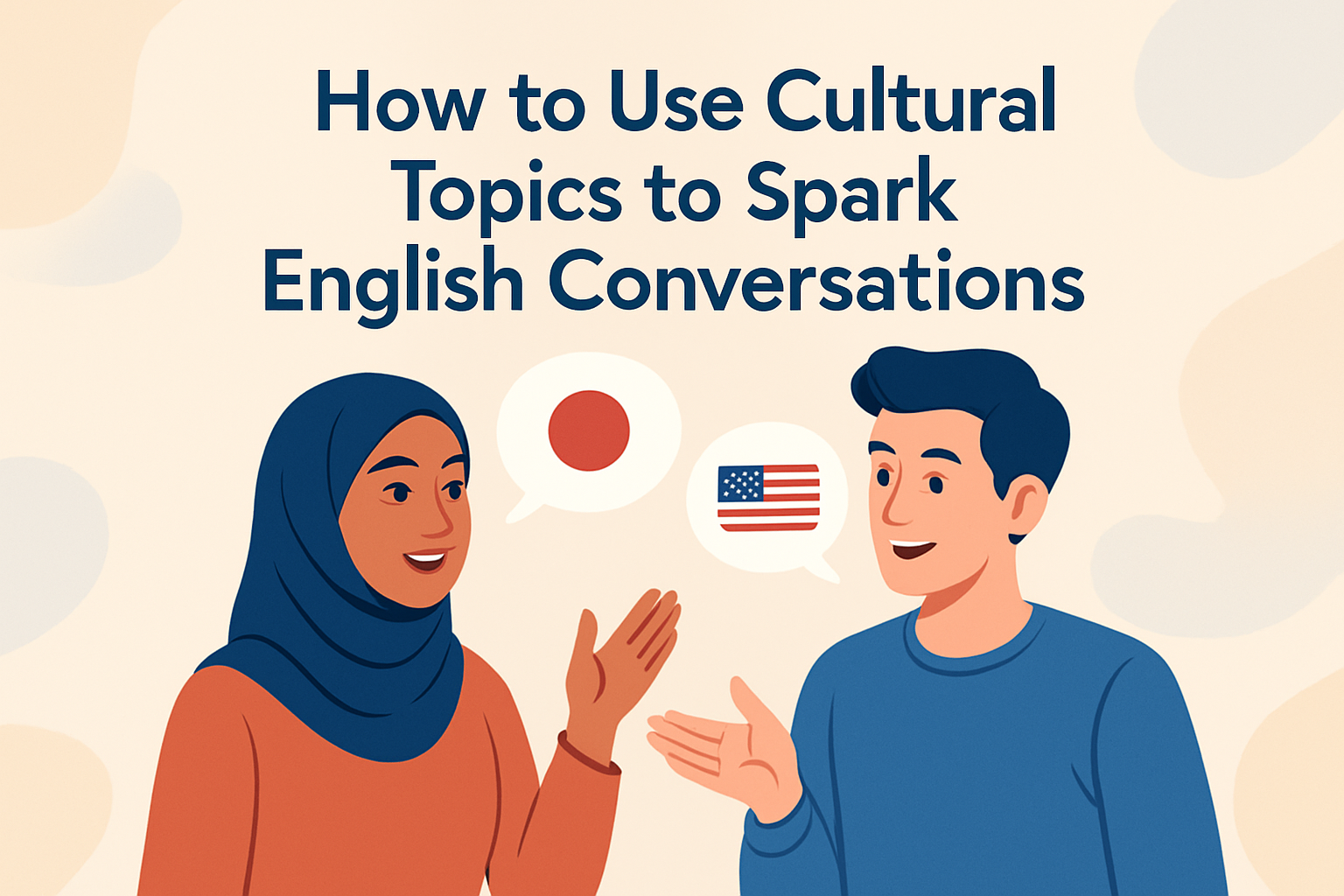
Engaging in conversations that bridge cultural gaps can be both enlightening and educational. In the vast spectrum of learning the English language, conversation serves as a vital component for applying learned skills in real-world settings. By introducing cultural topics into conversations, language learners gain exposure to diverse ideas and perspectives, encouraging not only vocabulary enhancement but also critical thinking and empathy. This method has become increasingly significant as our world grows more interconnected, and understanding diverse cultural contexts is crucial for global communication.
The integration of cultural topics in English conversations opens doors to understanding linguistic nuances, idiomatic expressions, and social customs that differ from one’s own. These dialogues provide learners with authentic contexts to practice English, making language acquisition more practical and engaging. Additionally, discussing cultural topics fosters a sense of curiosity and respect for diversity, creating more meaningful interactions in both personal and professional environments. As language educators and learners alike recognize the importance of cultural competency, integrating these topics into language practice becomes an invaluable tool in achieving fluency.
The Role of Festivals in Cultural Conversations
Festivals serve as a vibrant entry point for cultural exploration in English conversations. By discussing festivals, learners dive into the rich tapestry of traditions, histories, and communal joy that define various cultures. This exploration helps participants appreciate the cultural significance and human experiences associated with these events.
For instance, the Chinese New Year offers a plethora of discussion points. Learners can explore its history, the symbolism of dragons and red envelopes, and the family-centric celebrations that focus on renewal and good fortune. As participants share their observations and questions, they build conversational skills centered on storytelling and description.
Engaging with topics on festivals invites participants to examine similarities and differences with celebrations in their own culture. Recognizing these parallels can foster a deeper cultural appreciation and empathy. Additionally, learning about various festivals enhances vocabulary, offering new words and phrases that may not be familiar to learners.
Understanding Cultural Values through Art and Literature
Art and literature offer profound insights into the values and beliefs of different societies. These cultural artifacts serve as windows into the human experience, allowing English learners to delve into the symbolism and themes prevalent in various cultures. Discussing these topics within English conversations can be particularly enriching, creating opportunities for critical thinking and vocabulary development.
A practical example would be exploring African literature, such as Chinua Achebe’s “Things Fall Apart.” This novel addresses themes of colonialism and cultural clash, offering fertile ground for conversation. Through discussing the characters and their interactions, learners develop analytical skills and understand how cultural narratives shape perspectives.
Art, like literature, prompts insightful conversations. Examining works like Frida Kahlo’s paintings, learners can discuss the use of color, symbolism, and the cultural context that influenced the artist. These discussions encourage participants to articulate their interpretations and connect with the cultural messages conveyed through the art.
Cultural Norms and Language Etiquette
Cultural norms and etiquette constitute essential aspects of effective communication. In English conversations, discussing these topics broadens learners’ understanding of social interactions and the subtleties of polite discourse. Recognizing these norms helps learners navigate conversations more naturally, avoiding potential misunderstandings in multicultural settings.
A real-world example includes examining the etiquette surrounding greetings in various cultures. In Japan, bowing is customary, while in the United States, a handshake is typical. Understanding these differences allows learners to engage in conversations with greater cultural sensitivity and awareness.
Another significant topic within this realm is language formality. Different cultures have varied expectations regarding the level of formality in communication. Discussing scenarios where formal versus informal language is preferred equips learners with the practical skills to adjust their language appropriately. This knowledge fosters more successful and respectful cross-cultural interactions.
Exploring Cultural Diversity through Food
Food, an integral part of cultural identity, provides an engaging and universal topic for English conversations. Discussing culinary traditions allows learners to explore the diversity of flavors, ingredients, and food customs that define cultures. This subject serves as a delightful platform for learners to share personal experiences, experiment with descriptive language, and expand their vocabulary.
- The use of spices in Indian cuisine
- The art of sushi making in Japan
- Traditional bread-making in France
Real-world examples include exploring how certain diets, like the Mediterranean diet, emphasize the importance of olive oil, fresh produce, and balanced nutrition. Learners can delve into the cultural context of these eating habits, discussing how geography and history have influenced culinary traditions.
Engaging in conversations about food encourages learners to draw connections between their cultural experiences and those of others. This familiarity promotes a shared understanding that goes beyond language, fostering personal connections and mutual respect.
Global Issues and Cultural Contexts
Discussing global issues through a cultural lens offers learners a dynamic platform to engage with current events in English conversations. By understanding the cultural contexts behind global matters, learners can develop a more nuanced perspective and articulate informed opinions on complex topics.
For example, climate change presents an opportunity to explore how different cultures are impacted by and responding to environmental challenges. Participants can discuss the efforts of Pacific Island nations in advocating for climate action, highlighting the cultural and political motivations behind these initiatives.
Incorporating global issues into conversations encourages learners to connect local experiences with broader cultural contexts. This approach not only enhances vocabulary related to socio-political topics but also fosters critical thinking and empathy, equipping learners with the skills to engage in thoughtful and impactful discussions.
Summary: Bridging Cultures Through Conversation
Incorporating cultural topics into English conversations offers a multifaceted approach to language learning. By exploring festivals, art, literature, etiquette, food, and global issues, learners develop not only language skills but also cultural competency. These discussions provide authentic contexts, enhance vocabulary, and promote critical thinking as learners navigate the rich tapestry of human experiences.
Embracing cultural diversity in conversations transforms language practice into an engaging and meaningful pursuit. As learners become more culturally aware and empathetic communicators, they are empowered to build bridges across cultures, making connections that transcend language barriers.
To spark English conversations with cultural relevance, consider diving into a cultural topic with your peers or in a language class setting. Explore, inquire, and learn from the world around you, and watch as your English communication skills flourish alongside your appreciation for global cultures.
Frequently Asked Questions
1. Why are cultural topics effective in sparking English conversations?
Cultural topics are effective conversation starters because they naturally invite curiosity and personal expression. When discussing cultures, people are drawn to share experiences and perspectives from their own backgrounds or explore those of others. This engagement not only makes conversations interesting but also helps language learners practice using a wider range of vocabulary related to social customs, traditions, geography, and history. Furthermore, it invites participants to reflect on their assumptions, promoting critical thinking and analytical skills essential for language acquisition. As learners discuss and compare cultural differences or similarities, they open themselves to a broader understanding of the world, which inherently improves communication skills by demanding clarity and nuance in language use.
2. What are some cultural topics that are particularly engaging for English learners?
There are countless cultural topics that can enrich English conversations, but some of the most engaging involve everyday customs and traditions, food, holidays and festivals, art and music, and historical events. For example, exploring how different cultures celebrate a universal event, like New Year’s, can spark lively discussions about customs, foods, and even weather-related traditions. Food is another compelling topic; talking about typical dishes, ingredients, and even the etiquette around dining can offer deep insights into another culture. Holidays and festivals also allow learners to explore cultural significance and the stories behind celebrations. Moreover, introducing topics like art and music allows learners not only to practice descriptive language but also to discover new forms of expression, fostering an appreciation for diversity. Discussions around historical events encourage learners to use narrative skills and explore cause and effect in discourse. Each of these topics opens a window into understanding societal values and provides rich material for expanding vocabulary and conversational abilities.
3. How can teachers facilitate conversations about cultural topics in an English language classroom?
Teachers play a crucial role in facilitating cultural conversations by creating an inclusive and respectful environment where every student feels comfortable sharing their perspectives. Activities should be designed to be interactive, encouraging students to both listen and contribute. Teachers can start by introducing a cultural topic through multimedia resources such as videos, articles, or images to provide context. They can then prompt discussions with open-ended questions or role-playing scenarios related to the topic. Group discussions and debates can also encourage active participation, allowing students to articulate thoughts while responding to different viewpoints. Teachers should ensure that there is a balance of speaking and listening activities, so students practice both expressing their ideas and refining their understanding through others’ contributions. Importantly, teachers should remain open to learning themselves, fostering an atmosphere of mutual respect and curiosity.
4. What are some potential challenges when using cultural topics for English conversations, and how can they be addressed?
Using cultural topics in conversations can present challenges such as stereotypes, misunderstandings, or the potential for discomfort when discussing sensitive issues. However, these challenges can be navigated with care and preparation. Teachers and facilitators should emphasize the importance of respect and openness at the outset, making it clear that the goal is to learn from one another. Providing a clear framework for the discussion, including guidelines on respectful communication and active listening, can help prevent misunderstandings. It is also essential to carefully select topics and resources that are appropriate for the learners’ age and cultural backgrounds. Encouraging empathy by asking students to put themselves in someone else’s shoes can foster a deeper understanding and connection. Finally, creating an atmosphere where students feel free to ask questions without fear of judgment encourages a healthy exchange of ideas and nurtures a safe space for exploring cultural complexities.
5. How can learners continue to explore cultural topics outside of the classroom to enhance their English conversations?
Language learners can extend their exploration of cultural topics beyond the classroom by engaging with a variety of real-world resources and activities. This might include watching international films or TV shows, exploring podcasts on global cultures, or reading books and online articles about different countries and their societies. Participating in language exchange meetups or online forums can also provide opportunities to practice English while discussing cultural themes with native speakers or other learners globally. Engaging in cultural events or festivals within their own community can offer firsthand experiences and new topics of conversation. Additionally, maintaining a curiosity about global news and events can keep learners informed and provide fresh material for discussions. By integrating these resources and experiences into their daily routine, learners not only improve their language skills but also gain a richer understanding of the diverse world around them.


