Introduction to Figurative Language
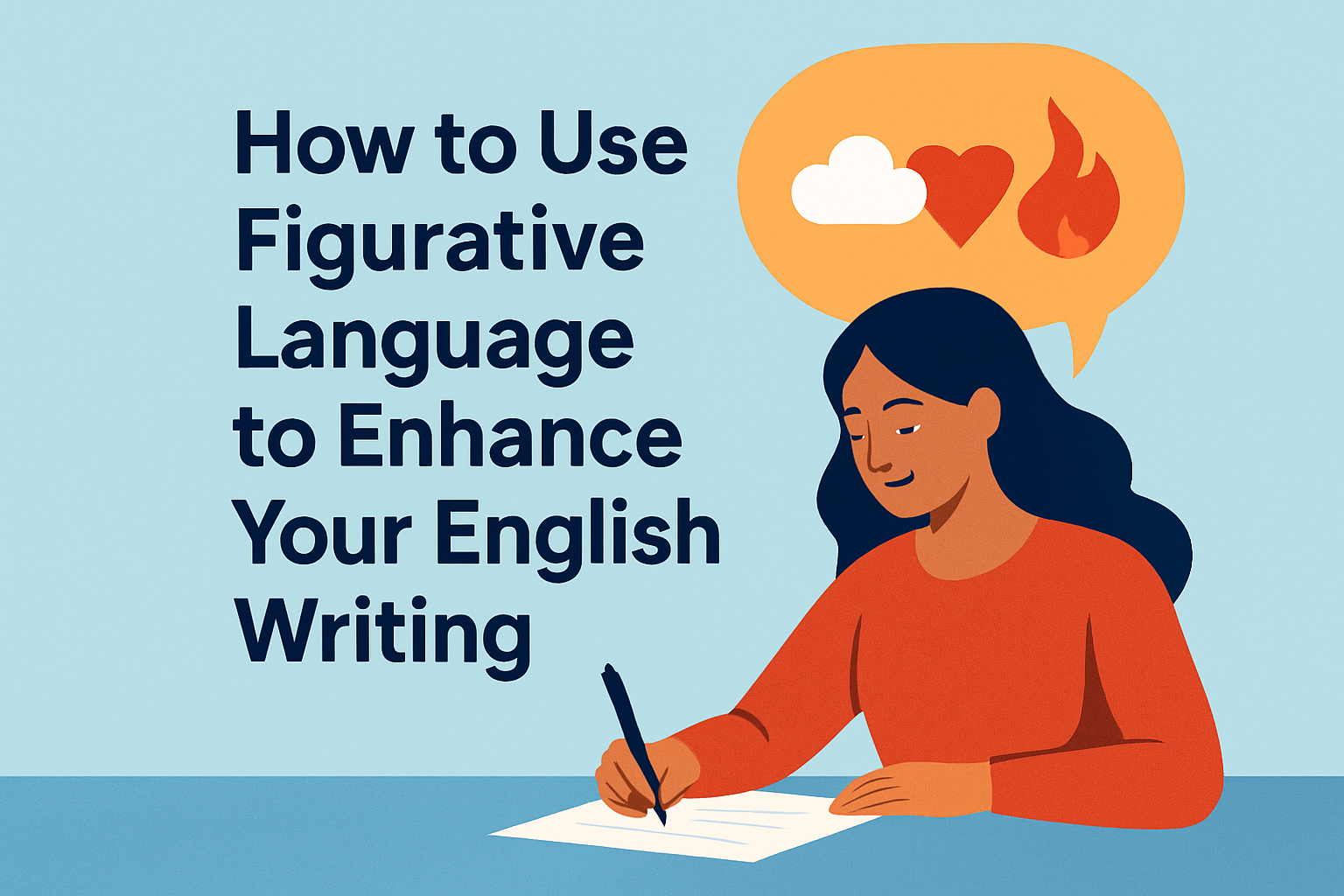
In the captivating world of English writing, it’s more than just stringing words together to form sentences. There’s an artistry involved — one that can make the words leap off the page and dance in the reader’s mind. This artistry often hinges on the skillful application of figurative language, a critical tool that writers use to create vivid imagery, convey complex emotions, and add a layer of beauty or depth to their work.
But what exactly is figurative language? Figurative language is a technique where words or expressions stretch beyond their literal meanings to convey new insights, emphasize a point, or add flavor to your prose. The main types of figurative language include metaphors, similes, personification, hyperbole, alliteration, and onomatopoeia, amongst others. Understanding these elements and how they work is vital for any writer who wants to leave a lasting impression on their readers.
The use of figurative language matters tremendously in writing. It not only enhances the reader’s experience by making your writing more engaging and relatable but also allows you to express ideas in unique and creative ways. In essence, mastering figurative language can elevate your writing, making it memorable and impactful.
Exploring Metaphors in Writing
Metaphors are one of the most effective ways to infuse imagery into your writing. A metaphor directly equates one thing to another, providing a new angle or insight into the subject it describes. It’s not just about drawing a comparison but creating a resonance that strikes an emotional chord with the reader.
For example, consider the metaphor “time is a thief.” Here, time is likened to a thief, suggesting it stealthily robs us of moments, memories, and opportunities. This metaphorical expression not only illustrates the concept of time passing but also evokes a strong emotional reaction about the fleeting nature of life.
Metaphors can make abstract ideas more tangible, offering readers a clearer understanding of your message. To effectively use metaphors, think creatively about the parallels between two disparate concepts, aiming to surprise and enlighten your audience.
Crafting Similes for Greater Impact
Similes are like spices in a dish — they add flavor and dimension without overwhelming the core message. Unlike metaphors that equate, similes make explicit comparisons using words such as “like” or “as.” They are particularly useful for illustrating specific qualities and drawing vivid comparisons with clarity.
For instance, saying “her smile was like sunshine” immediately conjures an image of warmth, brightness, and joy. This simple simile enhances the description by tapping into familiar sensory experiences, allowing readers to easily relate to and visualize the subject.
To use similes effectively, aim for comparisons that are imaginative but clear enough for your readers to understand. This balance will ensure your writing is both engaging and accessible.
Personification: Bringing Inanimate to Life
Personification is a powerful way to breathe life into inanimate objects, abstract concepts, or natural elements by assigning them human traits or emotions. It can make scenes more relatable and vivid, helping readers connect with the narrative on a more emotional level.
Consider the phrase “the wind whispered through the trees.” By attributing the human action of whispering to the wind, the sentence creates a serene and mysterious atmosphere that might resonate deeply with readers.
When using personification, draw on the human experiences and emotions that can amplify your narrative, and allow readers to see the world through a lens that feels both familiar and enchanting.
Using Hyperbole for Emphasis
Hyperbole involves deliberate exaggeration for emphasis or effect, rather than deception. It’s not meant to be taken literally but aims to stress a point or evoke strong feelings.
An example of hyperbole is “I’ve told you a million times.” Obviously, this statement isn’t literal, but it vividly emphasizes the speaker’s frustration or urgency. Hyperbole can add humor or intensity to your writing, ensuring that your message is not only communicated but felt.
To use hyperboles effectively, consider the emotion or reaction you wish to evoke, and craft your exaggerations to resonate with readers in a way that reinforces your point.
Alliteration and Its Musicality
Alliteration is the repetition of the initial consonant sounds in a sequence of words. It adds a rhythm and musical quality to your prose, making it more memorable and engaging. This technique is used widely in both poetry and prose to enhance the flow of language.
An example would be “whispering winds,” where the repetitive ‘w’ sound creates a harmonious effect that complements the gentle action being described. Alliteration can also draw attention to particular phrases within your writing, ensuring they linger in the reader’s mind.
While using alliteration, ensure that it serves your narrative, adding elegance or focus without overshadowing the message you want to convey.
Onomatopoeia: Sound and Meaning
Onomatopoeia refers to words that imitate the sounds they describe, such as “buzz,” “rustle,” or “sizzle.” Its usage can enrich your writing by engaging readers’ auditory senses, making scenes more immersive and dynamic.
For example, the sentence “the bees buzzed angrily” integrates sound within the narrative, allowing readers to not only visualize the scene but hear it as well. This auditory dimension can make your descriptions more vivid and impactful.
When incorporating onomatopoeia, choose words that accurately reflect the sound while enhancing the mood or action within your scene. This can help to create a richer, multi-sensory experience for your readers.
Figurative Language in Action: A Summary
- Metaphors: Equate different concepts to illuminate and surprise.
- Similes: Use “like” or “as” to draw imaginative comparisons.
- Personification: Attribute human traits to non-human elements.
- Hyperbole: Use extreme exaggeration to emphasize.
- Alliteration: Employ repetitive sounds to create rhythm.
- Onomatopoeia: Use words that mimic actual sounds.
Conclusion: Harnessing Figurative Language in Your Writing
In conclusion, mastering figurative language is not simply an exercise in embellishment; it’s an essential skill for crafting compelling and vivid writing. Whether you harness metaphors to deepen understanding, employ similes for clarity, or use personification to breathe life into inanimate objects, each element serves to connect with readers in profound and unexpected ways.
The key takeaway for any writer is that these figurative elements, individually and collectively, serve to transform your prose from mundane to masterful. They allow ideas to be painted in vibrant colors and layered meanings, providing readers with experiences that are as imaginative as they are insightful.
As you venture into your writing projects, challenge yourself to incorporate figurative language thoughtfully and creatively. Begin to see your writing as a canvas where words craft vivid pictures, captivate minds, and touch hearts. So, next time you write, why not experiment with a metaphor or sprinkle in a simile? The world of figurative language awaits your exploration.
Frequently Asked Questions
1. What is figurative language, and why is it important in English writing?
Figurative language is a tool that writers use to create imagery and ideas outside of the literal meanings of words. It involves using figures of speech like metaphors, similes, personification, and hyperbole to evoke emotions, convey complex concepts, or bring a fresh perspective into writing. Imagine reading a piece of text where every word is taken at face value — it can often come across as dull or uninspiring. Figurative language adds a layer of creativity, making stories more engaging by helping readers visualize scenarios and connect emotionally. It’s the difference between a painting that merely captures reality and one that evokes an emotional or imaginative response.
2. How can metaphors and similes enhance my writing?
Metaphors and similes are the bread and butter of figurative language — both are used to draw comparisons, but they do so in slightly different ways. A metaphor directly states a comparison, like saying “time is a thief,” suggesting that time, like a thief, takes things away. This allows readers to understand abstract ideas in relatable terms. On the other hand, a simile uses ‘like’ or ‘as’ to make comparisons, such as “as brave as a lion,” which paints an immediate picture of courage by referencing something universally familiar. By using these devices, your writing can transcend beyond simple descriptions and instead craft vibrant, relatable scenes and emotions.
3. Can you provide examples of how personification can be used effectively?
Personification attributes human characteristics to non-human entities, making them more relatable and vivid. Take this classic example: “The wind whispered through the trees.” Here, the wind is given the human ability to whisper, which adds an eerie, secretive ambiance to the scene. Another example might be, “The old house groaned under the weight of the storm,” which might make a reader feel the house is alive and struggling against nature. By imbuing inanimate objects or abstract ideas with human traits, writers invite readers to connect with these elements on a deeper emotional level, intensifying the impact of the narrative or description.
4. How does hyperbole contribute to the effectiveness of writing?
Hyperbole involves deliberately exaggerating statements for emphasis or comedic effect, and it’s a potent tool for bringing flair into your writing. For instance, saying “I’ve told you a million times” is an exaggeration, but it’s used to strongly convey a point of frequent repetition. Hyperbole helps capture attention, stress a particular aspect, or inject humor, enhancing the tone and mood of your writing. Readers are drawn to extremes — they enliven stories and compel readers to pay closer attention to the emphasized points, which might otherwise have seemed mundane.
5. Are there risks in using too much figurative language, and how do I balance it properly?
While figurative language can transform a piece of writing from flat to fabulous, overuse or misuse can lead to confusion or distraction. If every sentence is packed with metaphors, similes, and personifications, the primary message can become obscured amidst the creative chaos. Clarity and readability are paramount; hence, it’s crucial to use figurative language intentionally and sparingly. Instead of cluttering every paragraph with these devices, focus on pivotal moments or themes where they can have the most impact. Always ensure that the figurative language serves the narrative and enhances understanding, not hinders it. It’s a skill that improves with careful practice and editing, often following the adage ‘less is more’.