Introduction to Real-Time Feedback in Language Learning
Learning to speak English fluently is a goal shared by countless individuals worldwide. The ability to communicate effectively in English can open doors to numerous opportunities both personally and professionally. However, mastering a new language, particularly speaking it with confidence, imposes various challenges. This is where real-time feedback emerges as a potent tool in the language learner’s arsenal.
Real-time feedback refers to immediate responses and corrections provided during the process of speaking or practicing a language. Unlike delayed feedback, which learners may receive days after their attempt, real-time feedback offers guidance as the learner is speaking. This immediacy helps bridge the gap between making a mistake and correcting it, thus fostering rapid improvement.
Understanding and utilizing real-time feedback is crucial because it enables learners to rectify errors at the moment, reinforcing correct language usage. This process minimizes fossilization of errors—a phenomenon where incorrect language usage becomes habitual. The importance of this process cannot be overstated, as it directly contributes to building confidence, increasing speaking efficiency, and ensuring accurate communication.
The article will elaborate on various practical ways real-time feedback can be harnessed to improve English speaking skills. We will explore different mediums through which real-time feedback is offered, delve into specific strategies and tools available, and illustrate through examples how this immediate correction can lead to noticeable improvements in speaking proficiency.
Leveraging Technology for Real-Time Feedback
In today’s digital age, technology plays a pivotal role in providing real-time feedback for language learning. Mobile apps, online platforms, and AI-driven tools are at the forefront, providing users with immediate corrections and suggestions as they speak or type in English. One such tool is speech recognition software, often integrated into language learning apps like Rosetta Stone or Babbel. These programs can analyze speech patterns and highlight pronunciation mistakes instantaneously.
Consider the case of language learner Sarah, who uses an app equipped with speech recognition. As Sarah practices speaking into the app, it provides feedback on pronunciation and intonation, allowing her to compare her own voice with that of native speakers. The app highlights discrepancies, offering corrections on the spot, which Sarah can then practice repeatedly. This instantaneous feedback loop enhances her confidence and helps her retain correct pronunciation faster than traditional methods.
- Mobile Apps: Instant corrections for pronunciation and grammar.
- Online Platforms: Real-time feedback through virtual speaking exercises.
- AI-Driven Tools: Speech analysis and immediate suggestions for improvements.
These technological tools are not just limited to speaking but extend to writing and grammar as well, making them incredibly versatile. Through these platforms, students worldwide have access to quality real-time feedback, effectively democratizing language learning opportunities.
The Role of Human Interaction in Real-Time Feedback
Apart from technology, human interaction remains irreplaceable in providing nuanced real-time feedback. Conversations with native speakers or language experts offer a level of insight that machines have yet to fully replicate. Language exchange meetups and conversation clubs serve as effective venues for practicing English while receiving immediate corrections and suggestions.
For instance, consider John, an ESL student who participates in weekly English-speaking meetups. During these sessions, more proficient speakers provide him with feedback as he converses, correcting his grammar and providing alternative vocabulary choices in real-time. This direct feedback helps John break out of his comfort zone, tackle errors immediately, and learn from each conversational exchange.
Moreover, this setup allows learners to experience speaking in dynamic, unpredictable interactions, challenging them more than static learning environments could. This human element provides context-specific feedback, which is significantly beneficial for learning idiomatic expressions and cultural nuances, thereby enhancing fluency and social language skills.
Incorporating Real-Time Feedback into Classroom Settings
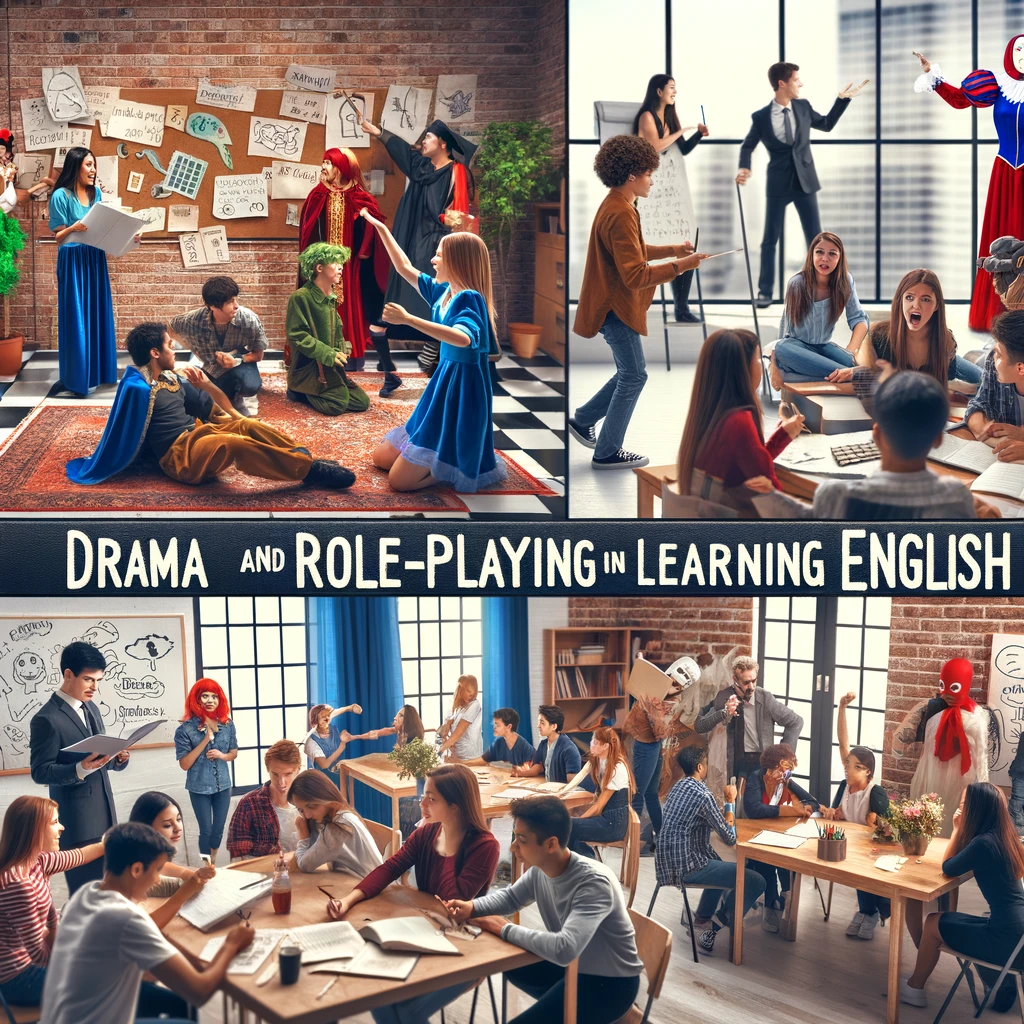
Employing real-time feedback in classroom settings enriches the teaching and learning process. Interactive classroom activities such as role-plays, debates, and presentations encourage students to speak spontaneously, with instructors providing real-time corrections and guidance. This approach ensures that learners are constantly refining their speaking skills under expert supervision.
Take, for instance, a classroom scenario where students are engaged in a role-play exercise. The teacher might interject to correct pronunciation errors or suggest more appropriate language based on the context of the scenario being enacted. By receiving immediate feedback, students are able to adjust their speech in real-time and internalize corrections effectively. This iterative process reinforces correct language usage and boosts student confidence in speaking publicly.
Furthermore, peer feedback is encouraged in many classrooms. Students are prompted to listen to each other’s presentations and provide constructive comments, thus creating an active learning environment where everyone partakes in the language development process.
Real-World Examples and Applications
The benefits of real-time feedback are illustrated in various global language learning communities where individuals make substantial progress in their speaking abilities. In South Korea, for example, many language academies incorporate virtual classrooms and native speaker interactions for real-time practice, substantially improving students’ fluency and accuracy in English.
One notable application is the use of teleconferencing software and platforms like Zoom or Skype that allow for virtual immersion with English-speaking friends or tutors. This setup replicates real-world scenarios, such as job interviews or presentations, allowing learners to practice under conditions that simulate authentic environments. The virtual nature of these interactions provides learners with on-the-spot feedback, closely mimicking live, face-to-face exchanges.
Such practical applications underscore the transformative impact of real-time feedback on language acquisition. It empowers learners to engage confidently in conversations, augmenting their ability to express ideas and understand others accurately.
Key Takeaways
Incorporating real-time feedback into English language learning presents numerous advantages. By leveraging technological tools, human interactions, and educational strategies, learners are equipped to accelerate their speaking proficiency with timely guidance. The immediacy of real-time feedback enables language students to promptly address and correct errors, fostering improved accuracy and fluency.
From engaging with language learning apps to participating in conversational meetups and classroom activities, real-time feedback creates a supportive, iterative environment that maximizes the English-speaking potential of learners. It bridges traditional learning gaps and motivates students to explore and engage with the language actively.
The journey to mastering English speaking is made significantly smoother through strategic use of real-time feedback methods. As a next step, learners are encouraged to integrate these techniques by utilizing available technology, participating in language exchanges, or enrolling in classes that emphasize real-time interaction.
As you embark on enhancing your English-speaking skills, consider how integrating real-time feedback can transform your learning experience and propel you toward fluency. Embrace this approach for accelerated progress and confidence in your English communication abilities.
Frequently Asked Questions
1. What is real-time feedback, and how does it help improve English speaking skills?
Real-time feedback refers to the instant or immediate response and guidance received during a learning activity. In the context of improving English speaking skills, this type of feedback allows learners to identify and correct mistakes as they happen. This can significantly enhance the learning process because it allows for immediate application and reinforcement of corrections. Imagine you’re having a conversation with someone, and as you speak, a tutor or an application provides instant feedback on pronunciation, grammar, or vocabulary use. This helps you to adjust your speech in the moment, making it more accurate and effective. Moreover, real-time feedback can boost confidence as learners see their progress and know they’re actively improving as they speak.
2. What are the best tools or platforms for receiving real-time feedback when learning to speak English?
There are several modern tools and platforms designed to offer real-time feedback for English speakers. Some popular options include language learning apps like Babbel, Rosetta Stone, and Duolingo, which incorporate AI-driven feedback systems to help correct pronunciation and suggest grammatical improvements. Other platforms like iTalki and Preply connect learners with live tutors who provide instant feedback during conversational practice. For those looking for more tech-savvy solutions, speech recognition software like Google’s Speech-to-Text API offers insights into pronunciation accuracy. Additionally, virtual reality environments are beginning to emerge as innovative spaces for immersive language learning experiences with real-time feedback.
3. Can real-time feedback be beneficial for non-native speakers at all proficiency levels?
Yes, real-time feedback can be immensely beneficial for non-native speakers across all proficiency levels. For beginners, this kind of feedback can help them avoid forming bad habits in pronunciation and grammar right from the start. It acts as a guide to ensure they are on the right track as they form basic sentences and engage in simple conversations. Intermediate learners can benefit from nuanced insights that help refine their speaking abilities and expand their vocabulary. Advanced learners can use real-time feedback to fine-tune fluency, subtle grammatical nuances, and intonation, which can be crucial for achieving a near-native level of English proficiency. Essentially, regardless of the proficiency level, real-time feedback can be tailored to meet the specific needs and growth areas of the learner.
4. How does real-time feedback contribute to building confidence in speaking English?
Real-time feedback plays a crucial role in building confidence by providing learners with immediate insights into their English-speaking abilities. First, it alleviates the fear of making mistakes by offering a safe space to learn and correct errors instantly. Knowing that a supportive mechanism is in place encourages learners to speak more freely without the anxiety of being wrong. Furthermore, as learners receive positive feedback on what they are doing correctly, it reinforces their abilities and self-assurance. Over time, this constant cycle of receiving feedback, making adjustments, and achieving small victories builds a strong foundation of confidence. Additionally, real-time feedback can track progress and highlight growth, offering tangible evidence of improvement, which is a significant motivator for ongoing practice and participation.
5. Are there any challenges associated with using real-time feedback in language learning?
While real-time feedback offers numerous benefits, it also comes with certain challenges. One potential challenge is the dependency on technology, which can sometimes fail due to technical issues, leading to frustrating interruptions in the learning process. Furthermore, learners might experience information overload if the feedback is too frequent or presented in a way that is difficult to process quickly. It’s essential for feedback to be constructive and paced appropriately to prevent overwhelming the learner. Another challenge is ensuring the feedback is accurate and contextually relevant, as automated systems may not fully understand nuanced language use or cultural context. However, these challenges can be mitigated with a balanced approach, combining human interaction with technology and customizing learning experiences to fit individual needs.