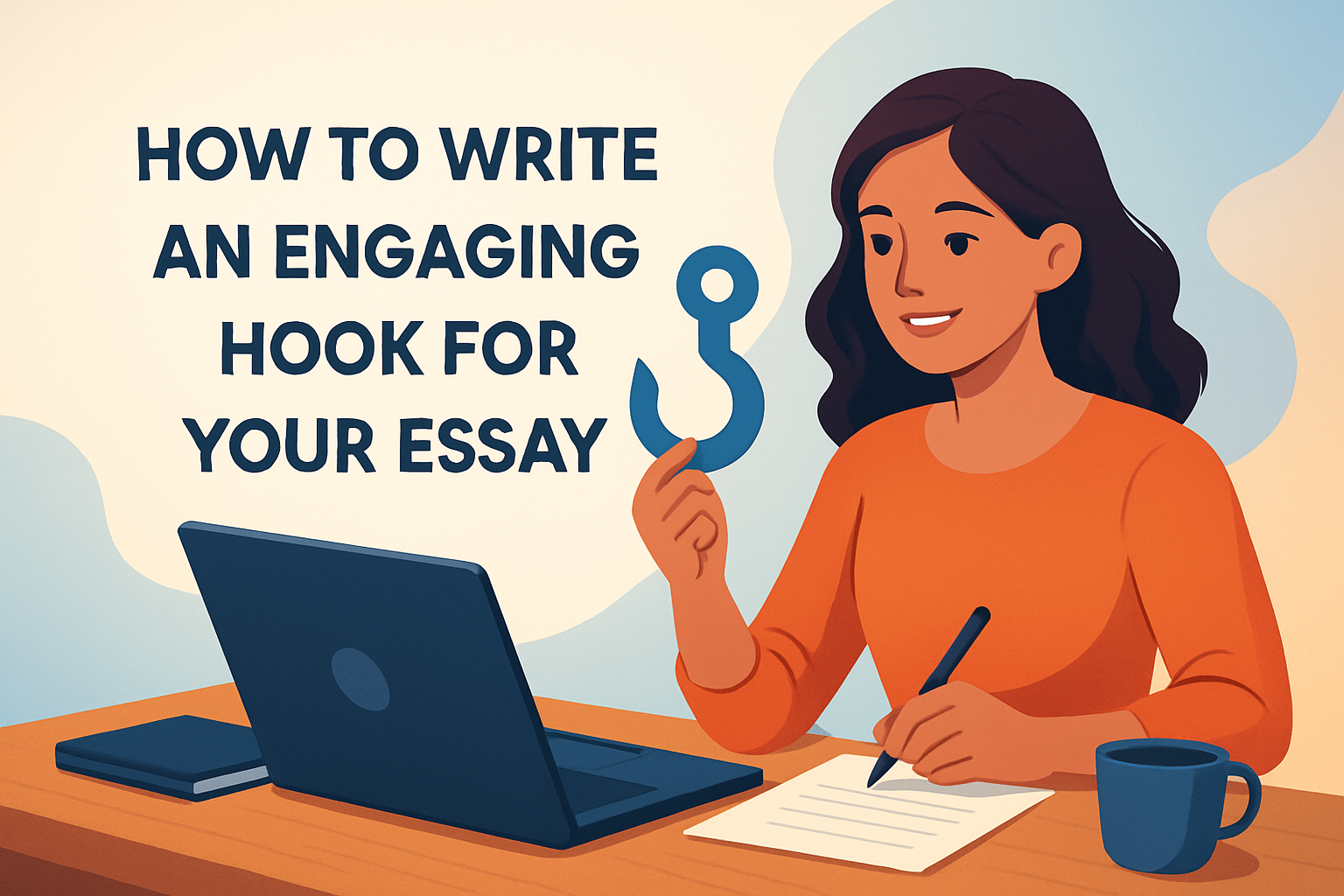
Crafting an engaging essay hook is crucial for grabbing your reader’s attention and setting the tone for the rest of your piece. The hook is essentially the first impression your essay makes on the reader, and just like in social situations, a strong opening can determine whether the audience remains engaged or swiftly loses interest. An essay without a strong hook often struggles to capture attention, just as a speech without a compelling opening can fail to resonate with its audience. In essence, the hook serves to pique interest, providing a compelling glimpse of the essay’s broader narrative or argument.
Introducing an intriguing hook isn’t just about stringing together eloquent words. It’s about understanding the core purpose of your essay and your audience. When crafted appropriately, a good hook not only grabs attention but also makes the reader eager to explore what follows. It’s like the opening notes of a song that set the mood and keep the listener wanting more. This article delves into best practices for writing an engaging hook for your essay, exemplifying different styles and strategies that are effective in various contexts. By equipping yourself with these techniques, you enhance your ability to communicate more compellingly and retain the interests of various audiences, from academic to casual readers.
Types of Hooks
There are numerous types of hooks that can be employed, depending on the style, tone, and purpose of your essay. The choice of hook depends on various factors such as the essay’s topic, the intended audience, and the tone of the essay. Understanding these elements is crucial to selecting the most effective hook for your essay.
- Question Hook: This involves posing a thought-provoking question that captures the reader’s attention. A question hook forces the reader to reflect and engage right from the start.
- Quotation Hook: Often used in essays to provide credibility or a counterpoint. A quotation hook leverages someone else’s words to amplify your argument.
- Statistic Hook: Deploying a shocking or motivating statistic can immediately position your reader to take in the severity or importance of a topic.
- Anecdotal Hook: This involves telling a short, relevant story that relates to your topic. An anecdotal hook draws readers in by creating a personal connection.
- Statement Hook: Making a bold statement can jolt readers and direct their line of thinking. These are effective when backed by evidence or will be explained further in the essay.
Consider an academic paper on climate change. Using a statistic hook, you might begin with, “Every year, an estimated 9 million people worldwide die from pollution-related health issues.” This statistic immediately grounds your reader in the importance of the issue, potentially evoking a sense of urgency or concern that will encourage the reader to continue.
Choosing the Right Hook for Your Essay
Selecting the appropriate hook is not a one-size-fits-all approach. It largely depends on the essay type and its audience. Understanding your readers and their expectations is crucial in determining which hook will be most effective.
For instance, in a persuasive essay intended to sway opinions, a gripping statistic or a powerful statement might prove more impactful. On the other hand, a narrative or descriptive essay may benefit more from a question or anecdotal hook to engage readers on a personal level.
Consider another example: crafting an argumentative essay on the effects of technology on education. A question hook could be, “How will future generations learn without traditional classrooms as technology takes over?” Such a question invites the reader to ponder and engage with the topic before diving deeper into the subject matter.
Strategies for Writing an Effective Hook
Creating an engaging hook involves more than just picking an interesting fact or stirring quote. The context of the essay, the flow of the narrative, and the depth of the reader’s engagement must all be considered. Here are some essential strategies:
| Strategy | Description |
|---|---|
| Know Your Audience | Understanding the audience’s interests and level of understanding helps tailor the hook to the essay’s readers. |
| Be Relevant | Ensure that whatever hook you choose ties directly into your topic and sets the stage for your argument or narrative. |
| Create Curiosity | Use your hook to generate curiosity and make your reader eager to continue reading for answers or further exploration. |
| Establish Tone | The hook should set the tone of the essay, ensuring it matches the intended voice and style. |
| Use Strong Language | The choice of words in your hook should aim to create an emotional response that aligns with your essay’s purpose. |
For instance, consider an opinion piece on dietary habits, aiming to influence lifestyle changes for better health. A statement hook like, “The secret to a long life isn’t what you eat, but how you eat it,” not only intrigues but hints at a novel perspective, inviting the reader to journey through the narrative.
Why Hooks Matter
Hooks are integral not just because they capture attention but also because they establish rapport with readers. They signal that whatever follows is engaging, relevant, and possibly transformative. A well-conceived hook does more than just alert the reader to an interesting topic; it promises a rewarding reading experience that illuminates, entertains, or instructs.
Consider the reality that readers often determine the value of an essay within the first few sentences. An uninspiring start may lead to disengagement. However, if a reader encounters a hook that resonates, they’re more likely to become invested in what follows, increasing the likelihood of the essay having the desired impact.
For a publication targeting environmental change, a hook like, “Imagine a world where our oceans are as clear as they were 200 years ago,” offers a compelling visual that steers the reader into the content with more engagement than a flat introduction.
Common Mistakes to Avoid with Hooks
Even an enticing hook can fall flat if common pitfalls are not avoided. Overly vague, overly complicated, or disconnected hooks can lead to confusion or disinterest. Here are some key mistakes to watch out for:
- Overpromising: Avoid making exaggerated claims in your hook that your essay does not fulfill. This may lead to reader dissatisfaction.
- Lack of Connection: Make sure your hook is directly relevant to your topic. An unrelated hook may alienate or confuse your audience.
- Vagueness: Hooks should be precise and intriguing, not general or ambiguous.
- Complexity: A hook should invite understanding, not necessitate clarification. Avoid jargon that may deter an initial reading.
- Predictability: Overused hooks can be tedious. Strive for originality to foster reader interest.
For example, beginning a scientific paper with a complex formula might alienate those not familiar with the jargon, whereas a simple, related fact could engage a broader audience.
The Role of Hooks in Different Types of Essays
Diverse essay types require differing hook strategies. An argumentative essay, for example, might benefit from a contrarian hook that challenges common viewpoints, setting the reader up for the persuasive content that follows. Conversely, an informative essay would do well with a hook that clearly states a piece of unknown information to maintain curiosity.
A narrative essay could employ a vivid scene, encompassing sensory details that draw the reader into an emotional or imaginative space. Here, the hook doesn’t merely state facts; it pulls the reader into a story that humanizes the subject and appeals to empathy.
Imagine a historical analysis revisiting a pivotal event like the moon landing. An anecdotal hook could convey an astronaut’s personal thoughts just before landing, offering a unique perspective and setting the stage for factual exploration.
Conclusion
Writing an engaging hook is a critical skill for crafting compelling essays that capture and maintain readers’ attention. The hook serves as the gateway to your essay’s world, suggesting the promises of illumination or engagement that await the reader. Through understanding the different types of hooks, how to apply them effectively, and avoiding common mistakes, you can improve the overall impact of your writing. Remember, the choice of hook is intimately tied to your audience, your topic, and the purpose of your essay.
Take the time to reflect on your readers and the effect you wish your essay to have on them. The right hook can make all the difference, turning a potentially lackluster first impression into an engaging narrative or argument they can’t ignore. So, as you sit down to write your next essay, invest the effort to develop an engaging hook—the first step toward a successful and captivating piece.
Start experimenting with various hooks in your next essay. Analyze their impact and how well they connect with the rest of your essay. Through practice and evaluation, writing powerful, engaging hooks will become second nature, enhancing your essays’ effectiveness and reach.
Frequently Asked Questions
1. What is a hook, and why is it important in an essay?
A hook is a compelling opening sentence or question in an essay that grabs the reader’s attention and piques their interest. Imagine you’re at a social gathering, and you’re introduced to someone for the first time. The hook is like your first words—are they engaging enough to keep the conversation going? A strong hook is essential because it sets the tone for the entire essay and determines whether your reader will continue reading. If the opening of your essay is dull or lacks appeal, you risk losing the reader’s interest before they’ve even given your ideas a chance. The hook is your essay’s first impression, and just as in life, first impressions matter immensely. By crafting a hook that draws your audience in, you’re ensuring that they are eager and responsive to what you have to say, which is the foundational step towards effective communication in writing.
2. Can you give examples of different types of hooks?
Absolutely, there are several types of hooks you can use to capture your reader’s attention. Here are a few examples:
- Anecdote: Start with a short, interesting story that’s directly related to your topic. This can be a personal story or a historical anecdote that lends a personal touch to your essay.
- Quote: A relevant quote from an authority figure can intrigue your reader, especially if it’s thought-provoking or controversial.
- Question: Pose a question that makes your reader think deeply about the topic. Rhetorical questions work well to engage readers by encouraging them to ponder the answer.
- Statistic or Fact: Opening with an unexpected statistic or fact can surprise your readers and prompt them to read on in search of more information or context.
- Bold Statement: A bold or controversial statement will attract attention and make your readers eager to see the justification or discussion that follows.
Each type of hook serves a different purpose and works best for different types of essays. Choosing the right one depends on the topic, audience, and overall tone you wish to set.
3. How do I know I’ve written a strong hook?
A strong hook should be engaging, relevant, and appropriate for the essay’s purpose and audience. To determine if your hook is effective, consider these questions:
- Does it immediately grab attention? A strong hook should be engaging from the outset, compelling your reader to continue.
- Is it relevant to your essay topic? Your hook should lead naturally into your thesis or argument. If it feels disconnected, it might not effectively serve your purpose.
- Does it reflect the tone of your essay? If you’re writing a humorous essay, a light-hearted anecdote might work well, whereas a serious topic might call for a sobering statistic.
- Does it provoke curiosity or thought? Ask yourself if your hook creates intrigue or raises questions for your reader.
- Have you received feedback? Sometimes, getting an outside perspective can be beneficial. Have a friend or peer read your hook and ask for their honest feedback.
By considering these factors, you can refine your hook until it feels strong enough to capture your reader’s interest and fit seamlessly with your essay’s content.
4. How can I connect my hook to the rest of my essay?
The key to seamlessly connecting your hook with the rest of your essay lies in a smooth transition and a clear relationship between your hook and your thesis. Here’s how to do it:
- Ensure that your hook introduces the main theme or idea of your essay. This will provide a natural bridge to your thesis statement.
- Use a transition sentence to guide your reader from the hook to the thesis. This bridge sentence should connect the idea presented in the hook to the thesis statement or main argument that you’ll be expanding upon in your essay.
- Avoid abrupt shifts in tone or content. If your opening is light-hearted, ensure the rest of your introduction maintains that tone before transitioning to a more serious analysis if necessary.
- Pre-plan your hook and thesis to complement each other. Ensure that every sentence in your introduction, especially your hook, has a purpose and contributes to the overall narrative you wish to convey.
By using these strategies, your hook will not only attract readers but also provide a firm foundation for the arguments and points you will be discussing throughout your essay.
5. What are some common mistakes to avoid when writing a hook?
When crafting a hook, it’s important to avoid common pitfalls that could detract from its effectiveness. Some mistakes to watch out for include:
- Being overly generic or vague: A hook needs to be specific and engaging. Avoid clichés or bland statements that don’t pique the reader’s interest.
- Misleading the reader: Your hook should accurately reflect the subject and tone of your essay. Avoid hooks that might mislead or confuse the reader about what to expect.
- Using a hook that doesn’t connect with the thesis: If the hook feels unrelated to your main argument, it will undermine the cohesiveness of your essay.
- Overly complex or dense wording: Keep your hook straightforward and clear—avoid technical jargon or overly complex statements that might confuse rather than intrigue.
- Narrow focus: A hook should open up the discussion rather than restrict it. Avoid a hook that’s too narrow or specific, making it difficult to transition smoothly to broader arguments.
Being mindful of these common mistakes can help ensure your essay starts strong and maintains the reader’s interest from the very first line.