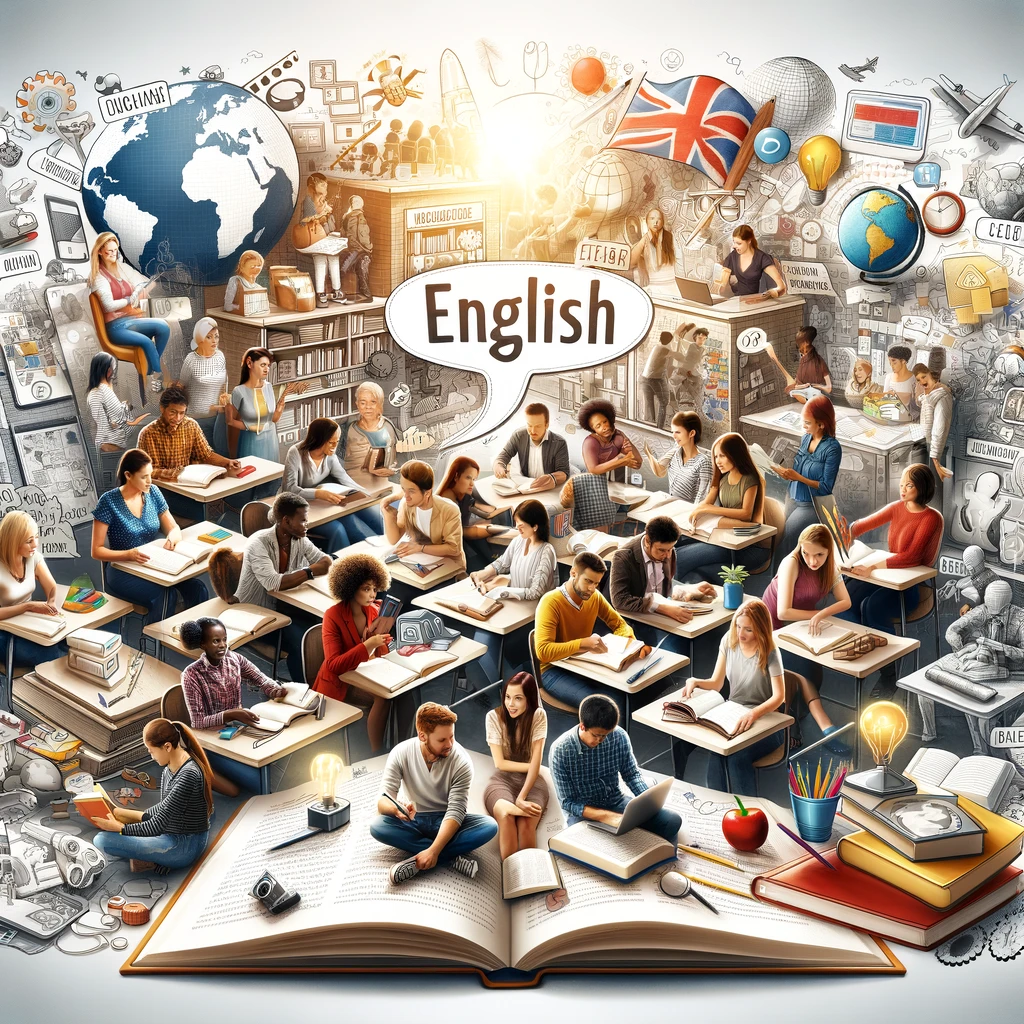
In the realm of language learning, the digital age has ushered in an era of unprecedented access to information and resources. However, this abundance often leads to a dilemma: finding the right balance between traditional learning methods and the use of technology. This article aims to explore the synergies and pitfalls of integrating technology in language learning, providing insights and strategies for learners and educators alike to create a balanced and effective learning environment.
The Role of Technology in Language Learning
The advent of technology has revolutionized language learning. Digital tools such as language learning apps, online courses, podcasts, and virtual reality experiences offer learners a plethora of options. These tools often provide flexibility and accessibility, allowing learners to study at their own pace and in their preferred environment.
Pros:
- Accessibility: Technology has made language resources more accessible than ever. From apps like Duolingo to online courses offered by universities, learners have access to a variety of tools at their fingertips.
- Interactivity: Many digital platforms offer interactive exercises, instant feedback, and gamified learning experiences, which can be more engaging than traditional methods.
- Customization: Technology allows for personalized learning experiences. Algorithms can adapt to a learner’s proficiency level, offering tailored challenges and support.
Cons:
- Overreliance on Technology: Excessive reliance on technology can lead to a lack of fundamental language skills, as some apps may prioritize gamification over comprehensive language instruction.
- Limited Human Interaction: Language is inherently social. Relying solely on technology can limit opportunities for real-life conversation and cultural immersion.
- Quality Concerns: The vast array of digital resources varies greatly in quality, making it challenging to find effective and reliable tools.
Balancing Traditional Learning with Technological Advances
While technology offers innovative ways to learn languages, traditional methods still hold significant value. Books, face-to-face tutoring, and immersion in a language environment provide depth and context that technology alone may not offer.
Combining Strengths:
- Blended Learning: Incorporate technology into traditional classroom settings. Use apps for homework or self-study, and reserve classroom time for discussion, practice, and clarification.
- Technology as a Supplement: Utilize technology for additional practice and exposure, but not as the sole method of learning. Combine digital exercises with traditional study materials like textbooks.
- Real-world Application: Encourage learners to apply their skills in real-life situations. Use technology to connect with native speakers or to access authentic media in the target language.
Strategies for Effective Language Learning
To make the most out of both worlds, learners and educators must adopt strategies that leverage the strengths of both traditional methods and technology.
For Learners:
- Set Clear Goals: Define what you want to achieve with your language learning – whether it’s conversational fluency, reading proficiency, or a specific certification.
- Diversify Learning Materials: Combine digital tools with traditional resources. Use apps for vocabulary, online forums for writing, and real-life conversations for speaking.
- Practice Regularly: Consistency is key. Use technology to maintain a regular learning schedule, but also engage in traditional learning activities.
For Educators:
- Integrate Technology Thoughtfully: Use digital tools to enhance, not replace, traditional teaching methods. Select technology that aligns with your curriculum and learning objectives.
- Encourage Interaction: Foster an environment where learners can use language in a social context. Organize group activities, discussions, and role-plays.
- Provide Guidance: Help learners navigate the plethora of digital resources. Recommend high-quality apps and websites and warn against potential pitfalls.
The Future of Language Learning
Looking forward, the integration of technology in language learning is likely to become even more prevalent. Developments like artificial intelligence (AI) and augmented reality (AR) are poised to offer even more immersive and personalized learning experiences. However, the essence of language learning will remain rooted in human interaction and cultural understanding. The key to success lies in finding the right balance – leveraging technology to enhance learning while maintaining the foundational aspects of traditional language education.

The Impact of Culture in Language Learning
One aspect of language learning that technology struggles to replicate fully is the cultural immersion and understanding. Language is not just a set of words and grammar rules; it’s a reflection of culture, history, and societal norms.
Cultural Context:
- Understanding Nuances: Traditional methods like reading literature, interacting with native speakers, and immersion in the culture help learners understand the subtle nuances and idiomatic expressions of a language.
- Technology’s Role: While apps and online tools provide basic cultural insights, they often lack the depth provided by real-life experiences and interactions.
Bridging the Gap:
- Multimedia Resources: Use technology to access films, music, and art from the target culture. This can provide a richer understanding of the language in its cultural context.
- Virtual Exchange Programs: Encourage participation in online intercultural exchange programs where learners can interact with native speakers and learn about each other’s culture.
Evaluating and Choosing the Right Tools
With a myriad of technological tools available, selecting the right ones is crucial. Learners should evaluate these tools based on their learning objectives, the quality of the content, and their personal learning style.
Criteria for Selection:
- Relevance to Goals: Choose tools that align with your specific learning objectives, whether it’s grammar, conversation, or writing.
- Quality and Credibility: Look for tools developed by reputable organizations or language experts.
- Learning Style Compatibility: Consider whether you learn better through visual aids, auditory inputs, or interactive exercises, and choose tools accordingly.
The Role of Teachers and Technology
In a technology-infused learning environment, the role of language teachers evolves. They are no longer just providers of information but facilitators and guides in the learning process.
Evolving Roles:
- Guidance in Technology Use: Teachers can guide students in selecting and using technological tools effectively.
- Creating a Blended Curriculum: Designing a curriculum that incorporates both traditional methods and technological tools can offer a comprehensive learning experience.
- Monitoring Progress: Teachers can use technology to track progress and provide personalized feedback to learners.
Overcoming Challenges in Blended Learning
Blending traditional and technological methods in language learning isn’t without its challenges. These include ensuring equitable access to technology, avoiding information overload, and maintaining learner motivation.
Addressing Challenges:
- Equitable Access: Ensure that all learners have access to the necessary technology. This may involve providing resources or alternatives for those without.
- Balanced Approach: Avoid overwhelming learners with too many digital tools. Strike a balance between technology use and traditional learning.
- Maintaining Motivation: Use both traditional and technological methods to keep learners engaged and motivated. This can include gamification, rewards, and real-life language use.
Conclusion
In sum, finding the right balance between language learning and technology is key to effective and enjoyable language acquisition. This balance involves blending the depth and context provided by traditional methods with the accessibility and innovation offered by technology. It also means navigating the evolving roles of teachers and learners in this digital landscape, and continually adapting to new tools and methods. By doing so, learners can not only achieve linguistic proficiency but also gain a deeper appreciation of the culture and nuances of the language they are studying. In this journey, both the old and the new have vital roles to play, and the synergy between them is where the true magic of language learning lies.