Learning a new language is an exciting and enriching experience, but it can also be challenging, especially if you’re not sure which learning strategies best suit your style. Visual learners, who comprehend and remember information best when it is presented visually, may find traditional language learning methods less effective. If you’re a visual learner, this article will guide you through various strategies tailored to leverage your visual strengths, making language learning more engaging and effective.
Understand Your Learning Style
Firstly, it’s crucial to confirm that you are a visual learner. Visual learners prefer to see information to understand it better. They excel when they use pictures, diagrams, and color coding in their study materials. If you find yourself drawn to visual aids or struggle to remember spoken instructions but recall graphs and charts easily, these strategies will likely work well for you.
Use Visual Aids
Incorporating visual aids into your language learning can dramatically boost your retention and understanding. Here are some effective visual aids you can use:
- Flashcards: Create flashcards with words and their meanings, and use images to represent the word on one side. This association between the word and its visual representation can help reinforce memory.
- Mind Maps: Use mind maps to visually organize information about different aspects of the language, such as grammar rules, vocabulary categories, or verb conjugations.
- Charts and Tables: Organize verbs, adjectives, and other language rules into charts and tables for quick reference.
- Infographics: These can be great for summarizing large amounts of information in a visually appealing and memorable way.
Watch Videos
Videos are a fantastic way for visual learners to absorb language. They provide contextual visual cues that help you understand and retain new vocabulary and grammar. Here are a few ways to incorporate videos into your learning:
- Language Learning Websites: Platforms like FluentU or Yabla offer videos in the language you’re learning, which are designed specifically for education.
- Movies and TV Shows: Watch movies and TV shows in the target language with subtitles. Start with subtitles in your native language, then switch to subtitles in the target language as you become more comfortable.
- YouTube Channels: Many YouTube channels are dedicated to language learning, providing visual and interactive ways to learn.
Incorporate Color Coding
Color coding is another powerful tool for visual learners. Use different colors to highlight nouns, verbs, and adjectives, or to distinguish between grammatical tenses. This method helps in quickly identifying parts of speech and understanding sentence structures.
Create Visual Vocabulary Books
Instead of writing down words in a notebook, create a visual vocabulary book. For each new word, include a drawing, a photo, or a magazine cutout that illustrates the word. This not only makes the learning process more enjoyable but also helps in better retention of the vocabulary.
Use Apps and Software
Language learning apps like Duolingo, Babbel, or Memrise offer visually stimulating interfaces that are ideal for visual learners. These apps often use pictures and games to teach vocabulary and grammar, making learning both fun and effective.
Practice with Real-Life Materials
Using real-life materials can be very beneficial for visual learners. Try reading magazines, newspapers, menus, and labels in the target language. This helps you see the language as it is used in context, which can improve your ability to understand and use it naturally.
Set Up a Visual Learning Environment
Create a learning environment that stimulates your visual senses:
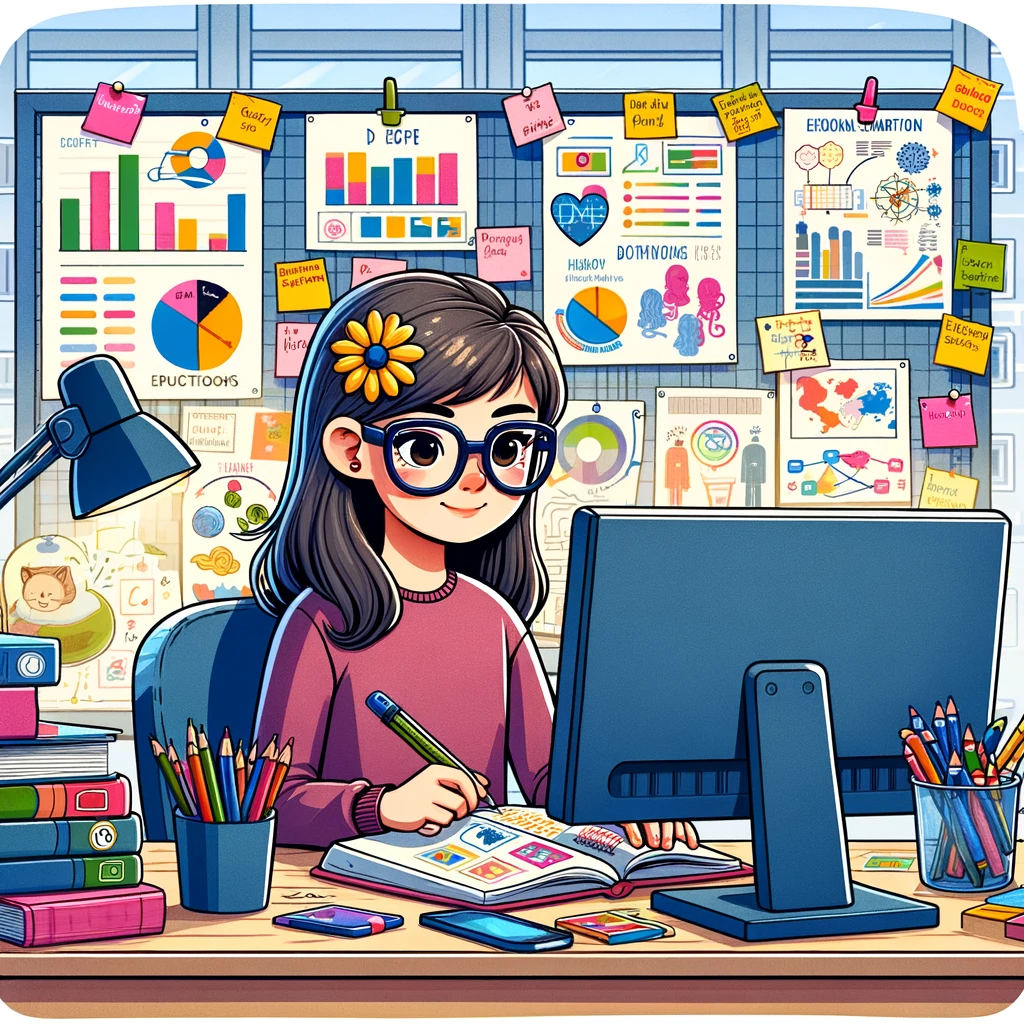
- Post Charts on Your Wall: Hang charts or posters with useful information about the language around your study area.
- Organize Your Space: Keep your learning space tidy and organized with all your visual materials easily accessible.
For visual learners, adapting your study habits to include more visual elements can make language learning much more effective and enjoyable. By using visual aids, watching videos, incorporating color coding, and engaging with real-life materials, you can enhance your ability to understand and retain the new language. Remember, the key is to use visuals actively in your learning process, allowing you to fully utilize your visual learning capabilities to master a new language.

Leverage Technology for Visual Learning
Technology can be a powerful ally in visual language learning. Besides the apps and videos mentioned earlier, consider exploring other technological tools:
- Interactive Websites: Websites like Quizlet offer tools for creating custom flashcards, games, and tests, which can be customized with images and colors.
- Virtual Reality (VR): VR technology can immerse you in real-world language situations, like virtual travel to places where the language is spoken, helping to contextualize your learning visually.
- Augmented Reality (AR): AR apps can overlay your physical environment with language prompts and labels, turning your daily routine into a dynamic learning experience.
Participate in Visual-Based Workshops or Classes
Look for language classes or workshops that focus on visual learning. These classes often use tools like projectors to display visual aids, utilize board games, and offer interactive activities that are not only visually engaging but also promote language practice in a group setting.
Visualize During Practice
When practicing your new language, try to visualize the conversations or scenarios you are talking about. This mental practice can help you remember words and phrases better:
- Scenario Visualization: Before practicing a dialogue, take a moment to visualize the scene in your mind—imagine the setting, the people, and their expressions.
- Word Association Visualization: For each new word, imagine a scenario in which you might use that word, visualizing the objects and actions involved.
Use Storytelling Techniques
Incorporating storytelling into your language learning can significantly enhance memory and comprehension. Create stories using new vocabulary and grammar, and accompany them with illustrations or storyboards. This not only helps in remembering words but also in understanding their use in context.
Create DIY Language Games
Games are a great way to learn visually and interactively. Design your own games that cater to your learning needs:
- Bingo: Create bingo cards with vocabulary words. Draw or attach images that represent each word to the cards.
- Puzzle Matching: Make puzzles by writing words on pieces of paper and matching them with corresponding pictures.
- Board Games: Adapt common board games to include language tasks, such as moving pieces based on answering questions correctly about vocabulary shown in pictures.
Regular Review Sessions Using Visuals
Consistency is key in language learning. Organize regular review sessions where you go over the material you have learned using visuals. Create a visual recap of what you’ve learned each week, using a combination of flashcards, mind maps, or charts. This will help reinforce the material and keep your memory sharp.
Connect with Visual Learner Communities
Connecting with others who are visual learners can provide support and share strategies. Look for forums, social media groups, or local clubs where you can exchange ideas and resources for visual learning. Learning from peers can offer new insights and motivate you to stick with your visual strategies.
Conclusion
Visual learners have a unique advantage in that they can utilize their innate skills to make language learning deeply engaging and highly effective. By embracing a variety of visual aids, technology, and creative approaches like storytelling and games, you can transform your language learning journey into an enjoyable and successful experience. Remember, the best approach is the one that feels most natural to you, so feel free to adapt these tips as you discover what works best for your visual learning style. Happy learning!