Mastering English can sometimes feel like an uphill climb, especially for those learning it as a second language (ESL). Traditional classroom settings and language apps offer excellent frameworks, but they can also feel limiting and detached from real-world usage. That’s why it’s essential to explore alternative methods of language acquisition that can complement your study routine. One such remarkable approach is learning English through local cultural events. These events offer a rich source of linguistic and cultural immersion, providing an engaging and enjoyable atmosphere in which to practice and refine your English skills.
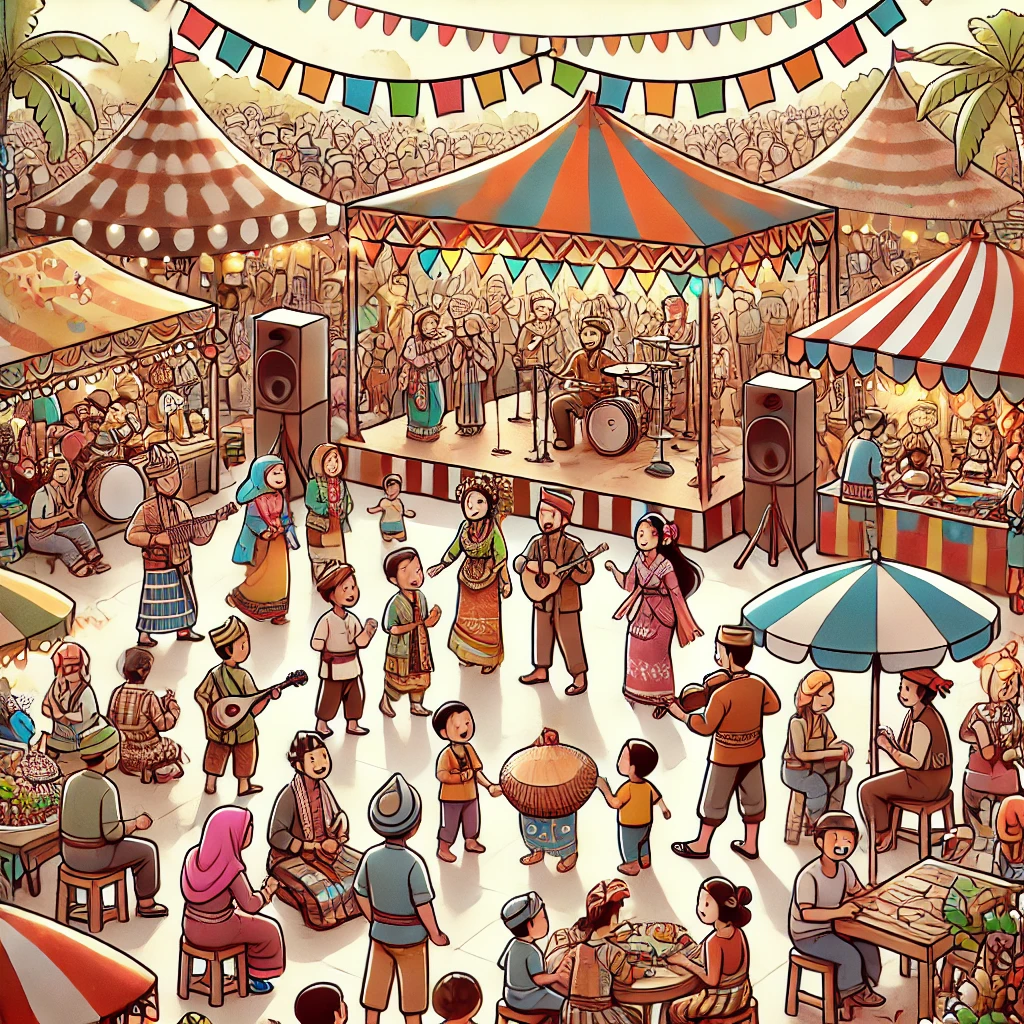
Local cultural events, such as festivals, fairs, and community gatherings, present prime opportunities to interact with native English speakers, understand colloquial expressions, and grasp idiomatic phrases that are often used in casual conversation. Furthermore, these events typically reflect the intricate cultural nuances and traditions that language books may overlook. By participating in local cultural happenings, ESL learners can witness language in action, in its most authentic and dynamic form.
This article aims to guide you on utilizing local cultural events as a robust platform for improving your English proficiency. We’ll dive into the numerous benefits of such events, the variety of activities you can partake in, and practical tips for making the most out of these immersive experiences. Whether you’re an ESL learner just starting your journey or someone looking to polish your existing skills, this method offers an invaluable avenue for growth and enrichment.
Why Local Cultural Events Are Perfect for ESL Learning
Local cultural events are more than just a fun pastime; they are fertile ground for language acquisition. There are several compelling reasons why attending these gatherings can significantly enhance your English skills.
First, cultural events are inherently social. By attending these gatherings, you get the chance to engage in conversations with a variety of people, from event organizers and performers to fellow attendees. Such interactions help to break down language barriers and build confidence in speaking English.
Secondly, local cultural events often feature an extensive range of activities such as food stalls, music performances, art exhibitions, and theatrical plays. Each of these activities offers unique contexts and vocabularies that enhance your learning. For instance, a food festival can familiarize you with culinary terms, while a music concert can introduce you to slang or idiomatic expressions prevalent in song lyrics.
Furthermore, the immersive environment of these events facilitates a more natural and intuitive form of learning. You’re not just learning English in a vacuum; you’re absorbing it in its cultural context, making it easier to retain and apply. Seeing and hearing words being used in real-time helps to cement your understanding and improve your listening and comprehension skills.
Types of Cultural Events to Explore
The array of cultural events available can sometimes be overwhelming, but this variety is an asset to your language learning journey. Here are some categories of events that you might find particularly beneficial:
- Festivals and Fairs: These events are abundant with opportunities for speaking and listening practice. Whether it’s a local food festival, heritage fair, or seasonal celebration, you’ll find plenty of chances to interact with native speakers and learn new vocabulary.
- Theater and Performing Arts: Attending plays, musical performances, or recitals allows you to experience English in its most expressive forms. Theater, in particular, is valuable for understanding spoken English, intonation, and emotional nuance.
- Workshops and Classes: Many cultural events will feature workshops or classes in arts, crafts, cooking, or dance. These are excellent opportunities to follow instructions in English and practice speaking in a more structured setting.
- Community Gatherings and Social Clubs: These can include book clubs, language exchange meet-ups, or hobby groups. Such gatherings provide a comfortable and supportive environment to practice conversational English.
By selecting a mix of these event types, you can diversify your learning experiences and tackle different linguistic challenges, making your journey to English fluency more comprehensive and enjoyable.
Preparing for Cultural Events
To get the most out of cultural events, a bit of preparation can go a long way. Here are some steps you can take to ensure a fruitful experience:
- Research the Event: Prior to attending, gather as much information about the event as possible. Understand the theme, the types of activities available, and the general schedule. This will help you prepare relevant vocabulary.
- Set Learning Goals: Determine what you aim to achieve from attending the event. Do you want to practice specific conversation skills, learn new vocabulary, or understand cultural nuances? Setting clear goals will help you focus your efforts.
- Bring a Notebook: Jot down new words, phrases, and observations as you go through the event. This practice will help in retaining new vocabulary and concepts.
- Prepare Conversation Starters: Think of some questions or topics that you can use to start conversations. This will help ease the anxiety of speaking with strangers and make it easier to engage with others.
- Mind Your Non-Verbal Communication: Your body language, facial expressions, and gestures can significantly impact your interactions. Being mindful of these cues will make your conversations more effective and enjoyable.
With these preparatory steps, you’ll walk into any cultural event with the confidence and readiness to absorb as much language practice as possible.
Engaging During the Event
Once you’re at the event, there’s a lot you can do to maximize your learning potential. Engaging mindfully and actively will make all the difference. Here’s how you can do so:
- Mingle and Network: Don’t hesitate to introduce yourself and strike up conversations. Most people are friendly and open, especially in a festive environment. Aim to speak with individuals from different backgrounds to get well-rounded practice.
- Participate Actively: Whether it’s a cooking demo or a dance workshop, take part enthusiastically. Following instructions and interacting in English in such contexts can be incredibly beneficial for language retention and understanding procedural vocabulary.
- Ask Questions: If you come across something you don’t understand, don’t be shy to ask. Native speakers appreciate curiosity and are usually eager to help, providing you with explanations and even local phrases that you might not find in textbooks.
- Observe and Listen: Sometimes, just listening carefully can be an excellent learning strategy. Pay attention to how people phrase their sentences, the slang they use, and their accents.
By being proactive and engaged, you’ll find that these cultural events are not just entertaining, but also tremendously instructional.
After the Event: Continuous Learning
The learning doesn’t stop once the event is over. There are several steps you can take to ensure that the new knowledge and skills you’ve acquired continue to develop:
- Review Your Notes: Go over the words, phrases, and observations you jotted down. Try to use them in sentences or incorporate them into your daily conversations.
- Follow Up: If you’ve made new friends or acquaintances at the event, keep in touch. This provides you with more opportunities for English practice and helps build a supportive learning network.
- Reflect on Your Experience: Think about what you could have done differently or better. This reflection will help you improve your approach for future events.
- Seek More Opportunities: Look out for similar upcoming events. With each new experience, you’ll find your English proficiency improving incrementally.
Continuous learning and reflection help in solidifying what you’ve learned and motivate you to keep improving.
Conclusion
Learning English through local cultural events provides a dynamic and interactive platform that transcends traditional classroom boundaries. These events offer rich linguistic and cultural landscapes teeming with opportunities for immersive learning and practical application. From engaging in spontaneous conversations to absorbing cultural idiomatic expressions, every interaction at such events helps you inch closer to English fluency.
By actively participating in festivals, theater performances, workshops, and social gatherings, you can enhance your vocabulary, improve your conversational skills, and gain deeper insights into the cultural context of the English language. Preparing adequately before the event, engaging actively during it, and following up afterward are crucial steps to maximize the benefits of this learning approach.
So, go ahead and explore the vibrant tapestry of cultural events in your community. Take the plunge, interact, ask questions, and, most importantly, enjoy the process. You’ll find that this method of learning, filled with real-world interactions and cultural experiences, not only makes mastering English more attainable but also far more enjoyable.
Happy learning, and don’t forget to celebrate your progress along the way!