
Lesson – Introduction to Simple Past vs. Past Progressive Tense

Understanding the nuances between Simple Past and Past Progressive Tense is pivotal for students learning English as a Second Language (ESL). The Simple Past Tense is used to describe actions that were completed in the past at a specific time, conveying the entirety of the action. In contrast, the Past Progressive Tense, also known as Past Continuous Tense, is used to indicate actions that were ongoing in the past. This tense often sets the scene in a narrative or highlights actions that were in progress at a particular time in the past, sometimes being interrupted by other actions.
Remember- the simple past talks about something that happened before. It happened and it finished. Some words are regular and just have -ed added at the end like walked, helped, and played. Others are irregular and have many variations like ate, began, and slept.
The past progressive talks about something that was happening before, but for a period of time. It uses was or were + verb-ing like was eating or were playing. It gives a background for something that was happening while a different event happened.
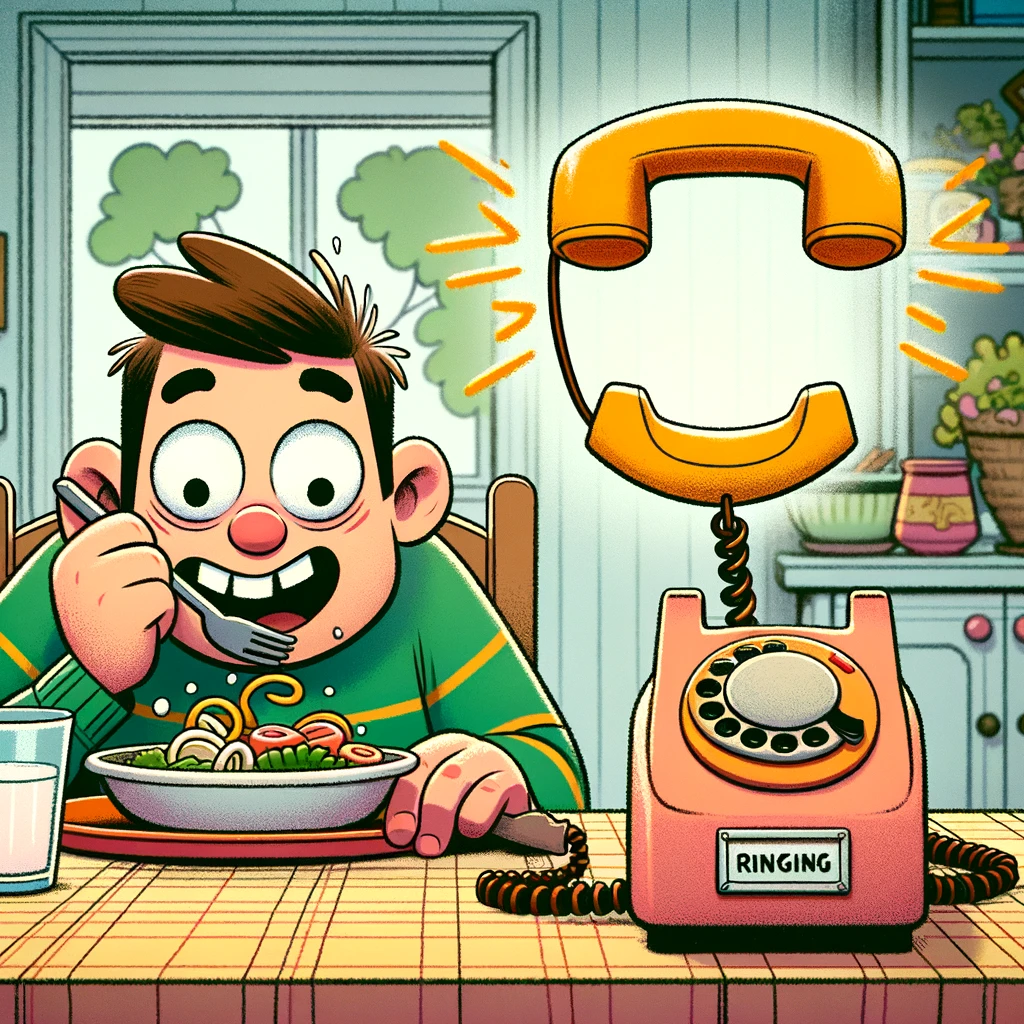
Example: While I was eating, the telephone rang.
So, during the time I was eating (let’s say from 6:30-7:00 p.m.) somebody called my house (let’s say they called at 6:49p.m.) One thing happened (simple past) during the period of time another thing was happening (past progressive.)
Here is another example: They saw an old man as they were walking down the street.
You can think of walking as a video. You see the movement. You see the time passing. Think of saw as a photo. It is one point of time. You don’t think of the time passing.
I dreamed in English when I was sleeping.
She was listening to the radio when the mail came.
They visited Sydney when they were traveling in Australia.

Simple Past vs. Past Progressive Tense Practice Quiz
To further enhance your grasp of these tenses, a practice quiz with 5 questions is included. This quiz is designed to test your understanding of when to use Simple Past and Past Progressive Tenses. Each question will present a sentence with a blank space where you must choose the correct form of the verb provided.
Use the simple past or present progressive tense. Check your answers by clicking on the arrows.
1. I dropped a cup while I (wash) the dishes.
2. Jon and Bill were washing the car when they (see) their friend Alex.
3. Tony came to see me while I (do) my homework.
4. The children (play) when their father came home.
5. When Inga was driving, she (notice) an animal in the road.
6. Annie (call) when Kerry was studying.
7. While the movie was playing, Tomoko (eat) popcorn.

Answer Key:
- was washing
- saw
- was doing
- were playing
- noticed
- called
- ate
Frequently Asked Questions About Simple Past vs. Past Progressive Tense
The Simple Past Tense is used for actions that were completed in the past at a specific time, while the Past Progressive Tense is for actions that were ongoing in the past.
Simple Past: “I watched a movie last night.”
Past Progressive: “I was watching a movie when the phone rang.”
The Past Progressive Tense is formed using the past tense of the verb ‘to be’ (was/were) followed by the present participle of the main verb (-ing form). For example, “She was running.”
Use the Past Progressive to emphasize the ongoing nature of an action in the past, especially when it’s interrupted by another action. For instance, “I was reading a book (ongoing action) when he called (interrupting action).”
Yes, both tenses can be used in the same sentence to show two actions in the past, one in progress and one complete. For example, “While I was cooking (Past Progressive), my friend arrived (Simple Past).”