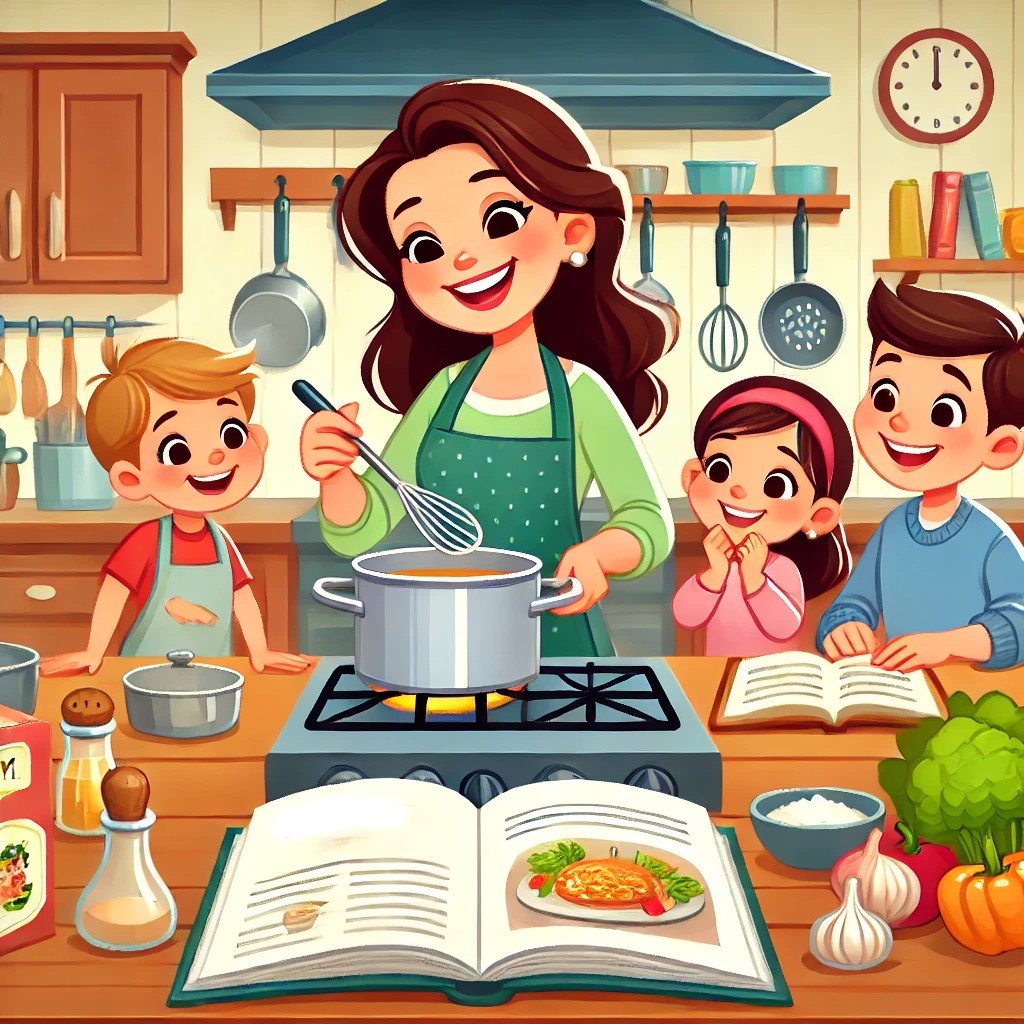
Learning a new language can be challenging, especially when it comes to keeping the process engaging and practical. English, with its broad vocabulary and diverse grammar rules, can sometimes appear daunting to ESL learners. However, integrating language learning into everyday activities can transform the process, making it both enjoyable and effective. One such enjoyable and practical method is through cooking and following recipes. This method not only provides a real-world context for new vocabulary and phrases but also engages multiple senses, which can enhance retention and understanding.
Cooking offers a hands-on experience, where you can practice reading, listening, and comprehension. It’s an excellent opportunity to learn new words related to food, measurements, and cooking techniques. Plus, it’s a creative way to immerse oneself in the cultural aspects of the English language. When you learn through cooking, you are not just passively memorizing words; you are actively applying them, which significantly reinforces your learning.
This article will explore different aspects of learning English through cooking and recipes. We’ll cover how you can improve your vocabulary, follow instructions in English, understand cultural nuances, and even practice conversation skills while cooking. By the end of this article, you’ll have a better understanding of how you can incorporate this practical and enjoyable method into your language learning routine.
Enhancing Vocabulary Through Cooking
One of the primary benefits of learning English through cooking is the enhancement of vocabulary. When you cook, you inevitably come across a variety of new words and phrases. These can range from the names of ingredients to the specific terms used to describe cooking techniques. For example, terms like “sauté,” “whisk,” “simmer,” and “dice” are commonly used in recipes. Learning these words in context can make them easier to remember and use correctly.
To get started, choose simple recipes that you are familiar with in your native language. As you follow the recipe in English, make a note of any new words you encounter. Look up their meanings and use them actively as you cook. Creating a vocabulary list can also be helpful. Write down the words and their meanings, and try to use them in sentences outside of the cooking context to reinforce your learning.
Another useful strategy is to watch cooking shows or online cooking tutorials in English. These resources often introduce a wide range of vocabulary and provide visual context, which can aid comprehension. Pay attention to how the chefs describe the ingredients, the cooking process, and the final dish. Try to replicate these descriptions as you cook.
Cooking with others can also enhance your vocabulary. If you cook with native English speakers, ask them to explain any unfamiliar words or phrases. Engaging in conversations about the cooking process can provide additional practice and help you become more comfortable with using new vocabulary in real-life situations.
Following Instructions in English
Another critical skill that can be developed through cooking is the ability to follow instructions in English. Recipes are essentially a set of instructions that guide you through the process of preparing a dish. By practicing with recipes, you can improve your reading comprehension and ability to follow detailed directions.
Start with simple recipes that have clear, step-by-step instructions. As you become more comfortable, you can move on to more complex recipes. Pay close attention to the verbs used in the instructions, as they often describe specific actions you need to take. For example, words like “chop,” “boil,” “bake,” and “mix” are commonly used in recipes. Understanding these verbs and being able to follow the instructions correctly is crucial to successful cooking and language learning.
Listening to audio recipes or cooking podcasts can also be beneficial. This can improve your listening skills and help you become more familiar with the rhythm and pronunciation of English. Many cooking shows and podcasts provide downloadable transcripts, which can be useful for following along and understanding the instructions better.
Don’t be afraid to make mistakes. Cooking, like language learning, involves trial and error. If you misunderstand a step or make an error, take it as a learning opportunity. Reflect on what went wrong and try to correct it the next time. This iterative process will help you become more adept at following instructions in English over time.
Understanding Cultural Nuances
Learning English through cooking and recipes also provides an excellent opportunity to understand cultural nuances. Food is deeply intertwined with culture, and learning about different dishes and cooking traditions can give you insights into the cultural context of the language.
Exploring recipes from different English-speaking countries can be a fun and educational experience. For example, you could start with traditional American dishes like apple pie or hamburgers, then move on to British classics like fish and chips or shepherd’s pie. Each dish has its own history and cultural significance, which can enhance your understanding of the culture associated with the language.
Many recipes also come with anecdotes or stories about their origins, which can provide additional cultural insights. For example, a recipe for a traditional holiday dish might include information about the customs and traditions associated with that holiday. Reading these stories can give you a deeper appreciation of the culture and make your language learning experience more enriching.
Cooking with others, especially native English speakers, can further enhance your cultural understanding. They can share their personal experiences and explain the cultural significance of certain dishes. This can lead to interesting conversations and provide a more immersive learning experience.
Practicing Conversation Skills
Cooking is often a social activity, which makes it a perfect opportunity to practice your conversation skills. Whether you are cooking with friends, family, or in a cooking class, you can use this time to engage in conversations in English. This can help you practice speaking, listening, and even pronunciation.
When cooking with others, try to initiate conversations about the cooking process. Ask questions, describe what you are doing, and share your thoughts on the recipe. For example, you could ask, “What do you think of this dish?” or “Can you pass me the whisk, please?” These interactions provide real-life practice and can help you become more confident in your speaking abilities.
Cooking classes, especially those conducted in English, can be particularly beneficial. These classes provide a structured environment where you can learn new recipes, interact with instructors and fellow students, and practice your English skills. Many cooking schools offer classes specifically designed for ESL learners, which focus on both cooking and language learning.
Additionally, consider joining online cooking communities or forums where you can share recipes, ask questions, and discuss cooking techniques with other members. Engaging in these online conversations can provide additional practice and help you become more comfortable with using English in a written format as well.
Incorporating Recipes into Your Language Learning Routine
To make the most out of learning English through cooking and recipes, it’s essential to incorporate this method into your regular language learning routine. Here are some practical tips to help you get started:
- Set specific goals: Determine what you want to achieve through this method. For example, you might aim to learn 10 new cooking-related words each week or successfully follow a complex recipe in English.
- Use a variety of resources: Explore different types of recipes, cooking shows, and podcasts. This will expose you to a wide range of vocabulary and cooking techniques.
- Keep a cooking journal: Document your cooking experiences in English. Write down the recipes you try, the new words you learn, and any challenges you encounter. Reflect on your progress and make note of areas where you need improvement.
- Practice regularly: Incorporate cooking into your weekly schedule. The more you practice, the more comfortable you will become with using English in the kitchen.
- Get feedback: If possible, cook with native English speakers or join a cooking class. Their feedback can help you correct any mistakes and improve your language skills.
Remember, learning a language is a gradual process. Be patient with yourself and celebrate your progress along the way. The key is to stay consistent and make learning enjoyable. By incorporating cooking and recipes into your language learning routine, you are not only practicing English, but also gaining a valuable life skill and having fun in the process.
Conclusion
Learning English doesn’t have to be confined to traditional study methods. By incorporating cooking and recipes into your language learning routine, you can create a more engaging and practical learning experience. From enhancing vocabulary and following instructions to understanding cultural nuances and practicing conversation skills, cooking offers a wealth of opportunities for language practice.
Remember to be patient with yourself and embrace the process. Mistakes are a natural part of learning, and every error is an opportunity for improvement. By consistently practicing and immersing yourself in the language, you will gradually become more proficient and confident in your English skills.
Whether you are a beginner or an advanced learner, learning English through cooking can provide a unique and enjoyable way to practice. So, grab your apron, choose a recipe, and start cooking your way to better English skills.