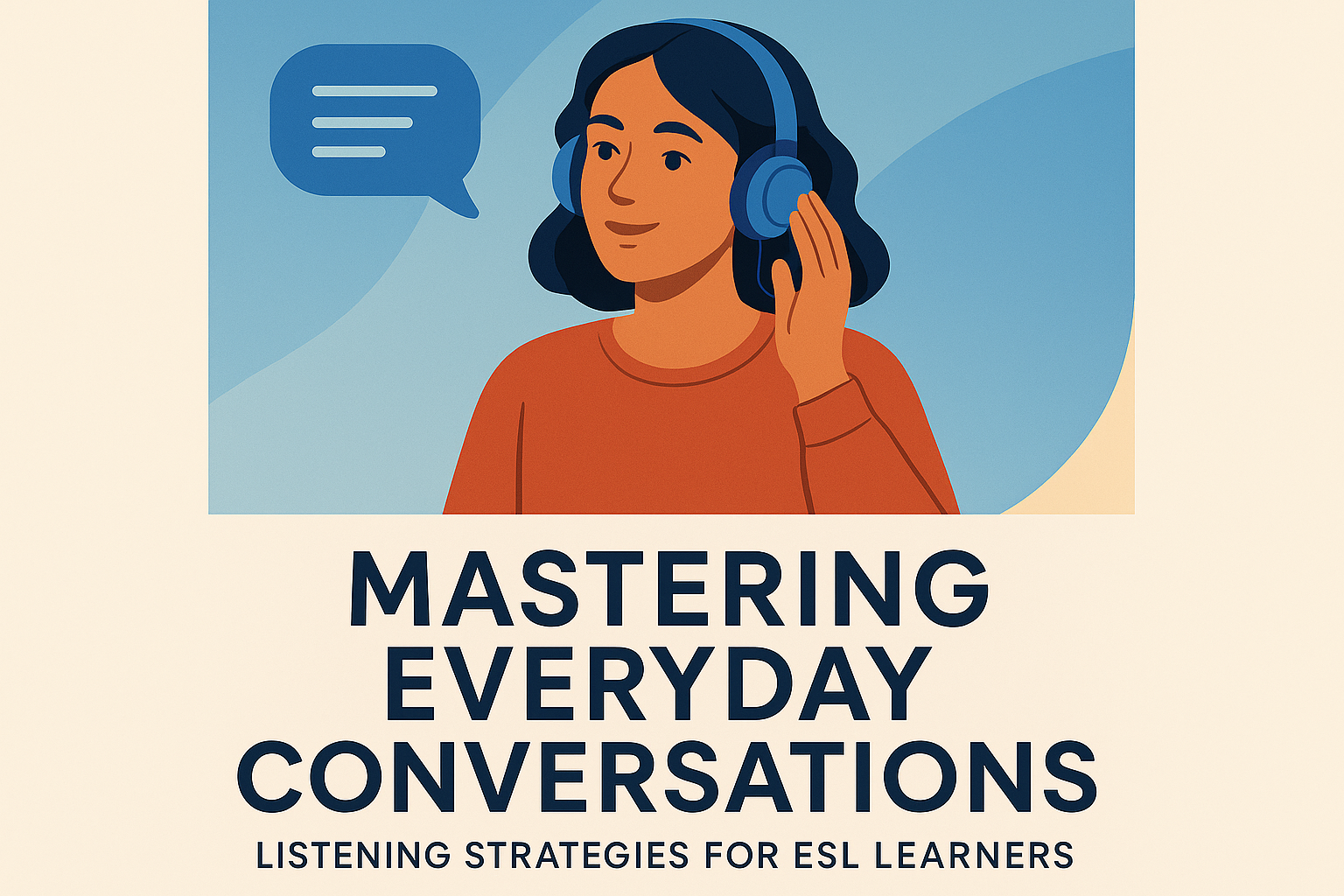
In today’s globalized world, English has emerged as a lingua franca in the business sector, bridging communication gaps across diverse cultures. Proficiency in English is not just about mastering vocabulary and grammar; it’s also about understanding the nuances and practices that make communication effective and respectful in a professional setting. This article delves into the essential English phrases and practices that can enhance your workplace interactions.
Understanding the Basics of Workplace Communication
The Art of Greetings and Introductions
In a professional environment, first impressions are crucial. Simple greetings such as “Good morning,” “Hello,” or “Hi” are universally accepted and can set a positive tone. When meeting someone for the first time, a polite introduction is key. Phrases like “Nice to meet you, I’m [Your Name],” accompanied by a firm handshake, can establish a good rapport.
Email Etiquette
Emails are a cornerstone of business communication. Start with a formal greeting like “Dear [Name]” or “Hello [Name],” and always ensure the subject line is clear and concise. The body of the email should be direct and to the point, avoiding overly casual language. Closing lines like “Best regards” or “Sincerely” followed by your name, are common and appropriate.
Navigating Everyday Interactions
Making Requests and Asking for Help
In the workplace, you often need to ask for assistance or make requests. Phrases like “Could you please help me with…?” or “I would appreciate your assistance with…” are polite ways to ask for help. Remember, it’s important to be clear and specific about what you need.
Offering Assistance and Responding to Requests
Similarly, offering help is a sign of a good team player. Phrases like “How can I assist you?” or “Do you need help with anything?” show your willingness to collaborate. When responding to requests, phrases like “Certainly,” “I’d be happy to,” or “I’m sorry, I’m unable to at the moment,” are appropriate.
Handling Professional Meetings
Starting and Ending Meetings
Effective meeting conduct is a vital skill. Starting a meeting might involve phrases like “Let’s get started” or “Thank you all for being here.” Concluding a meeting often includes a summary of what was discussed and the next steps. Phrases like “To summarize,” or “Before we end, let’s review the action items,” are useful.
Contributing to Discussions
Participating actively in meetings is important. To interject politely, you could use phrases such as “May I add something here?” or “If I could contribute a point.” It’s also important to acknowledge others’ contributions with phrases like “That’s a great point,” or “I agree with [Name].”
Dealing with Conflicts and Apologies
Expressing Disagreement Professionally
Disagreements are natural in any workplace. Expressing your opinion respectfully is key. Phrases like “I see your point, but I think…” or “I respectfully disagree because…” can convey your perspective without offending others.
Offering and Accepting Apologies
In instances where misunderstandings occur, knowing how to apologize is important. Simple phrases like “I apologize for…” or “I’m sorry, it was not my intention to…” can diffuse tensions. Accepting apologies with “Thank you for your apology, I appreciate it” is equally important for maintaining professional relationships.
Advanced Communication Skills
Giving and Receiving Feedback
Feedback is a two-way street in the professional world. When giving feedback, be constructive and specific. Phrases like “I appreciate your effort on this, but I suggest…” can be effective. When receiving feedback, phrases like “Thank you for the feedback, I’ll take that into consideration” show your openness to growth.
Negotiating and Persuading
Negotiations require a blend of assertiveness and tact. Phrases like “I understand your position, however, from our perspective…” or “If we could find a middle ground…” are helpful. Persuading someone might involve phrases like “Have you considered…?” or “I believe this approach might be beneficial because…”
Cultural Sensitivity and Inclusivity
Respecting Diversity
In a multicultural workplace, it’s important to be culturally sensitive. Avoid making assumptions about colleagues based on their background. Phrases that show respect and interest in other cultures, such as “I’m curious to know about…” or “Could you tell me more about…?” can foster inclusivity.
Language of Inclusion
Inclusive language is key in modern workplaces. This involves using gender-neutral terms like “they” instead of “he/she,” and being mindful not to exclude any group. Phrases that encourage participation, like “What are everyone’s thoughts?” or “I’d like to hear different perspectives,” are examples of inclusive language.
English in the workplace is not just about fluency but also about understanding and adapting to the nuances of professional communication. By mastering these essential phrases and practices, you can navigate various workplace scenarios with confidence and poise, building strong professional relationships along the way.
Enhancing Communication through Active Listening
The Importance of Listening
Active listening is a critical component of effective communication. It involves not just hearing
, but also understanding and responding thoughtfully to what is being said. In the workplace, this skill is invaluable for building trust and ensuring clarity. Phrases like “I understand what you’re saying,” or “Can you elaborate on that point?” demonstrate that you are engaged and interested in the conversation.
Acknowledging and Clarifying
During discussions, it’s important to show that you are following along and to clarify any points of confusion. Phrases such as “So, if I understand correctly…” or “Just to clarify, you’re saying that…” can be very helpful. These not only ensure that you have understood correctly but also give the other person a chance to explain further if necessary.
Building Professional Relationships
Networking and Small Talk
Networking is a key aspect of professional growth. Engaging in small talk can be a gateway to more meaningful professional relationships. Phrases like “How was your weekend?” or “What projects are you currently working on?” can open up conversations. Remember, the goal is to find common ground and establish a connection.
Expressing Gratitude
Gratitude goes a long way in the workplace. Simple phrases like “Thank you for your help,” or “I really appreciate your time,” can make colleagues feel valued and respected. Acknowledging the efforts of others not only fosters a positive work environment but also strengthens professional bonds.
Professional Development and Growth
Seeking Opportunities for Growth
In the pursuit of professional development, it’s important to express your aspirations and openness to new challenges. Phrases like “I’m interested in taking on more responsibilities,” or “I’d like to develop my skills in…” can signal your ambition and desire for growth to your superiors.
Discussing Career Goals
Having conversations about your career trajectory with your manager or mentor is vital. Phrases like “I see my future role as…” or “My career goals include…” help in setting a clear path for your professional development. It’s also an opportunity to receive guidance and support in achieving these goals.
Conclusion
Mastering English in the workplace extends beyond mere linguistic ability. It’s about understanding the cultural and interpersonal nuances that make up the fabric of professional communication. By incorporating these phrases and practices into your daily interactions, you’re not only enhancing your language skills but also enriching your professional relationships and paving the way for a successful career.
This comprehensive guide provides a foundation for effective communication in English within the workplace. Whether you are a non-native English speaker looking to improve your language skills or a native speaker aiming to refine your professional interactions, these phrases and practices are essential tools in your arsenal. Remember, effective communication is a skill that evolves over time with practice and mindfulness.