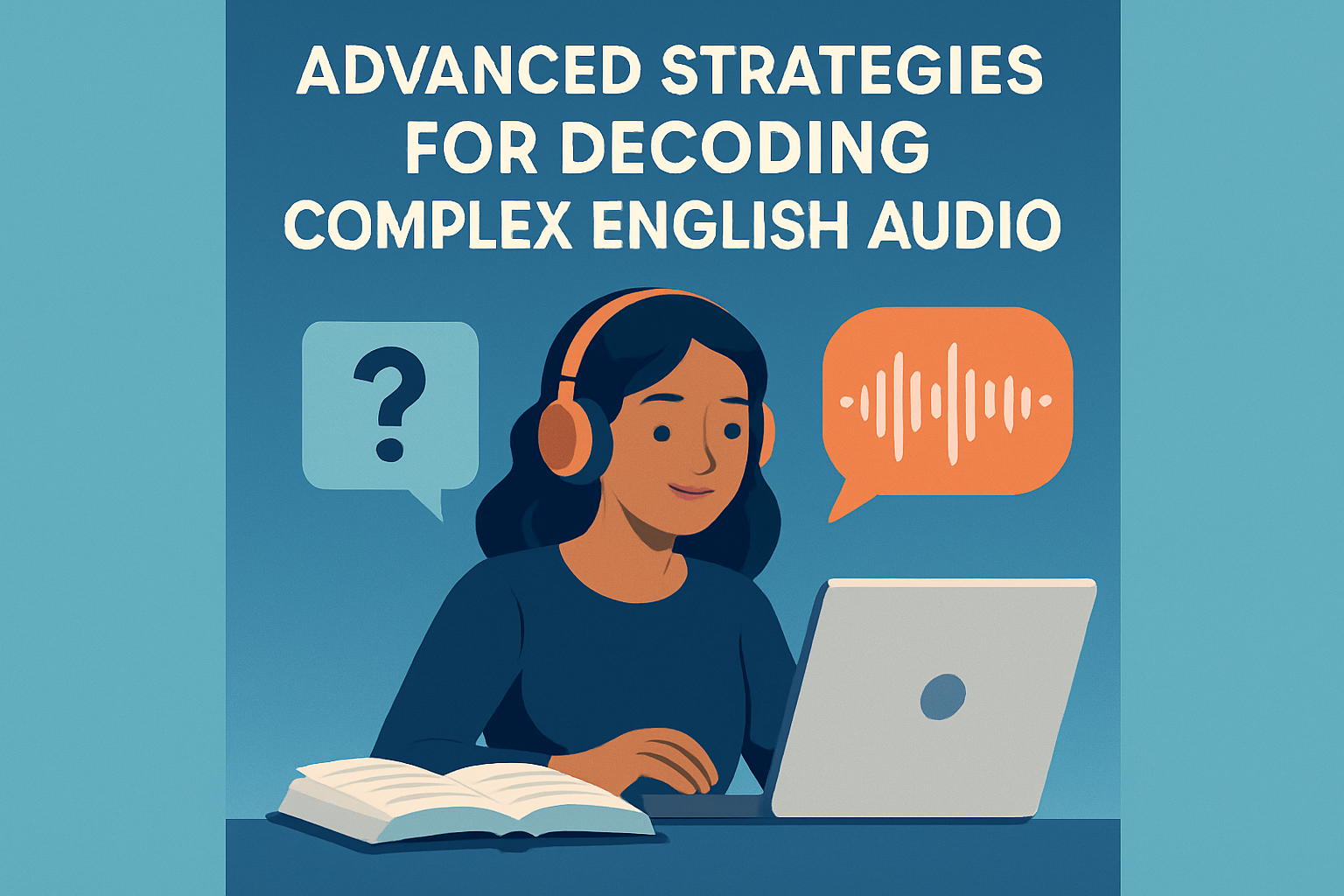
In the ever-evolving landscape of education, the integration of technology in English as a Second Language (ESL) education has marked a transformative era. The digital age has not only redefined the methodologies of teaching and learning but also expanded the horizons for ESL learners worldwide. This article delves into the multifaceted relationship between language learning and technology, highlighting the innovations, challenges, and future prospects in ESL education.
The Rise of Digital Platforms in ESL Learning
The Shift to Online Learning
The advent of the internet and digital platforms has revolutionized the way ESL is taught and learned. Traditional classroom settings are increasingly being complemented and, in some cases, replaced by online courses, language learning apps, and interactive websites. These platforms offer flexibility and accessibility, enabling learners to study at their own pace and from any location.
Interactive Tools and Resources
Digital tools have transformed the ESL learning experience by making it more interactive and engaging. Language apps like Duolingo, Babbel, and Rosetta Stone use gamification to make learning fun and effective. Online dictionaries, grammar checkers, and language forums provide immediate assistance and resources, facilitating a more immersive learning experience.
The Role of Artificial Intelligence in ESL
Personalized Learning Experiences
Artificial Intelligence (AI) in ESL education tailors the learning experience to the individual’s needs. AI-driven language programs can assess a learner’s proficiency level and learning style, subsequently adapting the curriculum accordingly. This personalized approach ensures more effective learning outcomes.
Automated Language Tutors
AI technology has also given rise to virtual tutors and chatbots. These AI tutors can converse with students in real-time, providing instant feedback and corrections. This not only aids in improving conversational skills but also in building confidence in using the language.
Multimedia and ESL Education
The Power of Video and Audio
The use of multimedia elements like videos, podcasts, and audiobooks in ESL education has been a game-changer. They not only aid in improving listening skills but also provide contextual learning through visual and auditory cues. Websites like YouTube have an abundance of channels dedicated to ESL learning, offering free and accessible resources for learners.
Virtual and Augmented Reality
Emerging technologies like Virtual Reality (VR) and Augmented Reality (AR) are beginning to find their place in ESL education. These technologies create immersive environments for learners, simulating real-life scenarios where they can practice language skills in a controlled yet realistic setting.
The Impact of Social Media on ESL Learning
Learning Through Engagement
Social media platforms have emerged as unconventional but effective tools for language learning. Platforms like Twitter, Facebook, and Instagram offer opportunities for learners to engage with native speakers, follow language learning pages, and participate in language challenges.
Digital Communities and Peer Learning
Social media also fosters digital communities where ESL learners can connect, share experiences, and learn from each other. These communities provide a supportive environment for learners to practice their language skills without the fear of judgment.
Challenges and Considerations
Balancing Technology and Traditional Methods
While technology offers innovative approaches to language learning, it is crucial to strike a balance with traditional teaching methods. Face-to-face interactions and traditional classroom environments play a vital role in developing communication skills and cultural understanding.
Ensuring Quality and Accreditation
With the plethora of online ESL courses and resources available, ensuring the quality and accreditation of these resources is a challenge. Learners need to be discerning in selecting reputable and effective programs.
Future Prospects in ESL Education
Integration of Emerging Technologies
The future of ESL education is likely to see a greater integration of emerging technologies. Developments in AI, machine learning, and immersive technologies will continue to enhance the learning experience and effectiveness of ESL education.
Bridging Cultural Gaps Through Technology
Technology in ESL education has the potential to bridge cultural gaps. By connecting learners from diverse backgrounds, it promotes cultural exchange and understanding, an essential component of language learning.

Embracing the Digital Classroom: Opportunities and Strategies
The Flipped Classroom Model
In the digital age, the flipped classroom model has gained popularity in ESL education. This approach involves students engaging with digital content, such as video lectures or interactive modules, at home, and using classroom time for discussions, practice, and collaborative activities. This model leverages technology to provide a more student-centered learning experience, enabling learners to absorb content at their own pace and apply it practically in the classroom.
Collaborative Learning Through Technology
Digital tools have also enhanced collaborative learning. Platforms like Google Classroom, Zoom, and Microsoft Teams enable real-time collaboration and communication among students and teachers across different geographical locations. This collaboration fosters a sense of community and encourages peer-to-peer learning, which is crucial in language acquisition.
Digital Literacy in ESL Education
Integrating Digital Literacy Skills
As technology becomes integral to ESL education, there is a growing need to integrate digital literacy skills into the curriculum. Teaching students how to effectively use digital tools, evaluate online resources, and practice safe online behaviors is becoming increasingly important. This not only aids in language learning but also prepares students for a digitalized world.
Challenges of Digital Divide
Despite the advantages, the digital divide remains a significant challenge. Not all students have equal access to digital devices and high-speed internet, which can hinder their ability to participate in digital learning. Addressing this divide is crucial to ensure that all learners have the opportunity to benefit from technology-enhanced ESL education.
Technology in Assessment and Feedback
Innovative Assessment Methods
Technology has introduced new methods for assessing ESL learners. Online quizzes, interactive assessments, and language proficiency apps provide immediate feedback and track progress over time. This instant feedback is valuable for both students and educators in identifying areas of strength and improvement.
Data-Driven Insights
The use of technology also allows for the collection and analysis of learning data. Educators can use this data to gain insights into student performance, engagement levels, and learning patterns. This data-driven approach can inform teaching strategies and curriculum adjustments to better meet the needs of learners.
Preparing Educators for the Digital Shift
Professional Development in Digital Tools
For effective integration of technology in ESL education, teacher training is essential. Professional development programs focused on digital tools, online teaching methodologies, and integrating technology into the curriculum are vital. Educators need to be equipped with the skills to effectively use technology to enhance language learning.
Fostering a Growth Mindset
Embracing new technologies also requires a shift in mindset for educators. Fostering a growth mindset, where educators are open to learning and adapting to new technologies, is key to the successful integration of digital tools in ESL education.
Looking Ahead: The Future of ESL in the Digital Age
Continuous Innovation
As technology continues to evolve, so will the methods and tools available for ESL education. Continuous innovation in educational technology is expected, offering new and improved ways for language learning and teaching.
Global Connectivity and Language Learning
The digital age has the potential to make language learning more globally connected than ever before. Technology enables learners to interact with native speakers and cultures from around the world, providing a rich, authentic language learning experience.
Ethical Considerations and Data Privacy
As we advance, ethical considerations and data privacy in the use of technology in education will become increasingly important. Protecting student data and ensuring ethical use of AI and machine learning in education are challenges that will need to be addressed.
Conclusion
The digital age has brought about significant changes in ESL education, offering new opportunities and challenges. The integration of technology in language learning has enhanced accessibility, engagement, and effectiveness. As we move forward, it is imperative to continue exploring innovative solutions, addressing the digital divide, and preparing educators for the evolving landscape of ESL education. The future of ESL in the digital age is not just about learning a language; it’s about connecting cultures, embracing technology, and preparing for a globalized digital world.