Introduction to Storytelling Traditions
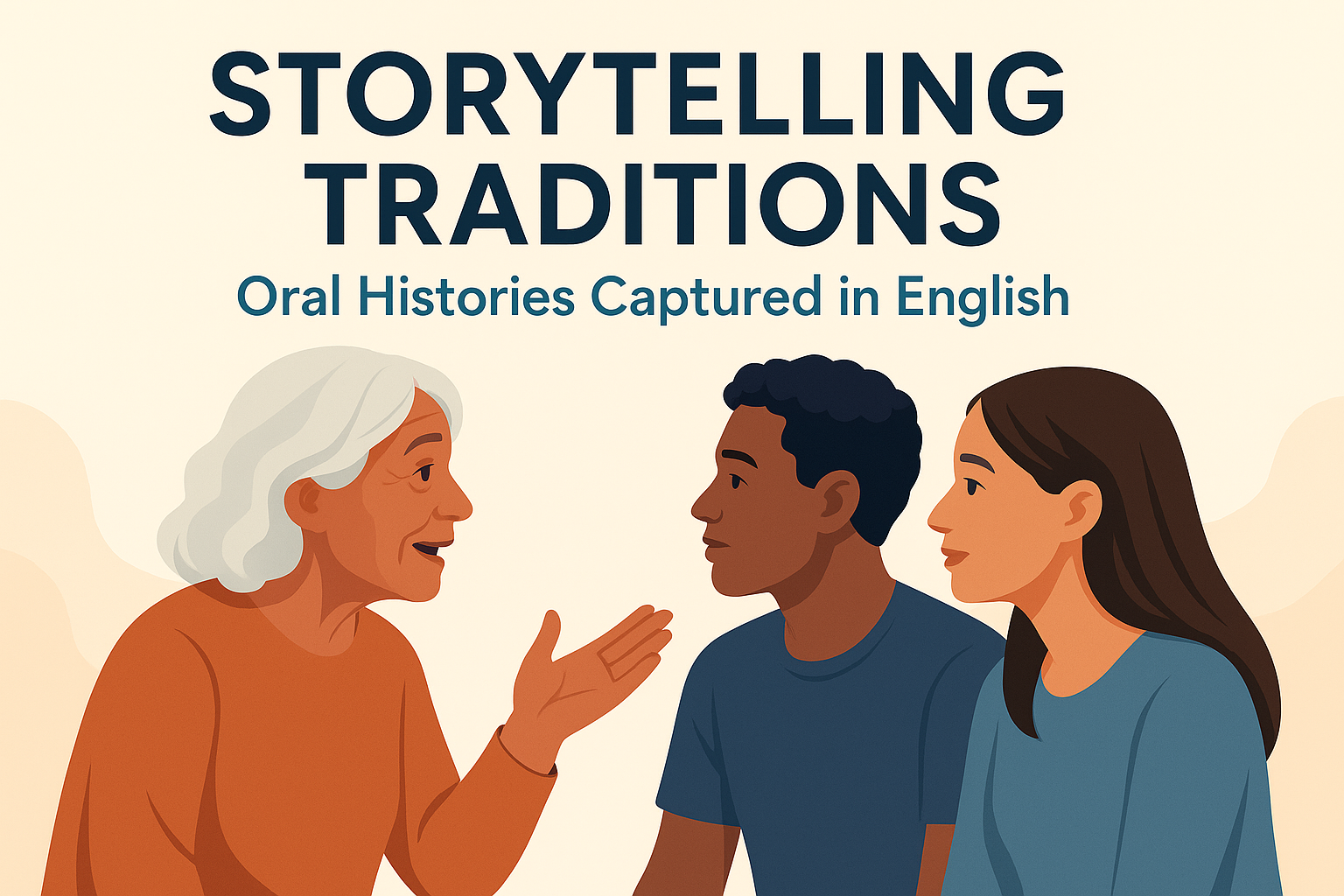
Storytelling has been an integral part of human culture for thousands of years. From the earliest cave paintings to the digital narratives of today, telling stories is how we communicate our experiences, beliefs, and values. The oral tradition, in particular, is a powerful medium for preserving history and knowledge, offering a vibrancy and immediacy that can often be lost in written accounts. Oral histories are the purposeful capture of these verbal narratives, ensuring they endure beyond the fleeting moments in which they are spoken.
In English-speaking cultures, use of oral history methods has expanded greatly, helping to document personal and collective experiences. This practice matters tremendously because it captures the voices that traditional historical records may overlook, such as those of indigenous communities, minorities, or everyday people who might otherwise remain unheard in the annals of written history.
By giving platform to diverse voices, oral histories enrich our understanding of the past and foster empathy across different cultures and generations. In this article, we will explore the nuances of oral storytelling traditions, the ways in which oral histories are captured in English, and the impact these have on preserving cultural heritage and identity.
Understanding Oral Traditions
Oral tradition is an ancient form of storytelling where stories are spoken, sung, or chanted, rather than written down. This method is not just about narrating incidents; it includes a wide array of cultural practices such as myths, legends, proverbs, and songs. Oral traditions serve essential roles in societies, from providing entertainment to teaching morality and preserving historical events.
For example, among the indigenous communities of North America, stories are often told through storytelling circles, where listeners gather to hear elders share their wisdom. These stories can explain the origins of certain customs, convey historical events, or impart moral lessons. The rich detail and human emotion conveyed through these verbal stories offer insights into their ways of living that written records sometimes fail to capture.
The oral tradition surpasses mere storytelling; it encourages community participation and ensures each story is tailored to its audience, strengthening bonds and influencing listeners to reflect on their own beliefs and behaviors. Unlike static written texts, the oral tradition allows for stories to evolve with each retelling, adapting to contemporary contexts while remaining rooted in tradition.
Capturing Oral Histories in English
The practice of capturing oral histories involves the recording and transcription of spoken narratives. This is essential in an English-speaking world where written documentation often overshadows verbal accounts. When capturing oral histories, special attention is given to preserve the nuances of speech, including intonation, pauses, and emotion, which contribute significantly to the storytelling experience.
For instance, the British Library’s Oral History Collection showcases a variety of interviews from individuals spanning multiple generations and social backgrounds. Through these recordings, we learn about the personal experiences of those who lived through historical events such as World War II, offering perspectives that written documents alone cannot provide.
Such digital archives play a crucial role in making oral histories accessible to wider audiences. They preserve the spoken word in its authentic form, allowing future generations to hear and understand the voices and expressions of the past. The digital nature of these archives also provides a platform for sharing stories globally, connecting people across continents through shared experiences and emotions.
The Role of Modern Technology in Preserving Oral Traditions
Today’s technological advancements have opened new possibilities for preserving and sharing oral traditions. Digital recorders and video technologies offer versatile ways to capture the richness of spoken stories, ensuring they are not lost over time. Internet platforms provide a space for these narratives to be showcased, extending their reach beyond local communities to global audiences.
Consider the example of StoryCorps in the United States, which has recorded more than 600,000 interviews since its inception. Through technology, StoryCorps documents personal stories of everyday Americans, presenting them in podcasts, animated episodes, and radio broadcasts. These recordings not only capture voices but also allow for the sharing of diverse American experiences across social, economic, and racial lines.
Modern technology helps overcome barriers such as geographic isolation or limited literacy, amplifying voices that might otherwise remain unheard. By leveraging these tools, oral historians can effectively bridge past and present, ensuring that cultural heritage and communal bonds are maintained for future generations.
| Tradition | Region | Medium |
|---|---|---|
| Haida Myth Telling | Pacific Northwest | Oral Narratives |
| StoryCorps Interviews | United States | Audio/Video Recording |
| Aboriginal Songlines | Australia | Song & Story |
The Significance of Oral History in Education
Oral histories are also valuable educational tools, capable of engaging students by connecting them with past events and cultural practices in a meaningful way. These narratives bring history to life, allowing students to hear accounts directly from individuals who experienced events firsthand or from esteemed storytellers preserving centuries-old traditions.
For example, the use of slave narratives in American history classes provides an unfiltered view into the lives of enslaved people, offering personal insights that challenge sanitized versions of historical events typically found in textbooks. Listening to these stories cultivates empathy and critical thinking, encouraging students to question and further research historical narratives.
By incorporating oral histories into educational curricula, educators give students the opportunity to appreciate the complexity and diversity of human experience. This approach nurtures a deeper understanding of history and inspires students to become active participants in preserving and appreciating cultural heritage.
The Impact of Oral History on Cultural Heritage
Oral histories play an indispensable role in preserving cultural heritage by ensuring that traditions, values, and languages are passed down through generations. These narratives often carry cultural markers such as idiomatic expressions, dialects, and cultural references that written formats may not fully capture, providing a more authentic record of how communities perceive themselves and their place in the world.
An illustrative example is the Gullah community in the southeastern United States, where oral traditions have been vital in preserving the Gullah language and culture. Through oral history interviews and storytelling, the community continues to share its rich heritage, emphasizing their African ancestry and unique way of life, despite the pressures of modernization and cultural assimilation.
By preserving and sharing these oral histories, communities maintain a sense of identity and pride in their heritage. This cultural continuity is crucial in an ever-globalizing world, helping to prevent the erosion of unique cultural identities and fostering respect and appreciation for multicultural diversity.
Conclusion: Harnessing the Power of Oral Histories
The significance of oral storytelling traditions and the capture of these histories in English cannot be overstated. By embracing oral histories, we gain access to diverse perspectives, deepen our understanding of history, and preserve the cultural heritage that defines who we are. These narratives keep alive the voices of individuals and communities, strengthening intercultural connections and a collective memory.
The power of oral histories lies in their ability to make history accessible to all, especially those whose voices have historically been marginalized. As a reader, recognize the richness of these stories and the insights they offer—be it for education, cultural preservation, or personal growth. Take the initiative to explore oral history projects, listen to the narratives captured, and consider contributing your story to enrich this ever-expanding tapestry of human experience.
Let these stories inspire you to think critically, empathize broadly, and act courageously in preserving and sharing the narratives that matter. We can all play a role in ensuring that the vibrant tradition of oral storytelling thrives for generations to come.
Frequently Asked Questions
What are oral traditions, and why are they important in storytelling?
Oral traditions are the practice of passing down stories, history, beliefs, and cultural knowledge through spoken word rather than written text. This form of storytelling has been alive throughout human history, serving as a critical method for cultural preservation, education, and entertainment. Oral traditions are vital because they offer a dynamic way of keeping historical narratives alive. They allow for a personal connection between the storyteller and the audience, making the story not just about the facts but about the emotions and nuances conveyed through tone, inflection, and personal interpretation. This immediacy and vitality often make oral histories more memorable and impactful than written records, preserving the ethos of a community or culture over generations.
How are oral histories captured and preserved in modern times?
In today’s world, oral histories are captured using various recording technologies, ranging from simple audio recording devices to sophisticated video equipment. This technological advancement allows for a richer preservation of oral traditions, encapsulating body language and emotion in addition to words. Interviews or storytelling sessions are conducted in natural settings where the narrator feels comfortable, facilitating authentic storytelling. Once recorded, these narratives are transcribed and often translated, making them accessible to broader audiences and ensuring that they are archived for future generations. Digital archives offer robust platforms for storing and sharing these stories, thus ensuring they remain integral parts of cultural heritage.
Can you provide examples of cultures with strong oral storytelling traditions?
Many cultures around the globe have strong oral storytelling traditions. For example, Indigenous peoples of North America have rich oral histories that convey their traditional knowledge, stories of creation, and lessons from ancestors. Similarly, African griots or jeliw carry oral histories through generations, preserving genealogies, historical narratives, and cultural philosophy in West African countries. In Ireland, the seanchaí tell tales steeped in folklore about local legends and myths. These examples highlight how storytelling serves not only as entertainment but as a collective memory and identity for these cultures, embodying their social values, laws, and history.
How does the oral tradition compare to written history in terms of reliability?
Both oral and written histories have their strengths and challenges in terms of reliability. Oral histories offer a personal and often subjective perspective that can capture the emotional and human aspects of historical events. However, they may be less consistent, as the storytelling can vary with each retelling, adding layers of interpretation or adapting to contemporary contexts. Written history, meanwhile, provides a more static, ‘frozen’ account of events, allowing for careful analysis and preservation over time. This often lends an air of neutrality or authority. However, it can sometimes lack the depth of experiential detail that oral histories provide. Instead of viewing one as superior, it is essential to consider both forms as complementary, offering a fuller understanding of historical narratives.
What role does language play in the oral tradition of storytelling?
Language is at the heart of oral traditions as it serves as the vessel through which stories are told and shared. The choice of language can affect how a story is perceived and understood, as language carries not just words, but cultural contexts, idioms, and expressions unique to that narrative. In many cultures with rich oral traditions, stories are often told in the native or indigenous language, preserving not just the story, but the culture’s linguistic heritage. Nuances in language such as tone, rhythm, emphasis, and even silence play significant roles in conveying emotion and meaning. Language in oral traditions gives voice to the past, enabling storytellers to express identities, worldview, and the philosophical underpinnings of their culture effortlessly. Therefore, preserving language is often as crucial as preserving the narratives themselves.