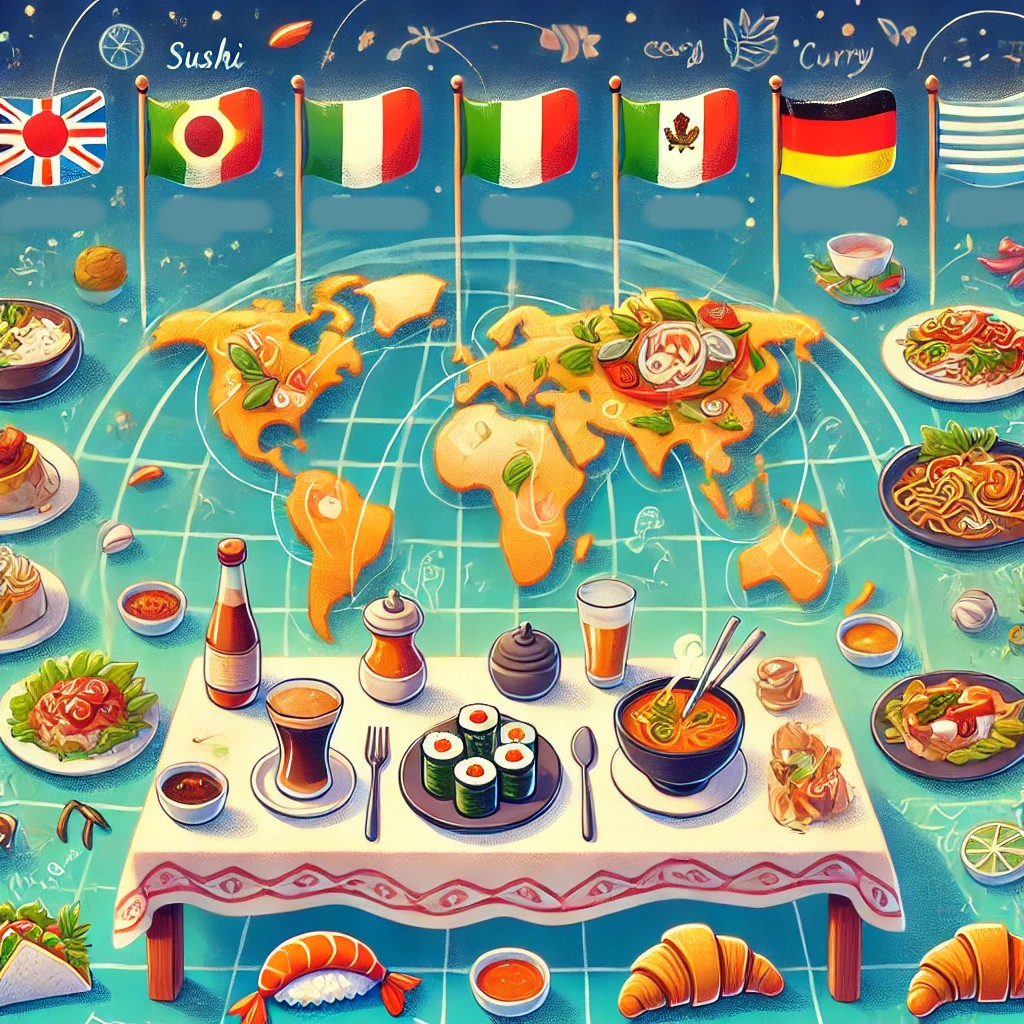
English has become a global lingua franca, a common language spoken by people from different countries and cultures. This isn’t just limited to business or academia; English’s reach extends to a variety of fields, including the culinary world. Nations have rich, diverse culinary traditions developed over centuries, but English’s growing influence has subtly and, in some cases, significantly impacted global culinary trends. Whether it’s through the naming of dishes, the sharing of recipes, or the international appeal of English-speaking celebrity chefs, the influence of English is undeniable.
In this article, we will explore how the English language has shaped and continues to shape culinary trends around the globe. We’ll look at examples of English’s impact within various culinary traditions, examine the role of media, and consider the influence of global English-speaking chefs. We will also delve into how English has affected food marketing and packaging, offering insights into this fascinating culinary-cultural interplay. If you’re passionate about food adventures and love to explore the various cultural influences within cuisine, you’ll find this an interesting read.
The Role of Media in Spreading English Culinary Terms
The media, especially television and the internet, has played a significant role in disseminating English culinary terms worldwide. Cooking shows hosted by English-speaking chefs often introduce global audiences to new ingredients and techniques. Terms like ‘brunch,’ ‘smoothie,’ ‘cupcake,’ and ‘barbecue’ are now part of the common vernacular in many non-English speaking countries. Cooking channels and YouTube videos have made terms such as ‘sous-vide,’ ‘deconstructed,’ and ‘fusion’ popular beyond English-speaking borders.
Moreover, English-language food blogs and recipe websites attract millions of visitors worldwide. They often serve as go-to resources for culinary inspiration, thereby spreading English culinary vocabulary. Social media platforms like Instagram and TikTok also play a significant role in this dissemination. Food influencers and home chefs share recipes, cooking tips, and food trends in English, making it easy for these terms to gain global traction. As a result, the culinary world becomes a melting pot of cultures, with English serving as the unifying language of gastronomic exploration.
English-speaking Celebrity Chefs as Global Ambassadors
The rise of celebrity chefs, particularly those from English-speaking countries, has had a monumental impact on global culinary trends. Figures like Gordon Ramsay, Jamie Oliver, Nigella Lawson, and Anthony Bourdain have transcended their cultural origins to become global icons. Through their television shows, cookbooks, and online content, they introduce international audiences to new culinary concepts, making terms like ‘al dente,’ ‘mise en place,’ and ‘umami’ part of everyday language. Their influence extends to restaurants and home kitchens worldwide, where their recipes and techniques are often emulated.
These chefs often act as culinary ambassadors, promoting dishes from their culture while also embracing and popularizing global cuisines. For instance, Gordon Ramsay’s shows frequently incorporate elements from French, Italian, and Asian cuisines, making these culinary traditions more accessible to a global audience. Jamie Oliver’s focus on healthy eating and simple cooking has inspired people worldwide to adopt better eating habits. Nigella Lawson’s heartfelt, relatable cooking style has popularized homemade comfort foods across different cultures. Anthony Bourdain, through his travel shows, has shown the beauty and diversity of culinary practices around the world, often narrating his experiences in English, which enables a wide-reaching, cross-cultural impact.
The Influence of English on Food Packaging and Marketing
English is also the dominant language in global marketing, including food packaging. International food brands often use English on their packaging to appeal to a broader audience. Even local brands in non-English speaking countries sometimes use English words or phrases to give their products a modern, cosmopolitan vibe. Words like ‘organic,’ ‘gluten-free,’ ‘vegan,’ and ‘superfood’ are commonly found on food labels worldwide, thanks to English’s extensive reach.
Additionally, food advertisements often use English slogans or taglines to resonate with a global audience. This practice helps create a sense of familiarity and trust among consumers, making the products more appealing. English’s versatility and widespread use make it an effective tool for marketers looking to reach diverse demographics. Consequently, this influences consumer preferences and buying habits, further entrenching English in the global culinary lexicon.
Fusion Cuisine and the Integration of English Culinary Terms
Fusion cuisine, which combines elements from different cultural culinary traditions, has significantly benefited from the influence of English. As a global lingua franca, English serves as a bridge, facilitating the exchange of culinary ideas and practices. Terms like ‘sushi burrito,’ ‘kimchi tacos,’ and ‘pasta primavera’ are hybrid names that blend linguistic and culinary elements. These dishes are not only a testament to the blending of flavors but also to the blending of languages, with English acting as the common thread.
Chefs around the world often use English to describe their innovative creations, making it easier for these dishes to gain international recognition. Menu descriptions frequently combine local language with English, providing a clear and appealing explanation for diners. This practice helps demystify unfamiliar ingredients or culinary techniques, making fusion cuisine more approachable. As a result, English plays a pivotal role in the evolution of global culinary trends, fostering cross-cultural culinary experimentation and appreciation.
English-language Culinary Education and Its Global Impact
English-language culinary education programs have a significant impact on global culinary trends. Prestigious culinary schools such as Le Cordon Bleu, the Culinary Institute of America, and the International Culinary Center offer courses in English, attracting aspiring chefs from all over the world. These programs ensure that graduates are well-versed in English culinary terminology, making it easier for them to work in diverse international settings.
In addition to formal education, online culinary courses and workshops conducted in English provide accessible learning opportunities for cooking enthusiasts worldwide. Platforms like MasterClass, Udemy, and Coursera offer courses taught by renowned chefs, further spreading English culinary jargon. This widespread availability of English-language culinary education contributes to a shared culinary dialogue, promoting a deeper understanding and appreciation of diverse cooking traditions.
Conclusion
The influence of English on global culinary trends is multifaceted and profound. From media and celebrity chefs to food packaging and fusion cuisine, English acts as a powerful conduit for cultural exchange and culinary innovation. Its widespread use in culinary education ensures that future generations of chefs are well-equipped to navigate the global culinary landscape, further solidifying English’s role in shaping and spreading culinary trends.
As the world becomes increasingly interconnected, the influence of English on food and cuisine will likely continue to grow. This trend not only enriches our culinary experiences but also fosters a greater understanding and appreciation of diverse culinary traditions. Whether you’re an aspiring chef, a food enthusiast, or simply someone interested in the cultural intersections of language and cuisine, the impact of English on global culinary trends is a fascinating topic worth exploring.