Cultural festivals have long been recognized as platforms for promoting understanding, unity, and appreciation between cultures. Among their various benefits, one of the most significant yet often overlooked advantages is the enhancement of language skills, particularly in English. As globalization continues to interconnect communities and cultures, the ability to communicate effectively in English—a lingua franca—is invaluable. This aspect of cultural festivals is especially crucial in today’s multicultural societies, where language not only serves as a tool for expression but also as a bridge connecting diverse cultural experiences. By participating in cultural festivals, individuals can immerse themselves in an English-speaking environment that fosters organic learning. This setting provides attendees with opportunities to practice English through interactions with native speakers, experience cultural nuances firsthand, and gain a deeper understanding of regional dialects and vernaculars. Furthermore, such festivals serve as living classrooms where language learners can concurrently appreciate culture and improve their linguistic competencies. Throughout this article, we will delve into how cultural festivals contribute to enhancing English skills, examining their impact on listening, speaking, reading, and writing proficiencies.
The Immersion Experience
Cultural festivals offer a unique immersion experience that is quintessential for language acquisition. Immersion allows learners to surround themselves with the language, promoting learning through active engagement and exposure. At these events, participants are not only passive spectators but become an integral part of live language interaction. By participating in discussions, navigating festival activities, or simply enjoying performances, they are constantly exposed to English in its most dynamic and practical forms. This type of learning environment is conducive to natural language acquisition, differing significantly from traditional classroom settings where learning can often be rigid and less contextual. The spontaneity and authenticity provided by such festivals enable learners to absorb vocabulary and language structures organically, aiding in their retention and practical application.
Enhancing Listening Skills
Listening is an essential component of language learning that can be significantly improved through cultural festival participation. The diverse nature of these events introduces language learners to a multitude of English accents and speech patterns. Whether it is a folk music group from the American South or a traditional storyteller from the United Kingdom, attendees have the opportunity to hear variations in pronunciation, idiomatic expressions, and intonation. These auditory distinctions enrich a learner’s auditory processing abilities and improve their understanding of spoken English in various contexts. Engaging with native speakers during festivals helps develop a learner’s ability to discern subtle differences and similarities in dialects, thus expanding their listening comprehension and capacity to engage in meaningful conversation.
Improving Speaking Skills
Speaking skills are equally honed at cultural festivals, where interaction is not only encouraged but necessary. Language learners are presented with real-world opportunities to converse with native speakers, express thoughts, and articulate ideas within an English-speaking context. The informal and relaxed environment of cultural festivals lowers the affective filter—often a barrier in traditional language classrooms—thereby reducing anxiety and encouraging learners to practice speaking without fear of judgment or error. This communication helps build fluency, as participants often find themselves needing to adapt quickly to respond to questions, join group discussions, and engage in enjoyable activities. The authentic and interactive setting of cultural festivals serves to bridge the gap between theoretical knowledge of English and practical proficiency in conversing within the language.
Developing Reading Skills
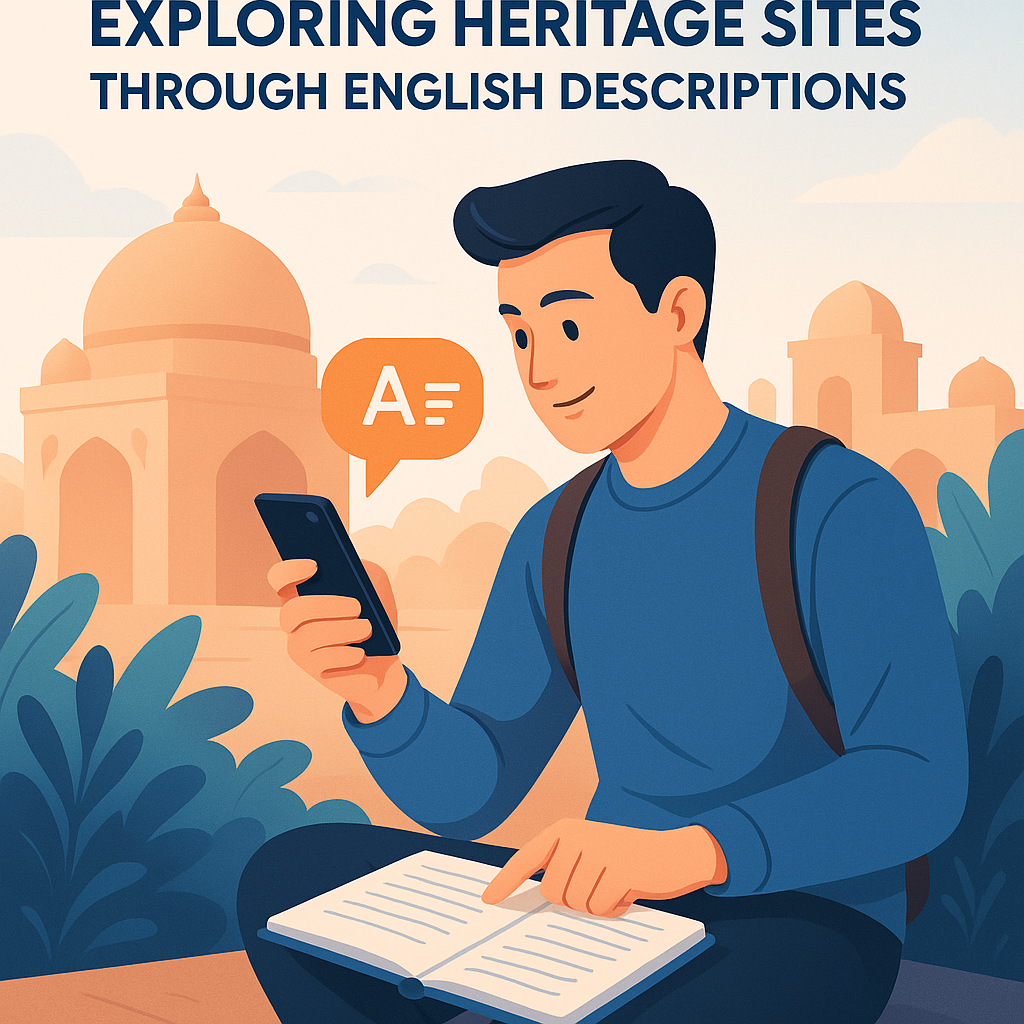
Cultural festivals are also significant in bolstering reading skills. These events are typically accompanied by a variety of written materials including programs, brochures, informational displays, and signage. Language learners gain firsthand experience interpreting and understanding English text in diverse formats, fostering their reading comprehension abilities. Additionally, many festivals incorporate literature into their programming, such as poetry readings, authors’ panels, and dramatic presentations, which present learners with a chance to explore different genres and styles of English writing. By engaging with these textual materials, individuals not only learn new vocabulary but also enhance their ability to analyze content structure and context. Thus, the reading component intrinsic to cultural festivals is invaluable for learners, offering practical ways to refine comprehension and increase literacy.
Advancing Writing Skills
The experiential and reflective nature of cultural festivals also aids in the development of writing skills. Post-event reflection allows learners to articulate their experiences and insights in written form, utilizing English as the medium of self-expression. Through activities such as journaling, writing reviews, or creating social media posts about their festival experiences, participants improve their ability to convey ideas and emotions effectively. Furthermore, some cultural festivals host workshops focusing on creative writing or journalism, providing structured opportunities for language learners to engage in writing exercises under the guidance of skilled professionals. Such exercises enable learners to experiment with different writing styles and formats, advance their grasp on grammar and syntax, and cultivate a personal voice in English.
The Role of Cultural Context
Cultural festivals are uniquely positioned to teach language within the context of cultural understanding. Language is deeply intertwined with culture, and the contextual exposure afforded by festivals often provides insights that cannot be captured through vocabulary lists or grammar exercises alone. The cultural context helps language learners understand idiomatic expressions, cultural references, and historical backgrounds, thereby enhancing both comprehension and their ability to use language accurately within cultural frameworks. Experiencing customs, traditions, and narratives alongside the language increases appreciation for subtleties and nuances that are critical for complete language mastery.
Integrating Technology and Social Media
In recent years, technology has enhanced the effectiveness of cultural festivals in promoting English language skills. Social media platforms are used extensively to market events, share information, and facilitate interaction before, during, and after the festivals, presenting an arena for learners to engage regularly in English. Through blogs, vlogs, and online communities dedicated to cultural festivals, participants can practice written and spoken English, exchange cultural knowledge, and establish connections within a global audience. Social media also extends the festival experience, allowing for continuous exposure and practice in the digital realm, transcending geographical limitations.
Inclusivity and Accessibility
Cultural festivals tend to be inclusive and accessible, often welcoming participants from all linguistic backgrounds. These events provide equal learning opportunities, accommodating different levels of language proficiency. Novice learners glean foundational insights while advanced speakers refine their skills through deeper engagement. The festivals usually offer supportive environments that host a variety of learning experiences, from attending speeches and performances to participating in interactive workshops. Such versatility offers something for everyone, making the acquisition of English skills a practical and achievable goal for all attendees, regardless of prior language experience.
Conclusion
In conclusion, cultural festivals play a vital role in enhancing English skills by offering authentic, immersive environments that foster language acquisition in a contextualized and engaging manner. By integrating listening, speaking, reading, and writing practices within the context of cultural celebration, these events present unique opportunities for language learners to improve their proficiency and confidence. The benefits of participation are manifold, from developing an auditory appreciation for diverse accents to honing the ability to express oneself fluently in both oral and written forms. Moreover, cultural festivals bridge the divide between language and culture, allowing learners to gain a deeper understanding of the linguistic subtleties and cultural contexts that underpin effective communication. As globalization continues to bring cultures together, participation in such festivals will remain an invaluable method for enhancing English language skills, celebrating cultural diversity, and fostering international understanding. Encouraging attendance at cultural festivals can serve as an effective supplement to traditional educational methods, promoting comprehensive language learning that goes beyond textbooks and classroom confines to embrace the richness of human expression and interaction.
Frequently Asked Questions
1. How do cultural festivals contribute to enhancing English language skills?
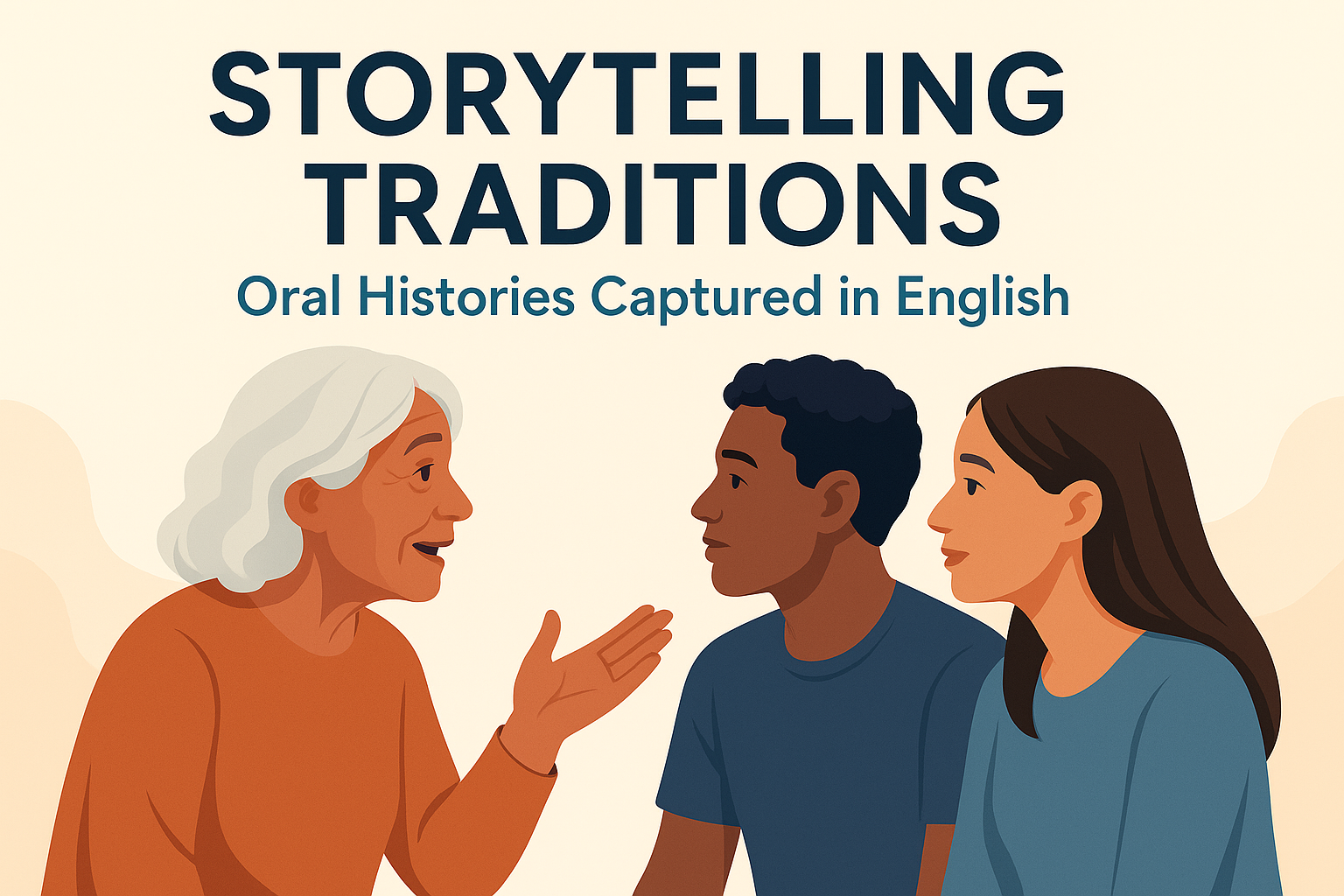
Cultural festivals are rich with opportunities for language immersion and practice. When people participate in festivals that celebrate different cultures, they are exposed to various English dialects, accents, and vernaculars. This exposure enhances listening comprehension skills. Engaging in conversations during these events enables participants to practice speaking English in a natural and enjoyable context. Additionally, many cultural festivals incorporate activities like workshops, storytelling sessions, and performances in English, which provide further opportunities for learning and using the language. These experiential learning moments are invaluable as they mimic authentic communication scenarios.
2. Who can benefit from the English skills development aspect of cultural festivals?
Everyone can benefit from the language skills development fostered by cultural festivals, regardless of their current proficiency level. Non-native English speakers often find these festivals particularly beneficial as they provide a non-threatening environment to practice and improve their language skills. Students can enhance their vocabulary and linguistic confidence, while professionals may find networking opportunities where they can refine their business English. Even native English speakers benefit by expanding their understanding and appreciation of different English-speaking cultures, possibly picking up new expressions and idioms.
3. Are there specific types of cultural festivals that are most effective in enhancing English skills?
While any cultural festival has the potential to enhance English skills, certain types may offer more deliberate language learning opportunities. International festivals often attract diverse attendees and could provide a higher volume of English interactions. Literary festivals, with their focus on books, language, and storytelling, inherently support language development. Festivals that feature workshops or collaborative art projects also tend to facilitate English practice. Though not traditionally categorized as ‘cultural’ festivals, events like TEDx or global conferences can have a similar effect due to the cultural exchange and language use they promote.
4. How can individuals maximize their language learning opportunities during cultural festivals?
To make the most of the language learning opportunities at cultural festivals, individuals should fully immerse themselves in the event. Engage actively in conversations with attendees from different backgrounds; this is a practical way to practice speaking and listening. Volunteering at the festival can also increase exposure to various English accents and communication styles. Participating in workshops or panels in English is another effective method to enhance language comprehension and expression. Attendees should also take note of new vocabulary and expressions they encounter during the festival and make an effort to incorporate them into their everyday conversations.
5. What role do cultural festivals play in promoting understanding and unity through English language use?
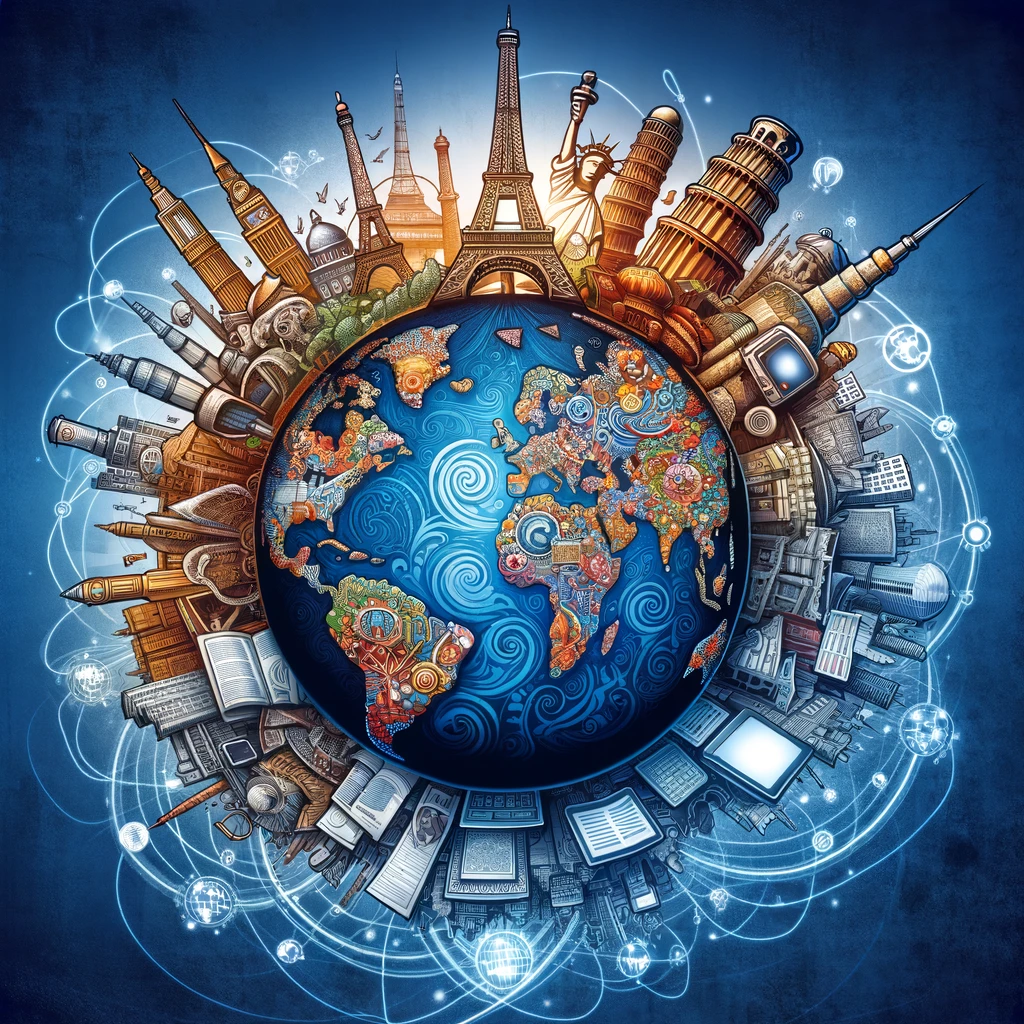
Cultural festivals encourage unity and understanding by providing platforms where people from diverse backgrounds can meet and communicate. English often serves as the common language, enabling effective exchanges of ideas, traditions, and stories. This shared linguistic foundation helps break down cultural barriers and fosters an inclusive environment where everyone can participate equally. By communicating in English, festival-goers can gain insights into one another’s cultural heritage, promoting empathy and appreciation among different communities. As people develop skills in a lingua franca, they simultaneously nurture a greater sense of global community and interconnectedness.