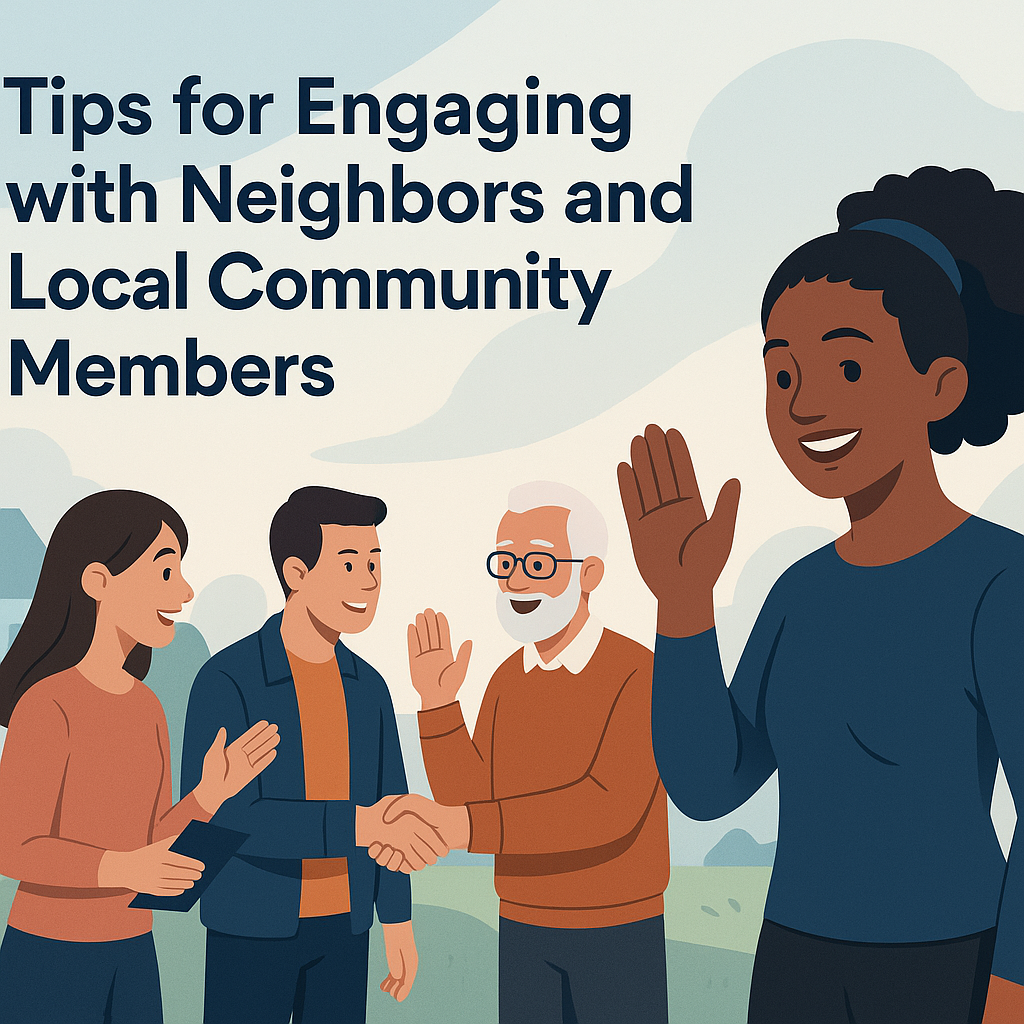
Engaging with neighbors and local community members is a crucial part of building a thriving and cohesive community. In an increasingly digital world, where people often feel isolated, face-to-face connections with those who live near us have become more important than ever. When neighbors know each other, neighborhoods become safer, more welcoming, and more vibrant places to live. Community engagement fosters trust, collaboration, and mutual support, all of which contribute positively to an individual’s quality of life.
The term “community engagement” refers to actively interacting with people in your local area to build relationships, collaborate on initiatives, and support one another. “Neighbor engagement,” on the other hand, is a more focused form of community engagement that involves developing a rapport specifically with those who are in your immediate residential area. The importance of these interactions cannot be overstated, as they help create a sense of belonging, improve mental health and reduce crime. Now, let’s delve into practical ways you can effectively engage with your neighbors and contribute to your community.
Host Regular Neighborhood Gatherings
Hosting regular neighborhood gatherings is an effective way to break the ice and create opportunities for meaningful conversations. Whether it’s a simple potluck dinner, a summer barbecue, or a themed party, inviting neighbors over can help foster a sense of camaraderie and kinship. Consider hosting seasonal activities to cater to different preferences, such as a spring gardening day or a winter soup night.
For example, in a small suburban area, a resident organized a monthly potluck where each neighbor brought a dish from their culture. This not only allowed everyone to enjoy diverse cuisines but also initiated conversations about different traditions and backgrounds. This regular gathering quickly became a favorite monthly event, building strong connections among the attendees.
Make sure to consider different dietary preferences and any mobility restrictions while organizing these gatherings to ensure inclusivity. Furthermore, encourage each attendee to bring along a new neighbor to extend the network further.
Participate in Local Community Initiatives
Joining existing community projects or initiatives is another powerful way to get involved. Local initiatives can range from environmental clean-ups to charity runs or educational workshops. These events often require the collaborative efforts of multiple residents and provide an excellent opportunity to work alongside people with common interests.
For instance, in the city of Raleigh, a neighborhood association started a common garden project where residents could grow their vegetables and flowers. This initiative brought together people of all ages and backgrounds, offering both a practical benefit and a community-building opportunity. Participants collaborated to plan the garden layout, decide on the plants and schedule harvesting days. This continuous interaction over time strengthened the bonds among neighbors.
Seek out local forums, community boards, or social media groups to remain informed about upcoming events and volunteer opportunities. By participating, you’ll help these initiatives thrive while also meeting like-minded individuals willing to make a difference.
Use Digital Tools to Foster Connections
In today’s world, digital platforms play a significant role in enhancing neighborhood connectivity. Joining a neighborhood social media group or forum like Nextdoor can keep you informed about local events, news, and activities. These platforms offer a space to exchange helpful information, organize events, and even swap items or services.
A practical example is the usage of a dedicated neighborhood WhatsApp group that allowed residents of a high-rise building to stay connected during the COVID-19 lockdown. Neighbors used the group to share resources, arrange bulk buying for essential items, and offer emotional support. This online connection led to stronger bonds and more face-to-face interactions once restrictions lifted.
While digital tools can be instrumental in fostering community connections, remember to maintain privacy and respect others’ boundaries while online. Personal interactions should always complement digital communications.
Support Local Businesses Together
Supporting local businesses as a community can generate economic benefits and cultivate a strong local identity. Organize events that focus on exploring and promoting the commercial establishments within your vicinity, such as guided restaurant tours or local vendor fairs.
In Portland, a community group arranged “Small Business Saturdays” where once a month, they collectively visited different local shops and eateries. This not only provided a platform for owners to showcase their products but also acquainted residents with new places they might not have otherwise discovered. As a result, the local economy flourished, and personal connections between business owners and community members were strengthened.
Collaborative efforts such as these benefit everyone involved and can lead to long-term relationships with local entrepreneurs who often contribute back to the community in various ways.
Engage in Community Decision-Making
Active involvement in community decision-making is fundamental to fostering a sense of ownership and responsibility among neighbors. This can be achieved by participating in local town hall meetings, joining homeowner associations, or being part of school boards.
Consider the example of a neighborhood in Austin, where residents raised concerns about the lack of streetlights. They banded together, organized a petition, and presented it at a city council meeting. Their unified voice resulted in improved street lighting and increased safety in the area. This active participation demonstrated the power residents hold in shaping their neighborhood.
Such opportunities enable you to voice your opinions on critical matters, offer suggestions, and stay informed about issues affecting your community. Encourage more people to become engaged in these forums to ensure diverse representation and foster a collaborative environment for problem-solving.
Table Displaying Benefits of Community Engagement
| Activity | Benefits |
|---|---|
| Neighborhood Gatherings | Builds strong social connections and understanding |
| Local Initiative Participation | Provides collaborative problem-solving opportunities |
| Digital Engagement | Boosts awareness and ensures ongoing communication |
| Supporting Local Businesses | Strengthens the local economy and identity |
| Community Decision-Making | Increases representation and unity |
Be a Good Neighbor
Often overlooked, small acts of kindness towards neighbors go a long way in cementing positive relationships. Simple gestures such as helping an elderly neighbor with their groceries, offering to watch a pet, or assisting someone with yard work are valuable.
In a bustling urban setting like San Francisco, neighbors in a high-rise formed a babysitting co-op, swapping childcare services among themselves. This extended beyond babysitting, as neighbors started offering help in various forms, fostering a close-knit environment conducive to raising families.
Being considerate and showing empathy boosts morale and sets an example others may follow, creating a ripple effect of goodwill through the neighborhood.
Conclusion: Building Vibrant, Supportive Communities
The importance of engaging with neighbors and local community members cannot be understated. From hosting events and participating in initiatives to digital interactions and supporting local businesses, each step toward fostering these connections contributes significantly to creating vibrant, supportive communities. Remember, small, consistent efforts lead to substantial gains in building relationships within your neighborhood.
The key takeaway is that engaging with your local community enriches your life by providing meaningful connections, creating safer environments, and building trust and collaboration. It empowers you and those around you to make a greater impact, both locally and beyond.
So why wait? Take concrete steps today to get involved and make a difference in your community. Host a gathering, join a group, or simply introduce yourself to a neighbor you’ve never talked to before. Your efforts will undoubtedly lead to a more fulfilling and cohesive local network. Begin your journey to community engagement and watch how it transforms your neighborhood.
Frequently Asked Questions
1. What are some effective ways to introduce myself to my neighbors?
Introducing yourself to neighbors can feel daunting, but it’s an essential first step towards building connections. Start by seeking out natural opportunities. Perhaps you notice a neighbor out walking their dog, doing yard work, or taking out the trash—these are perfect moments for a friendly greeting. Initiate a simple conversation by saying, “Hi, I’m [Your Name]. I live in [specific location or house number]. I thought it would be nice to introduce myself.” It can be helpful to include a bit about yourself, like what you do or a hobby, to help spark interest and further conversation.
Another approach is to host a small get-together. This could be a casual barbecue or a coffee morning where you invite neighbors to stop by. Make sure the invitation is open and welcoming—“Bring yourself or your family to enjoy some refreshments”—which helps to set a relaxed tone and encourages community members to attend.
2. How can I become more involved in community activities?
Getting involved in community activities is a fantastic way to meet people and make a meaningful impact. Start by exploring what already exists in your area. Look for community bulletin boards at local cafes or libraries, check social media groups specific for your neighborhood, or visit your town’s website—we’re in an age where information is at your fingertips! Should you find organizations or events that intrigue you, don’t hesitate to reach out. This could be volunteering for a local food bank, joining a book club, or attending town hall meetings.
If you don’t find activities that suit your interests, consider starting your own initiative. Whether it’s a walking group, a community garden, or a regular meet-up at a local park, these gatherings encourage participation and foster community spirit. By stepping into an organizing role, you also empower others to become more active participants.
3. Are there any strategies for overcoming barriers to community engagement?
Certain barriers, like time constraints, language differences, or social anxieties, can impede community engagement. Overcoming these begins with acknowledging them. When it comes to time constraints, prioritize engagement as a manageable part of your daily routine. Even brief interactions can lay the groundwork for healthy relationships.
Language differences might seem daunting, but start with simple gestures. Smiling and using basic phrases can communicate warmth and friendliness. Furthermore, partnering with bilingual neighbors or community members can ease conversations across language barriers.
For those experiencing anxiety about social interactions, taking small steps can make a big difference. Start with brief, casual exchanges and slowly extend your comfort zone. Remember, most people appreciate a friendly gesture, and over time, you’ll likely find these interactions become more effortless.
4. What are the benefits of knowing and engaging with my neighbors?
The benefits of knowing your neighbors extend far beyond simple social interaction. Strong neighborly ties contribute to safe and vibrant communities. When people know each other, they’re more likely to look out for one another, which can deter crime and create a safer living environment. Furthermore, such connections make neighborhoods more welcoming and inclusive, fostering an environment where everyone feels a sense of belonging.
On a personal level, these relationships offer practical and emotional support. Simple acts like neighbors watering your plants while you’re away, sharing tools, or helping during emergencies illustrate how community connections can enhance quality of life. Additionally, knowing those living around you can provide a network of support, that enriches your social life culturally and emotionally.
5. How can digital tools enhance my local community engagement efforts?
In our increasingly digital world, online tools can be a tremendous asset for enhancing community engagement. Social media platforms, neighborhood apps (like Nextdoor), or community forums provide valuable avenues for connection. These platforms allow you to share community events, organize meet-ups, or simply engage in everyday conversations.
Using these digital tools can also break the ice, making it easier when translating online interactions into face-to-face introductions. For instance, joining a local social media group can introduce you to community events you might not have discovered otherwise. Additionally, these online connections can enable coordination for larger community projects, such as neighborhood cleanups or charity drives, which might be challenging to organize through offline alone.