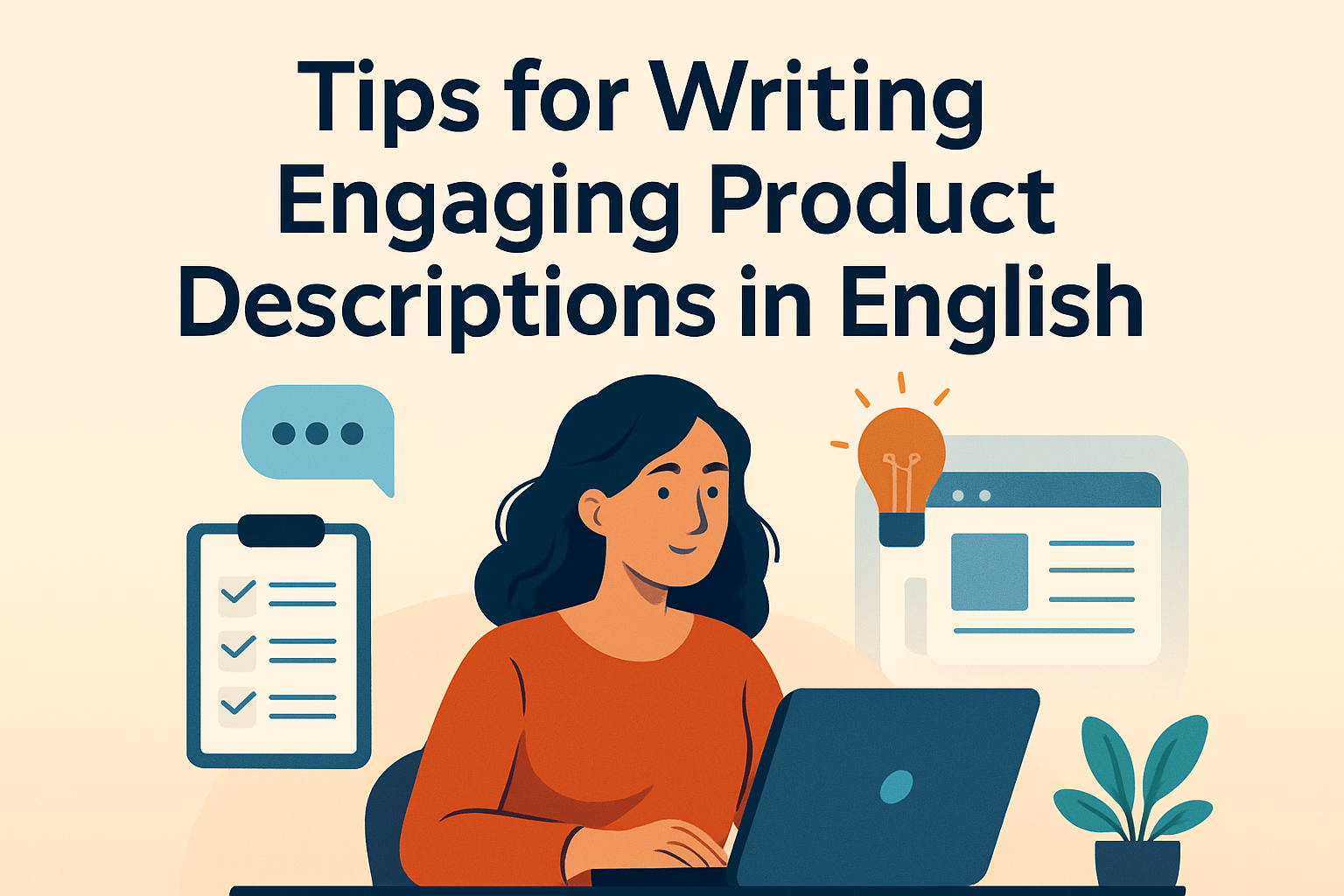
Introduction: Understanding the Importance of Product Descriptions
In today’s digital marketplace, product descriptions serve as a crucial communication gateway between businesses and potential customers. Product descriptions not only provide information about a product’s features, specifications, and benefits, but they also convey the brand’s unique voice and persuasion strategy. Essentially, they bridge the gap between product and consumer, helping to transform interest into action. Crafting engaging product descriptions is essential, and the importance of doing so cannot be overstated. An effective product description goes beyond the basic presentation of facts; it tells a story, captivates the reader, and aligns with the consumer’s needs. Engaging product descriptions are the linchpin of e-commerce strategies, directly impacting conversion rates and overall customer satisfaction.
But what does it mean for a product description to be “engaging”? An engaging product description grabs attention, maintains interest, and encourages the reader to make a purchase decision. It captures the essence of the product while addressing the needs and desires of the target audience. Moreover, it reflects the brand’s personality and values, creating a sense of trust and reliability. Crafting such descriptions is both an art and a science, involving creativity, linguistic precision, and a deep understanding of consumer psychology. As the competition in online retail continues to intensify, mastering the skill of writing compelling product descriptions becomes even more critical for businesses aiming to stand out in a crowded marketplace.
Delve Into Your Audience’s Mindset: Tailoring Your Description
Understanding your target audience is the first and most pivotal step in writing engaging product descriptions. To make a connection with potential buyers, it’s crucial to speak their language and resonate with their thoughts, preferences, and needs. For instance, when marketing a technological gadget to tech-savvy consumers, you might integrate industry jargon and focus on technical specifications that these individuals appreciate. Conversely, a health-conscious audience interested in organic products may be drawn to descriptions emphasizing sustainability and natural ingredients.
For example, consider an exercise equipment brand targeting fitness enthusiasts. Knowing this audience values efficacy, performance, and results, the description might highlight how the equipment boosts performance by using high-quality materials for durability, and include anecdotes or testimonials from professional athletes. This approach ensures that the reader sees the product not just as an item for sale but as a vital addition to their fitness journey.
To define your audience, consider these key elements:
- Demographics: Age, gender, income, education, etc.
- Psychographics: Interests, lifestyle, values, and opinions
- Behaviors: Buying habits, brand interactions, reasons for purchasing
This strategic understanding of what your audience craves not only helps in crafting tailored content but also enhances the propensity of the section to convert readers into buyers.
Create a Captivating Opening Line: Catchy, Punchy & Intriguing
First impressions matter, and the initial line of your product description is your foot in the consumer’s door. Craft an opening sentence that immediately grabs attention and makes the reader curious to know more. An effective way to achieve this is by stating a problem and hinting at the solution your product offers, or posing a rhetorical question that taps into a common desire or need.
For example, if you’re selling a skincare serum, an engaging opening line could be: “Ever dreamed of waking up with radiant skin, with barely any effort?” This approach appeals directly to the reader’s desire while also making the description more inviting. By eliciting curiosity or emotional engagement from the outset, you’re encouraging readers to continue exploring what the product can offer them.
Emphasize Benefits over Features: What’s In It for the Customer?
A common pitfall in product descriptions is an overemphasis on features while neglecting the benefits these features offer the consumer. While features are important, they often require translation into meaningful, relatable advantages to the consumer. When a reader connects with ‘what’s in it for me,’ the likelihood of purchase increases exponentially.
Consider a smart watch. Instead of simply stating that it has a GPS, explain how the GPS allows the user to keep track of their fitness progress without the need for carrying a phone while jogging. This pivots the focus from a technical component to a lifestyle improvement.
Using this features-to-benefits technique ensures that your product descriptions align with the customer’s goals and desires. Here’s a quick breakdown to illustrate how features can be converted to benefits:
| Feature | Benefit |
|---|---|
| Ergonomic Design | Reduces strain during prolonged use |
| Water-Resistant Material | Withstands the elements, ideal for all-weather use |
| Long Battery Life | Allows extended use without frequent charging |
Engaging descriptions speak to the customer’s values, making a compelling case for why the product deserves their attention—and, ultimately, their money.
Tapping into the Power of Storytelling: Relate Through Narratives
Storytelling is a potent tool in marketing that creates a connection with the reader and makes the product relatable on a personal level. By weaving narratives around the product, you can elevate the customer experience and evoke emotions that traditional descriptions may not achieve.
For instance, when advertising a high-end travel backpack, construct a story about a spontaneous adventurer who embarks on a journey to remote locations, their journey made possible only with the trusty, durable, and versatile backpack you offer. This illustrates the product’s functionalities while also inspiring the reader with a vision of their own adventurous possibilities.
Storytelling allows consumers to envision themselves utilizing the product, further deepening their interest. A powerful story should include:
- A relatable character or scenario
- A challenge or goal the character faces
- The pivotal role of the product in overcoming the challenge or achieving the goal
Through storytelling, you’re not just selling a product; you’re facilitating an experience, making the process of reading your description both engaging and enjoyable.
Utilize Tone and Voice that Align with Brand and Audience
The tone and voice of your product description should reflect the overall branding and resonate with your target audience. While keeping the description clear and concise, the choice of words, sentence structure, and the overall vibe should align with how you want your brand to be perceived. A playful, casual tone might work well for a fashion brand aimed at young adults, whereas a more formal and authoritative style suits a company dealing in financial services.
For instance, a children’s toy description might leverage a playful, imaginative tone: “Let your little one embark on whimsical adventures with our enchanted play set!” Meanwhile, a high-end jewelry brand should opt for a luxurious, elegant voice: “Indulge in timeless elegance with our exquisite diamond collection, each piece crafted to perfection.”
Your tone helps in communicating your brand’s personality, creating a consistent customer experience across all touchpoints. When your voice aligns with the audience’s expectations, it builds trust and affinity toward your brand.
Optimize for SEO Without Sacrificing Quality
While crafting product descriptions, it’s important to keep search engine optimization (SEO) in mind, making sure your descriptions are easily discoverable. However, achieving this should not come at the expense of the reader’s experience. Many make the mistake of keyword stuffing, which not only creates an artificial and clunky reading experience but can also lead to penalization by search engines.
To effectively optimize without diminishing content quality, implement a few keywords naturally and focus on relevant phrases without compromising the flow. For instance, if selling running shoes, integrate phrases like “best running shoes for marathon training” naturally within the text rather than a disjointed arrangement of keywords.
Additionally, consider aspects such as meta descriptions, ALT text for related images, and internal linking, all important components to help improve your product page’s search engine ranking while retaining a smooth, engaging user experience.
Conclusion: Mastering the Art of Product Descriptions
Engaging product descriptions are a pivotal element in online retail, crucial in turning potential customers into satisfied buyers. By understanding your audience and crafting tailored content, you create a direct line of communication that addresses their specific wants and needs. Prioritizing benefits over features, employing storytelling, and aligning the tone with your brand identity only strengthens the impact of your descriptions.
In a rapidly evolving digital marketplace, where consumers are presented with countless choices, your product descriptions can be the deciding factor that sets you apart. Capturing the essence of the product, optimizing for visibility, and keeping content both informative and exciting will undoubtedly contribute to higher conversion rates and customer satisfaction.
Take the first step by revisiting your product descriptions, implementing these strategies, and observing your engagement metrics. Mastering this craft will not only enhance your business’s success but will also create a richer shopping experience for your customers.
Frequently Asked Questions
1. Why is it important to write engaging product descriptions?
Engaging product descriptions are vital because they do more than just list features and specs; they play a critical role in influencing purchasing decisions. In a crowded online marketplace, where potential customers lack the opportunity to physically touch or try a product, a well-crafted product description can bridge that sensory gap. It transforms an impersonal shopping experience into a personal, relatable, and emotional journey. Product descriptions articulate your brand’s identity and voice, thus helping you stand out from competitors. They invoke emotions, answer potential queries, address pain points, and ultimately, drive conversions. A description that captivates the reader not only enhances user engagement but can significantly improve SEO rankings, further increasing product visibility.
2. What are some tips for crafting product descriptions that capture attention?
To write captivating product descriptions, it is essential to: – Understand Your Audience: Dive deep into your potential customers’ needs, preferences, and challenges. Tailor your language and tone to what resonates with them. – Focus on Benefits Over Features: While it’s essential to list features, customers are often more interested in how those features benefit them. For example, instead of just mentioning that a sweater is made of organic cotton, highlight how it’s soft on the skin and eco-friendly. – Develop a Unique Voice: Your product description should echo your brand’s personality and ethos. Whether it’s playful, professional, or quirky, consistency in tone builds brand loyalty and recognition. – Use Persuasive Language: Employ engaging and persuasive words that evoke sensorial perceptions, emotions, and urgency. Words like “unparalleled comfort,” “timeless elegance,” or “limited edition” can create compelling narratives. – Incorporate Storytelling: Infuse your descriptions with stories that allow potential customers to imagine themselves using the product, hence making it more relatable. – Keep it Simple and Concise: While detail is important, clarity should never be sacrificed for verbosity. Use bullet points for easy readability where necessary. – Incorporate Keywords: Use industry-relevant keywords properly woven into the text to improve searchability without disrupting the flow.
3. How can storytelling enhance a product description?
Storytelling transforms ordinary product descriptions into narratives, fostering a connection between the consumer and the product. By weaving a storyline, customers can visualize their lives with the product, creating a vivid scene in their minds. Storytelling allows you to create scenarios that highlight the product’s benefits subtly. For instance, instead of simply stating that a mug retains heat, you might craft a scene where the consumer can enjoy steaming coffee during a long morning meeting, framing the mug as their trusty companion. This method of description adds depth and personality to the product, making it memorable. Additionally, stories provoke emotions, which are powerful motivators in purchasing decisions. They build trust by suggesting authenticity and understanding of consumer lifestyles.
4. What role do keywords play in product descriptions, and how should they be used?
Keywords are vital in making your product descriptions search engine-friendly, thus bolstering their visibility. Effective use of keywords means including terms potential customers are likely to use when searching for your products. However, it’s crucial to maintain a natural flow, ensuring these keywords don’t disrupt the readability of the description. Start by using long-tail keywords that are specific to your product. For instance, instead of a general keyword like “shoes,” use “vegan leather hiking boots” to target a specific audience. Place primary keywords strategically in the title, beginning of the product description, and within bullet points, while secondary keywords can be woven naturally throughout the text. Avoid keyword stuffing as it can lead to penalties from search engines and deteriorate user experience.
5. How can you measure the effectiveness of a product description?
The effectiveness of a product description can be gauged through a combination of quantitative and qualitative metrics. You can begin by monitoring conversion rates—an increase often indicates a successful product description. Use analytics tools to track the time customers spend on the page; a longer time suggests engagement. Track bounce rates; if they’re low, users are likely finding the information they need. Pay close attention to product reviews and customer feedback, which offer qualitative insights into how well customers feel informed. A/B testing different versions of your product descriptions can also reveal which styles and techniques resonate best with your audience. Over time, you should notice patterns in data, guiding you toward what changes are needed to continually optimize engagement and drive sales.