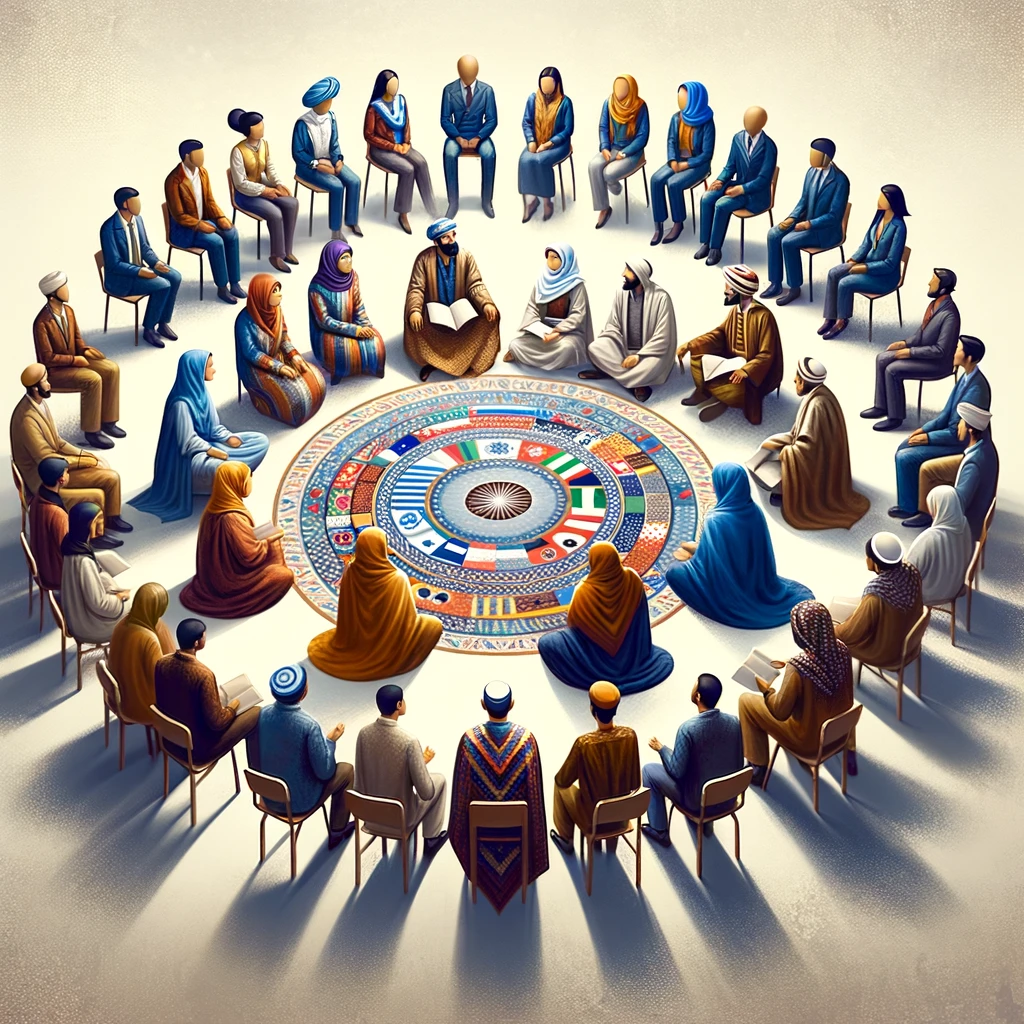
In a world that constantly changes, language is perhaps one of the most dynamic elements of human culture. Modern English, as we know it today, is the culmination of centuries of evolution influenced by myriad cultural, political, and social forces. But what exactly underpins this fascinating process? To understand this, we must first define the term “modern English usage.” This phrase refers to the contemporary norms governing how English is spoken and written. The evolution of English usage is not merely about new words entering the lexicon. It encompasses shifts in grammar, changes in pronunciation, and adaptations in pragmatics — how we use language in social contexts.
This topic is significant because language is deeply intertwined with identity and communication. The evolution of English mirrors historical changes and is indicative of global interactions. Understanding these cultural shifts is crucial for several reasons: it enriches our comprehension of history, helps in achieving better cross-cultural communication, and aids linguists, historians, and educators in guiding future language usage. Analyzing how modern English has changed over time offers insights into broader cultural evolution and societal transformations. With this foundation, let’s delve into the specific factors and historical milestones that have shaped English into the lingua franca it is today.
The Impact of the British Empire on English Evolution
The British Empire was instrumental in spreading English throughout the world. At its height, it was the largest empire in history, governing vast regions across the globe. This expansion facilitated the exchange of languages and cultures, leading to the emergence of many English dialects and the enrichment of the English vocabulary with foreign terms. The influence of the British Empire on English can be seen in languages from India to the Caribbean, where English has absorbed local words and phrases, thus enriching its lexicon and diversifying its usage.
Consider the country of India as a case in point. During British rule, English became a prominent language of administration, education, and literature. Today, words derived from Hindi, Tamil, and other local languages are common in English, including terms like “bungalow,” “juggernaut,” and “pyjamas.” English in India has evolved into its unique dialect known as Indian English, which seamlessly incorporates native linguistic elements while adding to the global pool of English vocabulary.
Technological Advances and their Influence on English
The advent of technology has radically altered the way that English is used, providing new platforms for language expression and transforming written and spoken communications. The internet, for example, has introduced terms like “Google,” “blog,” and “meme” into the English language. Social media platforms have not only generated new content but have also accelerated the pace of linguistic change by allowing instantaneous global interactions. Digital communication—and its influence on speed and brevity—has resulted in both the creation of jargon and abbreviations like “LOL” (laugh out loud), “BRB” (be right back), and “IDK” (I don’t know).
- Social Media
- Text Messaging
- Video Conferencing
A clear real-world example of this influence is Twitter, which restricted users to a 280-character limit per tweet. This constraint encouraged brevity and creativity, spawning a new linguistic style characterized by shortened words, creative use of punctuation, and emojis. The necessity to convey messages succinctly has impacted how English is written and understood online, and this inevitably spills over into real-world communication, demonstrating the profound impact of tech-driven communication on modern English usage.
Globalization and Linguistic Exchange
Globalization has turbocharged the interchange of languages, leading to an unprecedented mixing and mingling of English with other tongues. This globalization has also resulted in English being used as a second language by millions around the world. With non-native speakers often outnumbering native ones, influences from various first languages shape the English spoken in diverse regions.
A tangible example of globalization can be found in the business world, where English often serves as the lingua franca of international commerce. In multinational companies, English is the default language for cross-border communication; yet, it blends with local languages, creating hybrid forms of business communications. Phrases like “think global, act local” encapsulate this linguistic blend, showing how English adapts and evolves in response to international interactions.
Media and Pop Culture’s Role in Language Evolution
The cultural power of media and entertainment in shaping language cannot be understated. Hollywood films, British music, American TV shows, and global news networks disseminate English language and culture worldwide. The media’s role has propagated trends, slangs, and idioms, making them part and parcel of everyday vocabulary.
The cultural phenomenon of the “selfie” serves as an illustration. This term, describing a photograph that one takes of oneself, rapidly gained popularity through social media and has been absorbed into numerous languages globally. The spread of such terms through media underscores the cultural diffusion that impacts modern English usage. Similarly, television shows like “Friends” and films have popularized phrases and slang terms that have crossed linguistic barriers, becoming part of the conversational repertoire of English speakers everywhere.
Shifting Social Norms and Their Linguistic Reflection
Language evolves and morphs with changing social attitudes and norms. As society prioritizes inclusivity and equity, so too does the language shift to reflect these values. Inclusive language efforts strive to remove bias, discrimination, or social inequality, aiming to be respectful and considerate of all individuals regardless of gender, race, or cultural background.
A visible example can be seen in the transition from gender-specific job titles like “fireman” to gender-neutral terms like “firefighter.” The use of gender-neutral pronouns has also seen a notable rise in contemporary English usage in response to greater societal awareness and acceptance of non-binary and gender-fluid identities. Institutions, from educational bodies to businesses, are increasingly adopting these linguistic shifts in official communications, reflecting wider cultural changes.
The Future of Modern English Usage
As we look to the future, the evolution of English will undoubtedly continue, shaped by ongoing cultural shifts and technological advancements. Linguists anticipate that the interplay of artificial intelligence, automation, and global connectivity will further hasten the pace of language change. Moreover, with bilingualism on the rise and increasing global mobility, English will continue to absorb and integrate elements from other languages, further diversifying its structure and vocabulary.
Consider the emerging field of AI-powered language processing tools like Natural Language Processing (NLP), which are redefining interactions between humans and machines. These technologies adapt to user inputs, leading to the potential emergence of new dialects or variants of English. As machine learning algorithms become more sophisticated, the resultant language will primarily be shaped by user data—reflecting contemporary usage and possibly generating new linguistic norms.
Summary and Next Steps
In tracing the cultural evolution of modern English usage, we have explored the significant influences that have shaped this dynamic language—from historical imperialism and technological breakthroughs to globalization, media impact, and shifting social norms. Each factor leaves an indelible mark, contributing to the rich tapestry of modern English. Understanding these elements provides key insights into how cultural and societal shifts direct linguistic change.
The key takeaway for readers is the recognition that language is not stationary but rather a living, breathing reflection of human society. By analyzing these influences, we not only gain deeper insights into English but can also anticipate future trends in language evolution. For language enthusiasts, educators, writers, and communicators, acknowledging and embracing these changes is essential.
The next step involves engaging with these transformations intentionally. Whether by adopting inclusive language practices or participating in global conversations about English’s future, becoming an active participant in this linguistic evolution enriches our connection to language and culture. As English continues to evolve, let us all continue to adapt, learn, and grow alongside it.
Frequently Asked Questions
1. What are some of the main influences on the evolution of modern English usage?
The evolution of modern English usage is a complex process influenced by various cultural, political, and social factors. One significant influence is the historical interactions between English speakers and other cultures, which have introduced new vocabulary and grammatical structures into the language. For instance, the Norman Conquest in 1066 brought a plethora of French words into English, immensely enriching its lexicon. Furthermore, British colonialism spread English globally, where it encountered and absorbed elements from numerous languages, such as Hindi, Bantu, and Caribbean Creole dialects.
Another critical factor is technological advancement. The invention of the printing press in the 15th century led to the standardization of English, as texts were reproduced more consistently. In the modern era, the internet plays a pivotal role by rapidly disseminating words and phrases across the globe, thus accelerating linguistic change. Social media platforms, in particular, are fertile grounds for the development of new slang and abbreviations that often become mainstream English in surprisingly short periods.
Additionally, pop culture, especially music, film, and television, exerts a powerful influence by popularizing specific terms or phrases, making them part of everyday language. For example, the TV show “Friends” popularized the phrase “on a break,” and musicians often introduce or popularize slang and idioms that sync with their audience. Politics and social movements also impact language by introducing new terminologies and reshaping discourse; terms like “Brexit” or “woke” are recent examples.
2. How has the globalization of English affected its usage?
Globalization has had a profound impact on English usage, expanding its reach and resulting in a variety of English dialects and creoles around the world. As English became the lingua franca of international business, education, and diplomacy, it adapted to include local expressions and words in different regions, leading to national and regional varieties, such as Indian English, Singaporean English, and Nigerian English. These versions of English reflect local cultures and languages, showcasing the adaptability and inclusivity of English.
The widespread use of English as a global language has also led to the creation of “Globish” or simplified versions of English employed in international contexts. This simplified form allows non-native speakers to communicate more easily but also raises concerns about the richness and diversity of the language being diluted over time. Nevertheless, globalization has enriched English with a wealth of new vocabulary and expressions, making it a more versatile and dynamic language.
The dominance of English in global media ensures that English speakers worldwide are continuously exposed to different English accents, dialects, and cultures, promoting a fluid exchange of linguistic elements. Consequently, non-native speakers often contribute new words and idioms to the English lexicon, highlighting a reciprocal relationship where English influences and is influenced by global cultures.
3. What role do social changes play in the evolution of English usage?
Social changes are a driving force behind the evolution of English usage, reflecting shifts in societal norms, values, and attitudes. As society evolves, language adapts to capture new realities and concepts. For example, the feminist movement has significantly impacted English by challenging gender norms embedded in language. Terms such as “chairperson” instead of “chairman” have gained acceptance, promoting gender-inclusive language. This reflects a broader trend toward non-binary and gender-neutral expressions, aligning with evolving social perspectives on gender identity and expression.
Similarly, the increasing awareness of and sensitivity to issues of race and ethnicity have led to adaptations in language. There is growing awareness of the importance of using respectful and inclusive terminology, leading to changes like the preference for “African American” instead of “Black” or using “indigenous peoples” instead of outdated and offensive terms. Social media plays a crucial role in these changes by amplifying marginalized voices and raising awareness about problematic language, prompting swift shifts in language use and acceptance.
In addition, technological advancements like social media have accelerated the pace at which social changes influence language. New terms related to digital culture, like “selfie,” “hashtag,” and “viral,” have become integral to daily communication, reflecting how technology shapes social interactions. Accordingly, workplaces have integrated diverse and inclusive language policies to ensure that communication reflects contemporary social norms.
4. How does modern technology impact English usage today?
Modern technology is one of the most significant factors influencing English usage today, revolutionizing communication and the way language evolves. The internet has transformed communication into a globally interconnected experience where language changes spread rapidly. Social media platforms like Twitter, Instagram, and TikTok are incubators for new expressions and trends, with new slang and expressions appearing and gaining traction at unprecedented speeds.
Moreover, technology fosters the creation and proliferation of novel vocabulary related to technological advancements. Terms such as “cloud computing,” “blockchain,” “AI,” and “big data” are now part of everyday vernacular, reflecting industry trends and innovations. Acronyms and abbreviations like “LOL” (laugh out loud), “BRB” (be right back), and “DM” (direct message) characterize the informal language used in digital communication, often adopted into more formal contexts.
Additionally, spell-checkers, autocorrect, and predictive text features on digital devices all influence spelling and usage, sometimes leading to standardization or, conversely, the perpetuation of errors. Technology also allows broader access to English language learning resources through apps, online courses, and platforms connecting learners worldwide. While facilitating English language acquisition, technology simultaneously influences teaching methods and learning outcomes.
In essence, modern technology accelerates the evolution of English, fostering a connected linguistic ecosystem where changes can occur quickly due to increased interaction and exposure to diversely influenced language content.
5. How do dictionaries and linguistic authorities contribute to the evolution of modern English usage?
Dictionaries and linguistic authorities like the Oxford English Dictionary (OED), Merriam-Webster, and the American Heritage Dictionary play pivotal roles in documenting and legitimizing changes in English usage. By compiling and recording new words and their definitions, they provide an authoritative record of language evolution. Inclusion of words in these lexicons reflects broader acceptance and normalization of terms, as seen with recent additions such as “selfie,” “cryptocurrency,” and “emoji.”
The methodology employed by dictionary compilers has evolved, adapting to the dynamic nature of language. Modern lexicographers rely on contemporary corpora, vast databases of digital language samples, to ensure they reflect current usage accurately. This data-driven approach provides insight into emerging language trends and validates the need to update entries frequently.
Linguistic authorities also provide valuable guidance on grammar, syntax, and usage, helping navigate the complexities of English. This is particularly beneficial as language becomes more fluid due to social media and instant communication platforms. They serve as custodians of language standards, balancing the preservation of traditional norms with the acceptance of modern variations, ultimately influencing how English is taught, learned, and understood globally.
However, it’s crucial to acknowledge that language evolves organically, and while dictionaries provide a record of change, they are not prescriptive. The adaptive nature of English depends more on how people choose to use it in practice rather than solely on linguistic authorities’ dictation. Therefore, while they play an integral role in tracing language change, the collective usage by speakers around the world drives the actual evolution of modern English.