
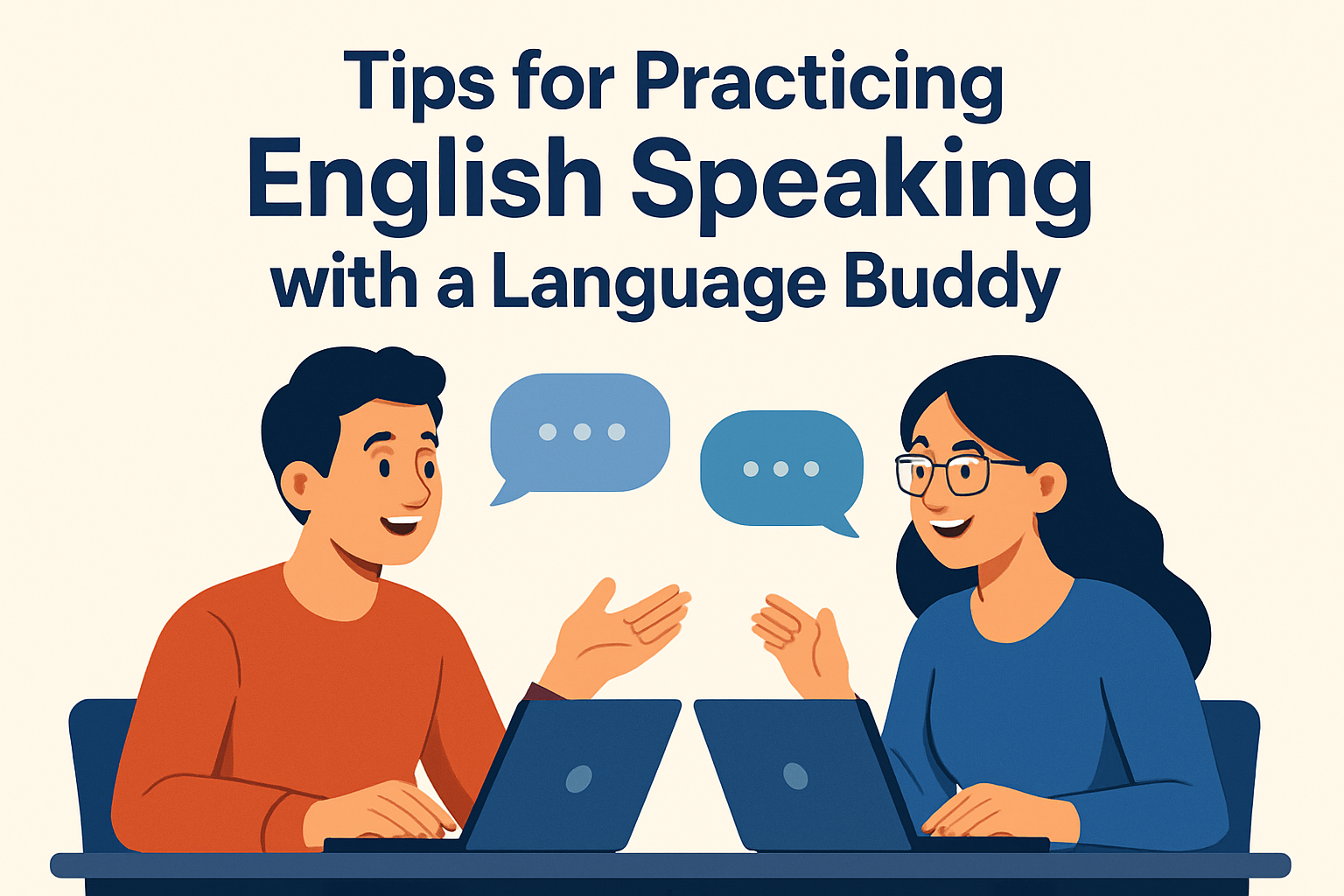
Learning a new language is an exciting journey, opening doors to new cultures, opportunities, and friendships. English, being one of the most widely spoken languages globally, provides immense value for personal and professional growth. However, mastering English, particularly speaking skills, is not a walk in the park. To effectively improve your English speaking abilities, having a language buddy can be a game-changer. A language buddy is someone with whom you practice speaking the language you aim to learn. This relationship is reciprocal, often involving the exchange of learning and teaching between two individuals. Having a language buddy is crucial because it provides a supportive environment where you can practice speaking, make mistakes, and learn without judgment. This article will delve into practical tips to make the most out of your language buddy experience, aiming to help you become more confident and fluent in English.
Setting Clear Goals
Before diving into conversations with your language buddy, it’s essential to set clear goals. These goals will guide both parties in the exchange, ensuring that the sessions are productive and aligned with each other’s expectations. Your goals could range from improving pronunciation to expanding vocabulary or getting a better grasp of conversational English. For instance, if your primary goal is to improve your vocabulary, you might decide to learn and use five new words in each conversation with your buddy.
Consider Jane, an intermediate English learner whose goal was to reduce her accent. By clearly communicating her goals with her language buddy, Tom, an American student, they focused on pronunciation exercises during their sessions. Having clear goals allowed Jane to track her progress and kept her motivated as she noticed significant improvements over time. By setting specific, measurable goals, you and your language buddy can create a more structured and effective learning environment.
Establishing a Regular Schedule
Consistency is key when it comes to language learning. Developing a regular schedule with your language buddy can significantly enhance your learning experience. Consistent practice helps reinforce what you’ve learned and allows for gradual but steady improvement. Establishing a fixed time to connect, whether it be daily or weekly, creates a routine that makes learning the language a persistent part of your life.
Take the example of Raj and Maria, language partners who committed to meeting every Tuesday and Thursday evening for an hour. This arrangement helped both practitioners manage their time better and look forward to their practice sessions. By supporting each other through regular interaction, they maintained momentum, which ultimately made them feel more comfortable and fluent in their spoken English.
Creating a Safe Learning Environment
A language buddy partnership thrives when there is a safe and supportive learning environment. This environment encourages open communication and constructive feedback without the fear of embarrassment. It’s vital to establish ground rules at the beginning to create a mutual understanding around corrections and feedback. Such an environment nurtures growth and allows for experimentation, which is vital in language learning.
Imagine the scenario of Mei and Lucas, where Mei was nervous about making mistakes. Lucas reassured her by agreeing on a feedback approach that focused on positive reinforcement and offering suggestions rather than highlighting errors. This approach built Mei’s confidence, enabling her to speak more freely and improve rapidly. Establishing a positive atmosphere can transform potential apprehensions into enthusiastic exchanges, promoting a deeper engagement with language learning.
Diversifying Conversation Topics
To enrich your learning experience, it’s beneficial to diversify the topics of your discussions with your language buddy. Engaging in conversations on a wide array of subjects not only makes the process interesting but also exposes you to different vocabularies and contexts. Discussing various topics from current events, hobbies, travel experiences, to cultural backgrounds, broadens your language exposure and comprehension.
For instance, Laura and Aditya, who rotate topics every session, find themselves learning new things about each other and discovering new vocabulary. One day, they might discuss the impact of climate change, while the next session could be filling each other in on their favorite recipes. This variety keeps their interactions dynamic and reinforces learning from different angles, making the practice sessions both enjoyable and enriching.
Using Technology for Enhanced Learning
Leveraging technology can enhance the language learning experience with your buddy. There are many digital tools and applications available that can facilitate and enrich your sessions. From language learning apps like Duolingo or Babbel for vocabulary building, to speech recognition software that helps with pronunciation, technology is a valuable ally.
John and Sofia, two language buddies who live in different countries, use video conferencing tools like Zoom and Skype for their sessions. They utilize features like screen sharing to explore articles together or play language games online. This incorporation of technology not only bridges physical distance but also provides creative ways to engage in productive learning. Exploring digital resources can add a fresh layer to traditional speaking practice.
| Digital Tool | Purpose |
|---|---|
| Duolingo | Vocabulary Building |
| Skype | Video Communication |
| Google Docs | Shared Note-taking |
| Tandem | Language Exchange |
Practicing Active Listening
While speaking is the main focus with a language buddy, active listening is an equally essential component. Practicing active listening not only improves comprehension skills but also enhances your ability to respond accurately and fluently. Developing good listening skills involves being attentive, asking clarifying questions, and reflecting on what your partner says.
For example, Pedro and Emma emphasize active listening in their sessions. Emma practices summarizing what Pedro says to ensure she understood correctly, which also improves her speaking skills. This habit of active listening reinforces language acquisition and fosters a smoother, more natural flow in conversations.
Sharing Feedback and Progress
Regularly sharing feedback with your language buddy is indispensable for continuous improvement. Constructive feedback helps identify the areas you need to focus on while highlighting your strengths provides encouragement. It is beneficial to dedicate a few minutes at the end of each session for a feedback exchange, discussing what went well and what could be improved for future interactions.
Consider the feedback approach used by Elsa and Amir. After each session, they take turns giving feedback on language fluency, pronunciation, and vocabulary use. This practice allows them to reflect on their progress, celebrate their successes, and address their challenges, ultimately creating a supportive and growth-focused learning atmosphere.
Maintaining Patience and Perseverance
Learning a language is a gradual process that requires patience and perseverance. It’s important to remind yourself and your language buddy that progress takes time. It’s natural to encounter obstacles and feel frustrated at times, but persistence is key to overcoming these challenges. Maintaining a positive attitude and being patient with yourself will yield fruitful outcomes.
Take the case of Anya and Carlos, who frequently reminded each other not to be disheartened by setbacks. By celebrating small victories and encouraging each other during low moments, they both managed to maintain their motivation and gradually improved their English proficiency. Embracing patience and perseverance ensures that the journey of language learning is sustainable and rewarding.
Conclusion
In conclusion, practicing English speaking with a language buddy is an effective way to boost your fluency and confidence. By setting clear goals, establishing a regular schedule, and creating a supportive environment, you lay a solid foundation for productive language practice. Diversifying your conversation topics, leveraging technology, and sharing feedback further enhance the learning process. Active listening and maintaining patience and perseverance are crucial elements in navigating the challenges of language acquisition. Engaging with a language buddy not only improves your English skills but also enriches your cultural understanding and fosters meaningful human connections.
If you haven’t already, seek out a language buddy and embark on this linguistic journey with an open mind and willingness to learn. Your fluency in English is just a conversation away. Embrace the opportunity to learn and grow, and watch as your language skills flourish over time. Take the first step today, and practice consistently with your language buddy to achieve your language goals.
Frequently Asked Questions
1. What is the best way to find a reliable language buddy for practicing English speaking?
Finding a reliable language buddy can significantly enhance your English speaking skills as it provides regular practice and immediate feedback, which are crucial for learning. To find the right partner, start by tapping into community resources. Consider joining online language exchange sites or apps such as Tandem, HelloTalk, or Speaky where you can connect with English speakers who are interested in learning your native language. Be proactive in your search – browse profiles, send friendly messages, and have open and honest discussions about your language learning goals. Additionally, leverage social media platforms like Facebook groups or Reddit communities focused on language learning. It’s essential to ensure your goals align with your potential buddy’s, fostering a mutually beneficial exchange. Consistency is key, so set a regular schedule to meet and practice speaking. Remember, patience and respect are fundamental; a good language buddy should be supportive, patient, and encouraging.
2. How should I structure a practice session with my language buddy to maximize learning?
A well-structured practice session is invaluable in keeping your language learning on track. Start by setting clear objectives for each session – decide on topics or specific aspects of the language you want to focus on, such as pronunciation, grammar, or vocabulary expansion. Begin your session with a warm-up conversation to ease into speaking, discussing something light like daily activities or interests. This establishes a comfortable and relaxed atmosphere. Transition into more focused practice: utilize role-playing scenarios, practice storytelling, or debate on current events to enrich vocabulary and ensure practical application of language skills. Incorporate a mixed medium approach by introducing listening and visual aids – listen to podcasts or watch short videos in English and discuss them afterwards. Allocate a brief period at the end of each session for feedback, discussing difficulties faced and setting goals for the next meeting. It’s crucial to maintain a balance between patience and push, allowing productive yet comfortable interaction.
3. How can I overcome feelings of embarrassment or anxiety while speaking English with a language buddy?
Feeling embarrassed or anxious when speaking a new language is common, but it’s important to remember that mistakes are part of the learning process. Begin by fostering a positive rapport with your language buddy – mutual understanding and a shared goal of learning can ease nervousness. Build your confidence by starting with simple, short conversations and gradually increasing complexity as you grow more comfortable. Embrace mistakes as valuable learning opportunities rather than setbacks. To ease anxiety, discuss these feelings openly with your language buddy. They can help by slowing down conversations, providing corrections gently, and offering encouragement. Also, visualize success – imagine successful conversations to build mental resilience and reduce anxiety. Consistent practice will gradually reduce nervousness, turning apprehension into excitement and eagerness to communicate. Remember, your language buddy is there to support your learning journey, not judge you.
4. What are some effective activities to do during a session with a language buddy to improve English speaking skills?
To keep your sessions engaging and beneficial, incorporate diverse activities that focus on different aspects of language learning. Role-playing is an excellent way to practice real-life conversations—simulate scenarios such as shopping, ordering food, or job interviews to get comfortable with relevant vocabulary and phrases. Storytelling is another fun practice; take turns narrating stories or events, which helps in building narrative skills and fluency. For vocabulary expansion, play word games such as word association or 20 questions. Engage in discussions based on podcasts, news articles, or videos to improve comprehension and critical thinking. You could also try language learning through songs, breaking down lyrics to understand slang and colloquial expressions. Moreover, give each other feedback on pronunciation, grammar, and expression. Incorporating a variety of activities keeps sessions lively, enhancing motivation and depth in your language practice.
5. How do I ensure that both parties benefit equally from the language exchange?
Establishing an equitable exchange is vital to maintaining a successful and sustainable language exchange relationship. Begin by setting clear expectations and goals from the start. Discuss and decide on the format and structure of meetings, ensuring you both have equal time to practice. Use an agreed proportion of time to converse in English and the other proportion in your native language, depending on each person’s learning needs. Be diligent in providing constructive feedback and encouragement to each other, fostering a nurturing learning environment. Regularly review your sessions to ensure both partners feel satisfied and address any concerns immediately to avoid imbalances. Remember, empathy and understanding are crucial; be patient, respectful, and committed to each other’s progress. Equitable language exchange not only enhances learning but also solidifies friendship and mutual respect.





