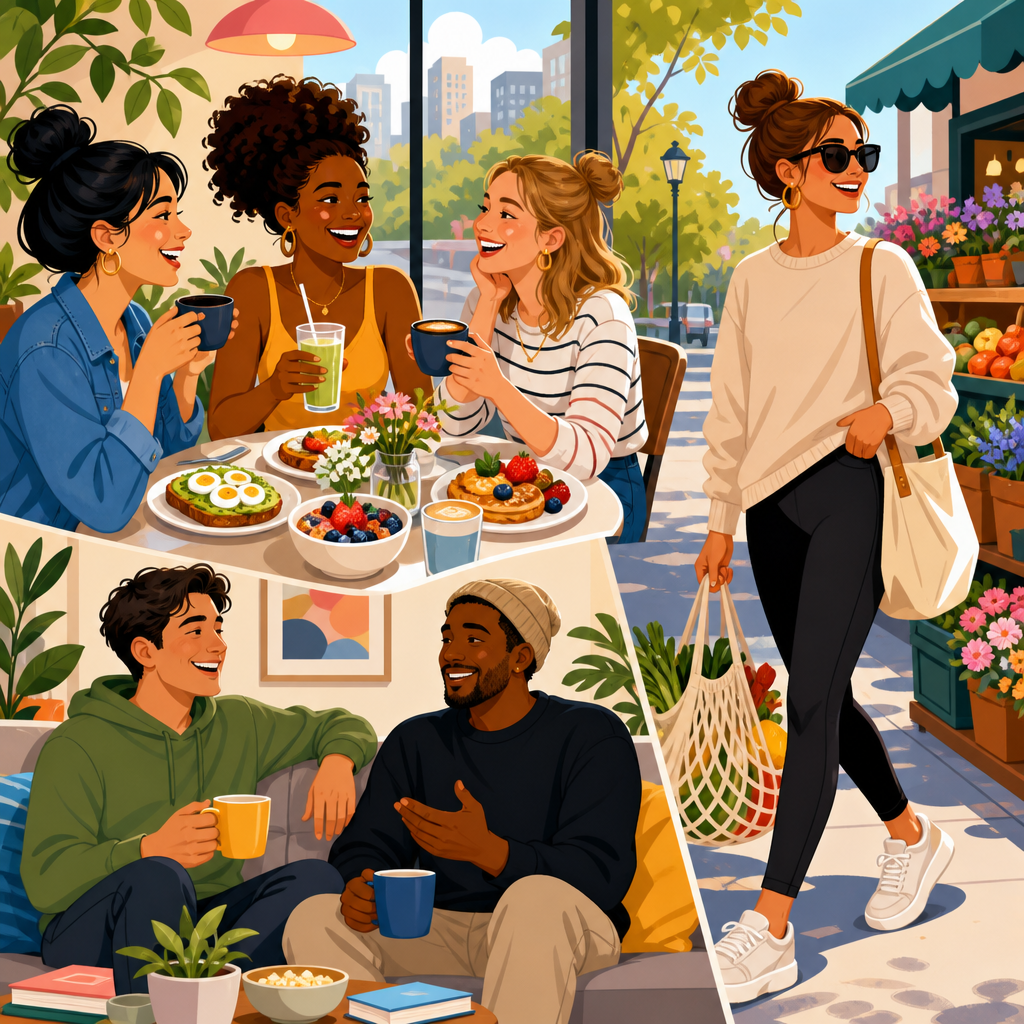
Weekend culture in the United States often looks casual from the outside, yet brunch, errands, and catching up follow recognizable social patterns that shape how people spend free time and how they talk about it. In everyday conversation, Americans use “weekend culture” to describe the routines, expectations, and small rituals that happen between Friday evening and Sunday night, especially the mix of leisure and productivity that defines modern adult life. Brunch usually means a late-morning meal that blends breakfast and lunch, often social and slightly indulgent. Errands are practical tasks such as grocery shopping, returning packages, filling prescriptions, or getting the car washed. Catching up can mean reconnecting with friends, updating family, replying to messages, or simply recovering from a busy workweek. After years of observing and participating in these routines, I have found that the weekend is one of the clearest windows into American social habits because it reveals priorities without the formal structure of work or school.
This matters for anyone trying to understand contemporary American life, especially English learners, newcomers, remote workers, and international students. Weekend plans are a common small-talk subject because they are safe, personal without being too intimate, and easy to discuss across age groups. A coworker may ask, “Any plans this weekend?” and expect a brief answer about brunch, errands, or meeting friends. Those simple answers carry cultural signals about class, schedule flexibility, family responsibilities, and social style. In many cities, brunch can function almost like an institution, while in suburbs the weekend may revolve around warehouse stores, youth sports, and household maintenance. Understanding these patterns helps people interpret conversations accurately and participate more naturally. It also explains why weekends can feel strangely busy even when they are supposed to be restful: they are where social life, domestic labor, and personal recovery compete for the same limited hours.
The phrase “busy weekend” therefore often means something more nuanced than nonstop entertainment. It can include enjoyable plans and mundane obligations at the same time. Someone might describe a weekend as relaxing even after cleaning the apartment, buying groceries, attending brunch, and calling parents, because those tasks restore order and connection. That blend is central to weekend culture. Americans often idealize spontaneity, but most weekends are lightly structured around reservations, store hours, traffic, childcare, and preparation for Monday. Learning this pattern makes conversations easier to follow and helps explain why people guard weekend time so carefully.
Why brunch became a weekend ritual
Brunch occupies a special place because it solves several weekend needs at once. It starts later than breakfast, which suits people recovering from a late Friday or Saturday night, and it feels more social than a quick coffee. Restaurants design brunch menus to combine comfort foods, alcohol, and shareable plates: eggs Benedict, pancakes, breakfast burritos, avocado toast, mimosas, Bloody Marys, and strong coffee. In major metropolitan areas such as New York, Chicago, Los Angeles, and Atlanta, brunch is not just a meal but a scheduling anchor. Friends choose a time, make a reservation, and build the day around it. I have seen entire social groups use brunch as the easiest way to maintain friendships when weekday calendars are too crowded for dinner.
Brunch also reflects economics and urban design. Restaurants use it to fill seats during hours that would otherwise be slower, and many build profitable beverage programs around it. Customers accept higher menu prices because brunch is framed as an experience rather than a necessity. In neighborhoods with walkable retail streets, people often combine brunch with browsing bookstores, farmers markets, or boutiques. In car-dependent areas, brunch may be attached to a larger outing, such as shopping at Target or visiting relatives. The meal signals leisure, but it also efficiently bundles socializing into a compact daytime window, leaving the rest of the weekend available for chores or rest.
There are unwritten rules. Being ten to fifteen minutes late is often tolerated in casual groups, but reservations matter at popular places. Splitting the bill evenly is common among friends, though digital payment apps like Venmo and Zelle have made exact reimbursement easier. Dress codes vary by city and venue, yet “casual but put together” is a safe interpretation. The conversation is usually lighter than at dinner: work updates, travel plans, apartment moves, dating stories, and local recommendations. For learners trying to decode that conversational style, the strongest guide is the broader etiquette described in this pillar guide to American small talk, because brunch talk depends on the same balance of friendliness, brevity, and low-pressure disclosure.
Errands as the hidden labor of the weekend
Errands may sound trivial, but they are one of the most revealing parts of American weekend culture because they expose how much daily life depends on private organization. In countries with denser neighborhoods and shorter shopping distances, practical tasks may be spread more evenly through the week. In the United States, especially in suburban and exurban areas, errands often accumulate until Saturday. People drive to big-box stores, pharmacies, dry cleaners, pet supply shops, hardware stores, and supermarkets in one loop. That “errand run” can take hours, partly because stores are farther apart and partly because households buy in bulk. The rise of Costco, Walmart, Target, CVS, and Home Depot helped standardize this rhythm.
Errands also reveal household roles and life stages. Young professionals may spend weekends doing laundry, meal prep, and apartment cleaning after a week of commuting. Parents add soccer practice, birthday gift shopping, and school supply runs. Older adults may use weekends for home improvement, yard work, and visits to aging relatives. During the pandemic era, online ordering changed the mechanics but not the culture; curbside pickup, grocery delivery, and package returns became part of the same weekend management system. In practice, errands are not just chores. They are the infrastructure that makes the coming week function.
| Weekend activity | Main purpose | Typical time cost | Common social meaning |
|---|---|---|---|
| Brunch | Social connection and leisure | 1.5 to 3 hours | Maintaining friendships, celebrating free time |
| Grocery shopping | Prepare for weekday meals | 45 to 90 minutes | Responsible adult routine |
| Package returns | Correct online shopping friction | 20 to 60 minutes | Part of digital consumer life |
| Laundry and cleaning | Reset the home | 2 to 4 hours | Personal order and self-management |
| Catching up with friends or family | Emotional maintenance | 30 minutes to several hours | Staying connected despite busy schedules |
When Americans say, “I have to run errands,” they usually mean a cluster of tasks rather than one stop. The phrase suggests efficiency and mild inconvenience, not drama. That is why it appears so often in conversation. It is a socially acceptable explanation for being unavailable, and it signals adulthood without inviting further questions. In my experience, people often mention errands almost defensively, because weekends are culturally associated with fun, while real life requires administration. Recognizing that tension helps explain why casual conversations about weekends often alternate between pleasure and obligation.
Catching up as a social and emotional practice
Catching up sounds informal, but it performs serious social work. Adults with full schedules cannot maintain relationships through constant contact, so the weekend becomes the repair window. Friends meet for coffee after weeks of postponed plans. Siblings call each other on Sunday afternoons. Parents text children asking for updates. Neighbors stop and chat longer than they would on a workday. In each case, catching up means reaffirming that the relationship still matters, even if recent communication has been sparse. This is one reason weekend conversations often begin with practical questions and move toward emotional updates only gradually.
There is also a recovery dimension. Many people use the phrase “catch up on sleep,” “catch up on chores,” or “catch up on life.” That language reflects a common feeling that weekdays create deficits that weekends must repair. Sleep researchers consistently report that adults try to recover rest on weekends, though the effect is incomplete when weekday sleep deprivation is chronic. The same pattern applies to unread messages, neglected exercise, and postponed personal tasks. Weekend culture therefore mixes optimism with backlog management. People hope for freedom, but they also know the clock is running.
Digital tools have changed how catching up happens but have not replaced it. Group chats organize plans, shared calendars reduce confusion, and social media offers ambient awareness of other people’s lives. Yet most people still need direct conversation to feel genuinely updated. A quick brunch with one close friend can carry more relationship value than weeks of passive scrolling. That is why weekend plans retain symbolic importance. They are not just about activities; they are about proving there is still room for human connection inside crowded schedules.
How weekend talk works in real conversations
Because weekends sit between public and private life, they are ideal small-talk material. Questions like “How was your weekend?” or “What are you up to this weekend?” invite a response that can be short or slightly detailed, depending on context. A good answer is usually concrete and moderate: “I’m meeting a friend for brunch, then doing groceries and cleaning.” That gives enough detail to sound warm without oversharing. If the listener is interested, they can ask a follow-up question about the restaurant, the neighborhood, or the friend. If not, the conversation can move on smoothly.
The safest topics are familiar and low stakes. People readily discuss trying a new café, doing errands, seeing family, watching a game, or resting at home. They are less likely to lead with conflict, financial stress, or emotionally heavy family issues unless they know the listener well. This moderation is not superficial. It is a cooperative social skill that allows connection without pressure. I have noticed that nonnative speakers sometimes assume weekend questions require impressive answers, but ordinary answers usually work better. In fact, saying you spent Sunday at Trader Joe’s, cleaned your kitchen, and called your mother often sounds more natural than describing an unusually ambitious schedule.
Regional differences matter. In dense urban areas, weekend talk often includes reservations, transit, and neighborhood events. In suburbs, driving time, warehouse shopping, and children’s activities appear more often. In college towns, football games and student calendars shape the rhythm. Still, the core pattern stays stable: weekends are for balancing enjoyment, maintenance, and relationships. Once you understand that formula, both the activities and the conversations around them become much easier to interpret.
Why this routine says so much about American life
Brunch, errands, and catching up matter because together they reveal the real architecture of the American weekend. Leisure is present, but it is scheduled. Independence is valued, but it requires constant household management. Friendships matter, but they are maintained in time blocks rather than through everyday proximity. If you understand these routines, you understand why weekend plans dominate so much casual conversation and why “doing nothing” often still includes a surprising amount of effort.
The practical takeaway is simple: listen for the blend. When someone talks about brunch, errands, and catching up, they are usually describing not separate categories but one integrated weekend strategy. Use that knowledge to read conversations more accurately, answer weekend questions more naturally, and make your own plans with less frustration. If you want to sound more comfortable in American social situations, start by noticing how people describe their weekends, then practice describing yours in the same clear, grounded way.
Frequently Asked Questions
1. What does “weekend culture” usually mean in the United States?
In everyday American conversation, “weekend culture” refers to the shared habits, expectations, and routines that shape how people spend their time between Friday evening and Sunday night. It is not a formal tradition, but it is a widely understood pattern of behavior that blends rest, socializing, personal errands, household maintenance, and preparation for the upcoming week. For many adults, the weekend is not purely about leisure. It is also the main time to grocery shop, clean, do laundry, attend appointments, see friends, and catch up on tasks that were pushed aside during the workweek.
What makes weekend culture especially recognizable is the balance between productivity and relaxation. Americans often talk about “having a busy weekend” even when that weekend includes enjoyable activities, because free time is frequently organized around both pleasure and responsibility. A person might go to brunch on Saturday, run errands in the afternoon, attend a child’s sports event, and still spend Sunday meal-prepping or answering personal messages. This creates a social rhythm where people expect weekends to feel more flexible than weekdays, but not necessarily unstructured.
Weekend culture also has a strong conversational role. Asking someone, “Any weekend plans?” is a common, easy way to make small talk. The answer often reveals lifestyle, priorities, and social habits without becoming too personal. In that sense, weekend culture is not just about what people do. It is also about how they describe their identity through routines, whether that means staying in, going out, hosting friends, recovering from a busy week, or trying to “get everything done” before Monday arrives.
2. Why is brunch such an important part of American weekend culture?
Brunch holds a special place in American weekend life because it combines convenience, social connection, and a relaxed sense of occasion. Usually taking place in the late morning or early afternoon, brunch sits between breakfast and lunch and allows people to gather without the pressure of an early start or a formal evening event. It often feels casual, but it carries clear social meaning: brunch is a planned leisure activity, a way to slow down, meet friends or family, and mark the weekend as different from the workweek.
Part of brunch’s popularity comes from timing. During the week, many Americans eat quickly, commute early, or work through meals. On weekends, brunch offers a more leisurely alternative. People can sleep in, meet up later, and spend an extended amount of time talking over coffee, eggs, pancakes, sandwiches, or more indulgent menu items. In many cities and suburbs, brunch is associated with restaurants, patios, long waits, and group texts coordinating who is coming. It can be spontaneous, but it is often treated as a social anchor for the day.
Brunch also reflects broader cultural values around lifestyle and self-expression. It can signal celebration, routine friendship maintenance, family time, or a small reward after a demanding week. Some people treat brunch as a weekly ritual, while others reserve it for birthdays, visitors, or special weekends. Either way, it has become a recognizable shorthand for relaxed but intentional socializing. When Americans say they are “doing brunch,” they usually mean more than just eating a meal. They are participating in a familiar weekend custom that blends food, conversation, and the feeling of having earned a slower pace.
3. What kinds of errands are commonly associated with weekends, and why do they matter so much?
Weekend errands in the United States often include grocery shopping, pharmacy trips, laundry, returning packages, getting gas, cleaning the house, visiting big-box stores, meal planning, and handling personal appointments such as haircuts or car maintenance. These tasks may sound ordinary, but they play a central role in weekend culture because many working adults have limited time and energy to complete them during the week. As a result, Saturday and Sunday become the practical window for managing life outside of work.
Errands matter culturally because they represent more than chores. They are part of the adult routine that keeps a household functioning. In conversation, people often mention errands as a way of acknowledging responsibility while still framing the weekend positively. Someone might say, “I need to run a few errands, then I’m meeting friends later,” which shows how tightly woven productivity and leisure have become. Even the phrase “running errands” suggests motion, efficiency, and the attempt to fit multiple tasks into a limited amount of free time.
There is also a social and emotional dimension to errands. For some, they feel stressful because they compete with rest. For others, they provide structure and a sense of accomplishment. A trip to the grocery store, a stop for coffee, and a quick visit to a home goods store can feel routine but also familiar and satisfying. In this way, errands are not separate from weekend culture; they are one of its defining features. They reveal how Americans often use free time not only to recharge, but also to reset their homes, schedules, and mental space before the next week begins.
4. What does “catching up” mean on weekends, and why is it such a common phrase?
“Catching up” is one of the most common expressions tied to American weekend culture because it captures the constant feeling that the week moved faster than a person could keep up with. The phrase can apply to relationships, household tasks, sleep, messages, reading, work leftovers, or even mental recovery. If someone says they are “catching up this weekend,” they may mean they are calling family, replying to texts, finishing laundry, organizing their apartment, or simply resting after an exhausting week.
The phrase is so common because it reflects the pace of modern adult life. Many Americans experience weekdays as highly scheduled, leaving limited room for non-urgent but important tasks. Weekends then become the time to reconnect with parts of life that fell behind. Catching up with friends might involve meeting for coffee or brunch. Catching up at home could mean cleaning, budgeting, or preparing meals. Catching up on rest may simply mean sleeping later and trying to recover physically and mentally.
What makes the phrase especially useful is its flexibility. It can sound honest without requiring too much detail. Saying, “I’m just catching up this weekend,” communicates that a person is occupied, but not necessarily unavailable or overwhelmed. It often signals a low-key weekend rather than a major event. Culturally, this matters because it shows how weekends are often framed as recovery periods rather than pure downtime. Catching up is a practical need, but it is also a shared language for describing the unfinished business of everyday life.
5. How do brunch, errands, and catching up together define modern adult weekend life?
Brunch, errands, and catching up work together as a kind of unofficial formula for modern American weekends because they represent the three major pressures shaping adult free time: social connection, personal responsibility, and recovery. Brunch stands for leisure and relationships. Errands stand for maintenance and productivity. Catching up stands for the reality that life rarely feels fully under control by Friday afternoon. Together, these activities create a pattern that many Americans instantly recognize, even if their personal routines differ.
This combination helps explain why weekends often feel full without necessarily feeling formal. A person may not attend a major event, travel, or celebrate anything special, yet still describe the weekend as “busy” or “productive.” That is because weekend life is often made up of smaller rituals: meeting a friend for a late meal, shopping for the week ahead, cleaning the kitchen, checking in with family, and resetting mentally before Monday. These tasks and interactions may seem ordinary, but they carry strong cultural meaning because they define how adults create balance in limited free time.
More broadly, this pattern reveals an important truth about American lifestyle habits: free time is often expected to do multiple jobs at once. It should be enjoyable, useful, restorative, and socially meaningful. That is why weekend plans often sound like a mix of fun and obligation rather than one or the other. Brunch, errands, and catching up are not random activities. They are part of a recognizable social script that helps people manage friendships, homes, energy, and expectations in a way that feels both personal and widely shared.