
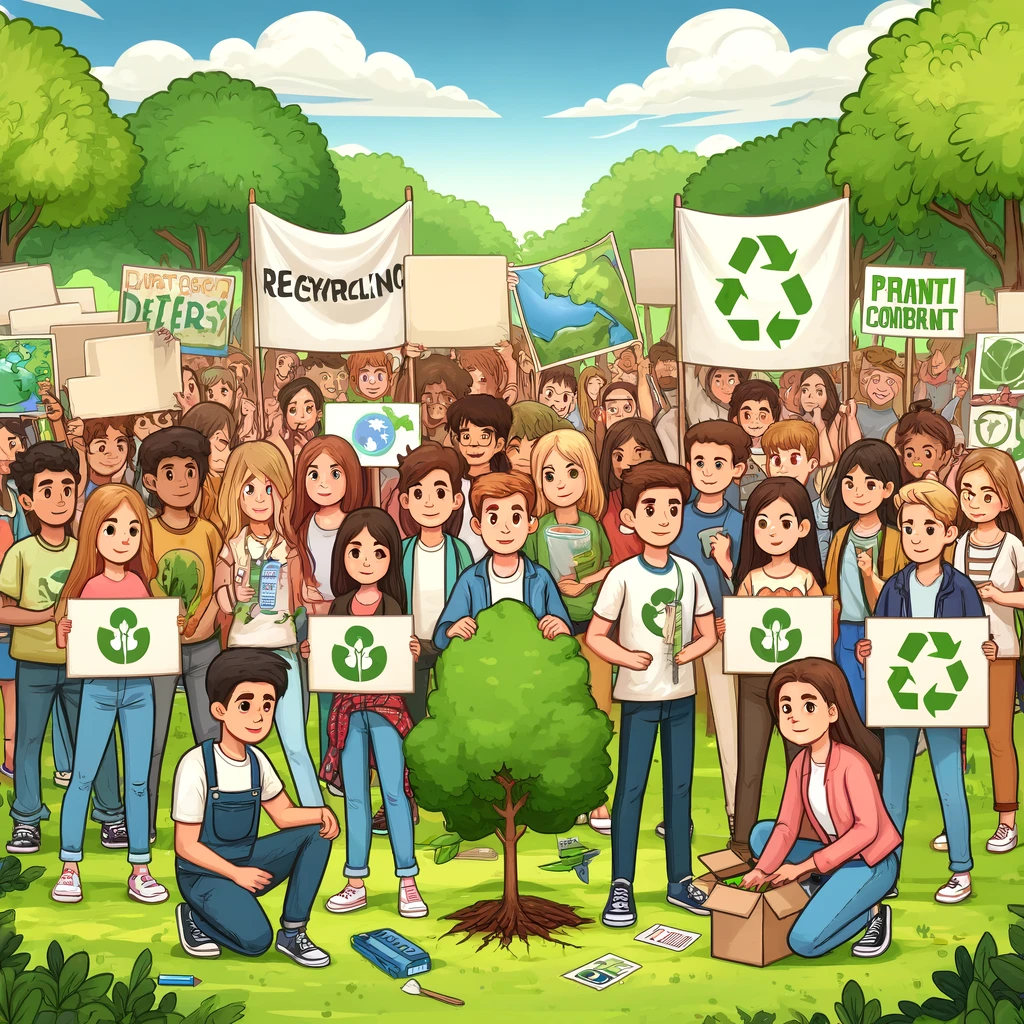
In today’s interconnected world, English serves as a bridge linking different cultures, ideas, and movements. Among these, the environmental movement has particularly benefited from the widespread use of English. It not only helps in spreading awareness about ecological issues but also facilitates international cooperation and knowledge exchange. This article will explore the various roles English plays in the environmental movement, how it aids advocacy, education, and policy-making, and why it’s become the lingua franca of environmentalism.
A Universal Platform for Communication
English is often referred to as a global lingua franca, a common language that enables people from diverse linguistic backgrounds to communicate. In the context of environmentalism, English allows activists, scientists, and policymakers from different parts of the world to share their insights, research findings, and strategies. This exchange is crucial for a movement that deals with global challenges like climate change, biodiversity loss, and pollution, which know no national borders.
For instance, major global environmental summits, such as the United Nations Climate Change Conferences (COP meetings), predominantly conduct their proceedings in English. This use of a common language makes it easier for delegates to negotiate, formulate policies, and create international agreements that are vital for global sustainability efforts.
Educational Outreach and Advocacy
English also plays a significant role in educational and advocacy efforts within the environmental movement. Many of the most influential books, documentaries, and research papers on environmental issues are published in English. This not only makes them accessible to a large audience but also ensures that the critical messages they carry reach policymakers and activists worldwide.
Moreover, the internet, a primary tool for education and outreach, predominantly features content in English. Websites of major environmental organizations like Greenpeace, World Wildlife Fund, and the Environmental Defense Fund offer vast resources in English, from educational materials and campaign information to actionable guidelines for individual and community actions.
Media and Public Discourse
The media plays a pivotal role in shaping public opinion and discourse on environmental issues. English-language media outlets, both traditional and digital, have a global reach, allowing them to influence international perspectives on environmental challenges and solutions. For example, influential platforms like the BBC, CNN, and The Guardian frequently feature stories on climate change, conservation efforts, and renewable energy advancements, making these topics part of a global conversation.
This widespread coverage not only informs but also engages the public, encouraging a collective response to environmental concerns. It mobilizes communities across the globe, from organizing local clean-up projects to participating in international climate marches, all facilitated through the shared use of English.
Facilitating International Collaboration
The environmental movement thrives on collaboration, and English facilitates this at multiple levels. International research collaborations, for example, are often conducted in English. Scientists across the globe collaborate on projects, share data, and publish joint research findings in English, which accelerates innovation and increases the impact of their work.
Environmental NGOs also leverage English to partner with each other, share best practices, and mobilize resources. This global network of NGOs often coordinates efforts in disaster response, conservation initiatives, and lobbying for environmental policies, with English as the working language.
Challenges and Considerations
Despite its benefits, the dominance of English in the environmental movement also presents certain challenges. It can marginalize non-English speakers and overlook indigenous knowledge and languages that are crucial for local conservation efforts. Therefore, while English serves as a useful tool, it’s important for environmental groups to also engage with local communities in their native languages to ensure inclusiveness and effectiveness.
Moreover, the simplicity and clarity of language are crucial, especially when conveying complex scientific information. Ensuring that English communication remains accessible to non-native speakers without oversimplifying critical data is a delicate balance that environmental communicators must manage.
English has undeniably played a central role in advancing the global environmental movement. By providing a common platform for communication, education, and collaboration, it has helped unify efforts to address some of the most pressing ecological issues of our time. However, as the movement grows and evolves, it’s equally important to embrace linguistic diversity and ensure that local voices, particularly those most affected by environmental issues, are not only heard but understood. In doing so, the environmental movement can become truly inclusive and effective, harnessing both global reach and local impact.

Harnessing English for Effective Communication and Action
The ability of English to facilitate international dialogue and action on environmental issues cannot be overstated. It not only aids in the sharing of scientific research and data but also plays a crucial role in the dissemination of innovative solutions and sustainable practices worldwide. When global forums and conferences discuss critical topics such as renewable energy, waste management, and conservation strategies, conducting these discussions in English ensures a broader participation and understanding, leading to more comprehensive and effective solutions.
The Role of English in Environmental Education
Education is a fundamental pillar of environmental activism. English’s role in education extends beyond merely serving as a medium of instruction; it’s also instrumental in crafting and sharing curricula that address global environmental issues. By using English, educators and institutions can reach a wider audience, ensuring that environmental education transcends borders and fosters a global citizenry that is well-informed and equipped to tackle environmental challenges.
In classrooms around the world, English allows educators to use internationally recognized materials and resources, providing students with access to the most current and relevant information. Additionally, many global environmental education initiatives, such as the United Nations’ Decade of Education for Sustainable Development, rely heavily on English to communicate their goals and resources, thus amplifying their impact.
Empowering Activists with English
Activists utilize English to inspire and mobilize people across continents. English-speaking activists are often at the forefront of global movements, using social media platforms, which predominantly operate in English, to spread their message, share their campaigns, and call for action. This use of English not only amplifies their message but also enables them to engage with a global audience, garnering international support that can lead to more significant impact.
For example, speeches and writings of prominent environmental activists like Greta Thunberg are often shared globally in English, resonating with a wide audience and inspiring international movements. This global outreach is essential for mobilizing international pressure on governments and corporations to adopt more sustainable practices.
English in Environmental Policy Making
Policy-making is another critical area where English plays a significant role. As environmental policies often require coordination between multiple countries, English serves as a crucial tool for drafting policies, discussing agreements, and ensuring that these documents are accessible to all parties involved. This not only streamlines the process but also enhances transparency and accountability in international environmental agreements.
Furthermore, the use of English in policy advocacy enables non-governmental organizations and environmental lobbyists to effectively communicate their concerns and recommendations to an international audience, including influential policymakers and leaders at global summits.
Promoting Inclusivity and Diversity
While the widespread use of English in the environmental movement brings numerous advantages, it is also important to promote linguistic diversity to ensure inclusivity. Efforts should be made to translate key documents, research, and communications into multiple languages. This not only broadens the reach of the environmental movement but also respects and incorporates the perspectives and knowledge of non-English speaking communities, particularly indigenous peoples who are often custodians of critical biodiversity.
Environmental organizations are increasingly aware of these needs and are using translation services and multilingual outreach to engage more effectively with diverse populations. By doing so, they ensure that the movement is not only global in its reach but also local in its engagement and impact.
Conclusion
The role of English in the environmental movement is multifaceted and profoundly influential. It facilitates international dialogue, education, advocacy, and policy-making, helping to unite global efforts to combat environmental degradation. However, as the movement strives for greater inclusivity and effectiveness, embracing linguistic diversity will be key. By balancing the use of English with other languages, the environmental movement can ensure that it is truly global, inclusive, and capable of achieving sustainable change.





