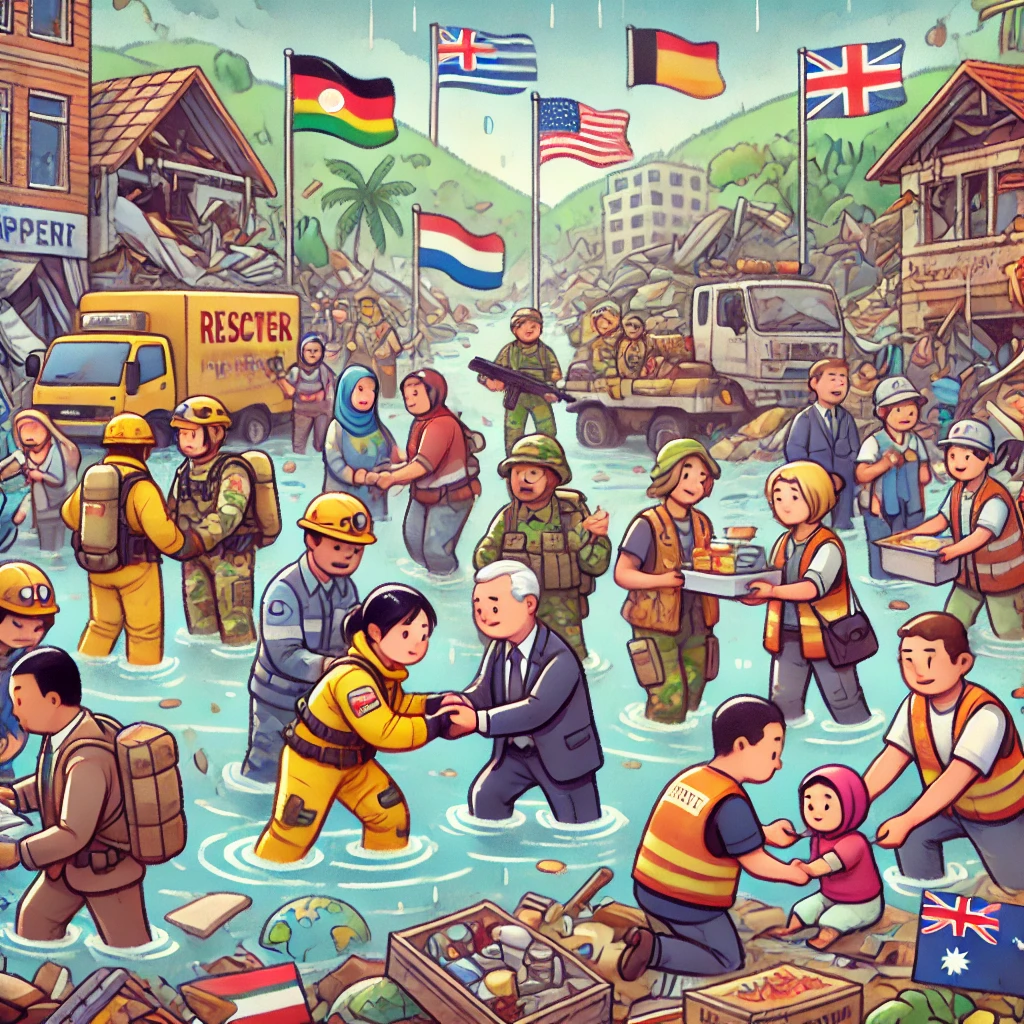
Disaster response is a critical aspect of humanitarian efforts aimed at providing immediate relief, rehabilitation, and support to affected populations. As the nature of disasters grows more complex and international cooperation becomes essential, the importance of a common language in facilitating efficient communication and coordination cannot be overstated. English, as a global lingua franca, plays a pivotal role in disaster response efforts across the world.
From earthquakes and typhoons to pandemics and man-made crises, disasters know no borders. With each passing year, the complexity and frequency of such events seem to increase, demanding collaborative efforts from various international organizations, governments, non-profits, and volunteers. Amidst this multifaceted web of responders, English has emerged as the standard language of communication, acting as the bridge that connects diverse teams and facilitates efficient action.
In this article, we will explore how English functions as a vital tool in global disaster response. We will examine its role in different aspects of disaster management, including coordination, training, public information, and long-term recovery. The aim is to provide a comprehensive understanding of why English is indispensable in such scenarios and how it impacts the effectiveness of disaster response across the globe.
The Role of English in Coordination and Communication
Coordination and communication are the backbone of any effective disaster response. The rapid pace at which information needs to be shared and actions need to be taken requires a standardized mode of communication. Here, English serves as the common language that enables different agencies, rescue teams, and stakeholders to collaborate seamlessly.
During initial response efforts, the ability to communicate effectively can significantly impact the efficiency of rescue operations. English becomes the primary tool for disseminating information, issuing commands, and coordinating activities. International organizations such as the United Nations Office for the Coordination of Humanitarian Affairs (OCHA) and the International Federation of Red Cross and Red Crescent Societies (IFRC) often use English to ensure clarity and avoid misunderstandings.
Additionally, English is used in the creation and dissemination of key documents such as situation reports, needs assessments, and action plans. These documents are essential for decision-making and strategic planning during disaster response. The consistent use of English across these documents ensures that all stakeholders are on the same page, regardless of their country of origin or native language.
Therefore, English is indispensable in facilitating the real-time flow of information and coordinating the collective efforts of various entities involved in disaster response. Without a common language, the efficacy and timeliness of these efforts would likely be compromised.
Training and Capacity Building: The Influence of English
The preparedness of individuals and organizations plays a crucial role in the success of disaster response initiatives. Training programs and capacity-building initiatives are essential components of disaster preparedness, and English is central to these educational efforts.
Many global training programs and educational resources for disaster management are developed in English. These include manuals, e-learning courses, workshops, and simulation exercises. Organizations such as the World Health Organization (WHO) and various international NGOs offer training modules in English, ensuring accessibility to a wider audience.
The use of English in training materials means that participants from different parts of the world can gain shared knowledge and skills. For instance, a disaster response training program conducted in English in a non-English-speaking country can still accommodate international trainers and participants from diverse linguistic backgrounds. This inclusivity fosters global cooperation and ensures that best practices in disaster management are universally understood and implemented.
Moreover, online platforms and virtual training sessions have become increasingly prevalent. English-language webinars, courses, and online communities provide opportunities for continuous learning and professional development. Responders can stay updated with the latest strategies, technologies, and guidelines, thus enhancing their effectiveness in disaster response.
In essence, English acts as a conduit for knowledge transfer, enabling responders to receive the education needed to excel in their roles. Training and capacity-building initiatives are stronger and more far-reaching due to the widespread use of English.

Information Dissemination and Public Awareness
Effective communication with the general public is another vital aspect of successful disaster response. Public awareness campaigns, emergency alerts, and safety instructions need to be clear and accessible to the masses. Here again, English plays a significant role, especially in regions where multiple languages are spoken.
During a disaster, timely and accurate information can save lives. Governments and international agencies often disseminate critical information in English, alongside local languages, to reach a broader audience. For example, emergency broadcasts, social media updates, and press releases are frequently issued in English to ensure they are understood by both local populations and international residents or tourists.
English is also the predominant language of the internet, which means that online resources, including official websites and social media channels, regularly provide updates and guidelines in English. People turn to these sources for reliable information during crises, making English an essential medium for communication.
Moreover, public awareness campaigns aiming to educate communities on disaster preparedness, risk reduction, and recovery measures often use English to cater to an international audience. Reaching a global audience ensures that the message transcends borders, encouraging a culture of preparedness and resilience worldwide.
In summary, English facilitates the effective dissemination of information to the public. It ensures that critical messages are conveyed accurately and efficiently, aiding in the overall success of disaster response efforts.
Long-Term Recovery and International Aid
Disaster response doesn’t end with immediate relief efforts; long-term recovery is a crucial phase that demands sustained collaboration and funding. English remains a key language in the realm of international aid and the reconstruction process that follows a disaster.
International funding agencies, such as the World Bank and various development agencies, often conduct their operations in English. Grant proposals, funding applications, and progress reports are typically written in English, ensuring that they can be reviewed and understood by a global panel of stakeholders.
Non-governmental organizations (NGOs) and aid agencies work in diverse regions and need a common language to manage and evaluate projects. English serves as the medium for documenting activities, monitoring progress, and reporting outcomes. This standardization allows for effective oversight and coordination across different programs and regions.
The use of English also facilitates partnerships between local and international organizations. Local NGOs and government bodies often collaborate with international agencies to implement recovery projects. Having English as a common language simplifies these collaborations, enabling clearer communication and more efficient project execution.
In addition to documentation, English is widely used in forums, conferences, and meetings where stakeholders discuss lessons learned, best practices, and future strategies. These platforms are essential for sharing knowledge and innovations, fostering a global culture of resilience and preparedness.
Overall, English is critical in sustaining long-term recovery efforts and ensuring that international aid is managed effectively. Its role in documentation, communication, and collaboration underpins the success of recovery and reconstruction initiatives.
Conclusion: The Indispensable Role of English in Disaster Response
Disaster response is a multifaceted, globally coordinated effort that demands an effective mode of communication. English, as the world’s principal lingua franca, offers the linguistic bridge needed to connect diverse teams, synchronize activities, and streamline operations. Its influence permeates various aspects of disaster response, from initial coordination and training to public information dissemination and long-term recovery.
In scenarios where time is of the essence, the ability to communicate clearly and efficiently can make a significant difference. English eliminates potential barriers that could arise from linguistic diversity, fostering a more agile and responsive disaster management system. It supports the dissemination of critical information to both responders and the public, ensuring that everyone involved is well-informed and on the same page.
Furthermore, the role of English in training and capacity building equips responders with the knowledge and skills required to perform their duties effectively. By providing a common language for education, English enhances the preparedness and competence of disaster response teams globally. The long-term benefits extend into recovery and reconstruction, where English continues to facilitate effective international cooperation and aid management.
As the world faces increasing challenges from natural and man-made disasters, the importance of a unified approach cannot be overstated. English remains a vital tool in this collective effort, helping to forge connections, share expertise, and build a more resilient global community. Recognizing and embracing the role of English in disaster response is essential for enhancing the overall efficacy and impact of humanitarian efforts worldwide.