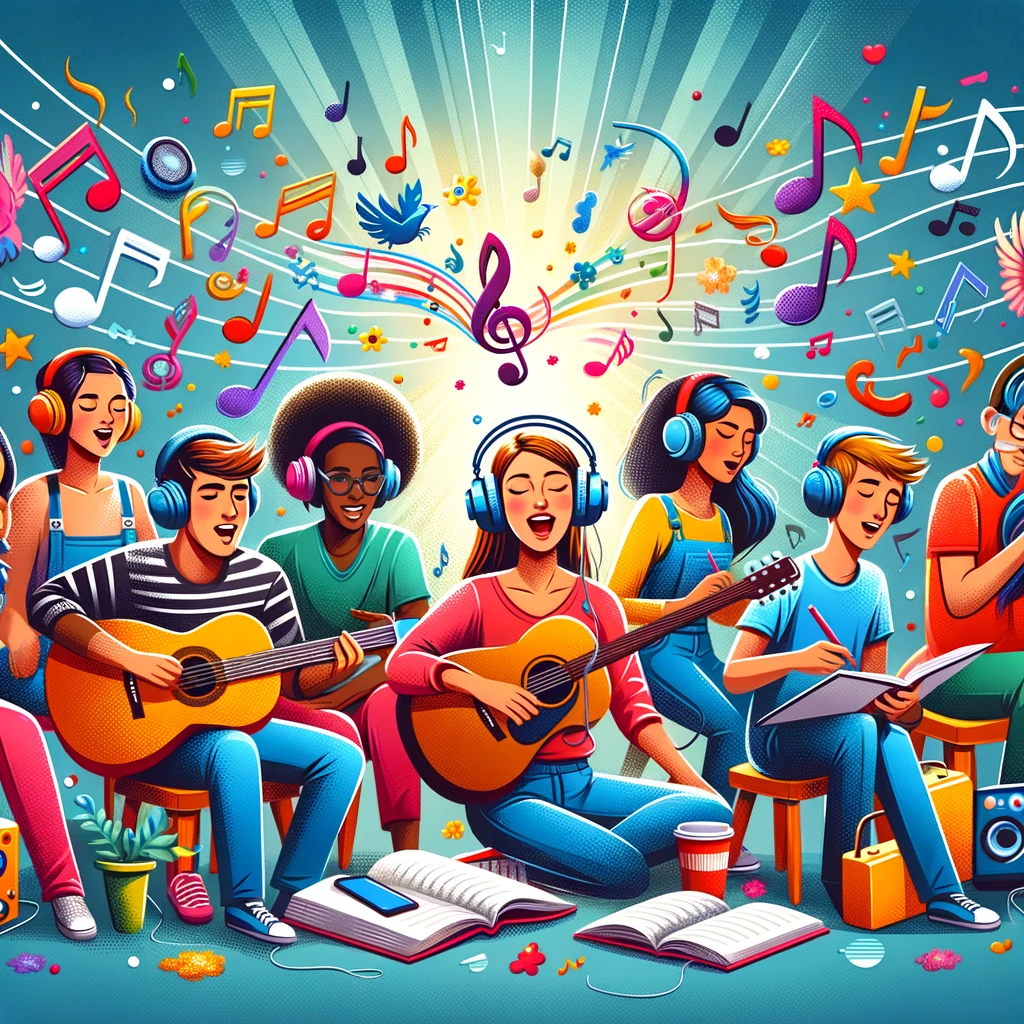
The world of pop music is an ever-evolving landscape, brimming with new sounds, diverse artists, and the constant blending of cultures. Among all these dynamic changes, one trend has remained strikingly steadfast—the sheer influence of the English language. As both a bridge between different musical traditions and a platform for global exposure, English has permeated the realms of pop music to an unprecedented degree. This isn’t just a phenomenon reserved for artists from English-speaking countries; it is a global movement that sees musicians from all corners of the world incorporating English into their songs. This article delves into how English has maintained its stronghold in the pop music industry, shaping its direction and broadening its reach. We’ll explore why English became such a dominant force, how it affects non-English speaking artists, and what the future holds for this ever-expanding musical landscape.
Whether you are an aspiring musician, a die-hard fan of global pop, or someone sharpening their English skills, understanding the role of English in pop music opens up a rich tapestry of cultural and linguistic interconnections. From the catchy hooks we can’t get out of our heads to the deep emotional narratives that resonate across borders, English occupies a unique space in the heart of pop culture. Let’s explore this fascinating topic, starting from its roots and stretching all the way to its modern-day implications.
The Historical Context
The relationship between English and global pop music did not form overnight. Its roots can be traced back to the early 20th century when jazz, rock ‘n’ roll, and later, pop music started to gain international traction. American artists like Elvis Presley and The Beatles captured global audiences, partly because of their innovative sound but also because of their use of English, which was becoming an increasingly popular second language around the globe. Radio and television, burgeoning in the 1950s and ’60s, facilitated the spread of English songs far beyond the borders of the United States and the United Kingdom.
But why did English emerge as the dominant language in pop music, rather than any other? One major factor is the economic and cultural impact of the United States. During the 20th century, the U.S. became a cultural superpower, exporting not just goods but also media, films, and yes, music. English-medium songs were more likely to be played on global radio stations and featured in movies, creating a cascade of cross-cultural exposure and increasing the demand for English lyrics even further.
Furthermore, the business side of the music industry also leaned heavily toward English. Record labels, often based in the U.S. or the U.K., saw English songs as more commercially viable. Language, therefore, became not just a medium of artistic expression but also a strategic tool for reach and revenue. As globalization continued to knit the world closer together, English songs found their way into more and more homes, establishing a firm foothold that has only grown stronger over time.
The Role of English in Non-English Speaking Countries
With the global influence of English pop music firmly established, it’s fascinating to see how artists from non-English speaking countries have embraced and adapted to this trend. In many cases, these artists incorporate English lyrics to broaden their international appeal. This phenomenon is especially prevalent in genres like K-pop, where groups like BTS and BLACKPINK seamlessly blend Korean and English lyrics to create songs that captivate audiences worldwide. By doing so, they not only make their music more accessible but also showcase their versatility in navigating different linguistic landscapes.
In addition, English words and phrases often serve as a form of linguistic innovation. They bring a sense of modernity and global connectedness that can make a song more relatable to younger audiences who are likely more familiar with English due to their education and exposure to global media. For instance, it’s not uncommon to hear English choruses or hooks in songs from Latin America, Africa, and Asia, often ingeniously woven into the fabric of their native languages.
There are also artists who have chosen to release entire albums in English to break into the international market. Artists like Shakira and Enrique Iglesias initially started with music in Spanish but later found immense success in English-speaking markets. Their bilingual capabilities have allowed them to navigate and dominate charts across different linguistic demographics, thereby maximizing their reach and fanbase. This trend has had a ripple effect, encouraging more and more artists to consider English as a vehicle for global success.
Challenges Faced by Non-English Speaking Artists
Of course, the adoption of English in non-English speaking countries is not without its challenges. For one, there is the linguistic barrier—mastering a second language well enough to write and perform can be daunting. Moreover, cultural nuances in language can be tricky to navigate. Adopting English idioms, slang, and even humor requires a deep understanding of cultural contexts, which can sometimes be lost in translation and potentially alienate both native and non-native audiences.
Another hurdle is the authenticity of the music. When non-English speaking artists adopt English, they might struggle to maintain the cultural uniqueness that makes their music special. This balance between staying true to one’s roots and appealing to a larger audience is a delicate dance. Changing one’s lyrical style to fit a different language can sometimes lead to criticism from loyal fans who feel that the authenticity of the music has been compromised.
The music industry itself presents another set of challenges. Market dynamics often pressure artists to conform to dominant trends, sometimes pushing them to prioritize English over their native languages to achieve commercial success. This can create a homogenized musical landscape where unique cultural expressions are stifled in favor of a more universally palatable sound. However, it’s encouraging to see that many artists are finding ways to navigate these challenges creatively, producing music that transcends linguistic boundaries while staying true to their cultural identity.

The Role of Technology and Social Media
In today’s digital age, technology and social media play a crucial role in the global dissemination of music, and they have further amplified the influence of English in pop music. Platforms like YouTube, Spotify, and TikTok have revolutionized how music is consumed and shared, breaking down geographical barriers and making it easier for English songs to reach global audiences. Algorithms often prioritize songs with higher engagement rates, and due to the widespread understanding of English, these songs frequently gain more traction.
Social media, in particular, has become a powerful tool for artists to promote their music and connect with fans worldwide. English, being a widely spoken and understood language, naturally becomes the medium of choice for wider engagement. Artists can post updates, share behind-the-scenes content, and interact with their audience, creating a more personal connection that transcends borders. Viral challenges and trends on platforms like TikTok often feature English songs, further embedding the language in the global pop culture psyche.
Additionally, technology has made collaboration easier, allowing artists from different parts of the world to work together seamlessly. English often serves as the common language in these collaborations, facilitating smoother communication and creative synergy. This has led to a rich tapestry of cross-cultural projects that blend different musical traditions and styles, with English acting as the glue that holds these collaborations together. Whether it’s Latin reggaeton mixed with American pop or African beats infused with European electronic music, English enables these diverse musical dialogues to flourish.
Case Studies of Successful Cross-Language Pop Artists
To truly appreciate the influence of English on global pop music, it helps to look at some notable case studies of artists who have successfully navigated this landscape. One prominent example is BTS, the South Korean boy band that has taken the world by storm. While their music predominantly features Korean lyrics, they often incorporate English phrases and have even released full English tracks like “Dynamite” and “Butter,” which have topped international charts. Their ability to blend languages seamlessly has played a significant role in their global success.
Another example is Shakira, who has adeptly oscillated between Spanish and English throughout her career. Albums like “Laundry Service” marked her successful foray into the English-speaking market, earning her a place in the global pop pantheon. Her bilingual abilities have not only broadened her reach but also showcased the rich cultural tapestry of Latin music to the world. Similarly, artists like Daddy Yankee, known for his hit “Despacito” featuring Luis Fonsi, have demonstrated the power of bilingual tracks in capturing diverse audiences.
European artists have also embraced English to varying degrees. Swedish pop star Zara Larsson, for instance, has primarily released music in English, significantly boosting her international appeal. Her songs reflect a blend of Scandinavian sensibility and global pop trends, making her a staple on international charts. In Africa, Nigerian artists like Burna Boy and Wizkid have incorporated English into their Afrobeat sound, creating a musical blend that resonates both locally and globally.
These case studies highlight the versatility and strategic advantage of incorporating English into music. While the primary language of these artists may differ, their ability to use English as a bridge to connect with a wider audience has been a pivotal factor in their success. This trend underscores the ongoing influence of English in shaping the global pop music landscape.
The Future of English in Global Pop Music
As we look toward the future, the influence of English in global pop music shows no signs of waning. In fact, it is likely to grow even stronger as the world becomes more interconnected. With the advent of new technologies and platforms for music distribution, artists have more tools than ever to reach a global audience. English, with its widespread understanding and appeal, will continue to be a key component in this global outreach.
However, this doesn’t mean that other languages will fade into the background. On the contrary, the future of global pop music is likely to be more multilingual and multicultural than ever. As artists continue to experiment with different languages, we can expect to see more hybrid tracks that blend English with other languages, creating a richer and more diverse musical landscape. This trend not only enhances the listening experience but also fosters greater cultural understanding and appreciation.
Moreover, as the global audience becomes more receptive to diverse sounds and languages, artists will feel more empowered to incorporate their native languages into their music. This could lead to a more balanced representation of different cultures in the mainstream music industry, enriching the global pop music scene. English will continue to play a significant role, but it will do so alongside a tapestry of other languages, each contributing its unique flavor to the mix.
In essence, the future of English in global pop music is not about overshadowing other languages but about coexistence and collaboration. As artists and audiences alike embrace this multilingual approach, the global pop music landscape will become a more inclusive and vibrant space, reflecting the rich diversity of our world. English will remain a powerful tool for connection and communication, but it will be one of many voices in a harmonious global chorus.
Conclusion
The influence of English on global pop music is undeniable and multifaceted. From its historical roots in early 20th-century jazz and rock ‘n’ roll to its current dominance in the digital age, English has played a pivotal role in shaping the global music landscape. Artists from non-English speaking countries have adeptly navigated this terrain, using English to broaden their appeal and reach diverse audiences. Despite the challenges, the incorporation of English in pop music continues to be a strategic and creative choice for many artists.
Technology and social media have further amplified the reach and impact of English songs, breaking down geographical barriers and making global collaboration more accessible. As we look toward the future, the trend of blending English with other languages is likely to continue, creating a richer and more diverse musical landscape. The case studies of successful cross-language artists like BTS, Shakira, and Zara Larsson serve as a testament to the power and versatility of English in global pop music.
Ultimately, the influence of English in pop music is a reflection of broader cultural and economic dynamics. It is a tool for connection, a platform for exposure, and a bridge between different musical traditions. As the world becomes more interconnected, the role of English in global pop music will continue to evolve, fostering greater cultural understanding and appreciation.
For anyone sharpening their English skills, the world of pop music offers a rich source of linguistic and cultural insights. Whether you’re an aspiring musician, a fan of global pop, or simply someone interested in language learning, understanding the role of English in pop music opens up a world of opportunities and connections. The future of global pop music is multilingual, multicultural, and incredibly exciting, with English playing a central but collaborative role.