
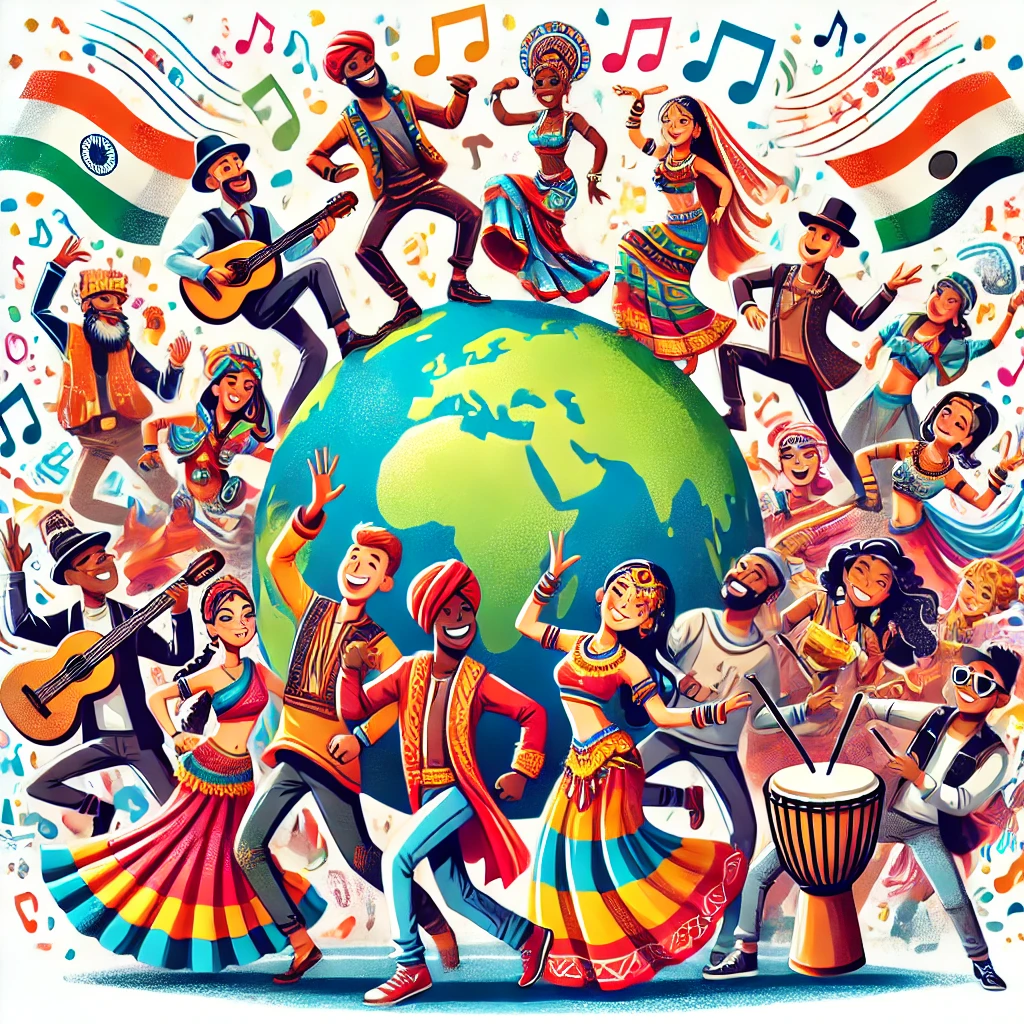
Dance is a universal language that transcends borders, cultures, and languages. Still, the influence of English on global dance trends is undeniable. English, being one of the most widely spoken languages, has permeated many aspects of global culture, including dance. From hip-hop and pop dance to contemporary and ballet, English terminology, music, and media have shaped and continue to shape the evolution of dance worldwide. This intersection of language and movement creates a fascinating fusion of cultural exchange and creative expression. This article explores the myriad ways English impacts global dance trends, exploring historical roots, music influences, educational frameworks, global sensations, and the digital revolution.
English Terminology in Dance:
Renowned dance styles such as hip-hop, jazz, and contemporary dance often incorporate English terms. For example, “locking,” “popping,” and “crumping” are terms integral to hip-hop. Ballet, traditionally rooted in French, now incorporates many English terms due to the prominent English-speaking ballet companies and schools. These terminologies have been embraced globally, allowing dancers from different parts of the world to communicate effectively. Dance competitions and workshops often use English, creating a common ground for participants from diverse linguistic backgrounds. The widespread use of English terms not only facilitates communication but also signifies the cultural penetration of English into the fabric of global dance.
Impact of English Music on Dance:
Music and dance are inseparable; one cannot exist without the other. English-language music has had a profound influence on dance styles across the globe. The rise of pop icons like Michael Jackson, Madonna, and Beyoncé has shaped dance trends in unprecedented ways. Michael Jackson’s moonwalk, for instance, became a global phenomenon. Dance routines to English pop songs often go viral, crossing cultural and linguistic barriers. Hip-hop and rap, genres deeply rooted in English-language culture, have also had a significant impact. Dance forms like breakdancing and street dance owe much of their global popularity to the English music scene. English lyrics often set the pace and style for various dance routines, creating a universal dance rhythm that resonates worldwide.
English in Dance Education:
The role of English in dance education is pivotal. Many prestigious dance schools across the world use English as their medium of instruction. From New York’s Juilliard School to London’s Royal Ballet School, English is the lingua franca that connects aspiring dancers globally. Instructional videos and online dance tutorials predominantly in English have democratized dance education, making it accessible to a wider audience. Dance textbooks and academic works often employ English, setting standardized vocabulary and methodologies for students and professionals alike. The prominence of English in dance education ensures that dancers around the world can benefit from high-quality instruction regardless of their native language, fostering a global community of well-trained dancers.
Global Dance Sensations and English:
Global dance sensations such as TikTok dances and viral challenges often revolve around English-language songs. English phrases and hashtags are used to popularize these trends, ensuring they reach a global audience. The influence of platforms like TikTok, YouTube, and Instagram, which predominantly feature English content, cannot be overlooked. Dance routines based on English pop culture, movies, and TV shows quickly gain international traction. Shows like “So You Think You Can Dance?” and “Dancing with the Stars” have a vast international following, with many local versions still maintaining the core English-speaking format. These shows have contributed immensely to the global popularity of various dance styles, with their reach and impact magnified by the English language.
English and the Digital Dance Revolution:
The digital age has revolutionized the way dance is shared and consumed, with English being at the forefront of this transformation. Social media platforms, streaming services, and online dance classes enable dancers to reach a global audience. English captions, tags, and titles make dance content more discoverable, further amplifying its reach. Dance influencers who use English in their content have a broader reach, attracting followers from different corners of the world. Virtual dance communities, forums, and online collaborations often operate in English, connecting dancers regardless of geographical boundaries. The digital dance revolution, facilitated by English, allows dance to evolve rapidly, embracing innovations and trends at an unparalleled pace.
Conclusion:
The impact of English on global dance trends is profound and multifaceted. From the terminology used in studios to the lyrics that dancers move to, English plays a significant role in shaping the dance landscape. It acts as a bridge that connects diverse cultures, enabling a fluid exchange of ideas and styles. English-language media has been instrumental in popularizing and globalizing dance trends, from viral challenges to televised competitions. The educational framework for dance, often facilitated in English, ensures high-quality instruction and a shared vocabulary that dancers worldwide can relate to. In the digital age, English continues to be the key language that drives the evolution of dance, ensuring that the latest trends and innovations are universally accessible. The dance world is richer and more connected due to the influence of English, fostering a global dance community that thrives on unity and diversity.





