

Learning a new language is an exciting yet challenging endeavor. For many, traditional methods of language learning, such as classroom settings and textbook exercises, can feel tedious and uninspiring. However, integrating creative methods can make the process more engaging and effective. One such method involves using photography exhibits to enhance English language skills. This article will delve into how photography exhibits can be an enriching tool for mastering English, providing both visual stimulation and practical application of language skills. We will explore various strategies and activities that can be employed to maximize learning outcomes.
Introduction
Photography is a universal language that transcends cultural and linguistic barriers. The visual nature of photography provides a rich context for storytelling, critical thinking, and vocabulary development. When incorporated into ESL learning, photography can stimulate the mind and ignite curiosity, making the learning process more enjoyable and less daunting.
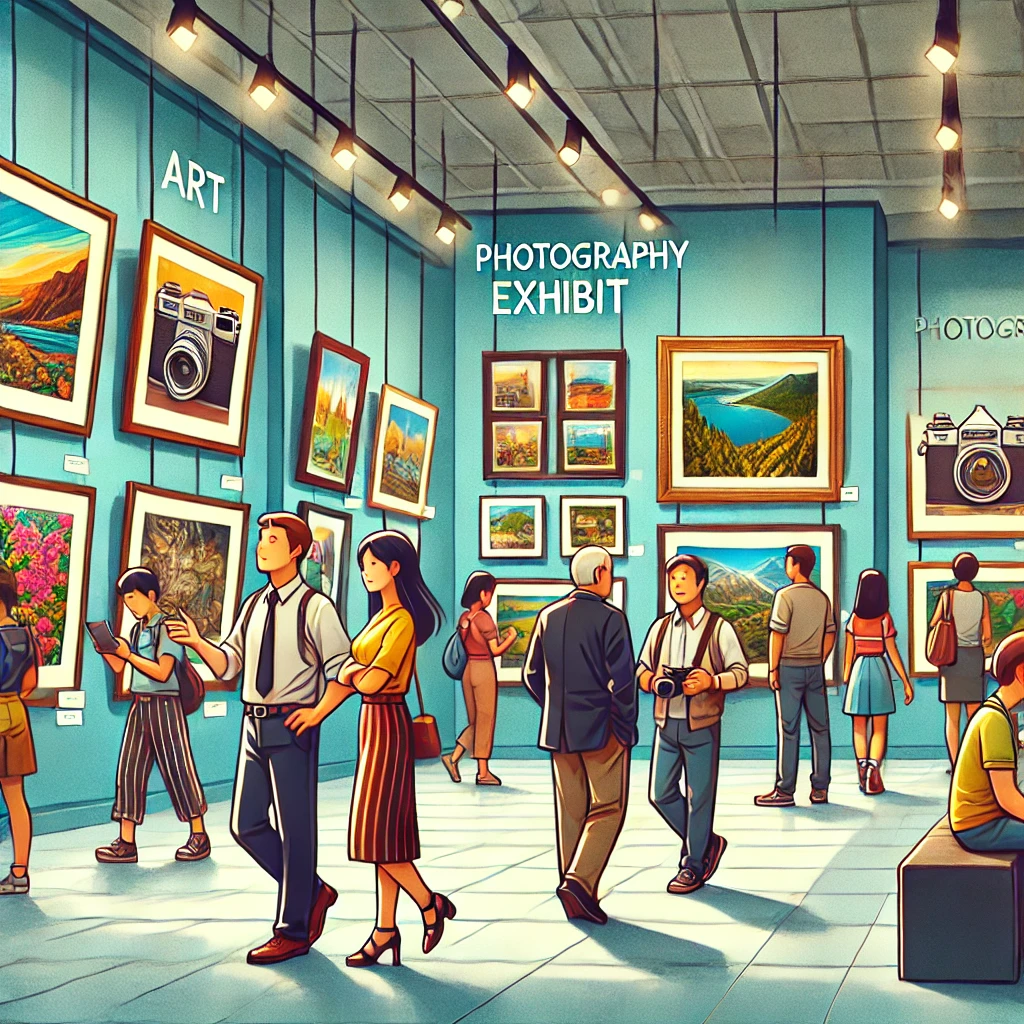
Photography exhibits, in particular, offer a dynamic environment filled with diverse visual stimuli. They can serve as a springboard for discussions, descriptive writing, and narration activities. By engaging with photographs, learners can enhance their vocabulary, improve their grammar, and develop their speaking and writing skills.
The immersive nature of photography exhibits allows learners to experience and interact with the language in a meaningful context. It encourages them to think critically about what they see and articulate their thoughts coherently. As they describe and interpret photographs, they practice using new words and structures in a natural and engaging setting.
This approach not only makes learning more enjoyable but also helps to build confidence. When learners see their progress in real-time, they are motivated to push further and challenge themselves. Below, we will outline the benefits of using photography exhibits in ESL learning and provide practical activities and strategies to get started.
Benefits of Using Photography Exhibits in ESL Learning
Photography exhibits provide several advantages for ESL learners:
- Visual Stimulation: Photographs capture attention and spark curiosity, making learning more engaging.
- Contextual Learning: Images provide context, helping learners understand and remember new vocabulary and concepts.
- Critical Thinking: Analyzing photographs encourages critical thinking and discussion, essential skills for language development.
- Communication Skills: Describing and interpreting photographs improve speaking and writing abilities.
- Cultural Awareness: Exhibits often feature diverse cultures, promoting cultural understanding and empathy.
When learners encounter a photograph, they are prompted to describe what they see, speculate about the story behind it, and discuss their interpretations with others. This process naturally incorporates new vocabulary and grammatical structures, reinforcing learning in a practical context. Moreover, the collaborative nature of discussing photographs fosters communication and teamwork.
Strategies for Incorporating Photography Exhibits
There are various strategies educators can use to integrate photography exhibits into their ESL curriculum:
- Pre-Visit Activities: Before visiting a photography exhibit, introduce relevant vocabulary and themes. This prepares learners for what they will see and provides a foundation for discussion.
- Guided Tours: Arrange guided tours of photography exhibits where a guide explains the photographs. This provides learners with contextual information and models descriptive language.
- Discussion Sessions: After viewing the exhibit, facilitate group discussions where learners describe their favorite photographs and share their interpretations. Encourage the use of new vocabulary and correct grammatical structures.
- Writing Assignments: Assign writing tasks based on the photographs. Learners can write descriptions, narratives, or essays about the images. This reinforces vocabulary and encourages creative expression.
- Photo Projects: Have learners create their own photo projects, where they take pictures and write descriptions or stories. This combines artistic expression with language practice.
Each of these strategies leverages the visual appeal of photography to make learning more interactive and effective. By engaging with the material actively, learners are more likely to retain new information and apply it in different contexts.
Activities to Enhance Learning
Below are some specific activities that can be employed to enhance English learning through photography exhibits:
1. Photo Descriptions
Select a photograph from the exhibit and ask learners to describe it in detail. Encourage them to use adjectives and precise vocabulary. This activity enhances observation skills and enriches descriptive language.
2. Storytelling
Have learners choose a photograph and create a story based on what they see. This can be a collaborative activity where groups brainstorm ideas and write a narrative together. It encourages creativity and teamwork.
3. Caption Writing
Ask learners to write captions for various photographs. This activity challenges them to summarize the essence of an image in a few words, honing their summarization skills and vocabulary.
4. Photo Essays
Assign a photo essay project where learners select a series of photographs and write an essay that connects them. This helps them practice structuring longer pieces of writing and cohesively presenting their ideas.
5. Role-Playing
Involve learners in role-playing activities based on the photographs. For example, they can pretend to be a character in the photo and describe their experiences. This enhances speaking skills and empathy.
These activities not only refine language skills but also make learning more engaging and enjoyable. They encourage active participation and foster a sense of accomplishment among learners.
Technological Integration
With the advancement of technology, incorporating digital photography exhibits can further enhance the learning experience. Virtual tours and online galleries provide access to a wide range of photographs, making it convenient for learners to engage with visual content anytime, anywhere.
Advantages of Digital Integration:
- Accessibility: Learners can access digital exhibits from home or school, providing flexibility in learning.
- Variety: Online galleries offer a diverse range of photographs from different cultures and periods, enriching the learning experience.
- Interactive Features: Many digital platforms have interactive features, such as zooming in on details, listening to audio descriptions, and watching related videos.
Educators can leverage these technological tools to create comprehensive lessons that combine visual and auditory elements. Virtual tours can be followed by online discussions, and assignments can be submitted digitally, allowing for efficient feedback and collaborative learning.
Case Studies and Success Stories
To illustrate the effectiveness of using photography exhibits for ESL learning, let’s look at some real-life success stories:
Case Study 1: The Art Museum Project
In a small-town school, an ESL teacher organized a field trip to a local art museum with a photography exhibit. Before the visit, the teacher introduced relevant vocabulary and themes. During the visit, students were encouraged to ask questions and describe what they saw. After the visit, they participated in a writing workshop where they created stories based on the photographs. This project significantly improved their vocabulary and writing skills, and students reported feeling more confident in their English abilities.
Case Study 2: Virtual Photo Exploration
An online ESL program integrated virtual photography exhibits into its curriculum. Students from different parts of the world participated in virtual tours and engaged in online discussions. They were assigned tasks such as writing essays and creating photo captions. This approach not only improved their language skills but also fostered a sense of global community and cultural awareness.
These case studies demonstrate that photography exhibits, whether physical or digital, can be powerful tools for enhancing ESL learning. They provide a stimulating and supportive environment where learners can practice and develop their language skills in a meaningful context.
Conclusion
Learning English through photography exhibits offers a unique and engaging approach to language acquisition. The visual and contextual nature of photography stimulates curiosity, encourages critical thinking, and fosters communication. By incorporating photography exhibits into the ESL curriculum, educators can create a more dynamic and effective learning experience. Strategies such as guided tours, discussion sessions, and creative writing tasks can help learners develop their vocabulary, grammar, and communication skills in an enjoyable and meaningful way.
Moreover, with the integration of technology, digital photography exhibits provide convenient access to diverse visual content, enhancing the learning experience even further. Virtual tours and online galleries offer flexibility and interactive features that can enrich lessons and engage learners.
The success stories and case studies highlight the positive impact of using photography exhibits for ESL learning. Learners not only improve their language skills but also gain cultural awareness and confidence. It is an approach that brings language to life, making the process of learning English both fun and effective.





