
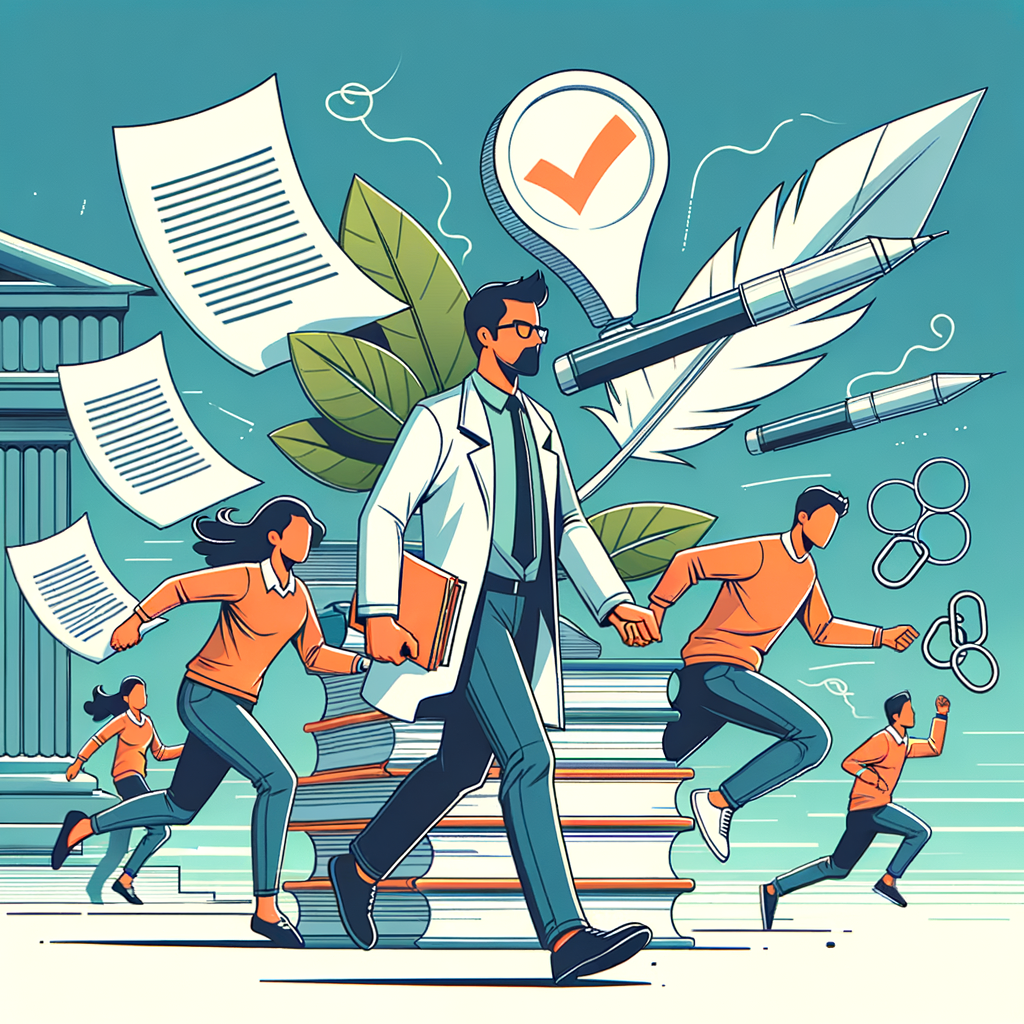
In the ever-evolving landscape of academia, the integrity and authenticity of scholarly work hold paramount importance. Plagiarism, whether intentional or accidental, poses a significant threat to academic credibility and integrity. As such, avoiding common plagiarism pitfalls is essential for students, researchers, and academics to maintain the originality and legitimacy of their work. In this guide, we delve into the heart of plagiarism, exploring the common pitfalls that lead to unintentional plagiarism and providing actionable strategies to avoid them. Understanding how to navigate these challenges not only safeguards against academic misconduct but also enhances the quality and reliability of academic writing. With institutions and publishers utilizing increasingly sophisticated tools to detect plagiarism, equipping oneself with knowledge is not just beneficial; it is necessary. This comprehensive article aims to empower readers with the skills to identify and mitigate risks associated with plagiarism in their scholarly endeavors.
Many individuals harbor misconceptions about plagiarism, leading to unintentional ethical breaches. Plagiarism isn’t limited to direct copying of text; it encompasses a wide range of actions including failing to cite sources properly, paraphrasing poorly, and recycling one’s own previous work without acknowledgment. This article will dissect the intricacies and nuances of these common pitfalls. Furthermore, we will offer insights into the variety of plagiarism that exists in today’s academic world, from mosaic to accidental, and provide practical solutions tailored to each challenge. By the end of this article, readers will be equipped with a holistic understanding of plagiarism management. We’ll discuss tools and habits conducive to fostering an environment of originality and ethical scholarly writing, aiming to prevent improper scholarly practices and ease the anxiety associated with academic scrutiny.
The prevalence of plagiarism cases reported in academic circles often comes from a misunderstanding of what constitutes plagiarism or its nuances. Hence, this article also seeks to clarify these areas by emphasizing strategies for education and awareness. Understanding the critical distinction between inspiration and appropriation is key to which this article will guide you through. As we dive deeper, you’ll discover strategies for maintaining academic honors, learning when and how to credit sources accurately, and wielding the tools available to ensure your work remains authentic and true to your intellectual efforts.
Understanding the Different Types of Plagiarism
First and foremost, understanding the variety of plagiarism scenarios is crucial. Plagiarism is not a monolith but an umbrella term that covers several distinct types. Knowing these types helps in identifying and avoiding them effectively. One major type is direct plagiarism, which involves the verbatim copying of text without proper citation or quotation. This is the most easily identifiable form of plagiarism but is also avoidable with appropriate referencing and use of quotation marks.
Another common form is mosaic plagiarism, also known as patchwriting, where the writer takes pieces of information, phrases, or ideas from various sources and intersperses them without proper acknowledgment. This form is tricky because it often involves paraphrasing, which if done inadequately, can lead to unethical borrowing.
Self-plagiarism is another form that many might not recognize as unethical. It involves reusing one’s own previously published work without citation. In academia, this can be considered dishonest and is frowned upon as it inflates one’s contribution to the academic field without actually contributing new knowledge.
Accidental plagiarism occurs when the writer either fails to cite sources or misquotes, often due to negligence or lack of understanding of citation practices. This happens more frequently than one might expect and can be mitigated through education on proper citation guidelines and diligent note-taking practices.
Effective Paraphrasing Techniques
Paraphrasing is an essential skill in academic writing, allowing writers to convey others’ ideas while maintaining their own voice. However, poor paraphrasing often results in plagiarism. Effective paraphrasing involves more than mere synonyms substitution; it requires understanding the source material deeply and then rearticulating it in a new form. This technique requires practice, synthesizing information in a way that reflects comprehension rather than reproduction.
To avoid pitfalls, focus on the main idea, articulate it in personal terms, and compare to the original to ensure enough difference exists. Using active engagement with the material—such as summarizing points in your notes first—can also help solidify understanding, which is crucial for successful paraphrasing. Remember to cite the original idea appropriately, as the source’s intellectual property forms the foundation of your discussion.
Proper Citation Practices
Citing sources correctly is fundamental to academic integrity. Different fields of study employ various citation styles, such as APA, MLA, or Chicago. Familiarizing oneself with the citation style relevant to one’s discipline is critical. Each style guides not only how to cite sources within the text but also how to format the bibliography or reference list.
To avoid errors, invest time learning and practicing the nuances of the chosen style guide. Consistent referencing not only strengthens the credibility of your work but also aids readers in accessing the sources themselves, promoting a scholarly dialogue. Tools like citation generators or bibliographic software may simplify this process, but caution is necessary to verify that generated citations meet the necessary formatting standards.
Utilizing Plagiarism Detection Tools
Modern technology offers tools to assist with the identification of plagiarism before submission. Plagiarism detection software, like Turnitin or Grammarly, compares your work against vast databases to flag potentially plagiarized content. Using these tools preemptively can alert to unintentional similarities with existing literature, providing an opportunity to make corrections before submission.
When using these tools, it’s imperative to look at the flagged text and understand why it’s being flagged. This step enables learning from mistakes and refining one’s understanding of plagiarism. Additionally, these tools often provide feedback on citation errors or improper paraphrasing, adding another layer of educational value.
Developing Good Note-Taking Habits
Strong note-taking skills are an essential foundation to effective academic writing and plagiarism avoidance. During research, maintain organized, detailed notes. Clearly differentiate between direct quotes and your observations, and record full citation details at the initial capture. This practice helps prevent misattribution or the unintentional use of others’ ideas as your own.
Adopting digital note-taking tools like Evernote or OneNote can enhance organization and facilitate quick searches for information, ensuring accessibility and aiding in accurate referencing during writing. These tools often allow for tagging and keyword searches, making it easier to return to relevant notes later in the writing process.
Developing Original Ideas and Insights
While engaging with existing literature is crucial, developing one’s own perspective remains central to scholarly work. Investing effort to contribute original insights or interpretations can not only set your work apart but reduce reliance on others’ ideas, thereby minimizing plagiarism risk.
Creativity in academia can be fostered through active engagement: critically questioning existing theories, seeking gaps in literature, or blending interdisciplinary approaches. Encouraging discourse with peers and mentors can provoke new thoughts and enhance innovation, assisting in forming unique contributions to the field.
Conclusion
The journey to mastering plagiarism aversion is layered, necessitating an understanding of diverse plagiarism types and the implementation of clear strategies to preclude them. Effective paraphrasing, consistent and accurate citation practices, and leveraging detection tools constitute fundamental strategies in preserving academic integrity. Furthermore, adopting robust note-taking habits and fostering original ideas enhance the authenticity and value of academic work.
This guide illustrates that steering clear of plagiarism is not merely about adhering to guidelines but about nurturing habits that champion intellectual honesty. Engaging deeply with material, acknowledging inspiration sources, and advancing original ideas form the backbone of credible scholarly writing. Consistent vigilance and a commitment to ethical standards can not only bolster individual academic careers but contribute to the integrity of scholarly communication at large.
In an era where information is readily accessible and shared widely, developing a keen understanding of plagiarism nuances and committing to ethical academic writing practices remains as pertinent as ever. This guide serves as a roadmap for academia’s intellectual landscape where ideas intersect, inspiring ethical challenges and innovative practices alike. By diligently applying these strategies, authors and researchers contribute to a more honorable and authentic academic discourse.





