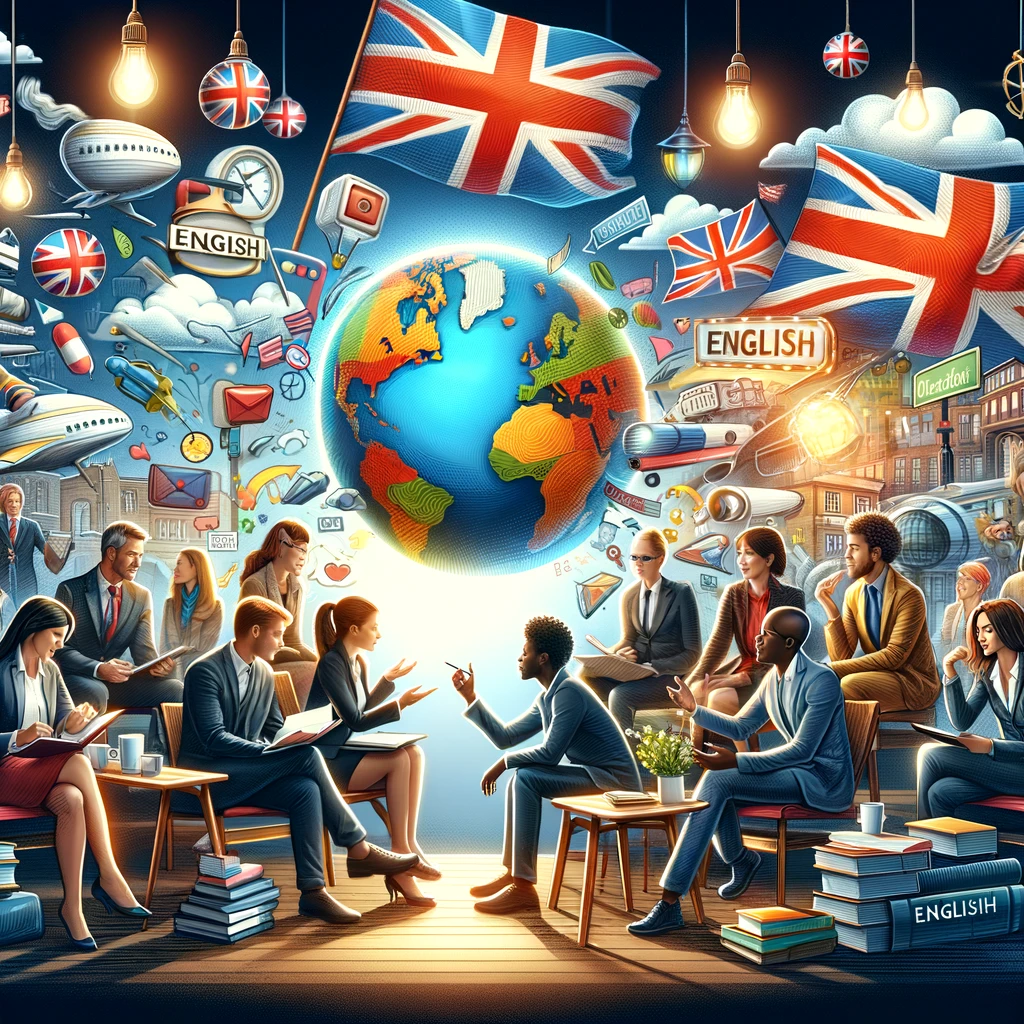
The digital age has ushered in a new era of connectivity, bringing people from across the globe closer than ever before. For ESL (English as a Second Language) communities, this presents a unique opportunity to practice language skills, learn from diverse cultures, and build a positive online persona. However, navigating the online world can be challenging, particularly for those still grappling with language barriers and cultural nuances. A positive online presence is crucial for personal growth, professional opportunities, and fostering an inclusive environment within these communities. In this article, we will explore the importance of cultivating a positive online persona for ESL communities, detailing strategies and practical tips to achieve this goal. We will also consider the broader implications for personal development and the collective benefits for ESL learners as they engage in digital landscapes where communication serves as a bridge to understanding, collaboration, and cultural exchange.
Today’s digital interactions can often shape perceptions and influence reputations. As such, it is essential for ESL learners to establish a reputable online identity that accurately reflects their abilities, aspirations, and respect for diversity. However, creating such an identity involves more than just using the right words; it requires a deep understanding of netiquette and cultural sensitivity. Through strategic engagement, positive storytelling, and mindful sharing, ESL learners can create lasting impressions that resonate with friends, colleagues, and wider audiences. A well-crafted online persona is not only beneficial on a personal level, but it also contributes to the richness and diversity of online conversations, fostering inclusivity and understanding in digital forums. This article will delve into proven methods and insightful advice that ESL learners can utilize to enhance their online interactions, thus promoting an authentic, positive persona that is both appealing and impactful.
Understanding the Importance of a Positive Online Persona
The internet has become an indispensable tool for communication and learning, particularly for ESL communities seeking to hone their language skills. In the online world, first impressions are often lasting. A positive online persona does not merely reflect one’s English proficiency; it also embodies one’s character, approachability, and respect towards others. For ESL learners, crafting an authentic digital identity can open doors to new friendships, professional networking opportunities, and access to communities that foster learning and cultural exchange.
Furthermore, a positive online persona strengthens an individual’s reputation as a learner who is respectful, considerate, and eager to engage meaningfully. Such a persona can help build trust amongst peers and mentors alike, establishing a foundation upon which further learning and collaboration can thrive. From social media platforms to professional networks, the ability to project a positive digital identity enhances mutual respect and dismantles potential linguistic or cultural barriers. In essence, it empowers ESL learners to take control of their narrative, showcasing their journey, struggles, and achievements in a manner that is inspiring and relatable.
Strategies for Building a Positive Online Persona
Mastering Language Nuances and Netiquette
For ESL learners, proficiency in English is a crucial aspect of developing a positive online persona. This involves not only a good grasp of grammar and vocabulary but also understanding language nuances such as idioms, colloquialisms, and context-specific expressions. Active participation in forums, language exchange programs, and engagement with native speakers can significantly improve language fluency and comprehension. Complementary to linguistic proficiency is an in-depth understanding of netiquette—the set of social conventions that guide proper and respectful behavior on the internet. ESL learners must familiarize themselves with these norms, such as avoiding ALL CAPS, being respectful in disagreements, and acknowledging different perspectives.
By ensuring communication aligns with netiquette standards, ESL users can foster harmonious interactions that enhance their reputation. Understanding when and how to use humor, recognizing cultural sensitivities, and being tactful in diverse digital spaces are all part of developing a respectful online presence. Practicing empathy and patience, particularly in discussions that involve language and cultural misunderstandings, can further reinforce trust and mutual respect.
Emphasizing Authenticity and Consistency
An effective online persona is one that is genuine and consistent across platforms. ESL learners should strive to maintain authenticity in their digital engagements, allowing their true personalities and unique perspectives to shine through. Sharing experiences about language learning journeys, personal insights, and cultural background can add depth to their online identity, making it more relatable and engaging. Additionally, consistency in tone, values, and communication style across various digital platforms reinforces credibility, as it sets clear expectations for those interacting with them.
When sharing content, ESL learners should be mindful of maintaining integrity, ensuring the information is accurate and reflective of their beliefs. Engaging in honest storytelling, offering constructive feedback, and refraining from spreading misinformation showcases a commitment to transparency and honesty, qualities that are essential in cultivating a positive persona. Moreover, addressing past mistakes or misunderstandings with humility and grace can further exhibit maturity and a willingness to learn and grow.
Engaging Effectively within ESL Communities
Participating in Forums and Social Groups
The online world provides numerous platforms for ESL learners to engage, learn, and grow. Joining forums and social groups dedicated to language learning and cultural exchange can enhance comprehension and provide valuable opportunities for practice. Regular participation in discussion forums such as Reddit’s language learning threads or specific Facebook groups can expand linguistic and cultural understanding. By actively contributing to conversations, asking questions, and offering help, ESL learners can establish themselves as valuable community members.
Additionally, peer-to-peer interactions facilitate learning and development. Contributing to group activities, initiating topical discussions, and collaborating on projects can advance language skills while reinforcing a positive reputation. Engaging constructively and respectfully, even in disagreements or debates, fosters a positive online persona, as it demonstrates open-mindedness and a commitment to mutual understanding.
Leveraging Social Media for Growth
Social media platforms serve as pivotal spaces for ESL learners to project their positive online personas. Through these channels, individuals can showcase their language proficiency, cultural insights, and unique perspectives. Creating content, such as blogs or vlogs, around language learning experiences or cultural exchanges allows learners to engage a broad audience, offering them a glimpse into the trials and triumphs of their journey. Consistent posting and engagement across platforms like Instagram, Twitter, or TikTok elevate their visibility and influence, positioning them as active participants in global dialogues.
By maintaining a professional demeanor and using social media as an educational tool, ESL learners can enhance their online persona. Engaging with influencers, attending virtual seminars from English-speaking professionals, and participating in hashtag discussions broadens networks and learning opportunities. Such endeavors contribute significantly to developing an online presence that signals a proactive, resourceful individual eager to learn and share knowledge.
Managing Challenges and Navigating Cultural Sensitivities
Overcoming Language and Cultural Barriers
Language and cultural barriers pose significant challenges for ESL learners. Developing adaptive communication strategies helps bridge these gaps. Encouraging open dialogue, using clear and simple language, and remaining patient when explanations are needed can foster understanding. Learning actively from mistakes, seeking feedback, and incorporating diverse cultural norms into communications can further enhance interactions, minimizing misunderstandings.
Furthermore, embracing cultural education strengthens connections. ESL learners should engage with diverse content, such as international news or films, to acquire a broader understanding of different cultural perspectives. Practicing cultural sensitivity by recognizing and respecting differences establishes trust and inclusivity within digital spaces, contributing positively to their online persona.
Dealing with Miscommunication and Misunderstanding
Digital communication can often lead to misinterpretations, especially for ESL learners who may struggle with nuanced expressions. Proactively addressing miscommunications by clarifying intent and seeking resolutions shows commitment to effective engagement. Keeping interactions respectful and productive, even when conflicts arise, is crucial in maintaining a positive online image.
Moreover, apologizing when necessary and taking corrective actions reflects maturity and accountability. ESL learners should view misunderstandings as opportunities for growth and learning, allowing them to improve language skills and refine their online persona. Emphasizing empathetic dialogue and actively listening to others further mitigates the impact of these challenges, fostering a supportive environment for interaction and exchange.
Conclusion
Establishing a positive online persona is essential for ESL learners as they navigate the intricacies of digital communication and cultural exchange. By mastering language nuances and netiquette, emphasizing authenticity, and engaging effectively within ESL communities, these learners can cultivate a persona that enhances mutual respect, learning, and collaboration. The advantages of developing such a digital identity extend beyond personal growth, contributing to the richness and inclusivity of online interactions.
The global landscape of communication offers unparalleled avenues for cultural exchange, making it imperative for ESL learners to project a persona that reflects their values, aspirations, and respect for diversity. Through strategic engagement, proactive learning, and adaptive communication, ESL learners can successfully overcome challenges and build a reputable online presence. This not only benefits legal their personal development but also enriches language communities, paving the way for a future where diverse voices are heard, respected, and celebrated. The journey of crafting a positive digital identity is a continuous process, but with determination and mindfulness, ESL learners can achieve an impactful, authentic persona that leaves a lasting positive impression.
Frequently Asked Questions
1. Why is it important to build a positive online persona in ESL communities?
In today’s interconnected digital landscape, having a positive online persona is essential, especially for ESL communities. It offers a way to practice language skills, engage in cultural exchange, and connect with diverse groups without geographical limitations. A positive online persona helps individuals to present themselves as respectful and open-minded, which is crucial in cultivating relationships and participating constructively in discussions. This can lead to personal growth, enhanced communication skills, and even professional opportunities. By projecting positivity, individuals become role models who others can learn from, fostering a more accepting and helpful online environment. Moreover, it creates a safe space where ESL learners can experiment with language without the fear of judgment, enabling them to improve and gain confidence in their abilities.
2. What are some challenges ESL individuals face in creating a positive online presence?
ESL individuals often encounter numerous challenges when trying to establish a positive online presence. First, language barriers can make it difficult to express oneself clearly, leading to potential misunderstandings or misinterpretations. Secondly, differences in cultural norms and etiquette can affect how communication is perceived, making it challenging to navigate social nuances. Furthermore, the fear of making linguistic mistakes might discourage some from participating actively in online discussions. Additionally, ESL individuals contending with cyberbullying or negative comments might struggle to maintain positivity online. It requires finding a balance between asserting one’s voice and adhering to an unfamiliar cultural tone which can be tough without adequate support and resources.
3. What strategies can ESL members use to improve their online communication skills?
There are several actionable strategies ESL community members can adopt to boost their online communication skills. Engaging in language exchange with native speakers through digital platforms can offer valuable practice in real-world scenarios. Consistently consuming content (such as blogs, videos, and podcasts) in English not only improves understanding but also familiarizes learners with different speaking and writing styles. Participating in online forums and discussion groups tailored to language learning can provide a safe space for ESL individuals to interact, ask questions, and receive feedback. Utilizing language learning apps and tools can also help improve grammar and vocabulary knowledge. Beyond language mastery, showing curiosity about different cultures and adopting a learning-oriented mindset can enhance overall communication effectiveness online.
4. How can maintaining cultural sensitivity enhance the positive online persona for ESL communities?
Cultural sensitivity is a cornerstone of building a positive online persona as it enriches interactions and helps establish meaningful connections. Being culturally sensitive involves acknowledging and respecting cultural differences, which fosters an environment of inclusion and respect in online spaces. For ESL communities, it’s crucial to learn about cultural norms, values, and communication styles prevalent in English-speaking environments. Demonstrating awareness and respect for cultural diversity will not only prevent potential misunderstandings but also build bridges among individuals from various backgrounds. Practicing active listening, asking respectful questions, and avoiding stereotypes are some of the ways to express cultural sensitivity. By doing so, members of ESL communities can positively influence interactions and form authentic connections, thereby reinforcing a welcoming and supportive online community.
5. How does engaging in online communities help in personal and language development for ESL learners?
Engaging actively in online communities is a great facilitator of both personal and language development for ESL learners. Through these interactions, learners are exposed to a multitude of dialects, idioms, and vernaculars that enhance their understanding of English as it is used in different contexts. Regular participation allows learners to practice their skills in reading, writing, listening, and speaking, providing myriad opportunities to refine their proficiency and fluency. Online communities often provide a plethora of resources and access to expert guidance, which are invaluable in resolving doubts and expanding language skills. On a personal level, these platforms build self-esteem and a sense of belonging to a global community, encouraging learners to pursue their language goals with determination. By contributing their perspectives and exchanging experiences, ESL learners not only grow their language skills but also develop critical thinking and intercultural communication skills, essential for global citizenship.