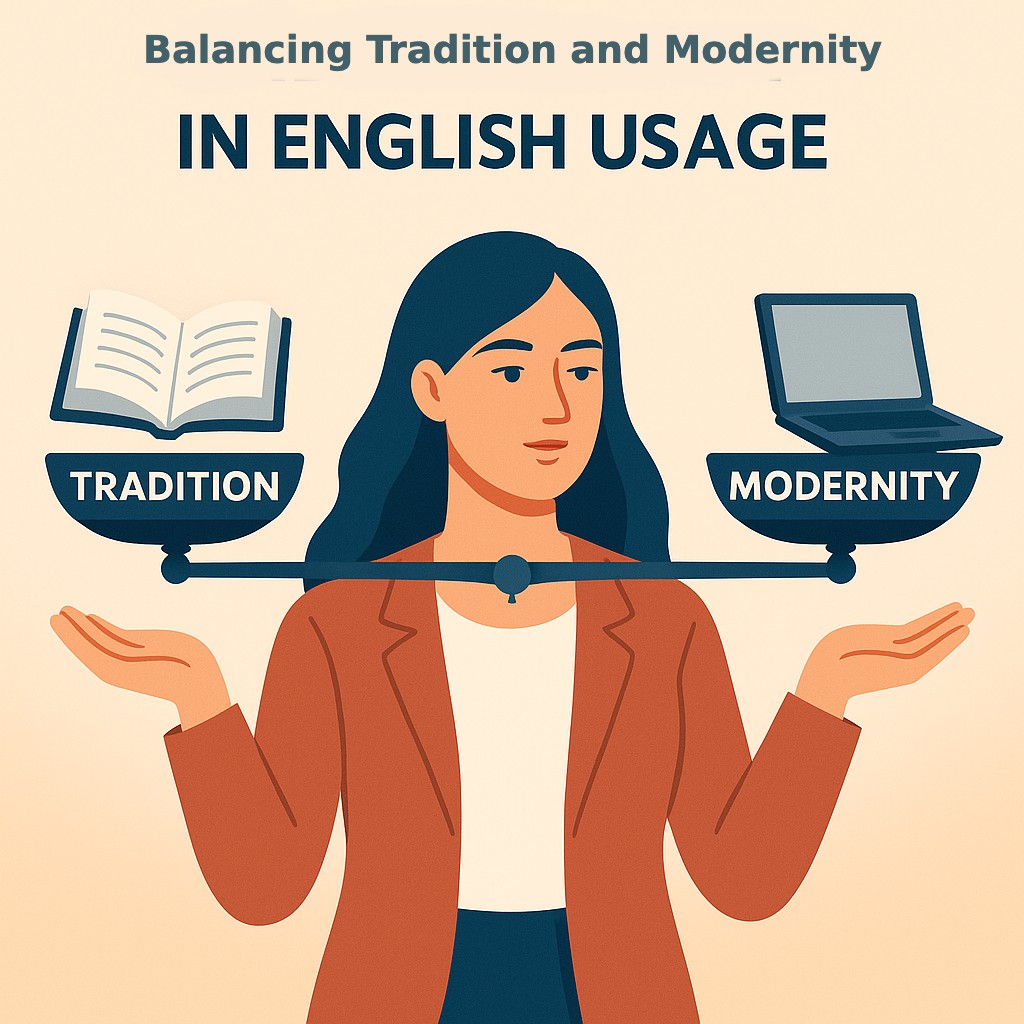
In the dynamic world of linguistics, the English language stands as a beacon of both tradition and modernity. As one of the most spoken languages globally, English continuously evolves, incorporating new words, phrases, and usages while holding onto its rich historical foundations. This balance between sticking to traditional language norms and embracing modern trends matters significantly in today’s interconnected global society. Understanding and navigating this balance allows individuals to communicate more effectively across different cultures and generations.
Tradition in language refers to the longstanding rules and practices that have shaped English for centuries. It includes grammar rules, style conventions, and vocabulary that have been passed down through generations. Meanwhile, modernity in language reflects the ongoing changes brought about by technological advancements, cultural shifts, and the blending of languages. The interplay between these elements manifests in how we write, speak, and understand English today. For students, professionals, and casual language users alike, finding a balance is essential for clear and effective communication.
The Influence of Technology on Language Evolution
Technology has been a primary driver of modernity in English usage. The rise of the internet, social media, and digital communication platforms has radically transformed how we interact with language. Traditional letters have given way to emails and instant messages, where brevity and speed are prioritized. Phrases like “BRB” (Be Right Back) or “LOL” (Laugh Out Loud) are prime examples of modern linguistic innovations stemming from these technologies.
An interesting case is the world of text messaging, which promotes a unique style of written English. While it saves time and space, text language often challenges traditional grammar and spelling rules, posing a challenge for educators and language purists who strive to uphold language integrity. Platforms like Twitter, with its character limit, have also encouraged users to be concise, further pushing boundaries of standard language usage.
The Impact of Globalization on English Usage
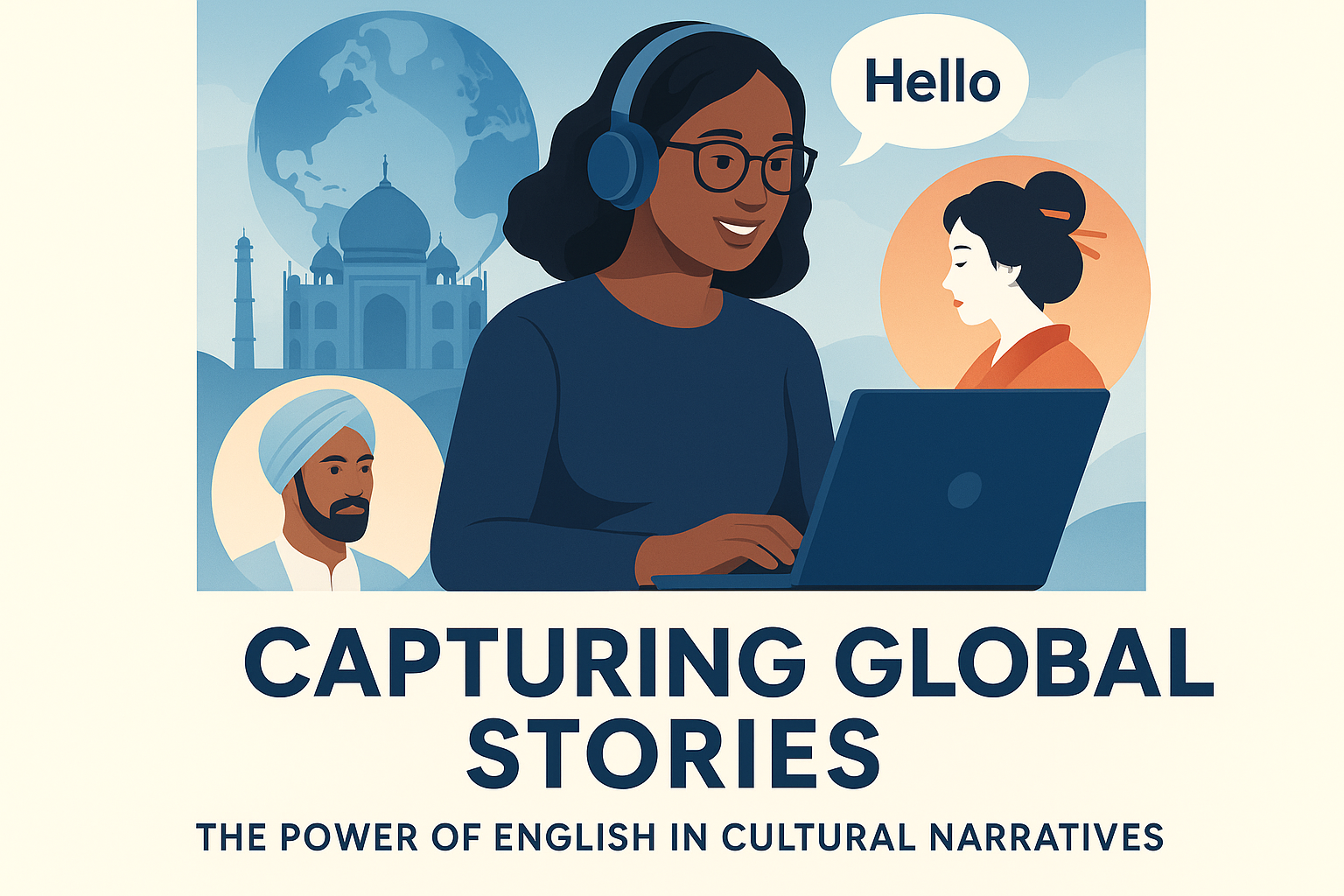
Globalization has expanded the influence of the English language even further, leading to interesting shifts in language usage. As English becomes a lingua franca in international business, education, and travel, it adapts elements from other languages. This phenomenon is visible in the incorporation of words like “sushi,” “taco,” and “cappuccino” into everyday vocabulary.
Real-world examples include English variations like Hinglish (Hindi-English), Spanglish (Spanish-English), and Singlish (Singaporean-English). In these contexts, English morphs to accommodate cultural nuances and local dialects, leading to unique blends that are widely understood in specific regions. This adaptability aids in effective communication across different cultural landscapes but can also lead to disputes over language purity and correctness.
The Role of Education in Maintaining Language Traditions
Despite the modern twists, educational institutions play a decisive role in preserving traditional English usage. Schools, colleges, and language courses worldwide emphasize grammar, vocabulary, and writing skills aligned with historical standards. These institutions serve as bastions of traditional language norms, ensuring that even as language evolves, its roots remain intact.
An illustrative approach is the inclusion of classical literature in academic syllabi. Studying works from Shakespeare or Dickens provides students with deep insights into the traditional forms of the language. Through this, they grasp the importance of grammar rules and the beauty of formal writing, which enriches their overall linguistic competence and appreciation.
Cultural Influences and Their Impact on Language
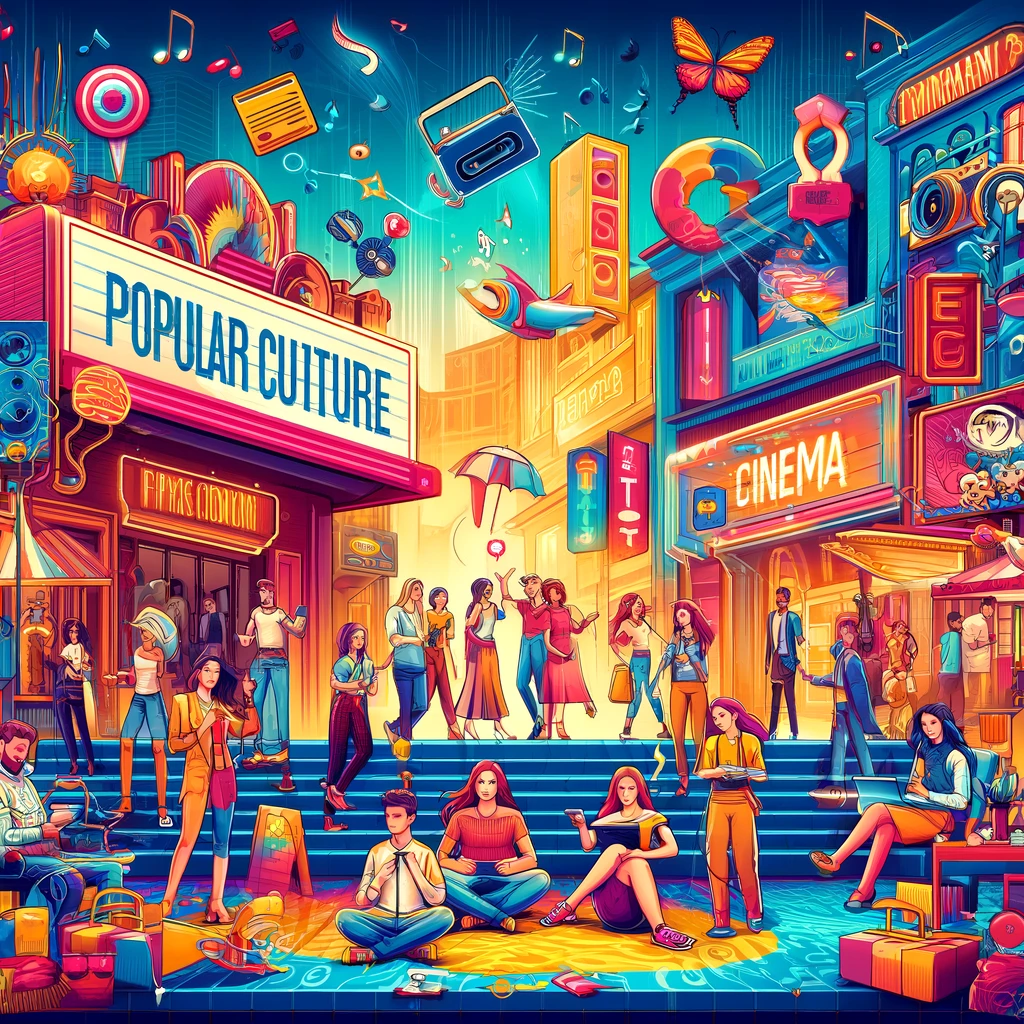
Cultural trends significantly shape how language evolves. Popular media, such as films, music, and literature, introduce new expressions that often find their way into everyday speech. For instance, the film industry in Hollywood has popularized numerous phrases and idioms worldwide, influencing both modern speech and written language.
An example is the phrase “May the Force be with you,” from the Star Wars franchise, which transcended its original context to become a universal term of encouragement. Such cultural imprints drive the language beyond its traditional boundaries, showcasing English as a living and adaptive tool for expression.
Social Media’s Role in Shaping Language Norms
Social media platforms such as Facebook, Twitter, Instagram, and TikTok are hotbeds of modern language innovation. The need for catchy, engaging content gives rise to slang, trending phrases, and hashtags that often make their way into everyday communication.
Take for instance the hashtag “#ThrowbackThursday,” which encourages users to post nostalgic content. This phenomenon exemplifies the blend of language and cultural trends, where traditional concepts are packaged in modern, digital-friendly formats. Yet, this adaptation sometimes leads to generational divides in how language is perceived and used.
| Platform | Main Language Influence | Content Example |
|---|---|---|
| Conciseness | #Brexit, #StayHome | |
| Visual + Hashtags | #OOTD (Outfit of the Day) | |
| TikTok | Short-form Video Narratives | #DanceChallenge |
Preservation of Dialects and Regional Variants
While standard English is often emphasized, regional dialects and variants bring a unique richness to the language. They encapsulate local histories, cultures, and identities, offering a distinct voice to communities worldwide. However, the push towards standardized English can sometimes overshadow these dialects.
In the UK, for example, dialects like Scouse, Geordie, and Cockney add depth to British English. They may differ substantially from the standard form yet hold profound significance for local speakers. Efforts to preserve these dialects highlight the importance of maintaining linguistic diversity amidst modern-day homogenization pressures.
Balancing Act: Advantages and Challenges
Navigating the complexities of balancing tradition and modernity within English usage offers several advantages. It allows for maintaining language purity while embracing necessary innovations. This balance can lead to enriched communication, better cross-cultural understanding, and the preservation of cultural heritage in linguistic forms.
However, the challenges are equally notable. Rapid changes can lead to confusion, inconsistencies, and misinterpretations, especially for non-native speakers and learners. Educators and language authorities often find it difficult to decide which elements of modern usage to incorporate into official language instruction, creating a dynamic yet complex landscape.
The Way Forward: Embracing a Dynamic Language
The key takeaway from exploring the balance between tradition and modernity in English usage is the language’s remarkable ability to grow while preserving its essence. English thrives on adaptability, serving as a bridge between historical richness and modern vibrancy. For speakers, writers, and learners, embracing this duality allows for more versatile communication, suitable for various settings and audiences.
As we move forward, the best approach is to celebrate this dynamic nature of English. Language learners and speakers should aim to appreciate both traditional and modern elements, understanding when and how to use them effectively. Whether through academic study, personal enrichment, or professional communication, embracing both old and new facets of English can lead to richer, more meaningful interactions.
Readers and language enthusiasts are encouraged to stay curious and open-minded, exploring the countless ways English can adapt and connect people worldwide. By doing so, they participate in the ongoing evolution of the language, contributing to its future while honoring its storied past.
Frequently Asked Questions
1. What does balancing tradition and modernity in English usage mean?
Balancing tradition and modernity in English usage refers to the act of maintaining the historical integrity and grammatical conventions of the English language while simultaneously adapting to contemporary linguistic trends. This balance is crucial as it allows for efficient communication across diverse populations and situations. The traditional aspect is represented by long-established grammar rules, vocabulary, and syntax that provide a structured foundation to the language. In contrast, modernity in English is characterized by the continuous adoption of slang, novel expressions, internet jargon, and cultural influences that emerge as society evolves. Successfully navigating this balance ensures one can appreciate the depth and richness of English’s history while remaining relevant and comprehensible in today’s ever-changing linguistic landscape.
2. Why is it important to retain traditional elements in English?
Retaining traditional elements in English is fundamentally important because it preserves the language’s historical depth and cultural heritage. Understanding traditional grammar rules and vocabulary serves not only as a bridge connecting present-day users to the vast corpus of English literature and historical texts but also as a means of ensuring clarity and mutual understanding. Traditional elements allow for the expression of complex ideas with precision and nuance. Additionally, retaining these elements fosters a shared linguistic identity that transcends cultural and generational divides. In an academic or professional setting, adherence to traditional English can reflect a speaker’s or writer’s credibility and attention to detail. Ultimately, preserving traditional English reinforces stability and continuity within the language as it continues to adapt and evolve.
3. How does modern English usage influence communication today?
Modern English usage significantly influences communication today by introducing flexibility, creativity, and inclusivity, crucially impacting how people connect and interact. The ever-growing lexicon of new words, phrases, and expressions, often stemming from technological advancements and globalization, enriches the dialogue by allowing individuals to articulate contemporary concepts, attitudes, and experiences previously difficult to convey. This dynamism facilitates more engaging and relatable content in media, advertising, and personal communication. Furthermore, modern English embraces a level of informality and accessibility that can break barriers across different demographics and cultures, fostering more inclusive and diverse conversations. Social media platforms, instant messaging, and digital communication have accelerated these changes, making real-time language evolution a pivotal part of how English speakers worldwide understand and relate to each other.
4. Can the integration of modern trends in English create misunderstandings?
Yes, the integration of modern trends in English can indeed create misunderstandings, particularly when there is a gap in familiarity with current terminology or when generational differences come into play. As language evolves, new meanings and connotations may emerge for existing words or entirely new slang and jargon might be introduced. Users well-versed in these developments may inadvertently alienate those who are not, leading to potential confusion or misinterpretation. What’s more, the speed at which language evolves, especially fueled by the internet and social media, means that not everyone keeps pace with the latest trends. This situation may result in inconsistent language use across different socio-cultural segments. To mitigate these misunderstandings, it is essential to foster an open dialogue about evolving language trends and to exercise clarity and patience when encountering unfamiliar terms or uses in communication, ensuring that language remains a unifying force rather than a divisive one.
5. How can one effectively navigate the balance between traditional and modern English usage?
Navigating the balance between traditional and modern English usage effectively requires a mix of awareness, adaptability, and continuous learning. First, understanding the fundamental rules and structures of traditional English provides a solid base from which to explore modern language trends. Engaging with a variety of media — from classic literature to contemporary online content — can enhance this understanding and keep individuals informed about both traditional and modern usage. Secondly, maintaining an open and curious attitude towards language change, without dismissing novel expressions or slang, is essential. This can involve actively listening, asking questions, and seeking clarification when encountering unfamiliar terms. Additionally, young learners and seasoned speakers alike should be encouraged to cultivate a habit of self-reflection about their linguistic choices and their potential impact on communication. Engaging in language education or joining discussion platforms dedicated to language trends can also provide valuable insights. Ultimately, a balanced approach, where consideration is given to context, audience, and purpose, will aid in enhancing communication, ensuring it is both coherent and current.