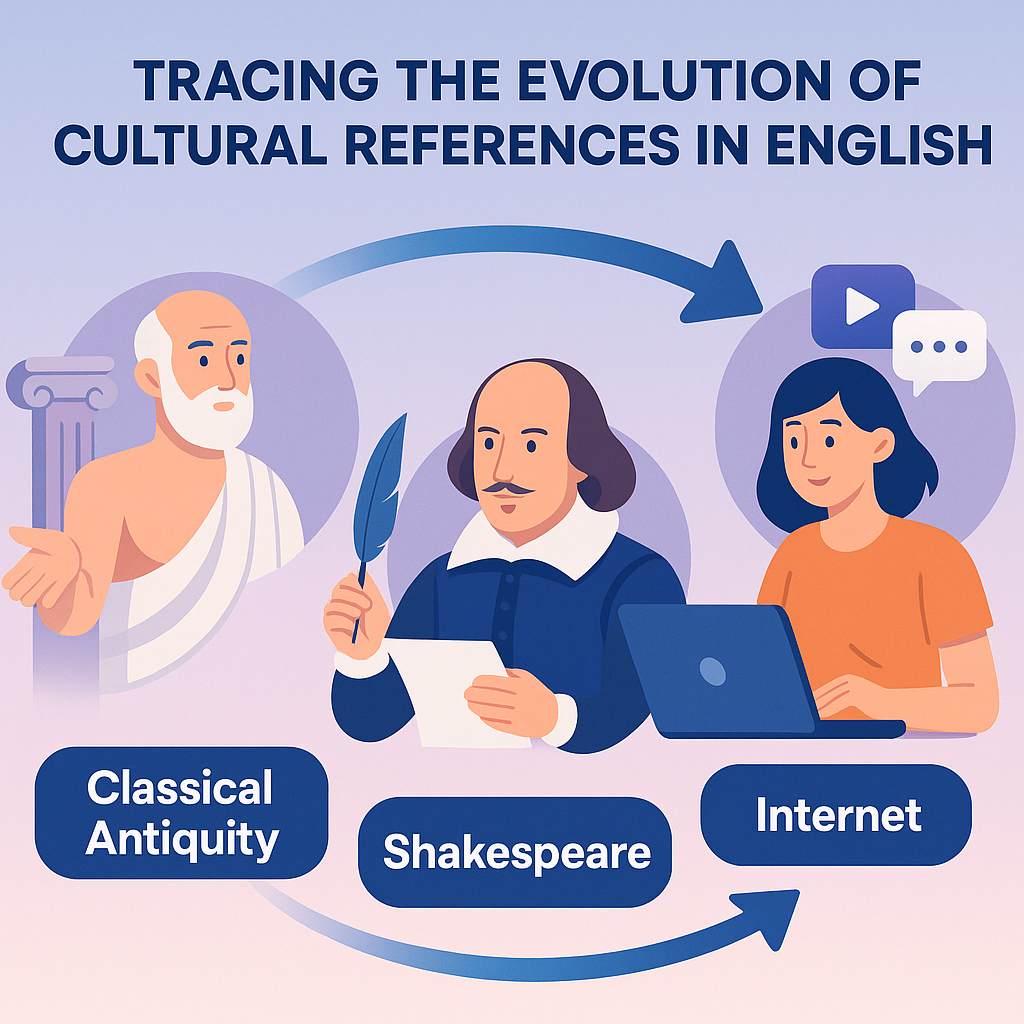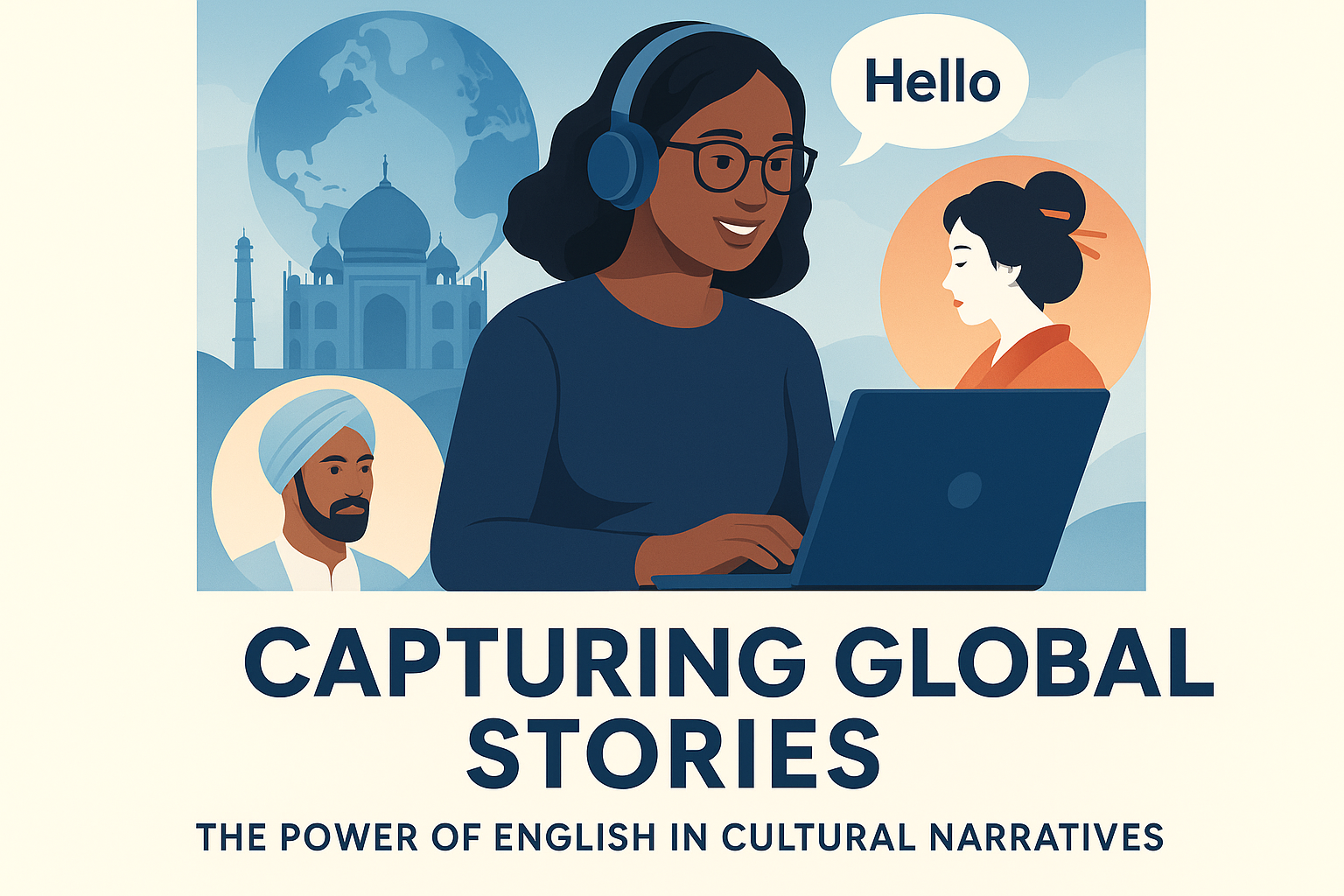
In today’s interconnected world, the ability to share and understand cultural narratives from various parts of the globe has never been more crucial. At the heart of this dynamic exchange of stories lies the English language. As a global lingua franca, English serves as a key vehicle for capturing and conveying cultural narratives across different cultures and societies. In this article, we will explore the influential role that English plays in disseminating cultural stories, understand the implications of this exchange, and examine the reasons why this matters in our contemporary setting. By understanding the power of English in cultural narratives, we not only become more culturally aware but also enrich our perspectives and promote a more inclusive and harmonious global society.
The Global Reach of English: A Historical Perspective
The prominence of English as a global language is a result of historical developments and the expansive influence of the British Empire, followed by the cultural and economic power of the United States. As the British colonies spread across the world, English became a primary means of communication in matters of administration, trade, and education. The subsequent rise of the United States as a global leader in politics, culture, and technology further solidified the position of English as an essential global language.
For instance, consider India, a diverse nation with a multitude of languages. English, introduced during colonial times, has persisted as a vital medium for communication in education and government, and even serves as a link language among its diverse linguistic communities. This historical entrenchment illustrates the foundational presence of English in global contexts, setting the stage for its pivotal role in cultural storytelling.
English as a Medium for Diverse Cultural Narratives
English’s role in cultural narratives is multifaceted, serving as both a conduit for sharing stories globally and as a blend of diverse linguistic influences. This dual role enriches the narratives shared through its medium. The global presence of English provides an accessible platform for writers, filmmakers, and artists to share their stories beyond their native communities, reaching audiences worldwide.
Consider the Nigerian author Chinua Achebe, whose seminal work “Things Fall Apart” was published in English. By writing in English, Achebe opened a window into African culture and post-colonial experience for a wider audience, providing insights that may have been inaccessible had they remained confined within a local dialect. Consequently, English acts as a bridge between diverse cultures, allowing stories and voices that resonate on a global stage.
The Role of English in Digital Storytelling
The digital age has further amplified the reach of English in cultural narratives. Social media, blogs, podcasts, and other online platforms thrive on the exchange of stories worldwide, with English often serving as the foundational language. This digital storytelling enables instant sharing and interaction across borders, fostering a new level of engagement with global stories.
Blogs and podcasts discussing cultural traditions, art forms, and historical narratives attract vast international audiences, who consume and enrich the stories through comments and discussions. Platforms like YouTube and Spotify are replete with content creators sharing their cultural narratives in English, allowing for cultural exchange at an unprecedented level.
Integration Through English: Achievements and Challenges
The pervasive use of English in cultural storytelling brings with it both achievements and challenges. On one hand, English enables diverse groups to share their narratives more widely and gain international recognition and solidarity. On the other hand, the dominance of English can sometimes overshadow local languages and diminish linguistic diversity.
A real-world example of this balance can be found in the world of international film. While Hollywood films enjoy global popularity, English subtitled or dubbed versions of foreign films have gained prominence due to platforms like Netflix. This trend allows different cultures to access global audiences while still retaining their unique linguistic identity. Nevertheless, challenges remain, as not all stories gain equal representation on these platforms, highlighting the need for inclusivity in cultural narratives.
| Platform | Role of English | Cultural Impact |
|---|---|---|
| YouTube | Content creation and vlogs in English | Worldwide reach and engagement |
| Netflix | Subtitled/dubbed international films | Greater access to diverse narratives |
| Spotify | Podcasts in English | Cross-cultural dialogue |
The Future of English in Global Storytelling
As we look to the future, the role of English in global storytelling continues to evolve. Technological advancements and globalization are expected to deepen the interconnectivity of cultural narratives. Innovations such as real-time translation technology and linguistic AI are set to transform how we engage with stories in the future, potentially democratizing access to diverse narratives.
Additionally, English’s role in education and cultural diplomacy is likely to expand, fostering connections between countries and communities. Educational programs that emphasize English as a second language can enhance cross-border comprehension and appreciation of different cultures, ultimately nurturing global citizenship that values diversity while celebrating shared narratives.
Conclusion: A Call to Action for Embracing Diverse Narratives
The power of English in capturing global stories and cultural narratives is both transformative and essential in our rapidly evolving world. By tapping into the capabilities of English as a global lingua franca, individuals and communities have the potential to engage more deeply with the rich tapestry of human culture, enhancing mutual understanding and cooperation.
The key takeaway for readers is the importance of recognizing English as a powerful tool for expanding access to diverse cultural narratives while being mindful of the need to preserve and celebrate linguistic diversity. By doing so, we create a world that embraces varied perspectives and fosters more inclusive storytelling.
As you navigate your role in this global tapestry, consider leveraging English to dive into stories outside your immediate cultural experience. Engage with content created in English that transcends cultural boundaries, support initiatives that promote multilingualism, and champion narratives that celebrate diversity. In doing so, you contribute to a more culturally aware and integrated global society.
Frequently Asked Questions
1. Why is English considered a key vehicle for cultural narratives?
English has established itself as a global lingua franca, which means it’s a common language that enables people from diverse linguistic backgrounds to communicate effectively. This status is largely due to historical factors such as colonialism, trade, and globalization. Today, English is the most widely learned second language in the world, and it dominates numerous sectors including business, science, technology, and media.
In the realm of cultural narratives, English acts as a bridge that connects different cultures. Its widespread use facilitates the exchange and dissemination of stories from various corners of the globe, allowing them to be accessible to a broader audience. This interconnectedness enriches our understanding of the diverse human experience, promotes cultural empathy, and fosters dialogue and collaboration across borders. Whether it’s literature, film, music, or digital media, English plays an instrumental role in capturing and sharing cultural stories.
2. How does the use of English impact the authenticity of cultural narratives?
The use of English in conveying cultural narratives can be a double-edged sword. On one hand, it provides a platform for stories that might otherwise remain unheard, helping to celebrate and preserve cultural heritage. However, the process of translation and adaptation into English can sometimes lead to a loss of nuance and authenticity.
Languages carry unique cultural connotations and expressions that are often deeply rooted in local traditions and contexts. Translating a narrative into English might strip away some of these elements, leading to simplification or misunderstanding of the original message. Therefore, it is crucial for narrators to work closely with linguists and cultural experts to maintain the integrity of the story. Encouraging bilingual or multilingual presentations can also help retain the original language’s richness while still reaching an English-speaking audience.
3. In what ways do digital platforms use English to share cultural stories?
Digital platforms have revolutionized the way cultural stories are shared and consumed, and English often plays a central role in this process. Social media platforms like Facebook, Twitter, and Instagram, and content-sharing sites such as YouTube and TikTok, predominantly operate in English or offer English as a default language option. These platforms provide storytellers with the tools and reach to share their narratives globally.
Blogs, podcasts, and vlogs have become popular mediums for individuals to narrate their personal and cultural experiences. English serves as a lingua franca for these forms, allowing creators to tap into and engage with a global audience. Additionally, digital platforms often incorporate English into user interfaces and algorithms that recommend content, further promoting English-language narratives. This widespread usage of English in digital spaces helps amplify diverse voices and encourages cross-cultural understanding.
4. What challenges do non-English speaking cultures face in using English for their narratives?
Non-English speaking cultures often face several challenges when using English to share their narratives. One major challenge is the potential for cultural dilution, where the complexities and subtleties of the culture may be lost or oversimplified during translation into English. This can result in misinterpretation or the perpetuation of stereotypes, which might not accurately reflect the culture’s essence.
Another challenge is accessibility. People in non-English speaking regions may not have the same level of proficiency in English as native speakers, which can limit their ability to express their cultural narratives fully. Moreover, there might be a lack of resources or support for translation services, making it difficult for non-English speakers to navigate and participate in global cultural conversations.
To overcome these challenges, initiatives that promote bilingual education, cultural exchanges, and the availability of translation tools are essential. It’s also important for English-speaking audiences to approach these narratives with an open mind and a willingness to engage with cultural contexts that might initially seem unfamiliar.
5. How can English-speaking audiences gain a deeper understanding of global cultural narratives?
For English-speaking audiences, gaining a deeper understanding of global cultural narratives involves adopting a mindset of openness, curiosity, and cultural sensitivity. One effective way is to actively seek out and engage with diverse sources of information, such as books, films, music, and art from various cultures that provide authentic perspectives.
Participating in cultural events, attending lectures or workshops, and connecting with individuals from different cultural backgrounds can also enrich one’s understanding. It’s important to approach these experiences with a sense of respect and a willingness to learn, recognizing the value of diverse narratives and the insights they offer into the human experience.
Engaging with media that challenges stereotypes or offers nuanced portrayals of cultures can broaden perspectives. Being mindful of the biases that may exist in mainstream media and seeking out content produced by creators from within those cultures further aids in appreciating the full spectrum of global narratives.