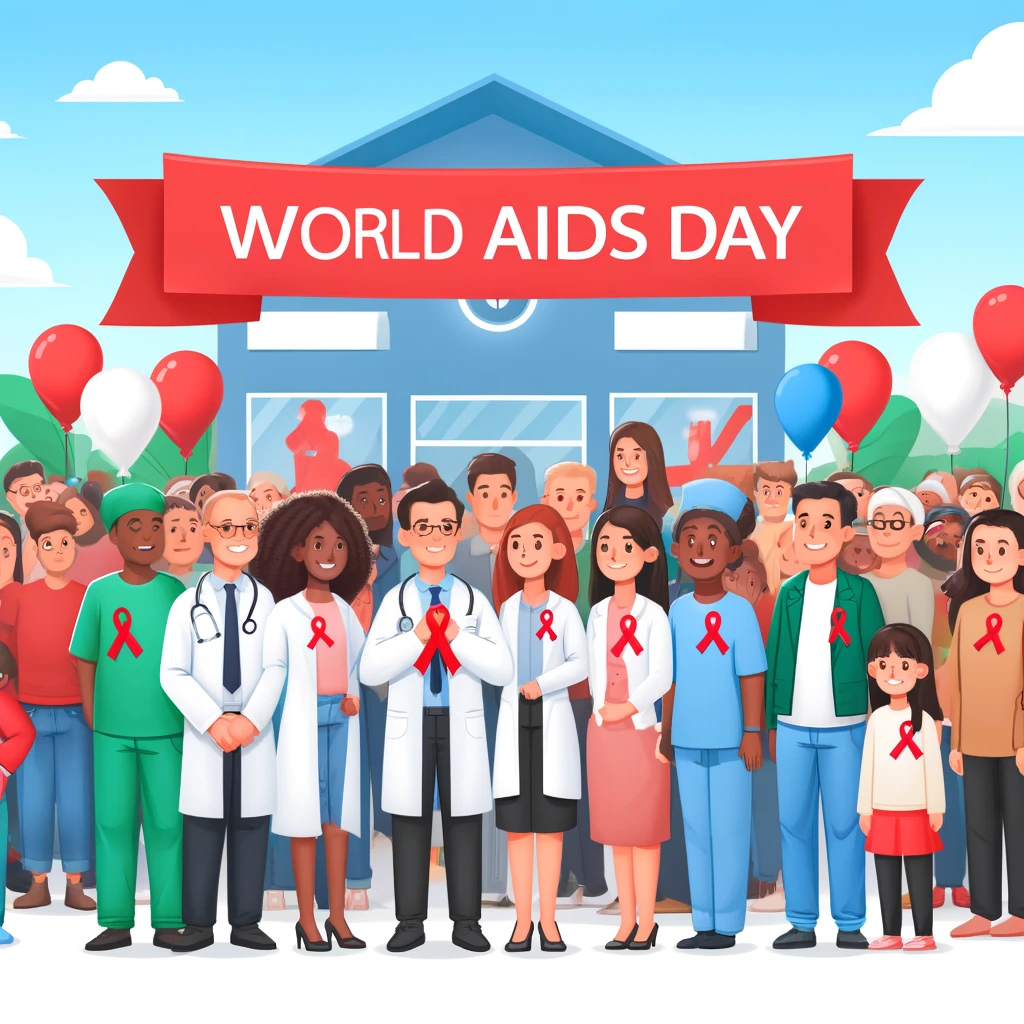
Every year on December 1st, the global community comes together to observe World AIDS Day. This significant day offers an opportunity to unite in the fight against HIV/AIDS, show support for people living with HIV, and commemorate those who have died from AIDS-related illnesses. With the ongoing battle against this epidemic, effective communication in healthcare has never been more crucial. For English as a Second Language (ESL) learners, mastering the language, particularly medical terminology, can play a pivotal role in enhancing healthcare outcomes and bridging the gap between patients and healthcare professionals.
In medical scenarios, communication forms the backbone of patient care. For non-native speakers, understanding and conveying medical information accurately can be a challenge. Therefore, World AIDS Day serves as a pertinent reminder of the necessity for clear and compassionate communication in healthcare settings. This article delves into the importance of effective communication in the context of HIV/AIDS, providing ESL learners with strategies to improve their English skills, particularly for healthcare-related conversations.
Understanding Healthcare Terminology
The healthcare field is saturated with specialized terminology that even native speakers may find complex. For ESL learners, becoming familiar with these terms is essential for effective communication. Terms like “antiretroviral therapy (ART),” “viral load,” “T-cells,” and “opportunistic infections” are frequently used in discussions about HIV/AIDS. By comprehending and using these terms accurately, ESL learners can ensure they are understood by healthcare professionals and can advocate effectively for themselves or others.
There are various resources available to help master this specialized vocabulary. Medical dictionaries, online courses, and dedicated ESL healthcare communication classes can provide valuable support. Flashcards and mobile apps specifically designed for medical terminology are also excellent tools for building vocabulary. Regular practice, such as participating in role-playing exercises or engaging in conversations with native speakers, can further enhance understanding and usage of medical terms.
Moreover, it’s beneficial to read articles, books, and research papers related to HIV/AIDS. This exposure not only familiarizes learners with the terminology but also provides a deeper understanding of the disease, its treatment protocols, and the challenges faced by individuals living with HIV/AIDS.
Cultural Sensitivity in Healthcare Communication
Effective healthcare communication is not solely about language proficiency; it also involves cultural sensitivity. In the context of HIV/AIDS, understanding cultural perspectives and stigmas surrounding the disease can greatly improve interactions between patients and healthcare providers. ESL learners, particularly those aspiring to work in healthcare, should strive to become culturally competent.
Cultural sensitivity includes being aware of and respecting different beliefs, practices, and attitudes towards HIV/AIDS. For instance, in some cultures, discussing sexual health is taboo, which might prevent individuals from seeking necessary medical care. By understanding these nuances, ESL learners can approach conversations with empathy and respect, ultimately fostering a more supportive and trusting healthcare environment.
Role-playing diverse scenarios can be beneficial. Consider practicing conversations that incorporate a variety of cultural viewpoints. This will equip ESL learners with the skills to navigate sensitive topics effectively and compassionately, ensuring that all patients feel heard and respected.
The Role of Non-Verbal Communication
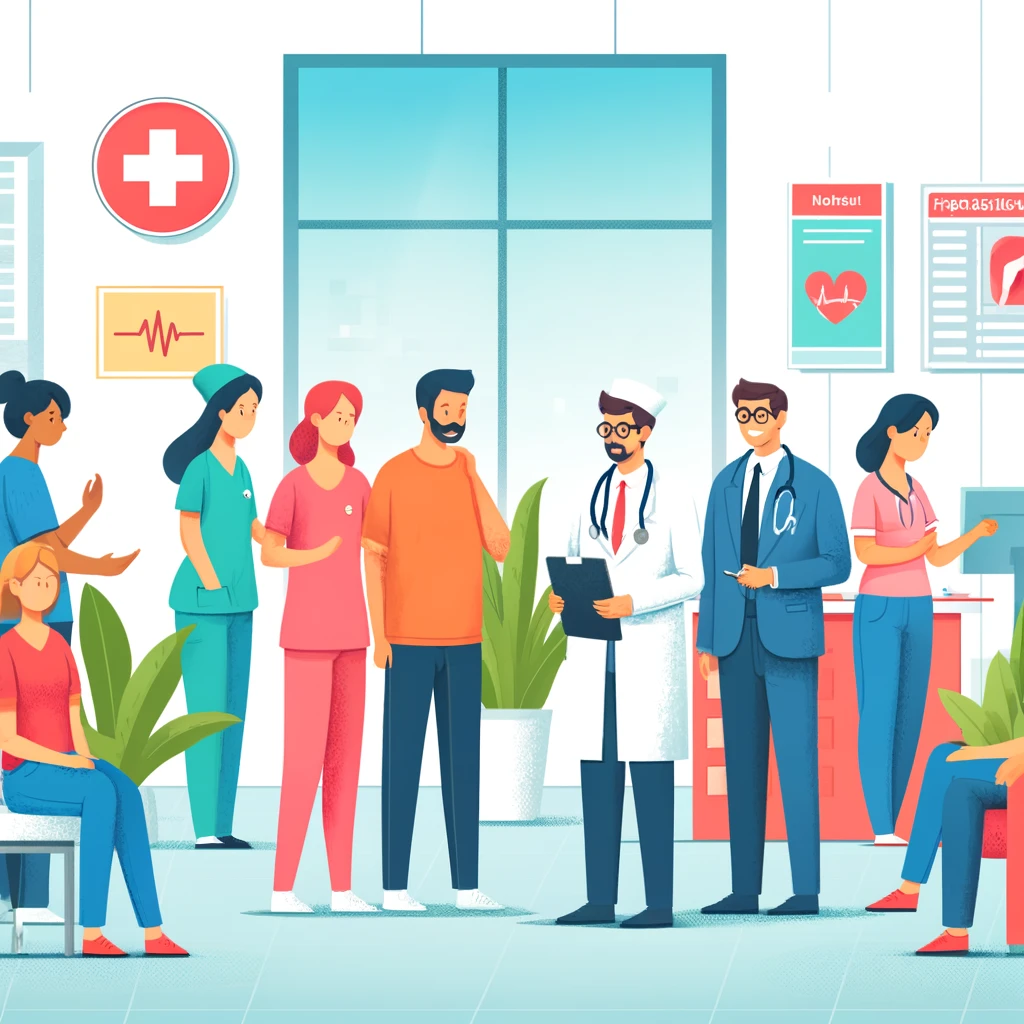
Non-verbal communication plays a significant role in healthcare interactions, especially for those who are still mastering English. Gestures, facial expressions, and body language can convey empathy, understanding, and support, which are crucial in a healthcare setting. Learning to interpret and use non-verbal cues effectively can enhance communication, particularly when dealing with complex or sensitive topics like HIV/AIDS.
For ESL learners, being mindful of their own non-verbal communication is as important as understanding others’. Simple gestures such as nodding in agreement, maintaining eye contact, and using open body postures can make a significant difference in building rapport with patients or healthcare providers.
Additionally, it’s important to be aware of cultural differences in non-verbal communication. Gestures that are positive in one culture may be interpreted differently in another. Therefore, understanding these cultural variations can prevent misunderstandings and ensure more effective communication.
Incorporating role-play that emphasizes non-verbal communication can be a practical exercise. Practicing scenarios where minimal verbal communication is required can help ESL learners become more attuned to their own and others’ non-verbal signals, making them more effective communicators overall.
Strategies for Improving Listening Skills
Listening is a critical component of healthcare communication, as it ensures that patients’ concerns are heard and addressed appropriately. For ESL learners, improving listening skills can help them better understand medical advice, follow treatment plans, and engage in meaningful conversations about health.
One effective strategy is practicing active listening, which involves fully concentrating, understanding, responding, and then remembering what is being said. Techniques such as paraphrasing the speaker’s message, asking clarifying questions, and maintaining eye contact are all part of active listening.
Listening to medical lectures, podcasts, and interviews related to HIV/AIDS can also be beneficial. These resources provide an opportunity to hear native speakers discuss medical topics, allowing learners to become more familiar with the language used in healthcare settings. Taking notes and summarizing these auditory resources can further reinforce learning.
Engaging in interactive activities such as healthcare simulations or group discussions can also help. These settings provide a safe space for ESL learners to practice their listening skills, receive immediate feedback, and build confidence in their ability to understand and respond in real-world healthcare scenarios.
Overcoming Communication Barriers
Despite best efforts, communication barriers may still arise, particularly in a highly specialized and emotionally charged field like healthcare. For ESL learners, recognizing these barriers and finding ways to overcome them is crucial for ensuring effective communication.
Common barriers include language proficiency, cultural differences, and emotional stress. To address language barriers, having a reliable translation tool or bilingual dictionary can be invaluable. Healthcare institutions often provide interpretation services, and knowing how to access these can greatly assist ESL speakers.
Cultural training programs can help bridge cultural gaps. These programs often offer insights into different cultural attitudes towards health and illness, communication styles, and decision-making processes, providing ESL learners with the tools to navigate these differences effectively.
Emotional stress, whether from dealing with a serious health issue or from the pressures of communicating in a second language, can also impair communication. Finding ways to manage this stress through mindfulness techniques or seeking support from peers and mentors can help maintain clarity and confidence in communication.
Conclusion
World AIDS Day serves as a poignant reminder of the ongoing struggle against HIV/AIDS and highlights the importance of effective communication in healthcare. For ESL learners, acquiring proficiency in medical terminology, fostering cultural sensitivity, employing non-verbal communication skills, and actively improving listening abilities are vital steps towards achieving this goal.
As we commemorate this day, it is crucial to recognize the role that language plays in healthcare. By enhancing their English communication skills, ESL learners can significantly contribute to better healthcare outcomes, foster deeper understanding, and provide invaluable support to individuals affected by HIV/AIDS.
The journey to mastering English in healthcare communication is challenging but profoundly rewarding. Through continuous learning and practice, ESL learners can become vital contributors to the global fight against HIV/AIDS, ensuring that language barriers do not hinder access to care and support.
If you are an ESL learner aiming to excel in healthcare communication, remember that every step you take brings you closer to making a meaningful difference in the lives of those impacted by HIV/AIDS. Use the resources available to you, seek out learning opportunities, and keep practicing. Your efforts are not just about mastering a language; they are about bridging gaps, building connections, and making the world a healthier, more compassionate place.