Welcome to a vibrant journey into the world of sustainable living, an essential aspect of contemporary life that’s gaining traction among people around the globe. Living sustainably involves making choices that minimize negative impacts on our environment and promote a healthier planet. As you delve into this fascinating topic, you’ll encounter a broad array of terminologies and concepts that can enrich your understanding and enhance your vocabulary.
Whether you’re a student of English seeking to expand your language skills or someone keen on mastering the nuances of sustainable living, this guide offers the essential vocabulary you need. Sustainable living isn’t just a trend; it’s a way of life that is crucial for the well-being of future generations. By equipping yourself with this vocabulary, you can engage in meaningful conversations, advocate for environmental issues, and implement sustainable practices in everyday life.
This article is structured into distinct sections, each focused on different aspects of sustainable living. We’ll cover basic terms, explore specific vocabulary related to energy efficiency, delve into sustainability in food production, discuss waste management and recycling, and even touch upon green technology and innovation. By the end of this guide, you’ll have the confidence to converse about sustainability with authority and insight.
Basic Vocabulary for Sustainability
Starting with the basics, it’s important to understand some fundamental terms that frequently appear in discussions about sustainability. One such term is sustainability itself, which refers to the ability to maintain or improve the quality of life both now and in the future without harming the planet. It encompasses the three pillars of society, economy, and environment.
Another key term is eco-friendly, which describes products, practices, or services that have a minimal impact on the earth’s ecosystems. We often hear the term carbon footprint, which is the total amount of greenhouse gases produced directly and indirectly by human activities, usually expressed in equivalent tons of carbon dioxide (CO2).
The term renewable resources refers to resources that can be replenished naturally over time, such as solar energy, wind power, and hydropower. In contrast, non-renewable resources, like fossil fuels, are finite and depleted faster than they are naturally replenished. Understanding these basic terms lays the groundwork for more advanced concepts you’ll encounter in sustainable living.
Energy Efficiency Vocabulary
The quest for energy efficiency is a cornerstone of sustainability efforts everywhere. To participate in this critical dialogue, familiarizing yourself with the right vocabulary is crucial. Energy-efficient appliances are devices designed to use less electricity or gas compared to their conventional counterparts while providing the same services. These appliances carry an Energy Star label, a trusted symbol for energy efficiency.
A well-insulated home is key to conserving energy, leading us to terms like insulation, which prevents heat loss or gain, saving energy and improving comfort. Similarly, LED lighting is a term that refers to light-emitting diodes, which are more energy-efficient and longer-lasting than traditional incandescent bulbs.
The smart grid represents the modernized electrical grid that enables more efficient transport and distribution of electricity. These grids facilitate an optimal dispatch, which allows energy suppliers to meet customer demands with enhanced reliability and efficiency. Familiarity with these terms empowers you to engage in conversations about modern-day energy solutions.
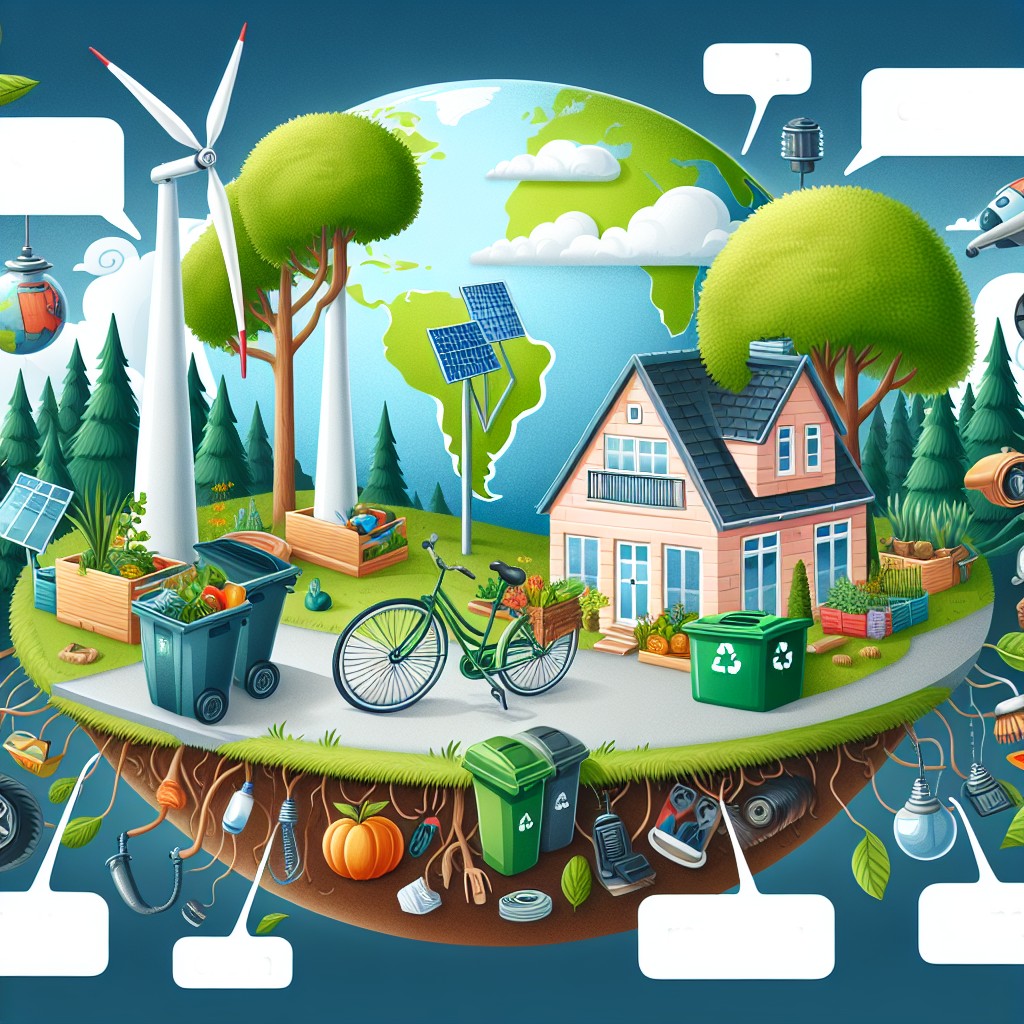
Sustainable Food Production Vocabulary
Food production is another critical area in the discussion of sustainability. Embrace the vocabulary of sustainable agriculture to understand and discuss this valuable topic effectively. A key term here is organic farming, which refers to a method of farming without the use of synthetic fertilizers, pesticides, or genetically modified organisms (GMOs).
Another related concept is permaculture, a sustainable agricultural system that uses ecological principles and patterns to produce more efficient crops and livestock systems. Fair trade is a system that helps farmers in developing countries achieve sustainable and equitable trade relationships.
The term community-supported agriculture (CSA) refers to a system where consumers subscribe to the seasonal produce of a local farm. Lastly, farm-to-table describes a movement concerned with producing food locally and delivering that food to local consumers to reduce the carbon footprint associated with food transport. Armed with this vocabulary, you can explore the sustainable practices reshaping food production.
Waste Management and Recycling Vocabulary
The importance of waste management and recycling cannot be overstated in the realm of sustainability. Grasping the language of waste management allows you to contribute effectively to these critical discourses. Recycling refers to converting waste materials into new, usable products, thereby preventing waste of potentially useful materials.
Terms like composting are vital, describing the process of recycling organic waste, such as food scraps and yard trimmings, into rich soil for gardening and farming. Biodegradable materials are those that can be broken down by natural processes into simpler substances by microorganisms and other organisms.
Understanding e-waste is also important, as it refers to discarded electronic devices and appliances that can be harmful to the environment if not properly disposed of. Upcycling is a creative form of recycling where waste materials are transformed into products of higher quality or environmental value. Learning these terms enables meaningful participation in discussions about reducing landfill waste and fostering sustainable consumption habits.
Green Technology and Innovation Vocabulary
The cutting-edge field of green technology and innovation is pivotal to advancing sustainability goals. This section introduces the key terminology central to this exciting domain. Green technology, often synonymous with clean technology, encompasses products and processes that reduce or eliminate environmental impacts.
A related concept, sustainable design, refers to the construction and creation of products and buildings with minimal environmental impact. Terms like carbon capture and storage (CCS) describe technologies that capture and store carbon dioxide emissions from power plants and industrial sources to prevent them from entering the atmosphere.
Sustainable transport is a focus area that includes light rail, bike-sharing programs, and electric vehicles (EVs). Familiarizing yourself with LEED (Leadership in Energy and Environmental Design) is essential; this system provides a framework for healthy, highly efficient, and cost-saving green buildings. This vocabulary helps you navigate and engage with the innovative solutions propelling the world toward a more sustainable future.
Conclusion and Application
After exploring the rich landscape of vocabulary related to sustainable living, it’s essential to consider how you can apply this knowledge to become a more effective advocate and participant in this movement. Whether you’re contributing to discussions, writing about sustainability, or implementing practices in your daily life, this expanded vocabulary serves as a powerful tool.
Integrate the language of sustainability into your conversations by discussing energy efficiency in your home, advocating for organic, local food, or supporting green technology initiatives. Use your new vocabulary to articulate these aspects of sustainable living with clarity and precision.
Ultimately, expanding your vocabulary on this topic enhances your ability to contribute to a more sustainable world. You’re not just gaining language skills but also embracing a mindset that prioritizes the health of our planet and future generations. Armed with these terms and concepts, you can emerge as a more conscious and informed global citizen, ready to play your part in the global effort towards sustainability.