

Learning English as a second language involves not only understanding syntax and grammar but also acquiring a broad vocabulary that helps you navigate everyday conversations. Among the crucial areas to understand are words and phrases specific to mental health and emotions. Discussing feelings and mental health issues requires sensitivity and understanding, and knowing the right vocabulary is essential for effective communication and empathy. This topic has become increasingly important, especially with the global recognition of mental health and emotional wellbeing as integral parts of overall health.
When you’re able to express your emotions or discuss mental health topics in English, it enhances your ability to connect with others on a deeper level. Whether you’re discussing your day with a friend, describing how you’re feeling to a doctor, or even simply talking about a movie that touched you emotionally, having the right vocabulary is key. This guide is designed to help you understand and use English vocabulary related to mental health and emotions effectively and confidently.
This article will introduce comprehensive vocabulary that includes terms for a range of emotions, words used in mental health discussions, and common expressions that can be used in related contexts. Understanding these terms will enrich your language proficiency and provide you with tools to discuss a topic that’s relevant to everyone at some point in their lives.
Understanding Emotions
Emotions form a fundamental part of our daily lives and learning how to effectively communicate them in English can help you express yourself more clearly and relate better with others. Basic emotions include happiness, sadness, anger, fear, surprise, and disgust. However, emotions are incredibly nuanced, and the English language offers a diverse vocabulary to express variations and combinations of these basic feelings.
For example, happiness does not always equate to the same feeling; it can be described with words such as “joy,” “elation,” “contentment,” or “satisfaction.” Sadness might be expressed as “melancholy,” “despondency,” or “sorrow.” Anger can range from mild “irritation” to “rage” or “fury.” By expanding your vocabulary in this area, you gain a greater ability to convey the exact shade of emotion you’re experiencing or observing.
When studying emotions, try to pair vocabulary learning with contextual exercises. Practice using the words in sentences, understand their antonyms, and recognize how they might weave into different conversations. This will not only help you remember the words better but also ensure you’re using them in appropriate contexts.
Mental Health Vocabulary
Conversations around mental health are becoming more common, and knowing the related vocabulary can help you participate in these important discussions. Mental health pertains to our emotional, psychological, and social well-being. It influences how we think, feel, act, make choices, and relate to others.
Common terms in mental health include “anxiety,” “depression,” “stress,” and “trauma.” Anxiety refers to a feeling of worry or unease, often related to an upcoming event or something with an uncertain outcome. Depression is more than just sadness; it’s a serious mental health condition that affects how a person feels, thinks, and handles daily activities. Stress is a natural reaction to the demands of life, though it’s often used to describe feeling overwhelmed. Trauma refers to an emotional response to a deeply distressing or disturbing event.
Additionally, terms like “therapy,” “counseling,” “psychiatrist,” and “psychologist” are commonly used when discussing mental health care. Understanding these terms can facilitate meaningful conversations when addressing mental health concerns personally or within a community.
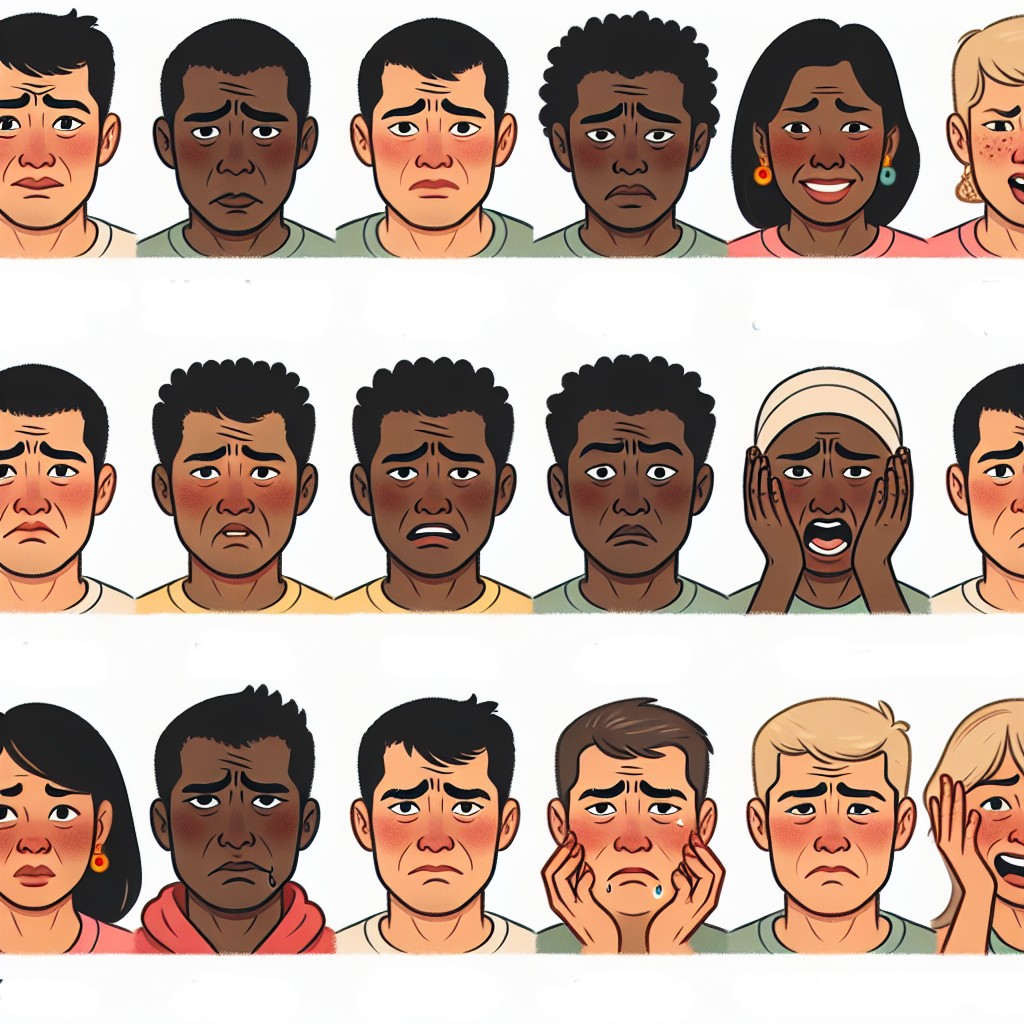
Expressing Emotions and Mental Health Experiences
Being able to articulate your emotions and mental health experiences in English is a vital skill. The language offers numerous expressions and idiomatic phrases to convey emotional states and mental health concerns. It’s important to practice these phrases to become comfortable integrating them into everyday conversation.
Examples include phrases like “feeling under the weather” to express general malaise, “walking on air” to convey extreme happiness, or “hit rock bottom” to describe reaching a low point in one’s life. Idioms and expressions provide color to language and can often express complex mental health states succinctly.
Practice using these phrases by writing them down in various sentence structures or incorporating them into conversations. As your comfort with these phrases grows, so will your ability to express intricate emotional and mental health experiences confidently. Simplicity and clarity should be your guiding principles when using this vocabulary.
Challenges and Cultural Sensitivities
While developing a mental health vocabulary is essential, it’s crucial to recognize the challenges and cultural sensitivities surrounding these topics. What might be acceptable in one culture could be considered inappropriate or offensive in another. This requires ESL learners to be aware of cultural differences and adjust their language use accordingly.
For instance, discussing mental health issues might carry a stigma in certain cultures, making it a sensitive subject. Therefore, it’s important to approach these topics with care and understanding, choosing words thoughtfully to avoid misunderstandings or offense. Additionally, non-verbal cues, such as body language, can differ significantly across cultures and add another layer of complexity to communication.
To navigate these challenges, it’s beneficial for ESL learners to study cultural norms and practices in English-speaking regions, seek feedback from native speakers, and remain open to learning and adapting their language use appropriately. By doing this, they increase their ability to engage in respectful and inclusive conversations about mental health.
Resources for Learning Mental Health Vocabulary
As you work on expanding your vocabulary related to mental health and emotions, there are numerous resources available to aid your learning. These can range from online courses, mobile applications, books, podcasts, and even support groups.
Online platforms like Duolingo or Memrise offer language exercises that can enhance your emotional vocabulary. Books and articles specific to mental health topics provide not only vocabulary but also context and examples of usage. Listening to English language podcasts or watching TV shows and films that tackle mental health subjects can also be valuable, as they provide real-life contexts and authentic usage of these terms.
Engaging with support groups or forums, which often open dialogues about mental health, can also be beneficial. These spaces provide real-world practice in discussing mental health, expressing personal experiences, and receiving feedback, all in a supportive environment. Make use of these resources to enhance both your understanding and application of this specialized vocabulary.
Conclusion
Mastering English vocabulary related to mental health and emotions is an empowering skill that can significantly impact your communication abilities and widen your conversational repertoire. As with any area of language learning, practice and exposure are keys to mastery. By actively engaging with different resources, you can enhance your understanding and application of this vocabulary.
Remember, effectively discussing mental health and emotions in English involves not just vocabulary but also cultural and empathetic understanding. Be mindful of the cultural sensitivities surrounding mental health topics and ensure that your language use reflects respect and sensitivity.
Whether you’re engaging in conversations with friends, participating in support groups, or using these terms in academic or professional environments, the ability to articulate mental health and emotional experiences enriches both personal interactions and professional dialogues. Keep practicing, remain open to learning, and you’ll find yourself becoming more fluent and comfortable in discussing these essential aspects of life.





