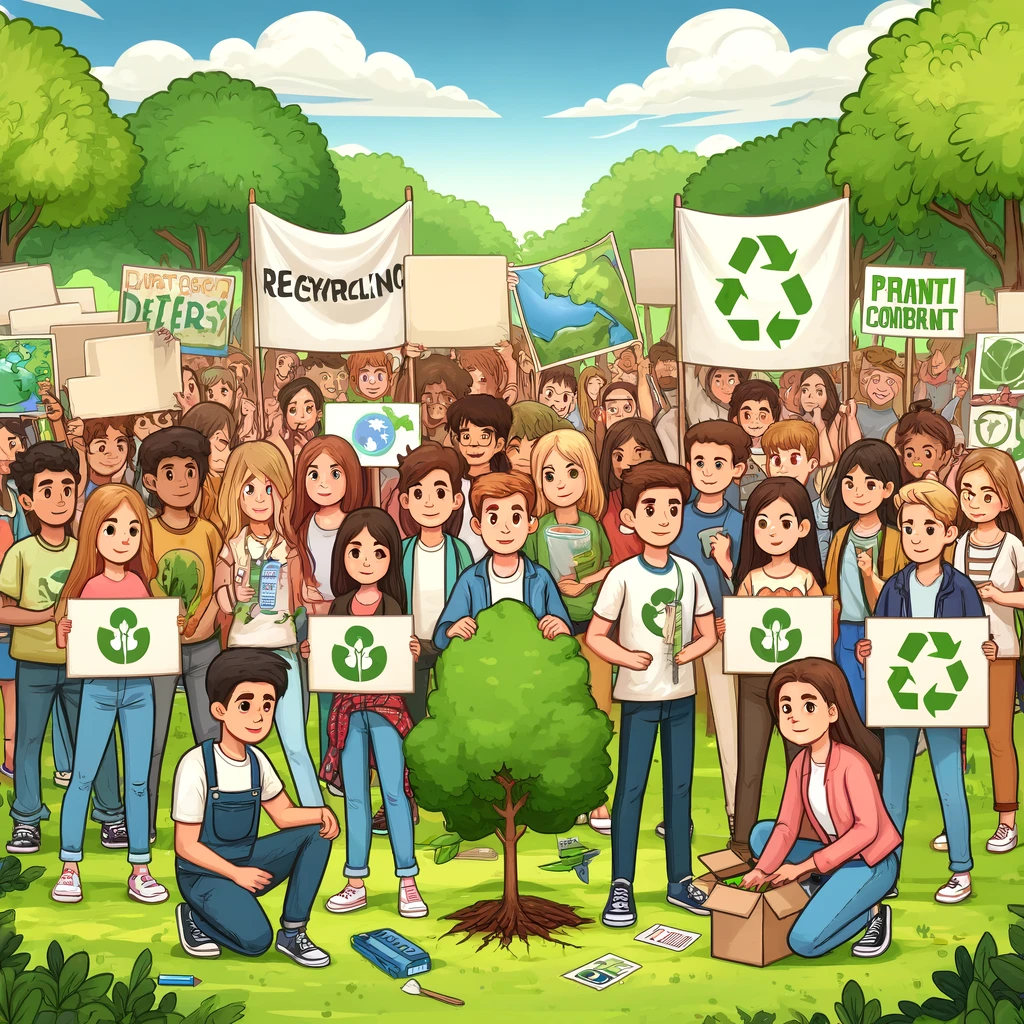
In today’s fast-paced world, effective communication skills have become more crucial than ever, forming the bedrock of personal and professional success. Yet, for many, mastering the art of communication—be it verbal, non-verbal, or written—remains a daunting task. Here, community service presents itself as an invaluable platform to refine these skills in a practical and impactful manner. Community service not only fosters personal growth and gives back to society but serves as an unparalleled opportunity to enhance one’s communication abilities. By immersing oneself in diverse environments, engaging with various demographics, and tackling unforeseen challenges, individuals can significantly improve their articulation, active listening, empathy, persuasion, and adaptability. This article delves into the myriad ways community service can bolster communication skills, underscoring its role as a transformative experience. As we explore the intersection of communication and community service, we will illuminate strategies to effectively harness these opportunities, ensuring that each interaction contributes to a holistic development of essential interpersonal capabilities.
Understanding the Basics of Communication
At its core, communication involves the exchange of information between individuals through common systems of symbols, signs, or behaviors. It encompasses several key elements: the sender, the message, the medium, the receiver, and feedback. Mastering these components is vital for effective communication. Understanding the dynamics of sending clear messages, selecting appropriate channels, and interpreting feedback is essential to minimize misunderstandings and enhance the clarity of interactions. Community service provides a fertile ground to practice and refine these basic elements. When volunteering, especially in diverse environments, individuals practice the art of adapting their messages to suit different audiences. Whether coordinating activities for a large event, tutoring students, or mediating conflicts, each scenario offers a unique opportunity to apply and hone these fundamental communication principles.
Effective communication requires both verbal and non-verbal skills. Verbal communication is about delivering messages using spoken words, emphasizing clarity, tone, and articulation. Non-verbal cues, such as facial expressions, gestures, posture, and eye contact, can significantly alter a message’s impact and are crucial in conveying emotions and supporting verbal communication. Community service, with its varied scenarios and interpersonal interactions, offers ample occasions to practice these skills. Volunteers often engage with people from different cultural and linguistic backgrounds, necessitating an adjustment in both verbal and non-verbal techniques to bridge potential gaps in understanding.
The Role of Empathy in Communication
Empathy is a vital component of effective communication. It allows individuals to relate to others’ feelings and perspectives, promoting a genuine understanding that goes beyond words. In community service, volunteers are frequently placed in environments where they must connect with individuals facing diverse challenges. This requires active listening and a compassionate response, fostering deep interpersonal connections. By cultivating empathy, volunteers can enhance their ability to communicate effectively, as they learn to listen more deeply and respond more appropriately to others’ needs and emotions. The practice of empathy in community service creates a feedback loop: as volunteers empathize, they receive insights into their effectiveness, enabling them to adjust their communication strategies for better outcomes.
Engaging in community work also sharpens emotional intelligence, an important communication skill. Emotional intelligence involves the ability to identify and manage one’s own emotions in addition to the emotions of others. Through community service, individuals can enhance their emotional awareness and regulation, allowing for more meaningful and constructive communications. This is particularly beneficial in situations where volunteers may need to de-escalate tensions or resolve conflicts. By applying empathy and emotional intelligence, volunteers learn to navigate these challenges effectively, enhancing their overall communication skills.
Adapting to Diverse Communication Styles
One of the significant advantages of engaging in community service is the exposure to a wide array of communication styles. Different cultural backgrounds, age groups, and social settings often come with distinct methods of communication. This diversity challenges volunteers to adapt their communication approaches accordingly. Whether interacting with children, collaborating with international peers, or assisting elderly individuals, each demographic offers a different perspective on communication. Recognizing these nuances is crucial for conveying messages effectively and understanding responses accurately.
This adaptability is invaluable in the professional realm as well. The globalized workplace often requires interaction with colleagues, clients, and partners from various cultural backgrounds. Through community service, volunteers cultivate the skill of deciphering and embracing these communication differences, which can enhance cross-cultural competences and prepare them for diverse environments. Furthermore, it instills a sensitivity and respect for alternative viewpoints and communication preferences, enriching overall interpersonal interactions.
Persuasion and Influence in Community Settings
Community service often involves leading initiatives, organizing events, or advocating for causes, offering ample opportunities to enhance persuasion and influence skills. Persuasion is the ability to convince others to agree with your perspective or take specific actions. In volunteer settings, this might involve rallying support for a project, encouraging participation, or influencing attitudes toward a particular issue. Developing persuasive communication skills in these settings is vital for achieving goals and driving positive change.
Volunteers learn to construct compelling arguments, identify persuasive techniques, and understand the importance of credibility and rapport in influencing others. These experiences not only boost confidence but teach individuals how to successfully negotiate diverse opinions and build consensus, essential skills for personal and professional growth. More importantly, volunteers understand the need for ethical persuasion: ensuring that their influence is honest and respects the autonomy of others, strengthening trust and relationships.
Collaborative Communication in Team Environments
Another vital aspect of communication honed through community service is collaboration. Many volunteer activities require teamwork, where communication plays a pivotal role in coordination, problem-solving, and achieving objectives. Effective team communication involves open dialogue, sharing information, listening actively, and respecting diverse inputs. In community service, volunteers learn to articulate their ideas clearly, listen to team members, provide constructive feedback, and resolve disputes—a microcosm of the collaborative skills required in professional settings.
This collaborative environment encourages the development of leadership and delegation skills as well. When volunteers take on leadership roles, they practice guiding discussions, mediating differing opinions, and motivating team members. By facilitating productive team interactions, they learn to harness collective strengths and drive successful project outcomes. This collaborative communication, fostered in community service, translates directly to professional environments, enhancing teamwork and leadership capabilities.
Building Confidence Through Communication Practice
Regular involvement in community service activities builds communication confidence. For many, public speaking or interaction with unfamiliar individuals can be intimidating. However, community service offers a low-pressure setting where individuals can practice initiating conversations, presenting ideas, and leading discussions. The frequent practice under supportive circumstances helps alleviate nervousness, improve public speaking abilities, and foster self-assuredness in various communication scenarios.
Confidence in communication not only enhances personal fulfillment but expands professional opportunities. By practicing communication strategies in community settings, individuals prepare themselves for more formal and high-stakes interactions. They learn to represent themselves and their ideas confidently, capturing audiences’ attention and conveying messages effectively. As a result, the confidence gained through community service communication experiences contributes to overall life success, opening doors to new opportunities and connections.
Communication Feedback and Continuous Improvement
Community service offers unique opportunities for receiving real-time feedback on communication skills. Volunteers often interact with supervisors, peers, and the communities they serve, receiving direct feedback on how their communication is perceived and its impact. This feedback loop is invaluable for continuous improvement, highlighting strengths and identifying areas for enhancement.
By reflecting on this feedback, volunteers can adjust their approaches, experiment with different communication techniques, and track progress over time. Such a reflective practice encourages a growth mindset, where individuals embrace challenges as learning experiences and remain open to change. It fosters resilience and adaptability, attributes critical for success in dynamic environments. Importantly, this ongoing enhancement builds a robust foundation for lifelong communication skills, influencing every facet of personal and professional life.
Transferring Community Service Communication Skills to the Workplace
The communication skills honed through community service are highly transferable to work environments. Employers highly value candidates who demonstrate strong interpersonal skills—traits often developed through volunteer efforts. Problem-solving, adaptability, teamwork, and leadership are among the top competencies employers seek, cultivated through community engagements. Moreover, the practical experiences gained through community service enable individuals to handle stress, think critically, and communicate effectively under pressure, directly applicable to fast-paced professional settings.
Community service experiences also make compelling narratives for job applications and interviews. They demonstrate initiative, commitment, and a desire to make a positive impact, highlighting a candidate’s dedication beyond academic and professional achievements. These experiences resonate with recruiters, showcasing the applicant’s communication prowess for roles requiring interaction, negotiation, and relationship-building. By translating community service achievements into professional language, individuals can effectively communicate their skills and experiences in interviews and networking situations.
Conclusion
Engaging in community service is an exceptional vehicle for enhancing communication skills, offering a wide spectrum of opportunities to practice, refine, and perfect interpersonal capabilities. As we have explored, volunteering activities facilitate the development of empathy, adaptability, persuasion, collaboration, and confidence—core communication traits essential for both personal enrichment and professional advancement. Furthermore, the feedback and learning cycles inherent in community service settings provide ongoing opportunities for evaluation and improvement, ensuring communication skills evolve to meet new challenges and environments.
Beyond skill acquisition, community service nurtures a sense of fulfillment, purpose, and connectedness, reinforcing the relational aspects of communication that foster meaningful interactions. By committing to community initiatives, individuals not only contribute positively to society but equip themselves with the tools necessary to succeed in an interconnected world. As the demand for skilled communicators across industries continues to rise, leveraging the experiences gained from community service can distinctly set individuals apart, creating a legacy of impact and growth.
In recognizing the profound benefits of combining community service with communication skill development, it becomes clear that the rewards are far-reaching. Embracing these opportunities not only transforms individual capability but enriches communities, workplaces, and societies at large. By choosing to engage and communicate effectively through service, we forge paths to brighter futures, where empathy, understanding, and cooperation reign supreme.
Frequently Asked Questions
1. How does community service improve verbal communication skills?
Community service is a fantastic way to enhance verbal communication. When participating in community initiatives, you often find yourself in environments where speaking is not just beneficial but necessary. Whether you are explaining a task, organizing a team, negotiating for resources, or simply engaging in friendly conversation with community members, every interaction is an opportunity to practice and refine your verbal skills. You learn to articulate your thoughts clearly, adapt your communication style to connect with various audiences, and effectively convey your message under diverse circumstances. These experiences naturally enhance your ability to speak publically, argue persuasively, and even deliver impromptu speeches—all crucial components of verbal communication.
2. Can community service help with non-verbal communication? If so, how?
Absolutely, community service is a profound setting for developing stellar non-verbal communication skills. In many community service roles, aligning your verbal message with your non-verbal cues can significantly influence how your message is received. Activities often require you to read and interpret the emotions and reactions of others through body language, facial expressions, and tone of voice. Whether it’s offering a comforting presence to those in distress, demonstrating enthusiasm with a warm smile, or conveying respect through attentive listening, mastering non-verbal communication leads to more effective interactions. Over time, you become adept at understanding subtle cues and responding appropriately, a skill that is invaluable in personal and professional settings alike.
3. How is written communication improved through community service?
Community service often involves tasks that require strong written communication skills. You may need to write grant proposals, create informational brochures, or even communicate through emails with stakeholders and team members. These tasks provide an excellent opportunity to practice and enhance your ability to write clearly, concisely, and persuasively. Additionally, documenting your experiences or maintaining records for the organization hones your ability to organize thoughts and convey them effectively in writing. This can bolster your professional writing acumen, refine your ability to tailor messages for diverse audiences, and even improve creative writing skills as you craft engaging content that promotes the services or needs of the community.
4. What specific community service activities are beneficial for enhancing communication skills?
Numerous community service activities offer rich platforms to boost communication skills. Engaging in volunteer work such as tutoring, mentoring, or teaching presents opportunities to convey complex information in understandable terms, thereby enhancing both your verbal and interactive abilities. Planning and leading workshops or community events require strong organizational and communicational capabilities as you coordinate with diverse teams and audiences. Fundraising or advocacy work allows you to practice persuasive speech and negotiation. Additionally, participating in community theatre or public speaking clubs provides a direct platform to refine both verbal and non-verbal skills under supportive conditions. Each of these activities fosters a specific set of communication abilities, equipping you with versatile skills that transcend various aspects of life.
5. How does participating in community service impact professional communication in the workplace?
Community service activities are microcosms of professional environments, offering situations that mirror many workplace scenarios. Participation in these roles not only enhances specific communication skills but also builds overall confidence in your ability to interact with others. The experiences you gain in problem-solving through dialogue, coordinating with teams, and delivering presentations translate directly into professional settings, making you a more effective communicator and leader. Moreover, community service fosters empathy and cultural awareness, enabling you to understand and relate better to colleagues from diverse backgrounds. These soft skills are highly valued in any professional environment, enhancing teamwork, leadership, and cross-functional collaboration. As a result, you become an invaluable asset in the workplace, distinguished by your ability to connect, inspire, and lead through superior communication.