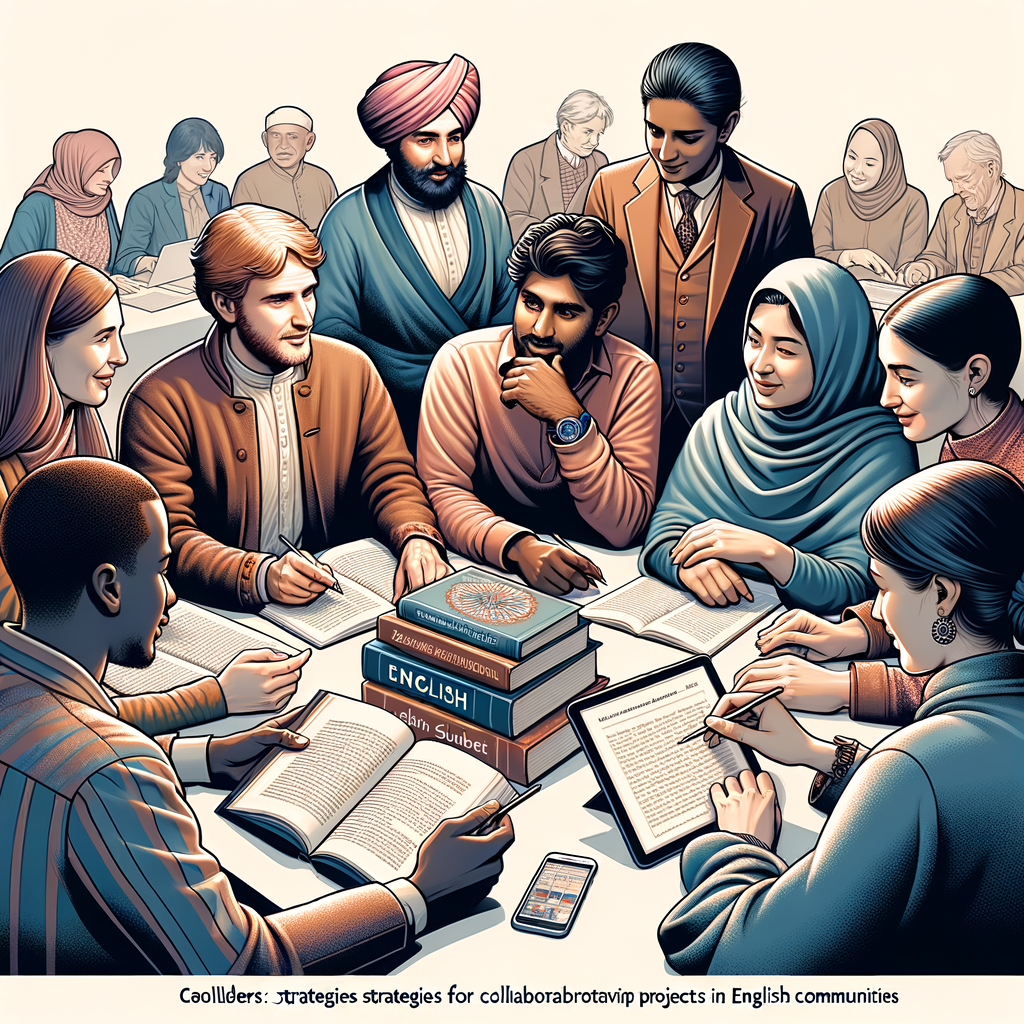
Collaborative projects are a cornerstone for growth and innovation in English-speaking communities across the world. These projects span various domains including academia, business, technology, and art. Successfully executing collaborative initiatives requires strategies that harness the strengths of diverse teams, overcome challenges, and foster innovation. In English communities, dynamism and diversity add richness to collaborative endeavors, yet these same strengths can present unique challenges. Understanding the factors that contribute to effective collaboration, such as communication, cohesion, and technology, is critical for any group seeking success. This article delves into comprehensive strategies for successful collaborative projects in English communities, emphasizing the role of effective communication, technology integration, and clear leadership. By understanding these strategies, teams can bolster their efforts and enhance the outcomes of their projects.
The globalized nature of contemporary societies has resulted in English being a predominant language in international collaborative projects. It acts as a bridge, facilitating communication across borders. However, collaboration isn’t without its challenges – from disparities in language proficiency to coordinating across time zones. English communities must navigate these hurdles to foster seamless cooperation. This article discusses proven strategies to overcome these obstacles, encourages innovation, and leverages the unique benefits of English as a global lingua franca. Through examining these components, English-speaking groups can define their collaboration blueprint, ensuring their projects reach successful completion. Let’s embark on this exploration of effective strategies for collaborative projects within English communities, focusing on extracting every potential benefit from diverse collaboration.
Building Effective Communication Channels
At the heart of every collaborative effort lies communication. Effective communication channels are vital for transmitting ideas, feedback, and maintaining the momentum of a project. In English-speaking communities, establishing a common language doesn’t necessarily equate to understanding. Teams must foster environments where open, clear, and constructive communication is the norm. Regular team meetings are one foundational strategy. They should be structured but allow flexibility for team members to express concerns and offer insights. Moreover, these meetings should be inclusive, giving voice to all team members regardless of their hierarchy.
Besides meetings, leveraging written communication through emails, memos, and reports is essential. These mediums provide lasting records of discussions and decisions that can be referred back to. However, it’s not sufficient to merely have these channels; carefully considering the tone, clarity, and succinctness of the communication is equally important. Training sessions that focus on enhancing business communication skills are beneficial, particularly in culturally diverse teams where English is the common but not native language for all members.
Digital collaboration tools complement traditional communication methods, especially for geographically dispersed teams. Platforms like Slack, Microsoft Teams, or Trello streamline communication and enhance productivity by offering real-time messaging, file sharing, and collaborative editing features. Establishing protocols around their use – defining what medium to use for different types of communication – can reduce confusion. Setting availability statuses helps manage expectations regarding response times, which is crucial to maintaining momentum and ensuring everyone remains engaged with the project objectives.
Fostering Collaborative Culture and Cohesion
A successful collaborative project thrives in a culture of mutual respect and shared goals. Building such a culture in English communities involves more than setting up collaboration platforms; it begins with fostering a sense of belonging and trust among team members. Team-building activities, whether virtual or in-person, can enhance relationships and improve collaboration. These activities should encourage team members to find commonalities and appreciate differences, ultimately bridging the cultural and personal gaps that might exist within the team.
Clearly defined roles and responsibilities contribute significantly to team cohesion. When each member understands their contribution to the project’s success, they are more likely to take ownership of their tasks. This clarity prevents overlaps or gaps in tasks, thereby reducing conflict and ensuring the project stays on course. Alongside clear roles, a culture of feedback is crucial. Encouraging team members to give and receive constructive feedback ensures continuous improvement and fosters an environment where learning is ongoing.
Cultural sensitivity and inclusivity are essential in English-speaking communities often comprised of individuals from diverse backgrounds. Awareness and appreciation of cultural nuances within the team raise empathy and understanding. Training sessions focused on cultural inclusivity can better equip team members to navigate these dynamics, ensuring no member feels marginalized. Encouraging members to share their traditions and cultural perspectives can also enrich team interactions, broadening perspectives and enhancing creative problem-solving abilities.
Leveraging Technology for Seamless Collaboration
With the advent of digital technology, the execution of collaborative projects has become more efficient and dynamic. English communities must adopt and adapt to these technological advancements to maintain competitiveness. Integration of collaborative software tools is a key strategy. Software solutions like Asana, Monday.com, and Basecamp provide structural frameworks for managing tasks, deadlines, and resources, essential for maintaining the flow of a project.
Video conferencing platforms like Zoom or Google Meet offer virtual face-to-face interaction, crucial for teams spread across different locations. These platforms foster a sense of closeness and immediacy, comparable to in-person meetings. Investing in robust internet connectivity and proper IT infrastructure should be a priority to avoid disruptions that can arise during virtual meetings, ensuring fluid communication across various platforms.
Data security remains a focal point for collaborative projects, as sharing information across platforms necessitates protection against breaches. Implementing secure data-sharing protocols and ensuring team members are trained in cybersecurity best practices helps safeguard sensitive information. Since technology is constantly evolving, staying informed about the latest tools and updates is essential for taking full advantage of their benefits.
Establishing Clear Leadership and Vision
Effective leadership is indispensable for steering collaborative projects toward success. Leadership in English-speaking communities involves not only directing activities but also inspiring and influencing the team towards shared goals. Leaders should possess the ability to articulate a clear vision and roadmap. This vision aids in aligning team efforts and keeping members motivated and focused.
Leaders should foster an environment where innovation is encouraged and creativity is valued. They must be excellent communicators and proficient in conflict resolution to handle disagreements or misunderstandings in a manner that strengthens the team rather than causing division. Empowering team members by delegating responsibilities and encouraging autonomy can enhance team morale and productivity. Additionally, providing recognition and rewards for achievements boosts motivation.
Leadership should also emphasize continuous learning and adaptability, as the dynamics within English communities and global markets are constantly shifting. Leaders can facilitate training initiatives that advance skill sets relevant to evolving project needs. By modeling adaptability and a willingness to learn, leaders can inspire their teams to embrace change as an opportunity rather than a threat.
Evaluating and Reflecting on Project Outcomes
Critical reflection upon project completion is a valuable strategy that English communities must adopt for future success. Conducting post-project evaluations enables teams to assess outcomes in relation to the original objectives. Teams should discuss what worked well and identify areas for improvement. This reflection process provides insights into optimizing resource use and refining future project strategies.
Encouraging all team members to participate in these evaluations fosters inclusivity and leverages the diversity of perspectives found in English communities. Feedback loops are an additional facet of evaluations, reinforcing a culture of perpetual learning and quality improvement. By spotlighting the lessons gained from each collaborative venture, teams can build upon their experiences and enhance efficiency in subsequent projects.
Documenting these evaluations and reflections becomes a repository of knowledge that can serve as best practices and reference points for future projects. Having a comprehensive record allows new team members to quickly acclimate to expectations and learn from past successes and challenges. Thus, reflecting on and learning from previous projects becomes a cyclical process driving continuous improvement and innovation in collaborative efforts.
Conclusion
Strategically navigating collaborative projects in English-speaking communities requires an intricate blend of communication, cultural sensitivity, technological integration, and clear leadership. By concentrating on establishing robust communication channels, fostering a collaborative culture, leveraging modern technology, providing clear leadership, and engaging in reflective practices, teams can optimize their endeavors and sustain growth. Understanding these core strategies enables English communities to tackle the multifaceted challenges of collaboration efficiently and effectively. Each project is an opportunity not only to achieve results but to build stronger, more adaptable teams equipped to handle future challenges.
These strategies form the foundation upon which successful projects are built, facilitating both innovation and cohesion. By considering every phase of collaboration—from inception and execution to evaluation—teams can ensure they are driving toward sustainable, inclusive success. Embarking on the journey of collaborative projects with a clear strategy promotes an environment where English-speaking communities can thrive and continue to lead in dynamic, global conversations. Adopting these strategic frameworks ultimately crafts a blueprint for enduring success in an increasingly interconnected world.
Frequently Asked Questions
1. What are some effective strategies for fostering collaboration in English-speaking communities?
In English-speaking communities, fostering collaboration largely depends on understanding and leveraging diverse perspectives and areas of expertise. Here are some key strategies:
Embrace Diversity of Thought: Encourage team members to share their unique perspectives and ideas. This enriches discussions and leads to more innovative solutions. Diverse teams bring a rich variety of viewpoints that are crucial for problem-solving and creative thinking.
Establish Clear Goals and Roles: Define the objectives of the project clearly and ensure all team members understand their specific roles. This clarity helps to minimize confusion and aligns everyone towards common goals.
Communication is Key: Foster an environment where open communication is encouraged. Use platforms and tools that facilitate easy sharing of information and allow team members to provide feedback. Regular check-ins and updates can prevent misunderstandings and keep everyone on the same page.
Leverage Technology: Use collaborative tools like project management software, video conferencing, and shared document platforms. These tools help bridge geographical distances and allow teams to work efficiently.
Encourage Trust and Mutual Respect: Build a culture where trust is foundational. This involves recognizing and valuing each team member’s contributions and establishing mutual respect. With trust, team members feel safe to express their ideas and take risks without fear of judgment.
2. What challenges might English-speaking communities face during collaborative projects, and how can they overcome them?
Collaborative projects in English-speaking communities are not without challenges. Some common issues include:
Cultural Differences: Even within English-speaking communities, there can be cultural nuances that affect communication and collaboration. Overcoming this requires cultural sensitivity and an open mind to different communication styles and work ethics.
Resistance to Change: Team members may resist new ideas or methods. Overcoming resistance involves demonstrating the benefits of change, offering training sessions, and involving skeptics in decision-making processes to ensure they feel heard and valued.
Coordination Across Time Zones: In global teams, working across different time zones can be challenging. To address this, schedule meetings at mutually convenient times, rotate meeting hours to share the inconvenience, and utilize asynchronous communication tools.
Language Barriers: While English is a common language, differences in dialects and idioms can lead to misunderstandings. Offering language support and encouraging the use of clear, simple language can mitigate these issues.
Resource Allocation: Conflicts over limited resources can hinder progress. Conducting thorough planning and regular reviews of resource needs can help in better allocation and reduce friction.
3. How can English-speaking communities measure the success of their collaborative projects?
Measuring the success of collaborative projects involves several factors:
Fulfillment of Objectives: The most straightforward measure is whether the project met its initial objectives and goals. This includes timelines, deliverables, and overall impact.
Efficiency Metrics: Analyze how effectively resources were used, including time, budget, and manpower. Understanding these metrics can inform future projects and improve processes.
Team Satisfaction and Feedback: Gather feedback from all participants regarding their experience with the collaboration process. Their satisfaction levels can provide insights into what worked well and what areas need improvement.
Innovation and Creativity: Assess the novelty and creativity of the solutions or products developed. Evaluate whether the collaboration led to innovative outcomes that wouldn’t have been possible individually.
Long-Term Impact: Consider the long-term benefits or changes resulting from the project—a successful collaborative project should ideally lead to sustained improvements or relationships.
4. What role does technology play in facilitating collaborative projects in English-speaking communities?
Technology acts as a backbone for modern collaboration, offering numerous benefits:
Communication Platforms: Technology like instant messaging apps, video conferencing tools, and social media provide platforms for real-time communication that is crucial for seamless collaboration.
Project Management Tools: Tools such as Trello, Asana, and Microsoft Teams help in organizing tasks, tracking progress, and ensuring accountability as projects unfold.
File Sharing and Document Collaboration: Cloud-based services like Google Drive and Dropbox allow teams to share documents easily and collaborate on them in real time, regardless of physical location.
Innovation and Brainstorming Tools: Platforms like Miro or Stormboard facilitate virtual brainstorming sessions, enhancing creativity and participation from all team members.
Data Analytics and Reporting: Technology enables teams to collect, analyze, and report on data efficiently, helping them make informed decisions and adjustments in a timely manner.
5. How can leaders in English-speaking communities ensure smooth collaboration across international teams?
Leading international teams to success requires strategic oversight and the ability to unite disparate parts into a cohesive whole:
Set Common Vision and Values: Leaders should define a clear vision and set of values that guide the project. This creates a shared sense of purpose and ensures all sub-teams are aligned toward the same goals.
Foster Inclusive Leadership: Develop a leadership style that is empathetic and inclusive, making sure all team members, regardless of location or cultural background, feel heard and incorporated.
Utilize Cultural Liaisons: Appoint individuals within teams who can act as cultural liaisons or points of contact to help bridge understanding and facilitate smoother interactions between diverse groups.
Regular Global Meetings: Conduct regular full-team meetings that involve all international members. Use these sessions for updates, brainstorming, and building team cohesion.
Set Up Support Structures: Establish structures that support remote work, such as IT support for all regions, mental health resources, and continuous professional development opportunities.