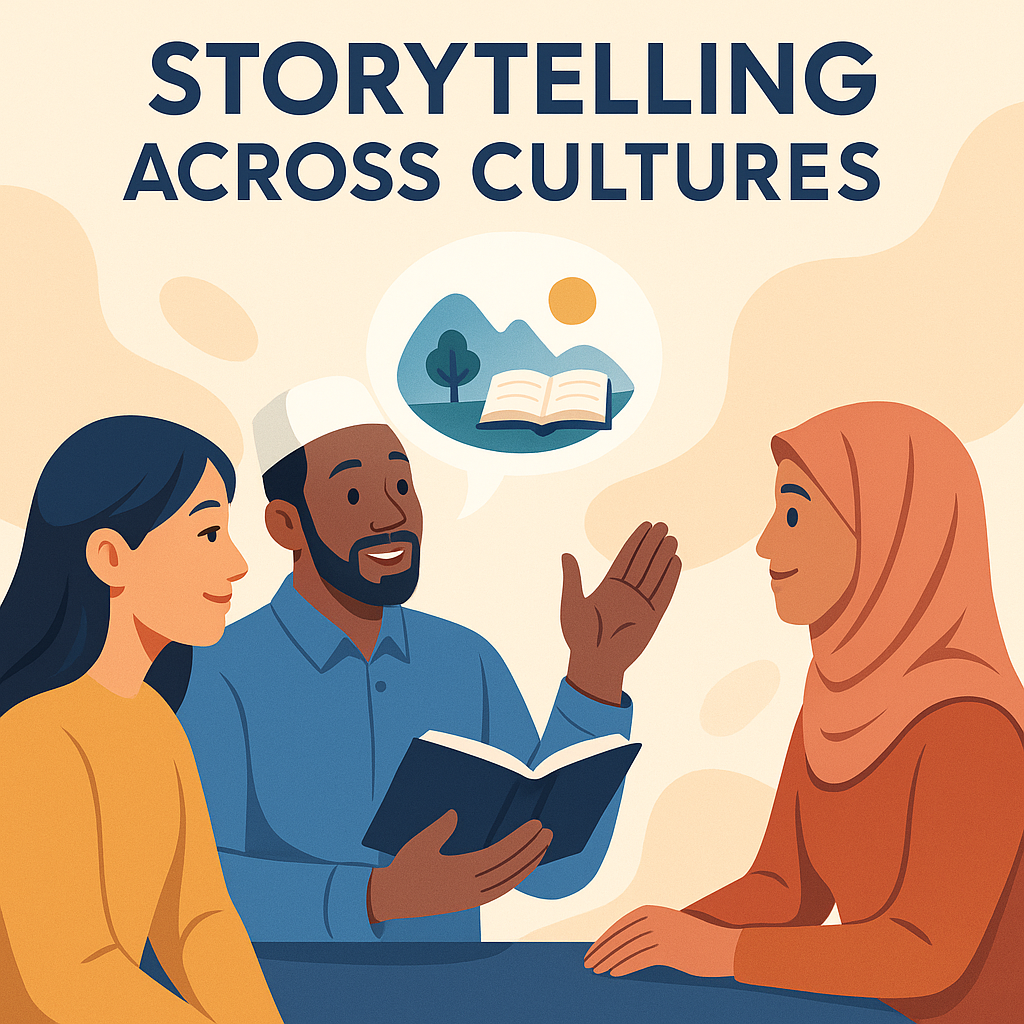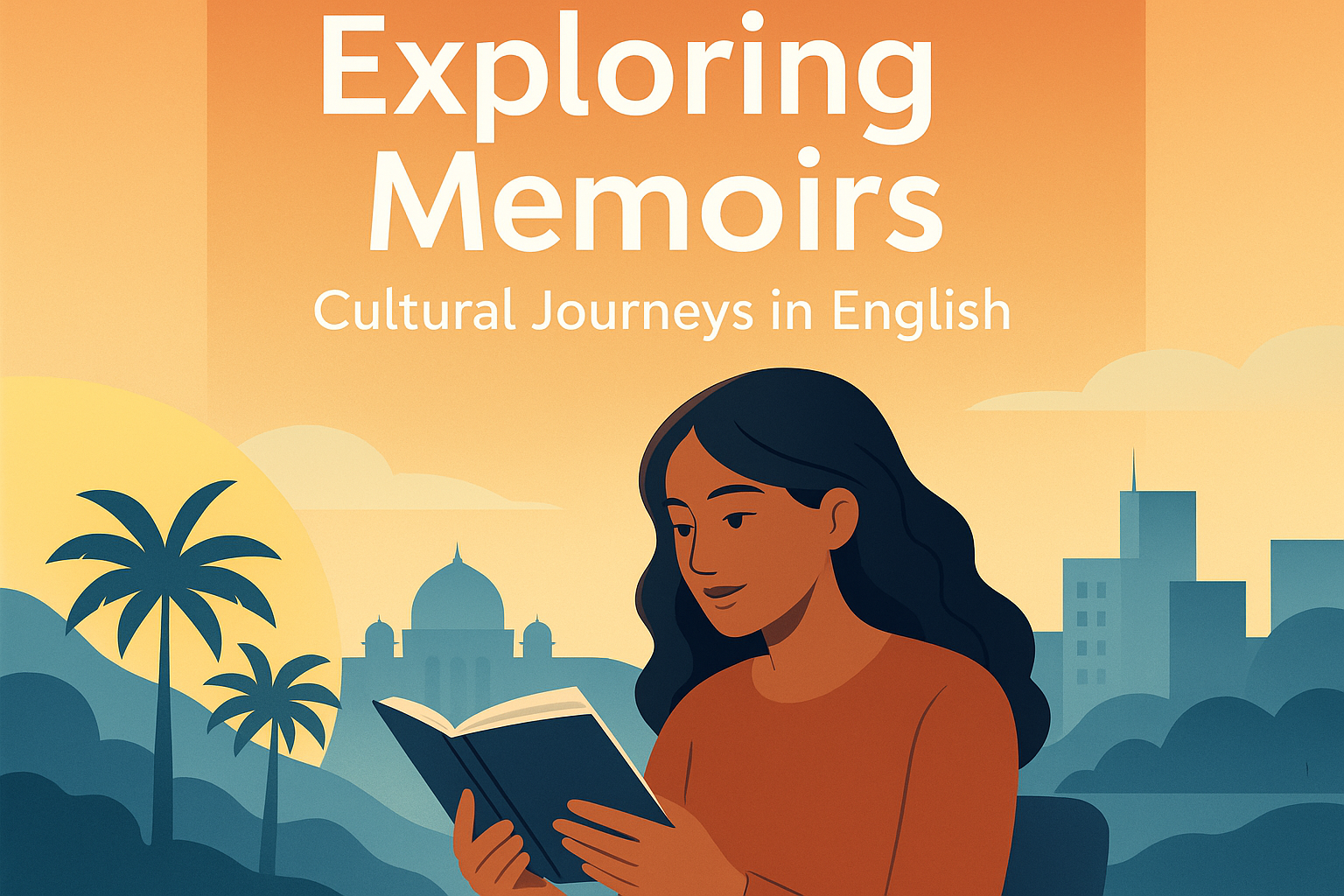
Memoirs are a captivating genre that offer intimate glimpses into the personal journeys and cultural landscapes of diverse individuals. Often defined as a collection of personal memories, a memoir allows individuals to share narratives that not only detail personal experiences but also encapsulate the broader cultural milieus in which these experiences unfold. Unlike autobiographies, which aim to cover the entirety of one’s life, memoirs focus on specific moments or themes, offering depth over breadth.
The exploration of cultural memory through memoirs is significant because it provides readers with nuanced understandings of different cultural perspectives and practices. As these stories reveal experiences of immigration, identity, familial relationships, and personal growth, they invite readers on journeys that are both universal and unique. Engaging with memoirs allows us to see the world through the eyes of others, fostering empathy and broadening our worldview.
The Cultural Significance of Memoirs
Memoirs serve as historical documents that preserve and communicate cultural narratives. Through personal stories, they capture traditions, languages, and socio-political climates that might otherwise be forgotten. For instance, in Maya Angelou’s “I Know Why the Caged Bird Sings,” readers gain insight into the African American experience during the 20th century, exploring themes of racism, identity, and resilience.
Through Angelou’s expressive narrative, readers are transported into her world, experiencing the vibrant culture and the challenges faced by the African American community. Her memoir is a poignant reminder of the struggles for equality and serves as an educational tool for those seeking to understand the racial dynamics of the time.
Memoirs as Tools for Understanding Identity
Identity is a core theme explored in many memoirs, as writers delve into the journey of self-discovery and belonging. This is particularly evident in Trevor Noah’s “Born a Crime,” where he recounts his life growing up as a mixed-race child during apartheid in South Africa. His memoir addresses complex issues of race, family, and identity in a society constructed on systemic segregation.
Noah’s humorous yet profound storytelling sheds light on the daily realities and absurdities of apartheid, while also highlighting the importance of resilience and adaptability. Through his experiences, readers explore the intricacies of identity formation in a multicultural environment fraught with contradictions.
The Therapeutic Power of Memoirs
Writing memoirs can also have therapeutic benefits for the authors. By articulating and confronting their life events on paper, authors engage in a cathartic process that can bring clarity and healing. For readers, these memoirs often resonate on a deeply personal level, offering solace and inspiration.
A prime example is Elizabeth Gilbert’s “Eat, Pray, Love,” where she documents her quest for self-discovery and healing following a difficult divorce. Her journey through Italy, India, and Indonesia becomes a roadmap for readers seeking their paths to happiness and fulfillment.
| Memoir | Author | Theme |
|---|---|---|
| I Know Why the Caged Bird Sings | Maya Angelou | Racism and Identity |
| Born a Crime | Trevor Noah | Race and Identity |
| Eat, Pray, Love | Elizabeth Gilbert | Self-discovery and Healing |
Memoirs as Agents of Social Change
In addition to personal benefits, memoirs can be powerful tools for social change. By shedding light on societal injustices and raising awareness of critical issues, they provoke thought and inspire action. Malala Yousafzai’s “I Am Malala,” for example, narrates her fight for girls’ education in Pakistan, a struggle that gained global attention.
Through her courageous narrative, Yousafzai humanizes the issue of educational inequality and empowers readers to become advocates for change. Her memoir is a testament to the impact one voice can have in sparking dialogue and influencing global policy.
Conclusion
Memoirs offer a unique lens through which we can explore cultural journeys, allowing us to connect with others on a deeply human level. They transcend mere storytelling, becoming vessels of cultural expression, identity exploration, and social activism. Whether uncovering historical hardships or personal victories, memoirs invite us to reflect on our shared humanity and embrace diversity.
As you select your next memoir to read, consider how it might expand your understanding of different cultures and perspectives. Let these stories inspire you, challenge your views, and encourage you to embark on your own journey of exploration and empathy.
Now, I invite you to pick up a memoir, dive into the narrative, and see the world through someone else’s eyes. It might just change the way you view your own world.
Frequently Asked Questions
1. What distinguishes memoirs from autobiographies?
Memoirs and autobiographies are often confused, but they serve distinct purposes and are structured differently. Autobiographies attempt to cover the whole span of the author’s life in chronological order, similar to a comprehensive timeline. They focus on presenting factual details, often detailing significant events and achievements in the person’s life. Memoirs, on the other hand, are more selective and thematic. They don’t attempt to cover everything but instead hone in on particular moments, experiences, or themes that hold significant meaning to the author.
The beauty of a memoir lies in its ability to weave individual experiences with broader cultural or social contexts, offering readers insight into both the author’s personal journey and the milieu in which it unfolds. Memoirs aim to extract meaning from these specific experiences, providing a lens through which readers can connect with and often find empathy or understanding of a culture or era they may not be familiar with. By doing so, a memoir creates a profound and intimate connection between the author and the reader, providing a pathway for emotional and intellectual engagement.
2. How do memoirs provide insight into cultural journeys and landscapes?
Memoirs are uniquely positioned to offer deep insights into cultural journeys as they present personal narratives intertwined with broader cultural or historical backdrops. A well-crafted memoir not only tells the author’s story but also captures the essence of the time, place, and community, delving into cultural nuances that might be overlooked in a direct historical account. These narratives shed light on social norms, traditions, and the zeitgeist of the era, offering a window into the cultural landscape surrounding the author’s experiences.
By immersing readers in the everyday realities, struggles, and triumphs of individuals, memoirs bring to life the cultural dynamics that shaped their worlds. Whether it’s an immigrant’s tale of assimilation, a local’s reflection on historical upheavals, or a personal battle viewed through the lens of societal expectations, these stories engage readers deeply with the cultural context. They enable readers to gain a richer understanding of different communities, explore cultural diversity, and see the universal themes of human experience reflected in the particulars of one person’s life.
3. What are some popular themes explored in cultural memoirs?
Cultural memoirs tackle a wide array of themes, each drawn from the unique circumstances and backgrounds of their authors. Common themes include identity, displacement and belonging, immigration, cultural heritage, and family dynamics. These memoirs often explore the tension between tradition and modernity or the individual versus collective identity, delving deeply into personal and cultural conflicts.
For example, a memoir might explore the diasporic experience, weaving tales of leaving a homeland, navigating new paradigms, and negotiating dual identities. Others may focus on coming of age within a particular cultural setting, highlighting how cultural norms and values shape personal growth and identity. Memoirs also address themes of social justice, activism, and resistance, capturing the personal voices within broader movements and societal shifts. Each memoir, through its unique theme, provides not just a story but an exploration of cultural consciousness and evolution.
4. How do authors ensure authenticity in their memoirs while respecting cultural nuances?
Authors of memoirs often face the delicate task of balancing authenticity with respect for cultural nuances. Authenticity arises from the truthful representation of the author’s memories and experiences, while respecting cultural nuances means recognizing and honoring the complex social and cultural dynamics that inform these experiences. Authors achieve this balance through meticulous reflection, a commitment to honest storytelling, and by including diverse perspectives within their narratives.
Authors may consult with others who share similar experiences or who are from the same cultural background to validate and deepen their understanding of the cultural contexts they depict. They often conduct interviews, research, or engage in conversations to enrich their perspectives and ensure accuracy. Moreover, authors may incorporate elements that allow the portrayal of complexities and contradictions within cultures, highlighting both beauty and challenges without resorting to stereotypes. Ultimately, authenticity in memoirs is about presenting a narrative that feels genuine to the author’s truth while offering a respectful depiction of the cultural landscape surrounding their story.
5. How can readers benefit from engaging with cultural memoirs?
Readers stand to gain immensely from engaging with cultural memoirs as these stories foster empathy, understanding, and awareness of diverse lived experiences. Cultural memoirs provide readers with intimate access to worlds and perspectives they might not encounter otherwise, promoting cultural sensitivity and broadened worldviews. They challenge readers to consider different points of view and recognize the intricacies of cultural identities and experiences beyond their own.\.
Moreover, cultural memoirs can be enlightening and educational, offering insights into historical events from personal perspectives and humanizing the often abstract narratives of history. They help demystify cultures, bridge cultural divides, and encourage conversations about social and cultural issues in a personal and relatable manner. Readers often find that these memoirs resonate with universal themes of love, struggle, growth, and identity, making them profoundly relatable and transformative. By diving into these narratives, readers embark on their own journey of cultural discovery and personal reflection, expanding their understanding of the human condition.