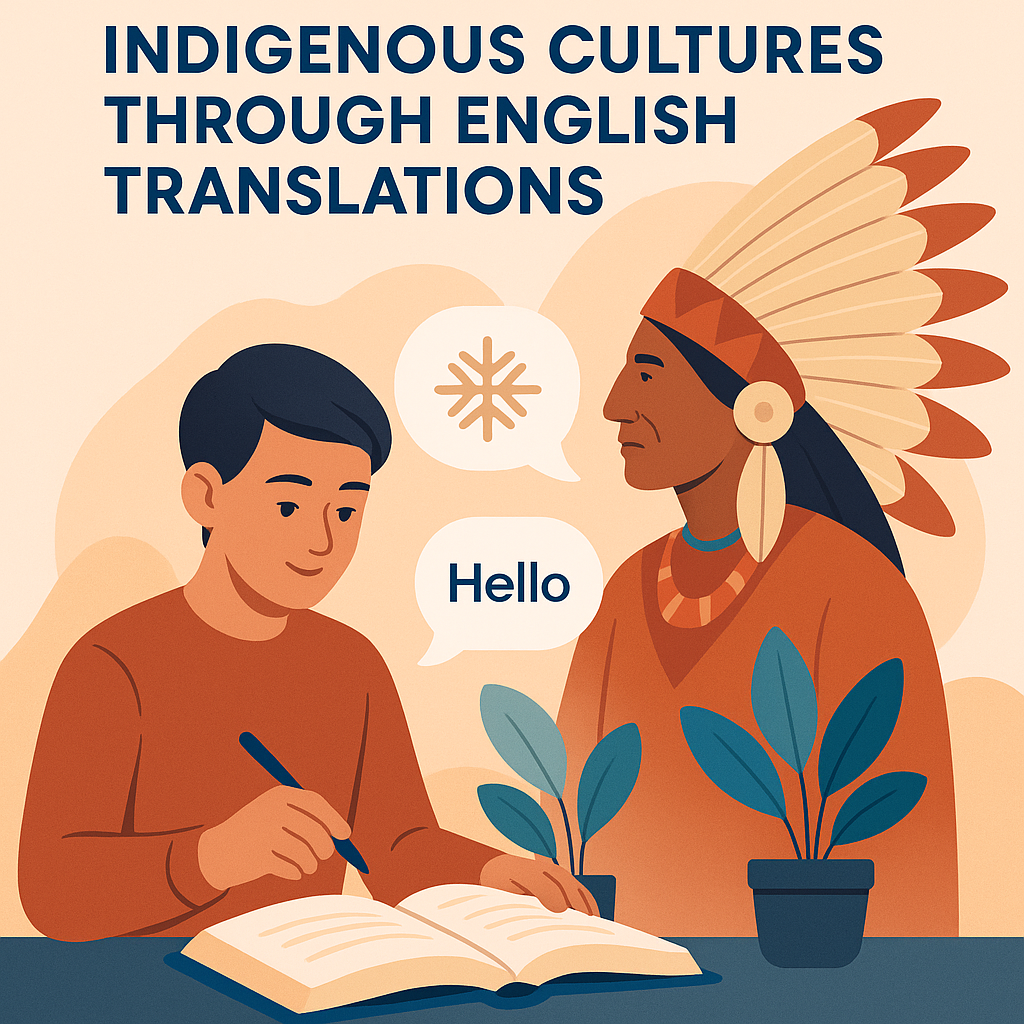
Folktales have been a fundamental aspect of human culture for millennia. These stories, passed down through generations, offer a glimpse into the values, norms, and histories of various societies. In this exploration of global folktales, retold in English, we aim to understand how they reflect the culture from which they originate, and the insights they provide into universal human experiences. Folktales are seen as vessels of cultural wisdom and imagination, often capturing the essence of societal ethics, fears, aspirations, and narratives of identity. By examining these tales and their English adaptations, we delve into the richness of global traditions while acknowledging the influence of language on cultural transmission.
The adaptation of folktales into English plays a significant role in cultural preservation and sharing. When these stories cross cultural boundaries, they enrich the global tapestry of storytelling. English, being widely spoken and understood, serves as an essential bridge in this cross-cultural exchange. Yet, there is an ongoing balance between remaining true to the source material and making traditional tales accessible to a broader audience. This article aims to analyze key folktales from various cultures, observing how they have been adapted and what they reveal about the societies that tell them. Through this lens, we explore how such narratives maintain cultural integrity while appealing to global audiences.
African Folktales
African folktales are renowned for their rich oral tradition and are among the oldest in human history. These stories often feature animals with human characteristics, reflecting moral lessons or societal themes. Adaptations into English typically strive to retain the original storylines’ spirit while making them relatable to contemporary readers. For instance, Anansi the Spider is a popular figure in West African folklore, a clever trickster who often outsmarts more powerful animals. In its English renditions, Anansi’s tales remain vibrant, embodying themes of wisdom, wit, and resilience. Such stories often serve as moral fables, teaching the importance of intelligence over brute strength.
Another prominent example is the stories from the Bantu people, which are rich with legendary heroes and supernatural elements. English translations of these tales highlight the emphasis on communal values, kinship, and respect for elders, all crucial aspects of African societies. Storytelling, through its lively and engaging manner, helps these important values resonate with audiences of all ages worldwide.
Asian Folktales
Asian folktales offer a diverse and complex tapestry of stories reflecting the historical and cultural complexities of the continent. Chinese folktales, such as “The Lady White Snake,” provide insight into themes of love, sacrifice, and loyalty. The English versions of these tales maintain their narrative structure but often simplify cultural nuances to cater to a global audience, all while striving to preserve the story’s original charm and depth. In another vein, Japanese folktales like “Momotaro, the Peach Boy” emphasize virtues such as courage and thankfulness. Such stories are imbued with Shinto and Buddhist ideologies, and when translated into English, they tend to highlight the universal themes of heroism and moral integrity.
Indian folktales, such as those found in the Panchatantra, are among the world’s oldest, composed to impart wisdom and ethical lessons. These stories, when told in English, retain their fundamental purpose of educating and entertaining, while sometimes losing intricate cultural contexts due to language and cultural barriers. Meanwhile, the folktales of Southeast Asia, such as the Filipino story of “The Monkey and the Turtle” or the Malaysian “The Frog’s Travels,” also translate well into English, often using anthropomorphized animals to tackle topics ranging from justice to ingenuity.
European Folktales
European folktales have profoundly influenced the literary world, with many tales stemming from the rich storytelling traditions of the continent. In the English language, the Brothers Grimm are renowned for collecting folk stories that paint a vivid picture of medieval European landscapes and moralities. These tales, like “Hansel and Gretel,” explore themes of poverty, bravery, and cunning. Regardless of their cultural specificity, they’ve become universally recognized, thanks to their relatable themes and moral lessons.
Similarly, Scandinavian folktales often feature mythological beings and emphasize nature’s mystical qualities, such as the beloved tale of the mischievous but endearing “Nisse.” The English versions capture the whimsy and reverence towards the natural world that characterizes many Nordic stories. Meanwhile, Celtic tales, like those of the Irish “Leprechaun” or Scottish “Selkies,” offer insights into the cultural imagination replete with magical realism and rich symbolism, thereby maintaining their allure in English translations.
Middle Eastern Folktales
Middle Eastern folktales, steeped in rich histories and religions, reflect the cultural diversity and spiritual depth of the region. One Thousand and One Nights, often adapted into English, holds a treasured place in global folklore. Stories like “Aladdin’s Wonderful Lamp” and “Ali Baba and the Forty Thieves” exemplify themes of adventure, wit, and destiny’s twists. While English renditions sometimes alter these tales’ cultural specifics, they typically highlight the core values and dramatic flair inherent to Middle Eastern storytelling.
Persian folktales add another layer of depth with stories like “The Tale of Simorgh,” encapsulating themes of self-discovery and the divine’s mystique, seamlessly molded into the narrative fabric when translated into English. These tales reflect profound philosophical and ethical teachings, often presenting them through allegory and symbolism, thereby broadening Western readers’ perspective on Middle Eastern cultural narratives.
Latin American Folktales
Latin American folklore melds Native American, African, and European influences, creating a vibrant and eclectic storytelling tradition. Tales from this region often include magical realism and impart cultural teachings through their vivid narratives. The legend of “La Llorona” reflects profound themes of love, loss, and redemption. In their English forms, these stories maintain their emotional gravity and cultural significance, shedding light on societal norms and historical contexts of Latin American cultures.
Afro-Brazilian tales showcase the syncretic culture resulting from African diaspora influences, with stories featuring Orixás (deities) that embody nature and human traits. Translated into English, these tales not only communicate values of resilience and identity but also enrich global understanding of Afro-Brazilian spiritual and cultural heritage. Such stories, with their vibrant characters and settings, captivate audiences worldwide while fostering a deeper appreciation for the rich diversity of Latin American narratives.
Indigenous Folktales of North America
The indigenous peoples of North America possess a vast and varied repository of folktales, integral to their cultural heritage and identity. These stories are often deeply spiritual or interwoven with lessons imparted by ancestors. Folktales from tribes such as the Iroquois, Navajo, and Sioux may involve animal spirits, nature, or historical events. An example is the tale of “The Coyote and the Buffalo,” a story illustrating respect and the natural world’s mystical qualities.
English versions strive to preserve the nuanced storytelling elements, emphasizing human connection with nature, the importance of tradition, and the community’s role. These adaptations provide insight into the indigenous worldview, honoring the original narratives’ depths while remaining accessible to modern audiences interested in understanding ancestral wisdom through a contemporary lens.
Conclusion
Global folktales translated into English serve as a bridge, connecting diverse cultures and allowing stories passed down through generations to reach broad, international audiences. They challenge translators and storytellers to maintain cultural nuances while adapting narratives to resonate with an entirely new linguistic and cultural backdrop. This cross-cultural storytelling promotes empathy and understanding, revealing the universal themes embedded within distinct cultural-specific contexts. While some details may become simplified or lost in translation, the essence of these stories often remains intact, speaking to shared human experiences and eternal truths.
English adaptations of global folktales not only preserve cultural histories but also invite readers worldwide to explore, appreciate, and learn from the vast array of human narratives. This literary tradition fosters global interconnectedness, encouraging appreciation for diversity while recognizing our shared humanity. As folktales continue to be translated and retold, they enrich the global storytelling tapestry, perpetuating timeless cultural legacies. In essence, these stories transcend their origins, offering valuable perspectives on human culture and wisdom through captivating tales.
Frequently Asked Questions
1. What makes folktales an important aspect of human culture?
Folktales are essential to human culture because they serve as vessels of cultural wisdom and imagination. For centuries, these stories have been passed down through generations, acting as a collective memory that preserves cultural norms, values, and histories of societies. They reflect the ingenuity, beliefs, and traditions of the communities from which they originate. Folktales help to educate, entertain, and impart life lessons. Moreover, they often embody universal themes and human experiences, allowing different cultures to connect and find common ground despite diverse backgrounds. Folktales are not just stories; they are reflections of the human experience, capturing the essence of society’s shared knowledge and moral lessons.
2. How do global folktales, translated into English, help in understanding different cultures?
Translating global folktales into English opens a window into the rich tapestry of world cultures, making it accessible to a broader audience. These translations allow readers to gain insights into the daily life, beliefs, and traditions of different societies. Through understanding context, motifs, and character archetypes in folktales, one can discern the values and moral codes esteemed by a culture. For instance, a folktale featuring a clever trickster may highlight the society’s admiration for wit and resourcefulness, while stories that emphasize communal efforts may speak to the culture’s value on community and collective work. Furthermore, translated folktales allow for a comparative cultural analysis, showcasing both the distinctiveness of a culture and the shared human experiences globally.
3. What are some common themes found in folktales across different cultures?
While folktales are enriched with diverse cultural details, many share common themes that resonate universally. These include the triumph of good over evil, the cleverness of the underdog, the perils of greed, and the importance of kindness and generosity. Folktales often contain moral lessons or ethical dilemmas that reflect the social and moral codes of their time. Another recurring theme is the hero’s journey, where protagonists embark on quests that lead to personal growth and self-discovery. Folktales also frequently address the power of nature, the mystique of the supernatural, and the intricate dynamics of family and community. Despite cultural variances, these themes mirror the collective human psyche’s core desires and quests for meaning.
4. Why is it important to retell and preserve folktales?
Retelling and preserving folktales is crucial for maintaining cultural heritage and identity. These narratives offer insight into the origins and evolutions of societies, providing a sense of continuity and belonging. By preserving them, we protect the cultural values and historical perspectives inherent in them, keeping the wisdom of past generations alive. Moreover, retelling these tales ensures they remain relevant, allowing them to be adapted to contemporary issues and languages, thus breathing new life into timeless stories. This continuity is particularly important for immigrant communities, as it aids in preserving their cultural legacy while negotiating new identities in foreign lands. Additionally, folktales promote intercultural understanding and appreciation, fostering a more inclusive and informed world.
5. How do folktales contribute to global cultural exchanges?
Folktales transcend national and cultural boundaries, serving as dynamic mediums for cultural exchange and dialogue. As these stories travel across borders, they carry with them elements of their originating cultures, introducing audiences to different worldviews. This exchange encourages people to appreciate the richness and variety of global narratives and draws attention to shared human values. Culturally influenced adaptations of folktales, or the creation of new ones using traditional motifs, promote cultural fusion and innovation within the literary world. By exploring various cultural angles through folktales, people can develop empathy and understanding towards cultural differences, which is essential in our interconnected global society. As these stories continue to be shared and translated, they contribute not only to cultural preservation but also to the enrichment of the global cultural mosaic.