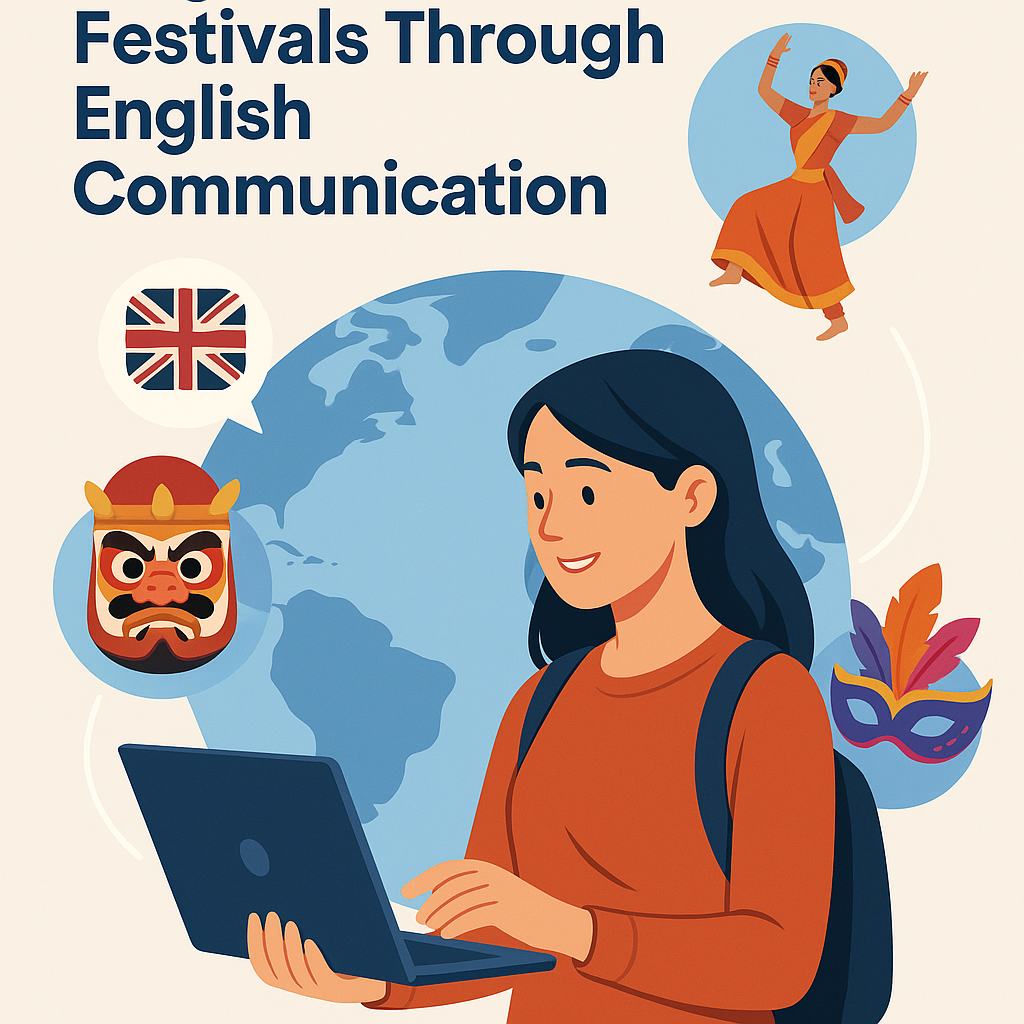
English, a language spoken by millions around the world, has undergone significant evolution over the centuries. From its early roots in Anglo-Saxon times to its current status as a global lingua franca, English has been shaped by countless cultural interactions and linguistic exchanges. To understand this evolution is to appreciate the diverse influences that have led to the richness of vocabulary, expressions, and nuances found in the language today.
Cultural influences, which refer to the impact of customs, traditions, and societal practices of different communities, play a pivotal role in shaping a language. This process involves the adoption and adaptation of foreign words and concepts, linguistic shifts due to migration, commerce, conquest, and the proliferation of new media and technology. Recognizing these influences helps us better understand not only the English language but also the cultures that contribute to its dynamism.
Understanding how English evolves under cultural influences is important for several reasons. It enhances communication by allowing us to bridge gaps between different linguistic backgrounds, enriches our understanding of literature and history, and fosters a greater appreciation for cultural diversity. As English continues to change, staying aware of these cultural influences helps individuals remain effective and empathetic communicators in a globalized world.
Historical Influences on English
The English language as we know it today is a tapestry of diverse historical strands. Starting from the Germanic tribes—the Angles, Saxons, and Jutes—who brought with them Old English, a foundation was laid for significant subsequent layers of influence. These early invaders contributed basic vocabulary and grammatical structures.
A major influence came with the Norman Conquest in 1066. The Normans spoke Old French, and as they took control of England, they introduced a flood of French words into the English language. Concepts related to law, art, literature, and religion were particularly affected. For instance, words like “court,” “judge,” “jury,” and “justice” highlight the legal influence, while terms such as “cuisine,” “ballet,” and “portrait” reflect cultural connotations.
In addition to French, Latin had a profound impact, mainly through the Church and scholarly texts. Latin was the language of educated people and the clergy, and as such, many Latin terms were incorporated into English, enriching its professional and academic register. For example, Latin provided words like “scientific,” “medium,” and “ahead.” These influences combined to create Middle English, which eventually transitioned into the Early Modern English era during the Renaissance.
The Renaissance and Global Exploration
The Renaissance period, which spanned roughly from the 14th to the 17th century, was a time of significant intellectual and cultural growth. The renewed interest in classical scholarship brought an influx of new vocabulary, especially from Latin and Greek. This period saw the introduction of terms like “philosophy,” “theology,” “circumference,” and “hydraulic,” which are still used frequently today.
Moreover, the beginning of global exploration brought English into contact with a broad spectrum of languages. As British explorers, traders, and colonists traveled across the globe, they encountered and absorbed words from diverse languages, including Hindi, Arabic, Malayalam, and more. Thus, we have words like “bungalow” (from Hindi), “coffee” (from Arabic), and “teak” (from Malayalam).
The adoption of these words was often not merely a matter of necessity but also an indication of cultural exchange. An English adaptation often had to fit new items or concepts that had no prior equivalent. These engagements during exploration widened the scope and functionality of English in international contexts.
Modern Media and Technological Influences
In modern times, the influence of media and technology on language evolution cannot be overstated. The advent of the internet and digital communication has paved the way for new words and phrases, driven by rapid technological advancements and the globalization of media culture. Social media platforms, in particular, have facilitated the viral spread of slang and neologisms across the English-speaking world.
This era has seen the emergence of portmanteaus and internet-based vernaculars like “blog” (web + log), “vlog” (video + blog), “selfie,” and “emoji.” Such terms not only represent new technologies or concepts but also mirror cultural attitudes and societal trends through the language. The spread of memes has also introduced and popularized new jargon that transcends regional boundaries, further standardizing internet slang.
Television, films, and music, especially from the United States, have also played a major role in spreading English and shaping its modern lexicon. The global reach of this media has led to the adoption of American phrases and expressions worldwide, contributing to the ongoing evolution of the language as it’s used by non-native speakers in different contexts.
Migration and Cultural Exchange
Throughout history, migration has been a key factor in the transmission and transformation of languages. English, especially within multicultural societies, has been significantly affected by migration and cultural exchange. As people move and settle, they bring their languages and traditions, which get woven into the fabric of the local language.
In the case of English, the waves of immigration to countries such as the United States, Canada, Australia, and the United Kingdom have enriched the language further. For example, in metropolitan areas like London or New York, English is spoken alongside numerous other languages. Such diversity promotes linguistic borrowing and results in the creation of dialects or pidgins that reflect the multilingual makeup of these societies.
Furthermore, immigrant communities retain and incorporate elements of their native languages, while also contributing to English with new terms and expressions. As a result, food items, music genres, and cultural norms enrich English with terms like “sushi” (Japanese), “curry” (Tamil), and “salsa” (Spanish), bringing additional global flavors to the language.
Visual Representation of English’s Linguistic Borrowing
| Language of Origin | Examples of Borrowed Words |
|---|---|
| French | Cuisine, Ballet, Portrait |
| Latin | Medium, Scientific, Ahead |
| Hindi | Bungalow, Shampoo, Cheetah |
| Arabic | Coffee, Algebra, Cotton |
| Japanese | Sushi, Tsunami, Karaoke |
Cultural Linguistics and Dialects
The study of cultural linguistics underscores the intricate relationship between language and culture, focusing on how cultural contexts shape linguistic usage. Variations in dialect across English-speaking regions often reflect local cultural identities. For instance, British English, American English, Australian English, and Indian English, while all versions of the same language, display unique characteristics shaped by their distinctive historical and social contexts.
These dialects exhibit variations in spelling, vocabulary, pronunciation, and even syntax. For example, in British English, “lorry” is used instead of the American English “truck,” and “bonnet” replaces “hood.” Such differences extend beyond vocabulary, as certain idioms and expressions are deeply rooted in regional cultures. In Australia, the term “fair dinkum” (meaning genuine or true) is part of the cultural lexicon, reflecting Australian values.
Moreover, English-speaking regions often develop creoles or pidgins—a form of language that evolves out of necessity to facilitate communication between groups without a common language. The evolution of these dialects showcases how English adapts and incorporates cultural nuances, meshing with local expressions and identities.
Conclusion: The Ongoing Evolution of English
In summary, the evolution of English under cultural influences is a testament to its adaptability and resilience. From its historical origins rooted in conquest and colonization to the modern-day effects of digital media and migration, English continues to grow and transform. As different cultures interact and merge, they bring new life and depth to the language.
For English speakers, understanding these cultural influences not only enriches vocabulary and comprehension but also promotes cultural awareness and sensitivity. As global communication continues to increase in importance, recognizing the evolution of English through cultural influences is crucial. It enables us to appreciate the richness and flexibility of language and encourages us to remain open to the ongoing changes that define English today.
With this knowledge in mind, we can take active steps to engage with English in diverse contexts, whether through travel, multicultural interactions, or digital engagement. By doing so, we contribute to the continuous cultural exchange that propels the evolution of this global language.
Ultimately, as English evolves, it reminds us that language is a living entity, shaped and reshaped by the world’s myriad cultures. Embracing this evolution is not only an intellectual endeavor but a path to greater cultural understanding and connection.
Stay curious, explore the linguistic diversity around you, and continue learning about the influences that shape the global language of English.
Frequently Asked Questions
1. How did English evolve from its Anglo-Saxon roots?
English evolved from its Anglo-Saxon roots through a series of cultural invasions and interactions that significantly altered its structure and vocabulary. Initially, English was heavily influenced by Old Norse due to Viking invasions. This period saw the simplification of the grammatical structure of Old English and an influx of Scandinavian vocabulary. Subsequently, the Norman Conquest in 1066 brought French influences, integrating a substantial number of French words and spelling conventions into English. This led to the Middle English period, during which Latin also played a crucial role, especially in legal, religious, and academic contexts. Over the centuries, English continued to absorb words and influences from many languages due to Britain’s global interactions and colonial expansions, eventually forming Modern English, enriched by a wide array of linguistic inputs from around the world.
2. What role did the British Empire play in the evolution of the English language?
The British Empire played a pivotal role in the evolution of the English language, especially from the 16th to the early 20th century. As the British colonized various parts of the world, they encountered diverse cultures and languages, leading to the incorporation of a plethora of foreign terms into English. This acquisition was often pragmatic, as colonizers borrowed words to describe new objects, foods, concepts, and technologies they encountered. For instance, “bungalow” and “curry” are words adopted from Hindi due to British colonization in India. The global spread of English during this period also established it as a lingua franca, facilitating international communication and trade, and further enriching its vocabulary. Over time, colonial languages have continually influenced British and American English, contributing to dialectal variations and an ongoing evolution of the language.
3. How do modern cultural influences continue to shape the English language?
In contemporary times, modern cultural influences continue to shape the English language in significant ways. This phenomenon is largely driven by globalization and the digital revolution, which facilitate rapid and widespread communication across cultures. The internet, social media, and entertainment industries, particularly those from English-speaking countries like the United States and the United Kingdom, introduce new slang, expressions, and even grammar, which can spread worldwide within days. For instance, terms like “selfie,” “hashtag,” and various internet memes have quickly become part of English vocabulary. Moreover, immigration and multicultural societies contribute locally spoken dialects incorporating words and phrases from multiple languages, constantly refreshing and expanding the language’s linguistic repertoire.
4. In what ways have other languages enriched English vocabulary?
English has borrowed extensively from a variety of languages throughout its history, enriching its vocabulary and adding depth to its expression. For example, from French, English has acquired many words related to law, cuisine, and fashion, such as “ballet,” “menu,” and “court.” From Latin, which served as the lingua franca of scholarly, religious, and legal texts, English has adopted words like “alibi,” “criteria,” and “referendum.” Arabic has contributed scientific and mathematical terms like “algebra” and “nadir.” The influence from indigenous languages is also prominent, particularly through loanwords that describe flora, fauna, and cultural practices unique to certain regions. This linguistic borrowing showcases English’s adaptability and its rich tapestry of vocabulary that reflects diverse cultural contributions.
5. How does the evolution of English impact global communication?
The evolution of English has tremendously impacted global communication by broadening its function as a tool for international discourse. As English adapts to cultural influences and becomes embedded in various regions around the world, it facilitates cross-cultural communication by enabling people from different linguistic backgrounds to converse and collaborate. Particularly in fields like business, science, aviation, and diplomacy, English serves as the primary medium of communication. Its lexical diversity, enriched by cultural influences, allows for precise and varied expression, making it an effective language for nuanced communication in multinational contexts. Consequently, English’s ongoing evolution ensures that it remains relevant and capable of accommodating the linguistic needs of an interconnected global society.