Academic writing demands a robust vocabulary to effectively communicate complex ideas, support arguments, and convey knowledge. Developing a strong academic vocabulary is crucial for anyone engaged in scholarly work, whether you’re a student, researcher, or professional. Having the right words at your disposal allows you to express your thoughts precisely and persuasively, and facilitates clearer understanding and engagement with your reader.
The term ‘academic vocabulary’ refers to the specialized language used in academic settings, which includes terms, phrases, and conventions that are not generally used in everyday conversation. This vocabulary is essential for connecting your research with existing scholarship, presenting your findings persuasively, and contributing to your field’s discourse. Building a comprehensive vocabulary isn’t just about memorizing complex words; it’s about understanding their nuanced meanings and appropriate contexts.
Why is this important? A well-developed academic vocabulary gives credibility to your writing, makes your work more engaging, and allows you to communicate more effectively with peers and experts. It also reduces ambiguity and improves the precision of your arguments, helping you to achieve better grades, more impactful publications, or more persuasive proposals. In this article, we’ll explore practical strategies to enhance your academic vocabulary.
Understand and Utilize Subject-Specific Terminology
Subject-specific terminology refers to the jargon and lexical items that are unique to a particular field of study. These terms are essential because they convey concepts with precision that general terms cannot. Moreover, using subject-specific vocabulary correctly demonstrates your deep understanding of your field, thus reinforcing your credibility as a writer.
For instance, in the field of medicine, terms like “tachycardia” or “auscultation” are indispensable when discussing patient symptoms or diagnostic procedures. In contrast, a layperson might simply refer to “fast heartbeat” or “listening to the heart,” which does not carry the same precision or professional context.
To build this aspect of your vocabulary, immerse yourself in the literature of your discipline. Read academic journals, attend lectures, and engage with online resources and communities related to your field. As you encounter new terms, make it a habit to note them, understand their meaning in context, and practice using them in your writing.
Leverage General Academic Vocabulary Effectively
Beyond discipline-specific terms, there’s a set of words common across most academic fields. These include transition words, connectors, and verbs that are pivotal in structuring arguments and developing an analytic style in academic writing.
Consider words such as “analyze,” “evaluate,” or “synthesize,” which are frequently used in academic writing to describe processes of examination and interpretation. Or connectors like “in contrast,” “however,” or “therefore,” which help create coherence and logical flow in your writing.
To develop this environmental vocabulary, start with resources like the Academic Word List (AWL), which has been curated to highlight the most commonly used words found in academic texts. Practice incorporating these words in your essays, noting how they enhance the clarity and depth of your analysis.
Engage with Diverse Texts for Contextual Learning
Reading a wide range of academic texts exposes you to different writing styles and vocabularies. This exposure provides invaluable context for how words are used across various disciplines and types of scholarly writing.
For example, reading articles from both quantitative and qualitative research journals will illustrate how terminology and vocabulary usage differ based on methodological approaches. A quantitative research paper might frequently use terms such as “variance,” “hypothesis,” or “quantitative analysis,” whereas a qualitative article might emphasize “ethnography,” “narrative analysis,” or “thematic coding.”
To make the most of your reading, actively engage with the material. Highlight unfamiliar words, make flashcards, or keep a journal of terms and their usages. Over time, this habit will naturally expand your vocabulary and improve your comprehension skills.
Utilize Tools and Resources for Vocabulary Development
There are numerous tools available designed specifically to aid vocabulary building. These resources range from traditional dictionaries and thesauruses to digital vocabulary applications and online platforms.
Dictionaries like the Oxford English Dictionary (OED) provide not only definitions but also etymologies and examples of usage in literature. Digital applications, such as Anki or Quizlet, enable interactive learning through customizable flashcards and spaced repetition systems, which are effective for retaining new vocabulary.
For example, if you’re studying economics, an app like FluentU could be particularly helpful. This platform uses real-world videos, such as news reports and lectures, to help users learn vocabulary in context, making it much easier to remember and use correctly in writing.
Practice Writing Regularly and Seek Feedback
The best way to internalize new vocabulary is to use it. Writing practice allows you to apply new words in context, helping solidify them in your memory. Regular writing exercises, whether through essay drafting, keeping a daily journal, or engaging in any form of academic discourse online, will encourage the practical use of new vocabulary.
An invaluable part of this process is receiving feedback from peers, mentors, or educators. Constructive criticism can highlight areas where your vocabulary usage may be awkward or inappropriate, offering you the opportunity to refine your understanding and application of new words.
Engage with writing groups or academic workshops where you can exchange drafts and provide each other with feedback. This collaborative learning environment not only enhances vocabulary growth but also polishes your writing style overall.
Use Visual Aids and Organizational Tools
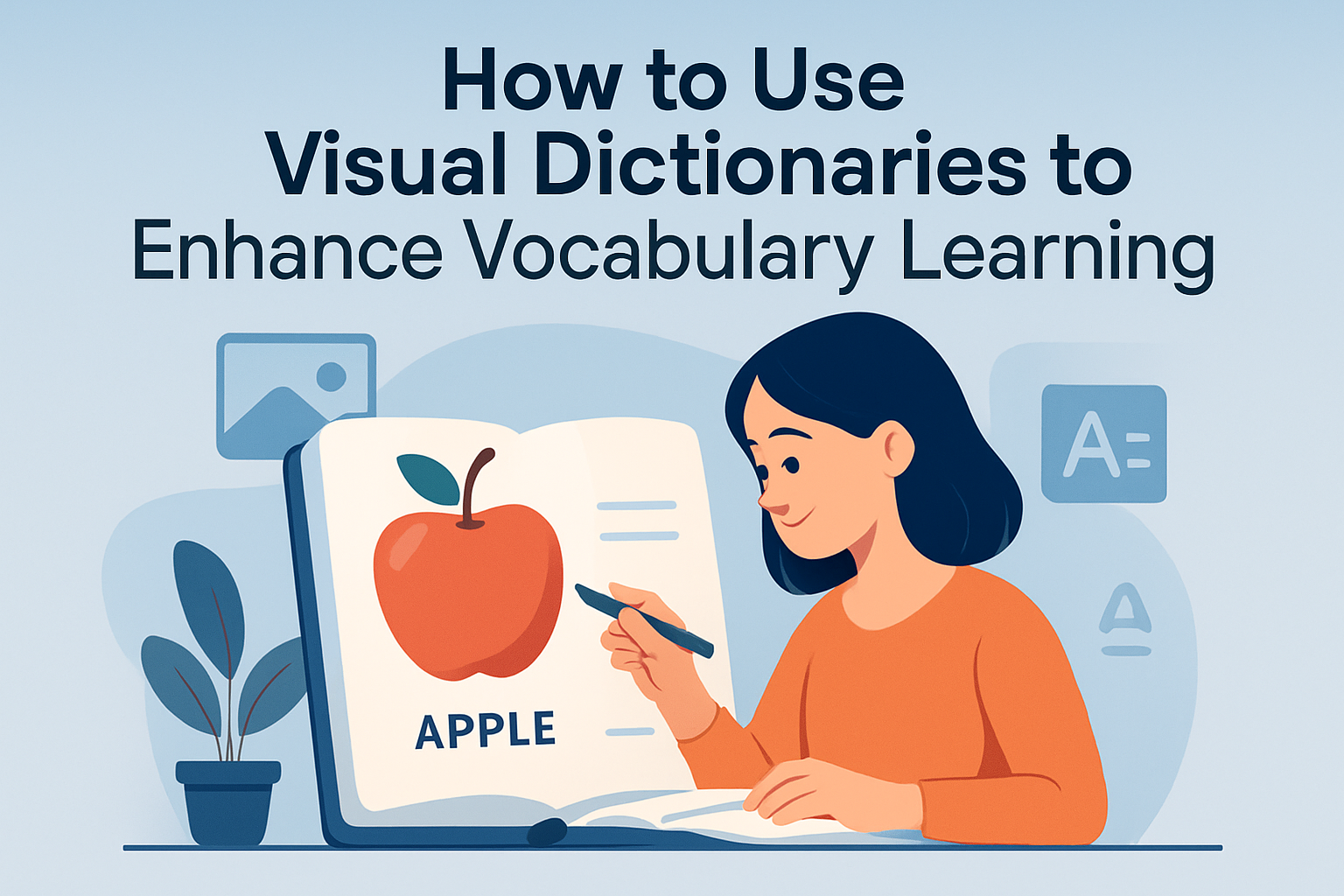
Organizing vocabulary visually can aid understanding and recall. Tools such as mind maps capture relationships between words and concepts, making complex information easier to process.
For instance, when learning new terminology related to environmental science, you might create a mind map linking terms like “biodiversity,” “ecosystem services,” and “climate change,” visually representing how these concepts intersect within the broader field.
In addition to mind maps, tables can be particularly useful. Below is a simple example demonstrating how a table can help organize vocabulary:
| Term | Definition | Example in a Sentence |
|---|---|---|
| Empirical | Based on actual, observable evidence | The empirical data supports the hypothesis that exercise improves mental health. |
| Theoretical | Based on theory rather than practical application | His approach is largely theoretical, with few concrete examples to back his claims. |
| Paradigm | A typical example or pattern of something | She challenged the existing scientific paradigm with her innovative research. |
Enhance Vocabulary Through Collaboration and Discussion
Often, collaboration can lead to the discovery of new perspectives and vocabularies. Engaging with classmates, colleagues, or professors provides opportunities to encounter how others use vocabulary differently based on their background or understanding.
Interpretation and discussion of readings or research findings with peers can expose you to new terminology and contextual understanding. For example, a peer review session might introduce you to more precise words for describing your findings or arguing a point.
Participating in academic forums or conferences can also be very beneficial. These platforms allow you to hear diverse uses of vocabulary in different academic talks and panels, offering a wealth of linguistic and conceptual insights that you might not encounter in isolated study.
Conclusion: Achieving Mastery in Academic Vocabulary
Building a strong academic vocabulary is both an ongoing process and a worthwhile investment for any aspiring academic writer. Key strategies include familiarization with subject-specific terms, mastering general academic vocabulary, engaging with diverse texts, and incorporating tools and resources designed for vocabulary enhancement.
Furthermore, practicing writing with the new vocabulary and seeking feedback is essential. This iterative process of writing and revising facilitates deeper learning and more fluid usage. Visual aids and collaborative learning are additional strategies that complement these methods, presenting information in various formats to aid understanding.
Ultimately, developing a comprehensive vocabulary will enhance not just your writing ability, but also your ability to engage in meaningful academic discourse and broaden your intellectual horizons. Now is the time to begin or continue this journey—commit to exploring new resources, practicing regularly, and never stop learning.
Your academic writing will be all the stronger for it, leading to better academic outcomes and opportunities for meaningful contributions to your field. Start today by identifying one vocabulary-building strategy you can incorporate into your routine, and take the first step towards mastering academic writing.
Frequently Asked Questions
1. What is the importance of building a strong academic vocabulary?
The development of a strong academic vocabulary is essential for a number of reasons, especially if you’re engaged in scholarly work, such as writing essays, research papers, or academic articles. Firstly, having a robust vocabulary allows you to express complex ideas more clearly and effectively. When you have the right words at your disposal, you can articulate your thoughts and arguments with precision, leaving little room for misunderstanding or ambiguity. This precision is crucial in academic settings where clarity and accuracy are highly valued.
Furthermore, a strong academic vocabulary enhances your credibility as a writer or researcher. When you use the appropriate terminology and jargon relevant to your field, it demonstrates your familiarity with the subject and can strengthen your arguments. Additionally, a well-developed vocabulary can make your writing more persuasive and engaging, capturing the reader’s attention and facilitating a deeper understanding of the material. Lastly, having a vast vocabulary improves your reading comprehension and critical analysis skills, as it enables you to grasp the nuances of complex texts and engage more fully with the research of others.
2. How can I effectively build my academic vocabulary?
Building an academic vocabulary is a gradual process that requires consistent effort, but there are several strategies you can employ to facilitate this development. One effective way is to engage in extensive reading within your field of study. By exposing yourself to scholarly articles, research papers, and academic books, you become more familiar with the language and terminology commonly used in your discipline. Take note of unfamiliar words or phrases and look up their definitions to deepen your understanding.
Additionally, active vocabulary exercises can be beneficial. Create a vocabulary journal where you record new terms, their definitions, and example sentences. Revisit this journal regularly to reinforce your memory. Flashcards are another valuable tool; they allow for quick review and testing of your knowledge. Try incorporating new vocabulary into your writing immediately, as this encourages active use and helps internalize the words in context.
Moreover, practice writing regularly. The more you write, the more chances you have to apply and reinforce your vocabulary knowledge. Seek feedback from peers, mentors, or tutors who can point out areas for improvement and suggest more precise or sophisticated vocabulary options. Lastly, online tools and apps designed for vocabulary building, like quizzes and games, can also be a fun way to enhance your word bank.
3. What are academic word lists, and how do they help?
Academic word lists are comprehensive lists of vocabulary deemed essential for academic learning and writing across various fields of study. These lists categorize words that frequently occur in scholarly texts, providing a focused approach to vocabulary building. One of the most well-known word lists is the Academic Word List (AWL), developed by Averil Coxhead. This list contains words that are commonly found in academic texts but less frequent in everyday language, making them particularly valuable for academic success.
Using academic word lists can guide your vocabulary improvement efforts by highlighting words you might encounter often in academic settings but may not be familiar with from conversational language. By systematically studying and practicing these words, you can ensure a more thorough preparation for writing tasks or reading comprehension in educational and professional contexts. The structured nature of these lists makes it easier to prioritize the learning of high-utility words relevant to academic discourse, effectively equipping you with vocabulary that will support the clarity and depth of your writing.
4. What role does context play in learning new vocabulary for academic writing?
Context plays a crucial role in learning new vocabulary for academic writing. Understanding context means grasping how a word functions within a sentence or a paragraph and recognizing the nuances that might change its meaning in different settings. When you learn new vocabulary within the context of actual texts, you’re more likely to remember and correctly apply the words because you see how they relate to each other and to the ideas being expressed.
For instance, reading a research article allows you to see how particular terms are used to build arguments, explain methodologies, or describe results. Contextual learning goes beyond rote memorization by engaging you more deeply with the language and concepts of your field. Additionally, it aids in distinguishing between words that might look or sound similar but have different meanings depending on the subject matter or discipline.
To maximize the benefits of context, try to immerse yourself in the language of your field by consistently reading and analyzing academic texts. Pay attention to the surrounding sentences and paragraphs where new vocabulary is introduced, and take note of collocations or phrases that frequently appear in conjunction with these words. This will not only deepen your understanding but also help you develop a more intuitive sense for using the vocabulary accurately in your own writing.
5. How can I overcome challenges in retaining and using new academic vocabulary?
Retaining and effectively using new academic vocabulary can indeed be challenging, but adopting a strategic approach can mitigate these difficulties. One common obstacle is information overload—trying to learn too many words at once without allowing yourself the time to internalize them. To overcome this, focus on smaller sets of vocabulary at a time, and make sure to really understand each word’s definition, usage, and nuances before moving on to the next batch.
Active engagement with the material is key. Instead of passively reading definitions or lists, try to use new vocabulary actively in context. This could be through writing short essays, summaries, or even discussion posts where you intentionally use the newly learned words. Additionally, teaching someone else or explaining the word out loud in your own words can further solidify your grasp on its meaning and usage.
Incorporate vocabulary building into your daily routine. Consistent, spaced repetition is incredibly effective for memory retention. Tools like spaced repetition software (SRS) systems can be particularly helpful, as they are designed to help you review words at optimal intervals. Also, diversifying your learning methods—such as reading, writing, listening to academic lectures or podcasts, and even watching videos or documentaries related to your field—can expose you to different contexts and usages of the vocabulary, making learning more dynamic and memorable.
Finally, remember to be patient with yourself. Vocabulary acquisition is a process, and mistakes or forgetfulness are completely normal. Keep revisiting challenging words and integrate them into your language usage progressively, always aiming for gradual improvement rather than perfection.