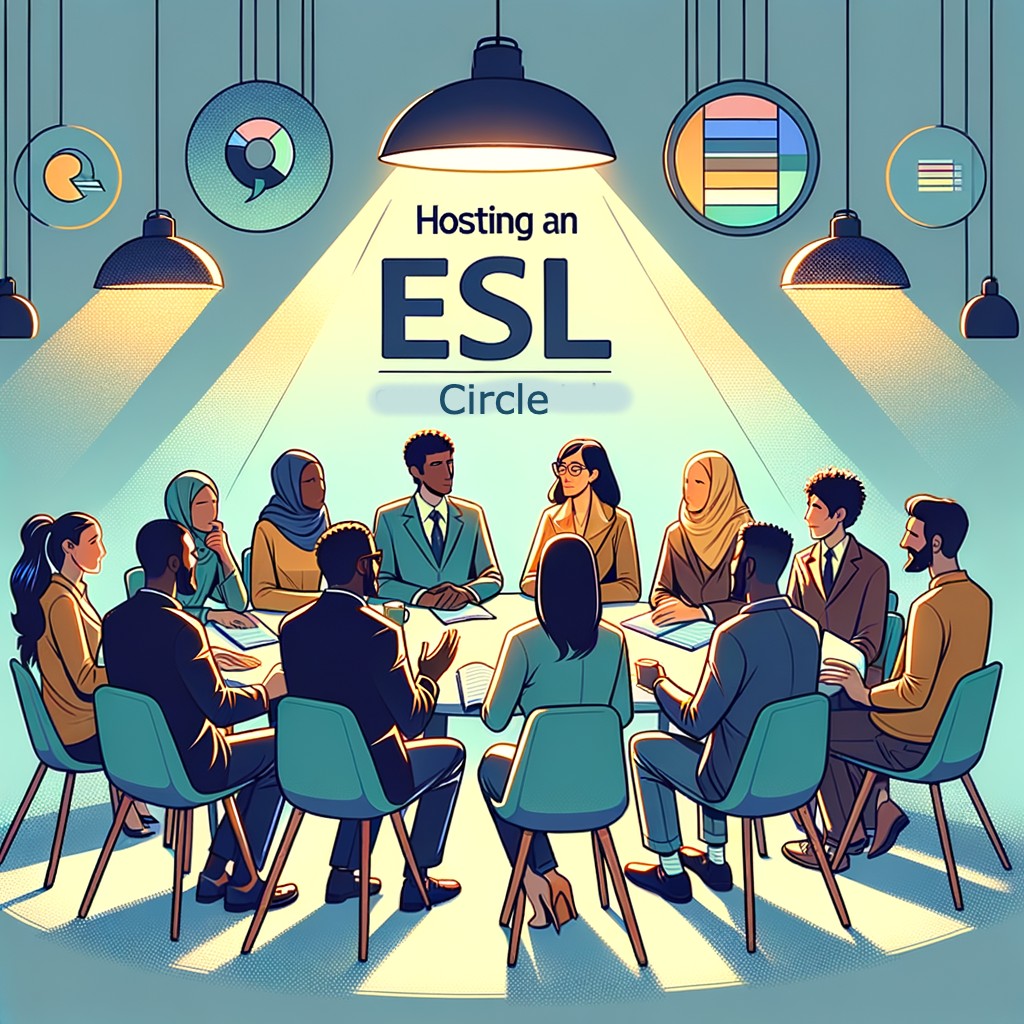
Hosting an ESL (English as a Second Language) conversation circle is an enriching endeavor, both for the facilitator and the participants. This interactive method of learning English offers individuals the chance to practice conversational skills in an informal setting. As someone looking to organize an ESL conversation circle, it’s essential to understand the underlying principles and best practices that can drive your efforts toward success. This introduction serves to provide context and rationale for embarking on such an initiative, while emphasizing the benefits and overarching strategies needed for effective execution. Whether in a community center or virtually, hosting a conversation circle requires careful thought, preparation, and consideration of the participants’ diverse backgrounds and needs. Facilitators play a crucial role in creating a welcoming and productive atmosphere where everyone feels comfortable engaging and expressing themselves in English. By diving into this concept, you’ll learn to design a program that fosters language development through active engagement, cultural exchange, and mutual support. Let’s explore how to set up an ideal environment, craft interactive activities, and deal with common challenges in leading an ESL conversation circle.
Planning and Preparation
The first step in hosting an ESL conversation circle involves meticulous planning. You need to define your objectives, identify your target audience, and determine the logistics. Begin by clarifying what you wish to achieve, such as enhancing spoken English proficiency, improving cultural awareness, or promoting social interaction. Establish realistic goals that align with the participants’ needs and capabilities. Knowing your audience is critical, as it influences language level, session dynamics, and content selection. Assess the proficiency levels of potential attendees and plan accordingly, ensuring the activities neither over nor under-challenge them.
Logistically, consider the location if held in person, or the platform if virtual. The environment should be conducive to learning, free of distractions, and easily accessible to participants. If online, ensure the platform allows for easy interaction and accommodates everyone’s technical capabilities. Consistent scheduling is also important; decide how frequently your sessions will occur. Weekly meetings are common, offering regular practice without overwhelming participants. Finally, gather necessary materials, such as language resources, activity plans, and administrative tools to track attendance and progress.
Creating a Welcoming Environment
Establishing a welcoming atmosphere begins with the facilitator’s approach. Aim to be approachable, encouraging, and patient, especially with individuals who may be anxious about using English. On the first meeting, facilitate introductions to break the ice and help participants feel more comfortable. Encourage openness by setting ground rules that promote respect and active listening. Let everyone know that making mistakes is part of the learning process and that the circle is a safe space to practice language skills without judgment.
Incorporate cultural sensitivity into your sessions, recognizing the diverse backgrounds of participants. Encourage sharing personal experiences and celebrating cultural uniqueness, which enriches discussions and broadens understanding. Adapt your communication style and materials to ensure they are appropriate for all cultural contexts represented in the group. By creating a supportive community, you foster an inclusive environment where every participant feels valued and engaged.
Structuring the Sessions
An effective ESL conversation circle balances structured activities with open discussion. Plan sessions to include a warm-up, core activities, and a closing. Begin with light warm-up exercises, such as icebreaker questions or vocabulary games, to prepare participants for more intensive engagement. These activities help ease participants into the speaking mindset and can hinge upon topics chosen based on collective interests or language goals.
The core of each session revolves around interactive discussions, role-playing, and other communication-centric activities. Select topics that spark interest and are relevant to the learners, possibly integrating worldly events, personal interests, or thematic stories that stimulate discussion. Encourage participation by posing open-ended questions and employing prompts that elicit extended responses. To address varying proficiency levels, consider pairing advanced speakers with beginners for certain activities, allowing for peer learning and practice. Small group settings can also be effective, giving participants more opportunity to engage actively.
As the session concludes, summarize key discussions and provide feedback. This feedback should be constructive and aimed at motivating continued improvement. End with a positive reflection on the session’s highlights and outcomes. Encourage participants to share final thoughts or reflect on what they’ve learned, reinforcing their contributions to the conversation circle. Offer suggestions for practice outside of the sessions, such as reading articles, listening to English audio, or practicing language apps.
Facilitator’s Role and Skills
Facilitators require a specific skill set to guide ESL conversation circles effectively. They must exhibit strong communication skills, actively listening to participants and providing clear, comprehensible directions and guidance. Patience and empathy go a long way in creating an encouraging atmosphere where individuals feel comfortable making mistakes and learning from them. An enthusiastic attitude is contagious and helps maintain energy levels and interest throughout sessions.
Being adept at managing group dynamics is crucial. Facilitators should balance conversations so all voices are heard without individuals dominating discussions. This involves steering conversations back on track if needed and managing time effectively to cover planned activities. Additionally, facilitators should be creative, preparing diverse and engaging activities catering to different learning styles. Flexibility is also key, adapting sessions on-the-fly based on participant needs or unexpected challenges.
Continuous self-development is another important aspect. Facilitators should stay updated with best practices in ESL education, seeking feedback from participants to refine their approach. Engaging in professional development opportunities, such as workshops or networking with other ESL instructors, can provide new insights and strategies for enhanced learning experiences. By being proactive in skill development, facilitators contribute significantly to the overall success of the conversation circle.
Overcoming Challenges
Challenges will inevitably arise when hosting an ESL conversation circle, but being prepared for them can ease their impact. Language barriers are the primary obstacle, making clear communication strategy essential. Utilize visual aids, gestures, and simplified language when explaining activities. Encourage peer support, highlighting that participants can aid each other in understanding and learning.
Managing different proficiency levels within the same group requires creative planning and flexibility. Rotate groupings regularly, so participants can experience varied interaction dynamics and learning from peers with different skill sets. Address motivation fluctuations by maintaining a positive environment, recognizing progress, and varying session content to sustain interest and engagement.
Technical issues can hinder sessions, especially in virtual settings. Test all equipment and platforms before each session and have contingency plans for common problems. Providing orientations on using the digital platform ensures all participants can engage fully. Should conflicts or misunderstandings arise, address them privately and diplomatically, striving for solutions that reinforce community values and respect.
Evaluating the Program
Evaluation is a critical component for assessing the effectiveness of your ESL conversation circle. Gather feedback from participants regularly to identify areas of improvement and successes. Utilize surveys, informal conversations, or suggestion boxes to collect honest insights regarding session content, structure, and facilitation.
Observe participants’ progress over time. Look for improvements in language skills, increased confidence in speaking English, and engagement levels during sessions. Set milestones to celebrate achievements, whether they involve completing a challenging discussion topic, gaining confidence in public speaking, or mastering new vocabulary.
Analyze collected data to refine your program, modifying session content or approaches based on participant feedback and observation results. Continuously striving for improvement ensures the conversation circle remains relevant, beneficial, and rewarding for all involved. Document successes and challenges, creating a resource that can guide future ESL conversation circle endeavors.
Conclusion
Hosting an ESL conversation circle involves a comprehensive understanding of language education principles, effective preparation, and adaptive facilitation. Delving into these aspects ensures that you can create a program that nurtures language skills, fosters community, and celebrates cultural diversity. As facilitators, embracing this role signifies a commitment to uplifting language learners, providing them with the confidence and skills needed to communicate effectively in English.
Reflecting on the journey of hosting an ESL conversation circle highlights both the rewarding and challenging aspects. The opportunity to witness participants’ progress and increased confidence is invaluable and a testament to the circle’s impact. Remember, the success of such a program relies heavily on the engagement and collaborative spirit between facilitators and learners. Building a robust community through mutual respect, enthusiasm for learning, and continuous improvement will propel your ESL conversation circle toward sustained success.
In conclusion, whether you’re a seasoned educator or a passionate community member, embarking on hosting an ESL conversation circle promises immense rewards. Through thoughtful design, active facilitation, and ongoing support, you create an empowering space for language learners to thrive. Keep embracing innovation, accepting feedback, and fostering collaboration, ensuring your conversation circle remains a cornerstone for learning and personal growth for all who participate.