Welcome to the world of learning English through art and museums! As any language learner knows, practicing language skills outside of traditional classroom settings can be immensely beneficial. Involving yourself in cultural activities not only makes learning more enjoyable but also provides an immersive experience that enhances language retention. By leveraging the rich resources found in art galleries and museums, you can improve your English while gaining cultural insights.
Art museums, in particular, offer a wealth of opportunities for reading, speaking, listening, and writing in English. Whether you’re discussing a painting, writing a critique, reading exhibit descriptions, or following an audio guide, each activity engages different language skills. The vibrancy of the visual art scene can inspire creativity in your language use, making the learning process feel less like a chore and more like an adventurous exploration.
This article will guide you on how to effectively use art and museums to enhance your English language skills. We will delve into practical strategies for making the most of museum visits, highlight specific activities you can engage in, and offer tips for connecting with other English learners and speakers. Whether you’re a beginner or looking to polish your advanced skills, there’s something here for everyone.
Leveraging Museum Visits
Museum visits are a treasure trove for ESL learners. Before visiting a museum, do some research. Find out what exhibits will be on display, and read articles or watch videos about them in English. This pre-visit preparation will familiarize you with new vocabulary and context, making the actual visit more meaningful and less intimidating.
Once you’re at the museum, take your time. Read every description, label, and placard. These often contain rich, descriptive language that can expand your vocabulary. Pay attention to expressions, adjectives, and verbs used to describe the artwork. Don’t be afraid to ask museum staff questions in English; it’s a great way to practice speaking and listening.
Bring a notebook or a digital device to take notes. Jot down new words, phrases, and any interesting facts about the exhibits. Later, you can look up these words and integrate them into your vocabulary practice. Some museums also offer audio guides in English, which can help you with pronunciation and listening comprehension.
Engage with multimedia exhibits, if available. Many modern museums have incorporated interactive displays, videos, and audio installations, all of which can offer additional layers of language immersion. Follow along with any text, and listen carefully to any spoken elements.
Engaging in Art-Related Activities
Art-related activities can further enhance your English learning experience. After your museum visit, you can engage in a variety of activities that reinforce what you’ve learned. Write a review or an essay about your favorite exhibit. Describe the artwork in detail, discuss the artist’s techniques, and explain why it appealed to you. This exercise not only hones your writing skills but also encourages critical thinking.
Join art classes or workshops conducted in English. These sessions often include discussions about techniques, materials, and the history of art, providing an excellent opportunity to learn art-related vocabulary and practice speaking in an informal, supportive setting. Many community centers and museums offer such classes.
Consider starting or joining an art appreciation group where members meet to discuss different artists, art movements, and exhibitions. These discussions can take place in person or online, providing a platform to practice English while sharing your passion for art. Such groups often attract people with varied backgrounds, offering the chance to hear different accents and dialects.
Finally, leverage online resources. Websites like Khan Academy, Coursera, and YouTube offer free courses and lectures on art history and appreciation, all in English. These resources provide structured learning experiences that can significantly bolster your language skills.
Using Art to Inspire Writing
Art is a fantastic inspiration for writing. Poets and authors often draw upon visual art to fuel their creativity, and you can do the same in your language practice. Choose a piece of art and write a story or a poem about it. Describe the scene, imagine the lives of the people or objects depicted, and create a narrative surrounding the artwork. This exercise enhances descriptive language use and encourages creative thinking.
You can also write letters or journal entries from the perspective of a person in a painting. What might they be thinking or feeling? What story do they have to tell? This kind of imaginative exercise can make writing more engaging and enjoyable.
Share your writing with others. Join writing groups or forums where you can receive feedback and read others’ work. Participating in these communities can give you new ideas and perspectives, and constructive criticism can guide your language development.
Keeping an art journal is another excellent way to combine visual and verbal expression. Include sketches, museum tickets, and art-related clippings along with your written reflections. This practice not only documents your learning journey but also adds a personal touch, making the experience more memorable.
Improving Speaking and Listening Skills
Art and museums offer abundant opportunities to practice speaking and listening, two crucial language skills. Attend art talks, lectures, and guided tours. These events are often interactive, encouraging questions and discussions, thus honing your speaking skills. Listen carefully to the language used by guides and lecturers to improve your listening comprehension.
Museum cafes and gift shops also provide an informal setting to practice conversational English. Engage with staff and other visitors, discussing exhibits or casually chatting. These interactions, while sometimes brief, are invaluable for real-world language practice.
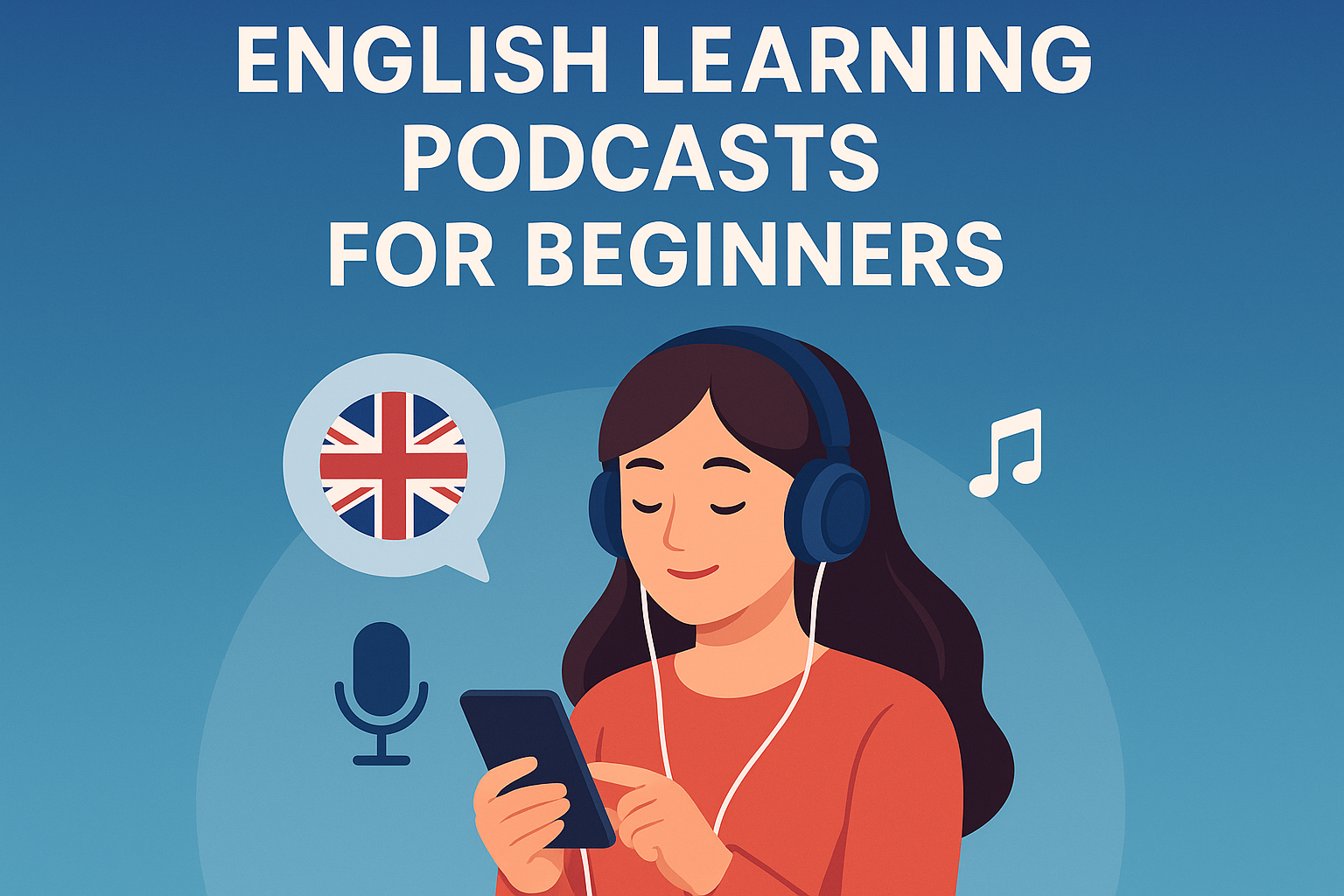
Online resources like podcasts and YouTube channels focused on art also offer excellent listening practice. Listen to artist interviews, exhibition reviews, and art critiques to familiarize yourself with various accents, levels of formality, and specialized vocabulary.
Role-playing can also be a fun way to practice speaking. Pair up with a friend or a fellow ESL learner, and take turns role-playing different scenarios, such as a museum curator giving a tour or an artist discussing their work at an event. This practice can boost your confidence and improve your fluency.
Connecting with the Art Community
Building connections within the art community can provide additional layers of support and practice opportunities for ESL learners. Volunteering at a museum or gallery can immerse you in an English-speaking environment, allowing for both professional and language skills development. Regular interaction with visitors and staff can greatly enhance your speaking and listening abilities.
Participate in online art forums and social media groups. These platforms often have global memberships, offering a chance to interact with art lovers from around the world. Engaging in discussions, participating in art challenges, and sharing your art-related experiences can make language learning more social and less isolating.
Attending local art events, such as gallery openings, art fairs, or craft markets, also provides opportunities for real-life interaction in English. These events are often casual, making it easier to strike up conversations and perhaps even form lasting friendships.
Connecting with the art community can also lead to collaboration opportunities. Working on art projects with English speakers or bilingual individuals can enhance your language skills while fostering creativity and collaboration. Plus, it’s a fun way to integrate language learning into your personal and social life.
Conclusion
Learning English through art and museums offers a unique, enriching approach that goes beyond traditional classroom methods. By immersing yourself in art and cultural activities, you can practice reading, writing, speaking, and listening in a dynamic and engaging environment. This holistic approach not only improves language proficiency but also enhances cultural understanding and appreciation.
Whether you’re visiting museums, writing about art, engaging in art-related activities, or connecting with the art community, each experience contributes to a more rounded and effective language learning journey. Take advantage of the resources and opportunities available, and don’t hesitate to step outside your comfort zone.
Remember, language learning is a process, and integrating your interests and passions can make it a more joyful and rewarding experience. So, next time you visit an art museum or participate in an art-related activity, know that you’re not just appreciating the beauty of art; you’re also taking significant steps toward mastering the English language.
Happy learning, and happy exploring!