
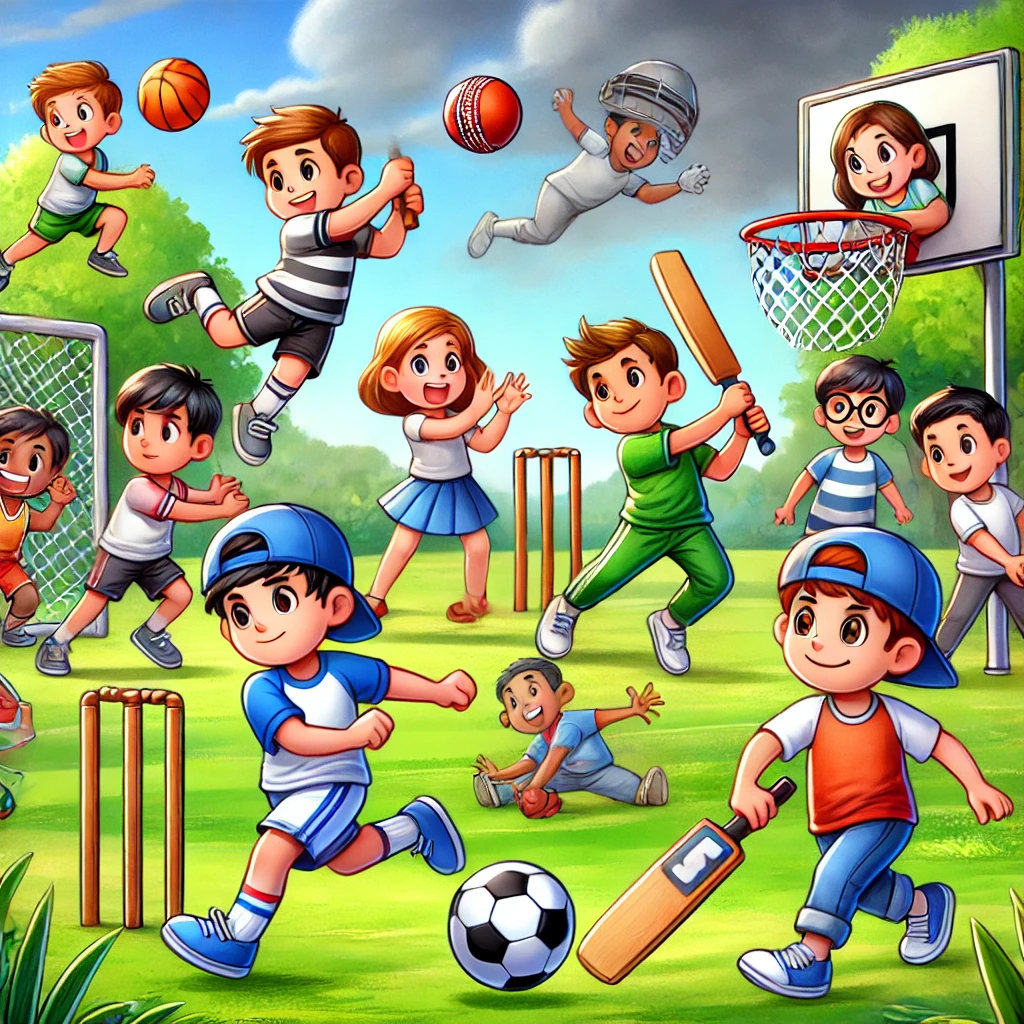
The world of international sports is a vivid mosaic of diverse cultures, languages, and traditions coming together in one field. Among these numerous languages, English stands out as a lingua franca that bridges communication barriers and fosters global unity. English is omnipresent in international sports, from major events like the Olympics to renowned tournaments like the FIFA World Cup, creating a consistent platform for athletes, coaches, officials, fans, and the media.
The globalization of sports has led to increased interaction between people from different linguistic backgrounds. This interaction necessitates a common language for communication, and English has naturally assumed this role. Athletes train and compete across borders, and being proficient in English can offer them significant advantages, such as understanding tactics, following rules, and engaging with global audiences. This article delves into the multifaceted impact of English on international sports, highlighting its essential role in communication and the promotion of unity.
Why English? The Factors Behind Its Relevance
One might wonder why English, of all languages, has achieved this unparalleled relevance in the world of sports. Several factors contribute to this phenomenon. English is widely spoken across the continents, and many sports-governing bodies, such as the International Olympic Committee (IOC) and FIFA, use English as one of their official languages. This preference ensures that important announcements, rulings, and regulations are accessible to a broader audience. Furthermore, English is often taught as a second language in many countries, which enhances its utility in international settings.
Communication on the Field: The Role of English
The playing field, arena, or stadium is where the magic of sports unfolds, and effective communication is vital for peak performance. Whether athletes are calling plays, strategizing, or conveying quick instructions, the need for a common language is undeniable. English frequently fulfills this need, serving as a bridge between teammates from different countries. Coaches and athletes often learn essential English phrases to communicate effectively. For instance, in a soccer match, players must understand terms such as “offside,” “foul,” and “corner kick.” Even in sports with less frequent international interaction, like American football, understanding and using English can be advantageous for foreign players who join leagues in English-speaking countries.
Referees and umpires also rely on English to maintain order and fairness. Calls, penalties, and clarifications are typically made in English, which reduces misunderstandings and ensures everyone on the field is on the same page. This uniformity is especially crucial in high-stakes environments where split-second decisions can determine the outcome of a game.
The use of English extends beyond verbal communication. Written materials such as rulebooks, coaching manuals, and tactical guides are often available in English. Players and coaches from non-English speaking backgrounds frequently rely on these resources to enhance their understanding of the game.

The Media and Broadcasting: English as the Universal Language
Media coverage and broadcasting have a profound impact on the popularity and reach of sports. English plays a pivotal role in this domain, as it is the primary language used by major sports networks and publications worldwide. This widespread use of English allows for a unified, global narrative that appeals to international audiences.
Major sports events draw millions of viewers from around the globe, and broadcasters often use English commentary to cater to this diverse audience. This practice not only enhances the viewing experience but also makes the sport more accessible to non-native speakers who understand English. Additionally, interviews with athletes and coaches are commonly conducted in English, providing insights and fostering a deeper connection between the sports community and its followers.
Social media has further amplified the influence of English in sports. Platforms like Twitter, Instagram, and Facebook are flooded with updates, opinions, and interactions in English. Athletes often use these platforms to communicate with their fans, share their journeys, and participate in global conversations. This engagement is vital for building a personal brand and connecting with supporters from different parts of the world.
Promotional activities and sponsorships also benefit from the use of English. Marketing campaigns often employ English slogans and messages to reach a wider audience. For brands seeking global recognition, partnering with athletes who can communicate in English can significantly boost their visibility and appeal.
English in Sports Education and Training
Sports academies and training institutions play a crucial role in nurturing talent and preparing athletes for international competition. English is frequently integrated into the curriculum of these establishments, recognizing its importance in global sports. Coaching courses and certifications offered by international organizations, like FIFA or the International Tennis Federation (ITF), often require proficiency in English. Coaches and trainers from non-English speaking countries thus need to learn the language to access these valuable resources. This requirement ensures that training standards are consistent worldwide and that knowledge is disseminated effectively.
Young athletes aspiring to join international teams or participate in global tournaments also benefit from learning English. Many sports scholarships and exchange programs in English-speaking countries expect a basic command of the language. This proficiency empowers athletes to adapt more easily to new environments, communicate with peers and mentors, and make the most of their opportunities.
Online courses and webinars, which have become increasingly popular, often use English as their medium of instruction. These resources provide athletes and coaches with access to current techniques, strategies, and research, further emphasizing the importance of English in sports education.
The Economic Impact of English in Sports
The sports industry is a significant contributor to the global economy, and English plays a vital role in its commercial aspects. From sponsorship deals to merchandise sales, the ability to communicate in English can open doors to lucrative opportunities for athletes and organizations.
Sponsorships are a primary source of revenue in sports, and companies looking to partner with athletes or teams prefer those who can communicate in English. This preference stems from the need for effective public relations, promotional activities, and engagement with a global market. An athlete fluent in English can more effectively represent a brand, attract international attention, and participate in marketing campaigns.
Merchandising is another area where English proves advantageous. Sports merchandise, including apparel, equipment, and memorabilia, is often branded and marketed using English terms. This practice leverages the language’s global reach, appealing to fans worldwide and driving sales.
Moreover, sports tourism, where fans travel to watch their favorite teams or athletes compete, significantly contributes to local economies. English-speaking tour guides, event coordinators, and hospitality staff enhance the experience for international visitors, ensuring their stay is enjoyable and memorable.
Cultural Exchange and Diplomacy Through Sports
Sports have long been a conduit for cultural exchange and diplomacy, bringing together people from diverse backgrounds. English plays a pivotal role in facilitating these interactions, promoting mutual understanding and respect.
International sports events provide a platform for athletes to learn about different cultures, traditions, and values. English often serves as the common language through which these exchanges occur. Whether through informal conversations, interactions in the athletes’ village, or official ceremonies, English enables athletes to build relationships and foster camaraderie.
Sports diplomacy involves using sports as a means to promote peace and international cooperation. Programs and initiatives that unite athletes from conflict zones or different political landscapes often use English to bridge communication gaps. This shared language helps participants find common ground and work towards collective goals, transcending political and cultural differences.
The role of English in sports diplomacy extends to community engagement initiatives. Organizations use sports as a tool for social change, addressing issues such as education, health, and social inclusion. These programs often use English to disseminate information, conduct training, and facilitate dialogue, ensuring positive outcomes and sustainable impact.
Conclusion: The Ever-Growing Influence of English in International Sports
The impact of English on international sports is undeniable, permeating every aspect of the industry. From communication on the field to media coverage, sports education, economic opportunities, and cultural exchange, English serves as the glue that holds the global sports community together.
As sports continue to grow and evolve, the role of English is likely to expand further. Its prevalence in international sports not only enhances the experience for stakeholders but also fosters global unity, understanding, and cooperation. For athletes, coaches, officials, fans, and the media, proficiency in English is more than a linguistic skill; it is a gateway to full participation and success in the international sports arena.
Embracing English in sports education and training can help aspiring athletes and coaches unlock a world of opportunities. Similarly, leveraging English in sports marketing and sponsorship can drive economic growth and elevate the industry to new heights. Ultimately, English’s role in sports diplomacy and cultural exchange reinforces its value as a tool for building a more connected and harmonious world.
In conclusion, the influence of English on international sports underscores its importance as a global language. As we watch athletes from different corners of the globe come together to compete and collaborate, English remains the thread that weaves their stories into the rich tapestry of international sports.





