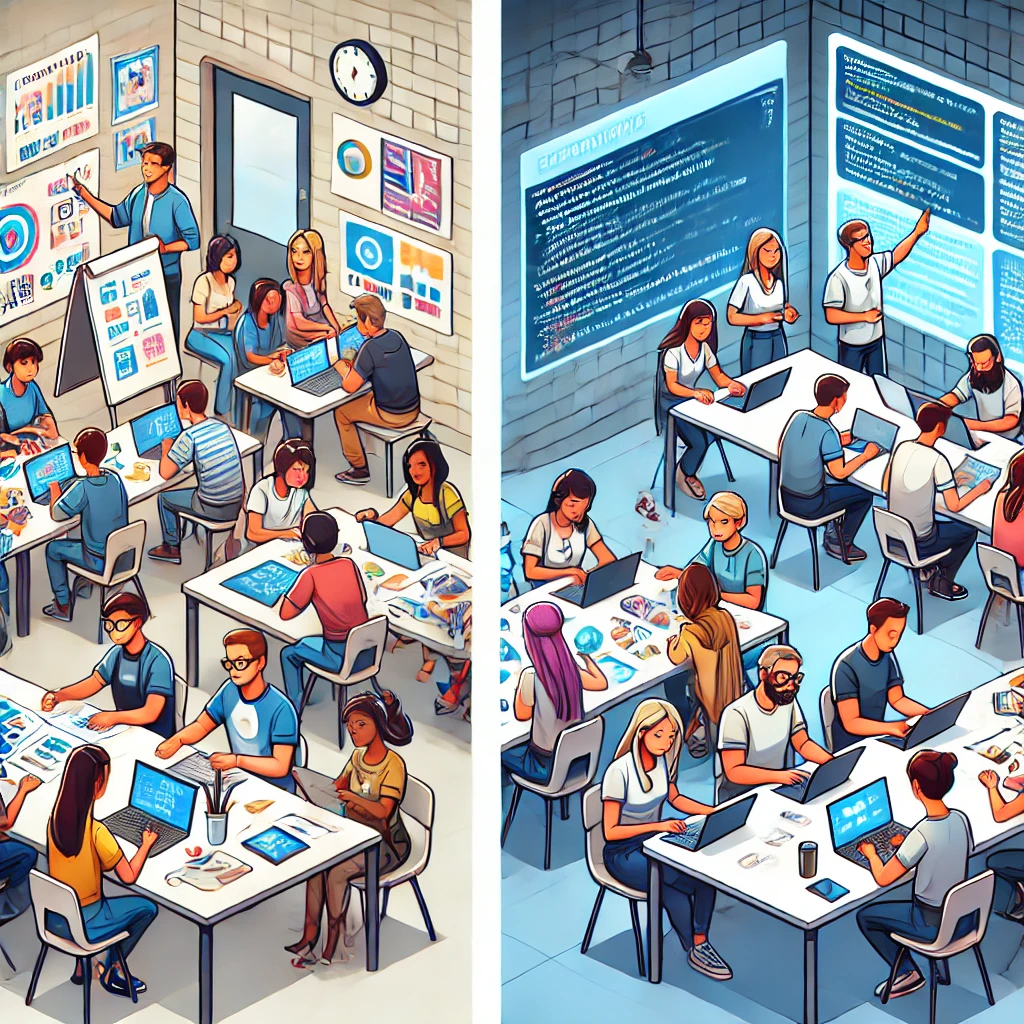
In today’s interconnected world, the methods of learning new languages are rapidly evolving. Traditional classroom settings, characterized by rote memorization and repetitive exercises, are slowly paving the way for more innovative and engaging techniques. One such groundbreaking approach is the integration of digital art and design into the English as a Second Language (ESL) curriculum. This method not only captivates the interest of learners but also leverages their creativity, fostering a deeper understanding and mastery of the language.
Digital art and design encompass a broad spectrum of tools and methodologies, ranging from graphic design and virtual reality to animation and digital storytelling. These tools provide a dynamic and interactive platform for ESL learners to practice and improve their English skills. By combining visual and textual elements, students can enhance their vocabulary, grammar, and overall language proficiency in a more contextually rich environment.
Moreover, digital art and design cater to various learning styles, making it an inclusive learning approach. Visual learners, for instance, benefit from the vivid imagery and graphical representations, while kinesthetic learners appreciate the hands-on experience involved in creating digital projects. This synergy between language learning and creative expression aligns well with the needs and preferences of the modern learner, paving the way for a more engaging and effective ESL learning experience.
This comprehensive guide aims to explore the multifaceted benefits of learning English through digital art and design, providing educators and learners with practical insights and strategies to incorporate into their learning journey. Whether you are an ESL student looking to enhance your English skills or an educator seeking innovative teaching methods, this article will offer valuable guidance on utilizing digital art and design as a powerful tool for language acquisition.
Combining Visuals with Vocabulary
One of the most significant advantages of integrating digital art into ESL learning is the ability to combine visuals with vocabulary. Visual aids have long been recognized as effective tools for enhancing memory retention and comprehension. By associating new words with images, students are better able to grasp and remember vocabulary items. For example, digital flashcards with pictures can be created using graphic design software or online tools, making the learning process both fun and effective.
Moreover, digital storytelling platforms allow students to create and share their narratives using both text and images. This exercise not only helps learners practice their writing skills but also encourages them to think creatively and use descriptive vocabulary. The visual component of the storytelling adds depth to the narrative and aids in the retention of new words.
Additionally, infographics are another powerful tool in the digital art and ESL learning space. Infographics can present complex information in a visually appealing and easily digestible format. Students can create their infographics on various topics, incorporating new vocabulary terms, and sharing them with their peers. This practice not only reinforces their understanding of the language but also allows them to engage in collaborative learning.
By integrating visuals with vocabulary, students are provided with a more engaging and interactive learning experience. The combination of text and images helps reinforce language concepts and facilitates long-term retention. This approach is particularly beneficial for visual learners who thrive when information is presented in a pictorial format.
Interactive Animation and Grammar Mastery
Animation is another exciting tool that can be harnessed to enhance ESL learning. Interactive animations provide a dynamic way to teach and practice grammar concepts. For instance, animated videos can illustrate the rules of verb conjugation, sentence structure, and other grammatical elements in a fun and engaging manner. These animations can be accessed online or created using animation software, offering a versatile tool for both teachers and learners.
Animated characters, scenarios, and dialogues can also be used to create immersive language learning experiences. By watching and interacting with animated content, students can better understand the practical application of grammar rules in real-life contexts. This contextual approach helps learners see the relevance of grammar in everyday communication, making it easier for them to internalize and use these rules accurately.
Furthermore, students can create their animated projects as part of their language learning activities. By scripting and producing short animated videos, learners practice their writing and speaking skills while reinforcing their understanding of grammar. This hands-on approach allows students to experiment with language in a low-pressure environment, fostering creativity and confidence in their language abilities.
Interactive animations not only make learning grammar more enjoyable but also increase student engagement and motivation. The element of interactivity encourages students to participate actively in their language learning journey, leading to a deeper understanding and mastery of grammar concepts.
Digital Storytelling and Language Fluency
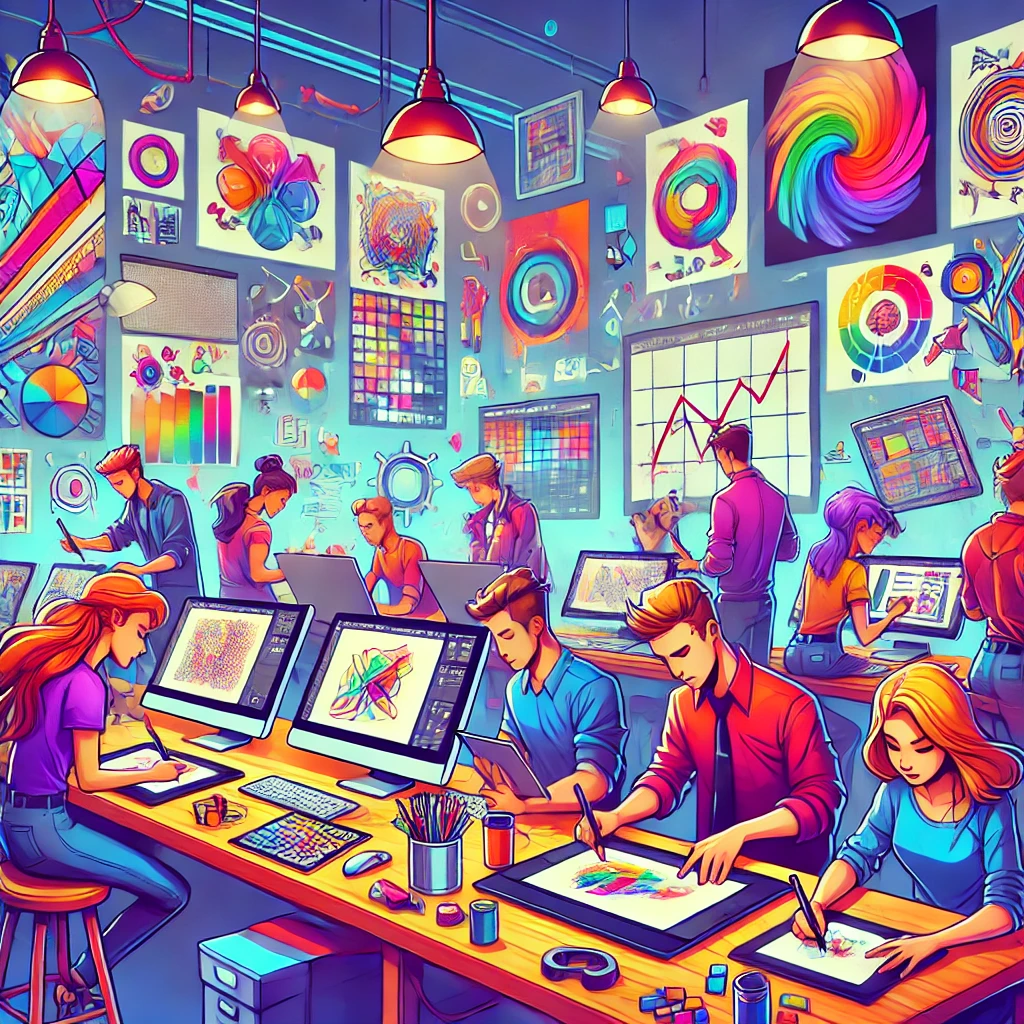
Digital storytelling is a powerful method for improving language fluency among ESL learners. By combining spoken or written narratives with multimedia elements such as images, audio, and video, students can create compelling stories that enhance their language skills. This process involves several stages, including planning, writing, editing, and presenting, each of which contributes to the development of different language competencies.
In the planning phase, students brainstorm ideas and outline their stories, practicing their organizational and critical thinking skills. During the writing stage, they focus on constructing coherent sentences, using appropriate vocabulary, and applying grammatical rules. The editing phase allows learners to refine their narratives, improving their ability to self-correct and enhance their written English.
Finally, presenting the digital story enables students to practice their speaking and listening skills. Whether they are narrating their stories to an audience or sharing them online, this step helps learners gain confidence in their oral communication abilities. The use of multimedia elements such as background music, sound effects, and visual aids adds depth to the narratives, making the stories more engaging and memorable.
Digital storytelling also promotes collaborative learning, as students often work in groups to create their projects. This collaborative effort encourages peer feedback and fosters a sense of community among learners. By sharing their stories and providing constructive feedback to their peers, students develop their communicative competence and improve their overall language fluency.
Virtual Reality for Immersive Language Learning
Virtual reality (VR) is an emerging technology that holds great potential for transforming ESL education. By creating immersive virtual environments, VR can transport students to different settings where they can practice their language skills in real-life contexts. This experiential learning approach provides a more authentic and engaging way to acquire and apply language skills.
For instance, VR can simulate scenarios such as ordering food in a restaurant, navigating a new city, or conducting a business meeting. These simulations allow learners to practice their speaking and listening skills in a safe and controlled environment. The interactive nature of VR also enables students to receive immediate feedback, helping them correct mistakes and improve their accuracy.
Moreover, VR can be used to create virtual language exchange programs, where students can interact with native English speakers from around the world. These exchanges provide valuable opportunities for learners to practice conversational English and gain insights into different cultures. By engaging in authentic dialogues, students enhance their language fluency and develop cultural competence.
The immersive and interactive nature of VR makes it an effective tool for language acquisition. By simulating real-world experiences, VR helps learners internalize language concepts and apply them in practical situations. This hands-on approach accelerates language learning and increases student motivation and engagement.
Graphic Design for Language Practice
Graphic design is another digital art form that can be leveraged to enhance ESL learning. By creating visually appealing graphics, students can practice their writing, reading, and critical thinking skills. Graphic design projects often involve crafting messages that are clear, concise, and visually engaging, helping learners improve their ability to communicate effectively in English.
For example, students can design posters, flyers, or social media graphics on various topics, incorporating their newly acquired vocabulary and grammatical structures. This process requires them to think critically about how to convey their messages visually and textually, reinforcing their language skills.
Additionally, graphic design tools often come with built-in spell checkers and grammar suggestions, providing learners with instant feedback on their writing. This feature helps students identify and correct their mistakes, promoting self-directed learning and continuous improvement.
Collaborative graphic design projects also encourage teamwork and peer learning. By working together to create visual content, students can share ideas, provide feedback, and learn from each other’s strengths and weaknesses. This collaborative approach fosters a supportive learning environment and enhances the overall language learning experience.
Conclusion
The integration of digital art and design into ESL education offers a multitude of benefits for both learners and educators. By combining visual, interactive, and creative elements with language instruction, this approach transforms the learning experience, making it more engaging, effective, and enjoyable.
The use of digital tools such as graphic design software, animation platforms, digital storytelling tools, and virtual reality enhances vocabulary acquisition, grammar mastery, language fluency, and overall communication skills. These tools provide a diverse and inclusive learning environment that caters to different learning styles and preferences.
Moreover, the collaborative nature of many digital art and design projects fosters a sense of community among learners, promoting peer learning and mutual support. By working together on creative projects, students not only improve their language skills but also develop important social and teamwork skills.
As the world becomes increasingly digital, it is essential for ESL learners to embrace new technologies and methodologies that can enhance their language learning journey. By integrating digital art and design into the ESL curriculum, educators can provide learners with the tools and opportunities they need to succeed in an interconnected and multilingual world.